Safest Neighborhoods in Rio de Janeiro: Where to Stay (2026)

Jump to section

Updated July 2026: this guide uses verified 2024 crime data, current 2025 U.S. advisory guidance, and neighborhood-level recommendations for choosing where to stay in Rio right now.
Rio de Janeiro state recorded 3,504 murders in 2024 — a homicide rate of 20.35 per 100,000 — yet the tourist corridor where most visitors sleep, eat, and swim sits at a completely different risk level (Sinesp / Ministry of Justice Brazil, 2025). In Rio, the neighborhood you choose changes your trip more than almost any other decision you make.
If you're searching for the safest neighborhoods in Rio de Janeiro, the short answer is: base yourself in Zona Sul — the south-zone beach districts — and within that, a handful of neighborhoods stand out as the safest, calmest, and easiest to navigate as a tourist. This guide ranks them honestly, explains the trade-offs, and flags the areas to keep off your itinerary.
For the full city-level picture first, read our Is Rio de Janeiro safe? guide. If you're still deciding whether Brazil fits your trip at all, start with Is Brazil safe?.
Key Takeaways
- Rio's safest neighborhoods are concentrated in Zona Sul; Leblon and Ipanema lead, with Botafogo, Flamengo, Urca and Barra da Tijuca close behind (ISP-RJ, 2024)
- Rio state's murder rate fell to 20.35/100,000 in 2024 — the lowest since 2015 — but tourist zones operate far below that figure (Sinesp, 2025)
- Phone theft, up 38% to 21,423 cases in 2024, is the main everyday risk even in safe areas — so habits matter as much as location (ISP-RJ, 2024)
What Makes a Rio Neighborhood "Safe" for Tourists?
A neighborhood is "safe" for tourists in Rio when it has a strong, visible tourist and residential presence, good lighting, easy access to app-based transport, and distance from the favela complexes and transit hubs that concentrate serious crime. By that standard, almost every genuinely safe area falls inside Zona Sul, Rio's south zone.
The gap between the citywide statistic and the tourist experience is enormous. Rio state's 2024 murder rate of 20.35 per 100,000 is high by global standards — New York City sits around 5.8, and the crowd-sourced Numbeo Safety Index scores Rio at just 24.65 out of 100 (ISP-RJ, 2024). But the vast majority of those homicides occur in peripheral areas and favela complexes that no standard tourist itinerary touches. The daily risk you'll actually face in Ipanema or Leblon is property crime — mainly phone snatching — not violence.

That's why "safest neighborhood" is really about reducing exposure to opportunistic theft: staying where streets are busy and well-lit, where Uber and 99 are a two-minute wait, and where you're never far from a hotel, restaurant, or shop to step into. Read our guide to common scams in Brazil so you recognize the tactics that turn up even in the calmest districts.
The Safest Neighborhoods in Rio de Janeiro, Ranked
The safest neighborhoods in Rio de Janeiro, in order, are Leblon, Ipanema, Botafogo/Humaitá, Flamengo, Urca, Barra da Tijuca, and Copacabana — all in Zona Sul or the western beach belt, and all operating far below Rio's state-level crime figures (ISP-RJ, 2024). Here's how they compare, and what each one trades off.
Is Leblon Safe?
Leblon is widely considered Rio's safest and most upscale neighborhood. It sits at the far end of Ipanema Beach, has a heavy residential and dining presence, and feels calm even at night. The trade-off is price: Leblon is the most expensive place to stay in the city, and it's quieter than travelers wanting nightlife might like.
Is Ipanema Safe?
Ipanema is the sweet spot most first-time visitors land on — safe, walkable, packed with restaurants and shops, and right on one of the world's most famous beaches. Daytime street life is dense and reassuring. Keep your phone out of sight and it's about as easy as Rio gets. It's our default recommendation for a first trip.
Is Botafogo Safe?
Botafogo and neighbouring Humaitá have become favourites for travelers who want a more local, less touristy base. Botafogo has a lively bar and restaurant scene, good metro access, and lower prices than the beach neighborhoods, while still being solidly within safe Zona Sul. The city's 2026 CompStat data shows phone and pedestrian robberies down 51–67% in its patrolled perimeters — our dedicated guide, Is Botafogo Safe?, covers the night-time zones and the Copacabana comparison.
Is Flamengo Safe?
Flamengo and Catete are older, residential, and well-served by the metro, sitting between the city center and the beach zones. They're calmer and cheaper than Ipanema, with the large Aterro do Flamengo park nearby — pleasant by day, but like all Rio parks, not a place to linger after dark.
Is Urca Safe?
Urca is a small, tranquil peninsula at the foot of Sugarloaf Mountain and is often cited as one of the safest pockets in the entire city, with a village-like feel. The trade-off is that it's residential and removed — great for calm, less convenient for nightlife or beach-hopping.
Is Barra da Tijuca Safe?
Barra da Tijuca, further west, is a modern, planned district of gated condos, malls, and long beaches. It's very safe and family-friendly but feels suburban and car-dependent, and it's a long way (30–60 minutes) from the classic Zona Sul sights.
Is Copacabana Safe?
Copacabana is the most complicated entry. It's iconic, lively, well-located, and full of hotels at every price point, and by day it's fine for tourists. But the beachfront concentrates risk after dark — this is where organized group-theft raids known as arrastões occur — so it ranks below its Zona Sul neighbors on pure safety (ISP-RJ, 2024). Stay a block or two inland, avoid the boardwalk late at night, and it works well.
Two quieter options round out the safe map. Gávea and Jardim Botânico, inland behind Leblon and Ipanema, are leafy, affluent, mostly residential neighborhoods that see little tourist crime — a good pick if you want calm and greenery over beachfront and are happy to Uber to the sand. The pattern across all of these is consistent: the safest neighborhoods cluster tightly in the south and southwest, they share a strong residential presence, and they're all a short, cheap rideshare from one another — which is exactly how you should move between them after dark.

For a closer look at what to book once you've picked an area, see our guide to hotels in Rio de Janeiro.
Where Should You Actually Stay in Rio?
The best neighborhood depends on your travel style: Ipanema for a safe first-timer default, Leblon for the calmest upscale base, Botafogo for value and local life, and Barra da Tijuca for families who want space over central access. Match the district to your priorities rather than chasing a single "best" answer.
| If you are... | Best neighborhood | Why |
|---|---|---|
| A first-time visitor | Ipanema | Safe, walkable, central to the sights, easy transport |
| Wanting the calmest, most upscale base | Leblon | Rio's safest district; quiet and residential |
| Traveling on a mid-range budget | Botafogo / Humaitá | Local vibe, good metro, lower prices, still Zona Sul |
| A solo female traveler | Ipanema or Leblon | Busy streets, strong residential presence, women-only metro cars at peak |
| Traveling with family | Barra da Tijuca | Space, gated condos, long calm beaches |
| Wanting quiet and scenery | Urca | Village feel at the base of Sugarloaf |
Solo travelers get an underused advantage in Rio: the metro runs women-only cars (the first car of every train) during peak hours, a legally enforced measure (Metro Rio). If you're weighing Rio against your specific situation, our guide to Brazil safety for solo female travelers, families and LGBTQ+ tourists goes deeper.
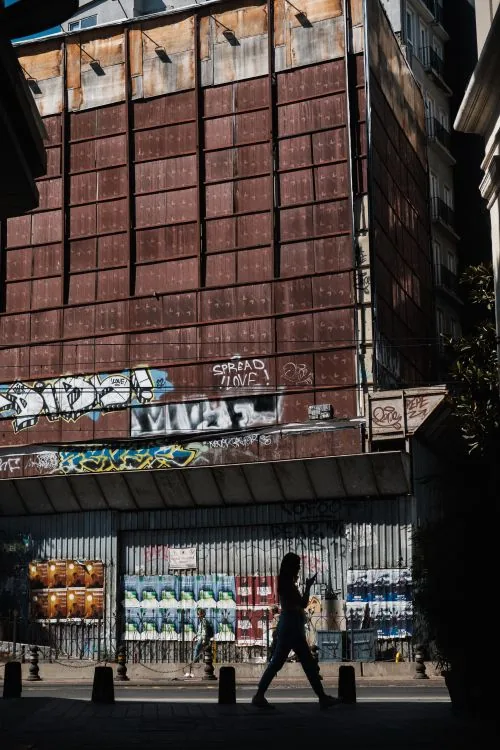
Wherever you land, keep the essentials close: stay in Zona Sul, use app-based transport after dark, and plan your arrival transfer in advance rather than improvising at the airport. Our Rio de Janeiro travel guide covers the practical logistics.
Which Neighborhoods and Areas Should Tourists Avoid?
Tourists should avoid Rio's favela complexes, the city center (Centro) outside business hours, the area around the Rodoviária Novo Rio bus terminal, and Lapa and Santa Teresa late at night. These areas generate the bulk of Rio state's 3,504 annual murders and are not on any standard tourist route (Sinesp, 2024).
The favela complexes — including Rocinha, Complexo da Maré, and Complexo da Penha — are informal neighborhoods, many controlled by drug factions or militias, where conditions can change without warning. The US State Department advises tourists not to enter, even on an organized tour. Understand what they actually are, and why the "don't improvise" rule matters, in our guide to favelas in Rio de Janeiro.
Two nightlife areas need nuance. Lapa, famous for its bars and samba, and Santa Teresa, the artsy hillside neighborhood above it, are genuinely worth visiting — but treat them as places you go to and leave from by Uber, not areas to wander on foot late at night. Centro empties out after office hours and around the Novo Rio bus terminal the streets get sketchy after dark; there's little reason for a tourist to be in either at night. The US kept Brazil at a Level 2 "Exercise Increased Caution" advisory and added a kidnapping warning in May 2025, which reinforces the case for staying in proven areas.
How to Stay Safe Even in the Safest Neighborhoods
Even in Leblon or Ipanema, the single biggest everyday risk is phone theft, which jumped 38% to 21,423 recorded cases across Rio in 2024 — so the habits that reduce it matter as much as the neighborhood you pick (ISP-RJ, 2024). Safety in Rio is a block-by-block, moment-by-moment thing, not a checkbox you tick by booking the right hotel.
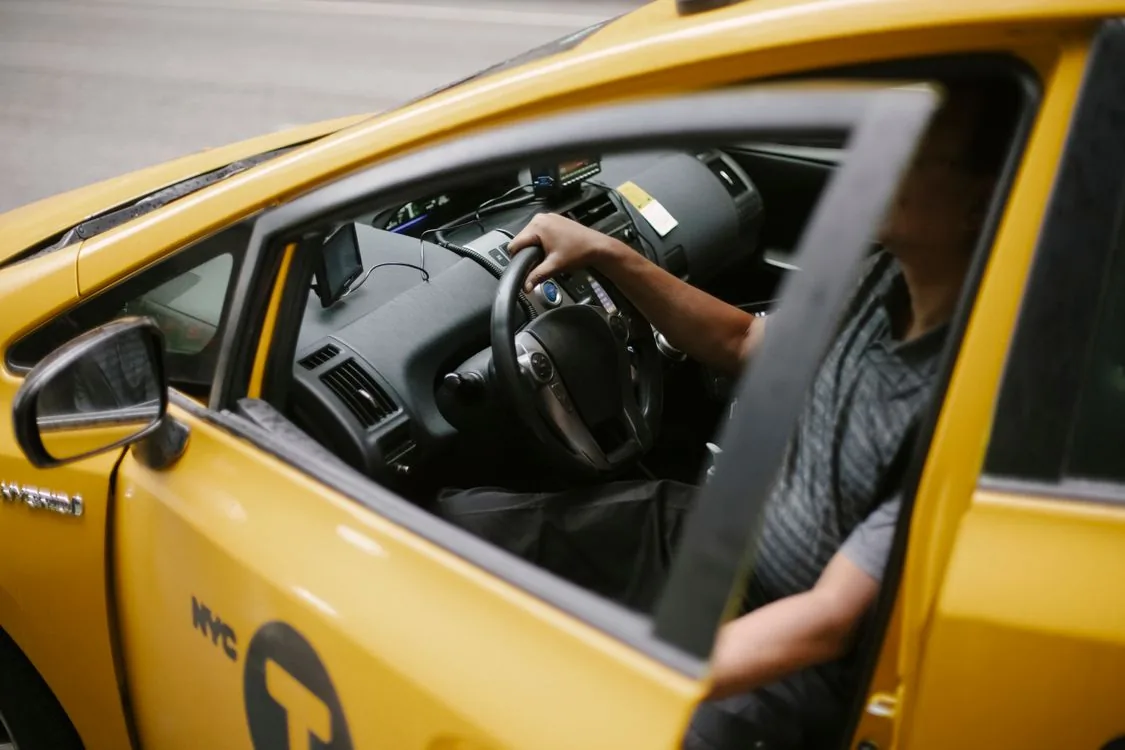
The core habits are simple and they work: keep your phone in your pocket or bag rather than in your hand on the street, use Uber or 99 exclusively after dark (no unlicensed street taxis), don't wear watches or jewelry on the beach, use ATMs inside malls or bank branches, and avoid the beach after dark. A useful rule of thumb for choosing a specific street within a safe neighborhood: busier and better-lit is safer than quiet and dim, and the closer you are to the beachfront avenues and main commercial strips, the more foot traffic works in your favor. The transitions matter too — the walk from a metro exit or a restaurant to your building, especially late, is when most opportunistic thefts happen, so that's the moment to have already called your ride rather than standing on the corner with your phone out.
Because risk shifts street by street even inside Zona Sul, the Brazil Safe Travel app maps real-time GPS risk zones across every Rio neighborhood — showing active alerts from other travelers before you turn down a quieter block or head out at night. Pairing that awareness with good habits puts you well ahead of the average visitor's risk exposure.
Frequently Asked Questions
What is the safest neighborhood in Rio de Janeiro?
Leblon is generally considered Rio's safest neighborhood — an upscale, largely residential district at the western end of Ipanema Beach with heavy foot traffic and a calm feel even at night. Ipanema is a close second and a better fit for most first-time visitors thanks to its central location, walkability, and dense street life (ISP-RJ, 2024).
Is Copacabana safe to stay in?
Copacabana is safe to stay in by day and works well for tourists who choose their block carefully. The main risk concentrates on the beachfront after dark, when arrastões (organized group theft raids) can occur. Stay a street or two inland, avoid the boardwalk late at night, and use Uber rather than walking back to your hotel after midnight (ISP-RJ, 2024).
Is Ipanema safe for tourists?
Yes. Ipanema is one of Rio's safest and most tourist-friendly neighborhoods, with busy, well-lit streets, abundant restaurants and shops, and quick access to app-based transport. Keep your phone out of sight while walking, avoid leaving bags unattended on the beach, and it's about as easy as Rio gets for visitors.
Where should first-time tourists stay in Rio de Janeiro?
First-time tourists should stay in Ipanema or Leblon. Both sit in safe Zona Sul, are highly walkable, and put you close to the beaches and main sights. Botafogo is a strong value alternative with a more local feel, good metro access, and lower prices, while still being solidly within the safe south-zone corridor.
Which areas of Rio should tourists avoid?
Avoid the favela complexes (Rocinha, Complexo da Maré, Complexo da Penha), Centro outside business hours, the area around the Novo Rio bus terminal, and Lapa and Santa Teresa on foot late at night. These areas concentrate the majority of Rio's serious crime and are not part of any standard tourist route (Sinesp, 2024).
Is Barra da Tijuca safe?
Barra da Tijuca is one of Rio's safest districts — a modern, planned area of gated condos, shopping malls, and long beaches that's popular with families. The trade-off is that it feels suburban and car-dependent, and it's 30–60 minutes from the classic Zona Sul sights, so it suits travelers who prioritize space and calm over central access.
The Bottom Line
In Rio de Janeiro, the neighborhood you choose is the most powerful safety decision you'll make. Stay in Zona Sul — Ipanema or Leblon if you want the safest, easiest base, Botafogo for value, Barra da Tijuca for family space — and you'll be operating at a risk level millions of visitors navigate successfully every year, well below the citywide statistics.
But no neighborhood is a force field. Phone theft turns up even in Leblon, and safety shifts block by block and hour by hour. Pick the right area, keep your phone off the street, use Uber after dark, and check the map before you move.
Download Brazil Safe Travel to see real-time GPS risk zones for every Rio neighborhood before you arrive.