Best Hotels in Rio de Janeiro: Beach, Budget & All-Inclusive

Jump to section
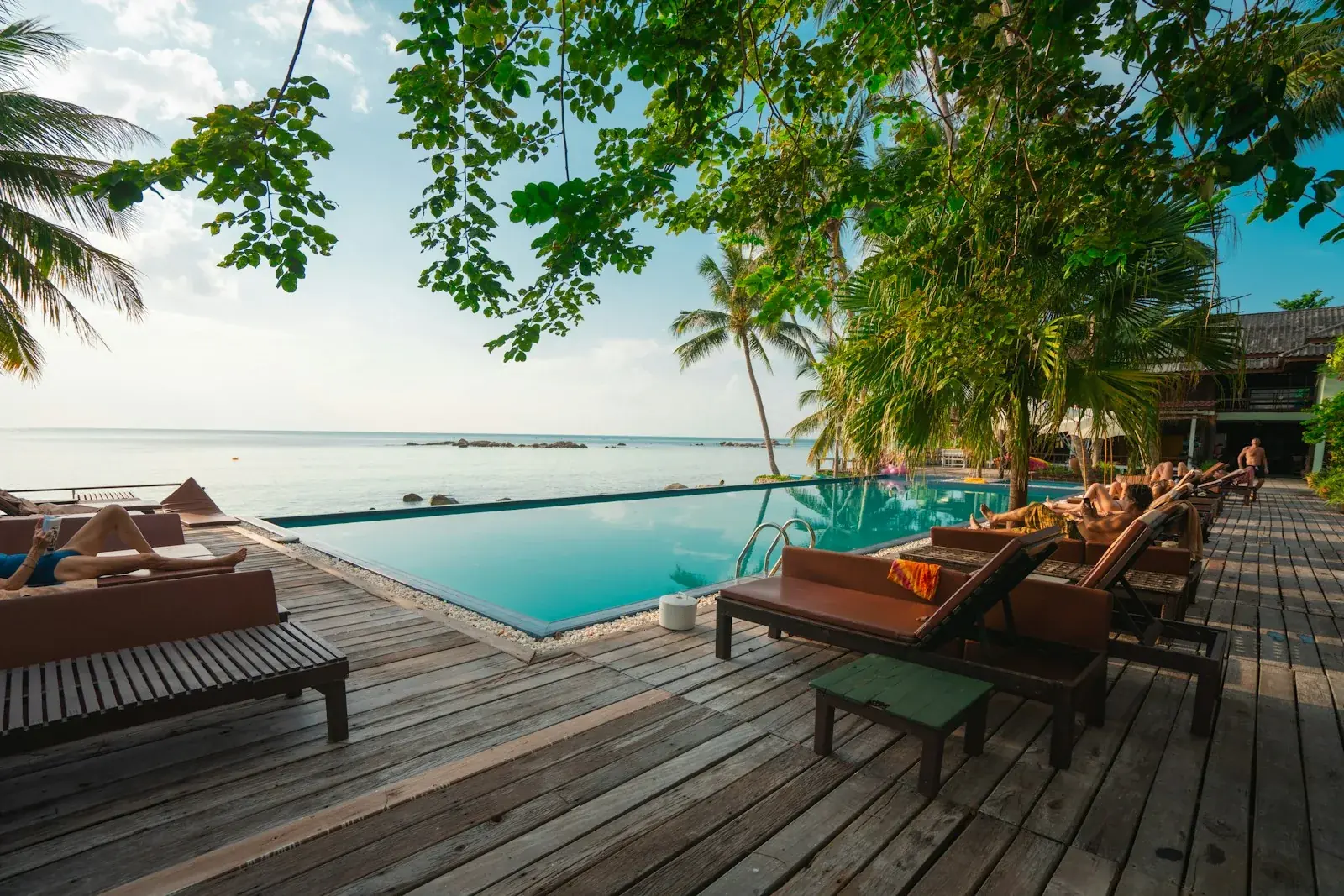
Photo: Sasha Kaunas on Unsplash
Rio de Janeiro received 12.5 million tourists in 2025, generating R$27.2 billion for the city's economy (City Hall of Rio de Janeiro, 2026). The United States ranked third among source countries, sending 190,267 visitors — and most of them landed in the same few hotels on Copacabana without asking whether that neighborhood actually fit their trip.
It might not. Copacabana, Ipanema, Barra da Tijuca, and Santa Teresa each attract a different traveler. Prices, beach access, safety dynamics, and nightlife proximity all shift significantly from one zone to the next — sometimes within a 10-minute walk. Picking the wrong area means paying a Copacabana premium for a hotel you'd have preferred in Ipanema, or booking an "all-inclusive" package only to discover it's 30 minutes from the beaches you came to see.
This guide breaks down where to stay in Rio by traveler type, covers the best beachfront hotels, explains the all-inclusive landscape honestly, and gives you the apartment rental picture for 2026. If you want the safety context before you book, our Rio de Janeiro safety guide covers the neighborhood-level detail.
Key Takeaways
- Rio hotels average ~$97/night; Ipanema runs 20–40% higher than comparable Copacabana properties despite being a short walk away
- True all-inclusive resorts on Copacabana or Ipanema don't exist — the all-inclusive product in Rio is concentrated in Barra da Tijuca and resort towns outside the city
- Airbnb has been legal in Brazil since 2018 and is widely used in Rio's beach zones; gated buildings with doormen are the safer rental choice
Which Rio Neighborhood Is Best for Hotels?
International tourism to Rio jumped 52.1% in the first half of 2025 compared to the same period in 2024, according to the City Hall of Rio de Janeiro (2026). Most of that growth funneled into a handful of zones — which means hotel prices in top neighborhoods have risen, and picking the right area matters more than it used to.
Copacabana is Rio's most recognized beach neighborhood and its hotel density reflects that. You'll find everything from $30 hostels to the legendary Copacabana Palace (Belmond) above $1,000 per night. The beach is wide, the metro access is straightforward, and the concentration of restaurants and bars within walking distance is hard to beat. The tradeoff: Copacabana sees higher petty theft near the beach at night, and the neighborhood is louder and more touristy than Ipanema.
Ipanema and Leblon sit 15 minutes west of Copacabana on foot — but in terms of feel, they're a different city. The vibe is calmer, the beach is cleaner, the restaurants are better, and the buildings are more residential. Hotels run 20–40% more expensive than comparable Copacabana properties. If you're traveling as a couple or with children, that premium is usually worth it.
Barra da Tijuca is Rio's Miami — wide avenues, shopping malls, gated condos, and longer beaches. It's 30–45 minutes from the tourist core but offers resort-style amenities that Zona Sul hotels typically lack. This is also where Rio's few genuine all-inclusive properties are located.
Santa Teresa is the hilltop arts neighborhood. Boutique hotels, colonial architecture, and a cooler-than-average crowd. Beach access requires a ride, so it's best for travelers who want Rio's culture more than its coastline.
According to Rio City Hall, Riotur projects 5.7 million city visitors in 2026 — the highest target ever set — which means demand for well-located rooms will continue outpacing supply in peak months (India Outbound, 2026). Book three to four months ahead for Carnaval, New Year's Eve, and major holiday periods.
What Are the Best Hotels in Rio de Janeiro on the Beach?
The best beach hotels in Rio cluster along two stretches: the Copacabana boardwalk (Avenida Atlântica) and the Ipanema / Leblon waterfront. Hotel Fasano Rio de Janeiro earned a place in the 2025 Michelin Guide to Rio de Janeiro, putting it in the same conversation as the city's top restaurants. That recognition reflects what savvy travelers already knew: Ipanema's hotel tier is genuinely world-class.

Photo: Vojtech Bruzek on Unsplash
Here are the standout beachfront options across categories:
Luxury tier (above $300/night)
The Copacabana Palace (Belmond) is the most storied address in Rio — a 1923 Art Deco property right on Avenida Atlântica. Pool, multiple restaurants, and direct beach access. It's the most expensive standard option in Copacabana, but the landmark factor is real.
Hotel Fasano Rio de Janeiro on Ipanema Beach is the choice for travelers who want design-led luxury and Michelin-grade dining without the Copa Palace nostalgia factor. The rooftop pool overlooking Dois Irmãos is the strongest hotel amenity in Rio.
JW Marriott Hotel Rio de Janeiro sits on Copacabana with a full resort profile — multiple pools, spa, and a consistent track record with American travelers who want predictable service standards.
Mid-range tier ($100–$300/night)
Windsor Atlantica Hotel delivers a Copacabana beachfront address at a price point that undercuts most luxury competitors. Solid rooftop pool. Best value for the location on Avenida Atlântica.
Ibis Styles Copacabana and Mercure Rio de Janeiro Arpoador work for travelers who want brand reliability and a beach-adjacent location without paying Copacabana Palace prices. Arpoador sits between Copa and Ipanema, which is a genuinely underrated location.
Budget-conscious options (under $100/night)
Properties in Flamengo (one stop from Copa on the metro) consistently run 30–50% less than equivalent rooms in Copacabana. The beach access requires a short ride, but the Aterro do Flamengo park compensates. Hotel Flamengo Palace is a reliable mid-budget pick in this zone.
For the safety picture around these beachfront zones, our Rio neighborhood safety breakdown covers which blocks to avoid and how crime patterns vary by time of day — worth reading before you finalize a location.
Are All-Inclusive Resorts in Rio de Janeiro Worth It?
Here's the honest answer: if you're searching for all inclusive trip to rio de janeiro brazil, you're imagining a resort on Copacabana or Ipanema. That product largely doesn't exist. The few hotels that use "all-inclusive" marketing in Zona Sul are typically hotels with meal plans added, not proper resort-style properties with pools, entertainment, and full-day programming.
Where all-inclusives do exist in the Rio de Janeiro orbit:
Grand Hyatt Rio de Janeiro (Barra da Tijuca) — This is the closest thing to a resort-style all-inclusive in Rio itself. Multiple restaurants, two pools, a spa, and a seafront location on Barra Beach. It runs 30–45 minutes from the tourist core, but for families or travelers who want resort infrastructure without leaving the city, it's the strongest option.
Búzios resort cluster — About 2.5 hours northeast of Rio, Búzios has several proper all-inclusive properties along its peninsula. Nannai Búzios and Vila dos Orixás are the most frequently cited by upscale travelers. These make sense if your goal is beach relaxation rather than city sightseeing.
Angra dos Reis / Ilha Grande — Green coast resort territory, about 2–3 hours from Rio. Portobello Resort & Safari is the biggest all-inclusive name here.
The value calculation for all-inclusives in this region depends on your priorities. If you're in Rio to see Christ the Redeemer, Sugar Loaf, and the neighborhoods, a Zona Sul hotel gives you better logistics. If your goal is beach relaxation with meals included and a pool, one of the options above makes more sense. Brazil travel packages that combine Rio city nights with a Búzios or Angra resort stay are a common structure that solves both needs.
Where Can You Find the Best Value Mid-Range Hotels in Rio?
The average hotel price in Rio de Janeiro runs around $97 per night based on 2026 booking aggregator data — but that average hides a wide spread. The same quality of room can cost $75 in Flamengo and $150 in Copacabana and $200 in Ipanema, with diminishing differences in comfort as the price rises.
The mid-range sweet spot for most American travelers is Copacabana at the $100–$160 price point. You get a legitimate beachfront neighborhood, metro access, and enough hotel density that you'll find a well-rated property without paying Ipanema premiums. The Windsor Atlantica, Caesar Park (Pestana), and Orla Copacabana are three mid-range anchors in this zone that consistently rate above 8.0 on Booking.com.
Flamengo is the overlooked alternative. One metro stop from Copacabana, it runs 30–50% cheaper and offers larger rooms in older buildings with character. The beachfront there is a park rather than a swimmable beach, but Flamengo locals use the bus to Copa in eight minutes. For travelers spending only two or three nights in Rio before heading elsewhere — whether Búzios, Iguaçu, or São Paulo — Flamengo makes practical sense. If you're combining Rio with other destinations, the packaged itinerary approach — Rio city hotel plus a resort segment — is worth exploring before booking individually.
Is Airbnb in Rio de Janeiro a Good Alternative to Hotels?
Airbnb operates legally in Brazil. The Brazilian Civil Code established a framework for short-term residential rentals in 2018, and Rio de Janeiro is one of the most active Airbnb markets in Latin America. You'll find thousands of listings in Ipanema, Copacabana, Leblon, and Botafogo — many offering better value per square meter than equivalent hotels, especially for groups of three or more.

Photo: Getty Images on Unsplash+
A few practical considerations for Rio rentals:
Building security matters more than the apartment itself. In Rio's beach neighborhoods, the distinction between a building with a 24-hour doorman and one without is a genuine safety variable — not just a comfort preference. Filter for "portaria 24 horas" (24-hour doorman) in your search terms, or look for listings that explicitly mention building security in the description.
Ground floor and street-level units carry higher risk. This applies to both hotels and rentals. Prioritize units from the second floor up, especially in Copacabana.
Leblon outperforms Ipanema for rentals. Fewer tourists, better supermarkets within walking distance, and a slightly calmer street environment. The price difference from Ipanema proper is small, and several guests report feeling safer walking to restaurants after dinner.
For apartment rentals specifically, Airbnb and Vrbo both have solid inventory in Zona Sul. Brazilian-specific platforms like Temporada Livre are less well-known to American travelers but often have better deals for longer stays. For the complete safety framework for your accommodation choices, note that rental stays sometimes require different coverage than hotel nights — worth checking before you book.
How Safe Are Rio de Janeiro's Hotel Neighborhoods at Night?
Brazil's beach hotel neighborhoods are generally safe during the day, and the risk profile is different from what many first-time visitors expect. The issue isn't usually hotels — it's the immediate area around them, specifically at night on the beachfront promenade and the streets one or two blocks inland.
Copacabana's Avenida Atlântica sees elevated snatch-theft after dark. Most incidents involve phones and jewelry on the sidewalk between the hotels and the sand — not inside hotels or in the immediate hotel entrance area. The practical fix is straightforward: keep valuables in your hotel safe, don't use your phone on the beach promenade at night, and walk in small groups after 10 PM.
A few booking decisions that reduce exposure: choose hotels with secured parking if you're renting a car, pick upper-floor rooms (less accessible from the street), and confirm your hotel has 24-hour reception before you book. All major chain properties and most well-rated independents meet these standards. The neighborhood breakdown — which blocks to prioritize, which streets to avoid — is covered in full in our Rio safety guide linked above.
For U.S. travelers, combining your hotel booking with a solid travel insurance policy — specifically one that covers theft of personal items — is worth the incremental cost given how common petty theft is in tourist zones. See our Brazil travel insurance guide for what to look for in coverage.
Frequently Asked Questions
What is the best hotel in Rio de Janeiro on the beach?
Hotel Fasano Rio de Janeiro on Ipanema Beach earned a spot in the 2025 Michelin Guide and is consistently ranked the top design-led luxury property in Rio. The Copacabana Palace (Belmond) on Avenida Atlântica is the most iconic address, with 100 years of history and a beachfront pool that remains Rio's most photographed hotel amenity. For best value on the beachfront, Windsor Atlantica in Copacabana is the strongest mid-range pick.
How much does a hotel in Rio de Janeiro cost per night?
Average hotel prices in Rio run approximately $97 per night based on 2026 booking data, but the spread is wide. Budget properties in Flamengo start around $40–60; mid-range Copacabana hotels run $100–160; Ipanema luxury options start around $200 and go well above $500 for top-tier properties. Prices spike 2–3x during Carnaval and New Year's Eve — book four to six months ahead for those periods.
Is Ipanema or Copacabana better for hotels?
Copacabana is better for first-timers, budget travelers, and those who prioritize nightlife access and metro convenience. Ipanema is better for couples, families, and travelers who want a calmer environment, cleaner beach, and higher overall neighborhood quality. The 20–40% price difference between comparable rooms in each zone is real. If the budget can absorb it, Ipanema delivers a noticeably better day-to-day experience.
Are there all-inclusive resorts in Rio de Janeiro?
Not on Copacabana or Ipanema. The all-inclusive resort product in the Rio metro area is concentrated in Barra da Tijuca — the Grand Hyatt Rio is the main option — or in resort towns outside the city like Búzios (2.5 hours northeast) and Angra dos Reis (2–3 hours southwest). What's often sold as "all-inclusive Rio" in package deals frequently includes Zona Sul hotel nights for sightseeing combined with resort nights in one of those destinations.
Is Airbnb safe in Rio de Janeiro?
Airbnb is legal in Brazil and widely used in Rio's beach neighborhoods. The platform's safety record in Rio tracks closely with the building type rather than Airbnb specifically. Choose listings in buildings with 24-hour doorman service, select units on the second floor or above, and read recent reviews for comments about building access and neighborhood feel. Ipanema and Leblon listings in gated residential buildings have the strongest safety profiles.
Conclusion
Rio de Janeiro's hotel market rewards travelers who match their accommodation to their actual priorities rather than defaulting to the most famous name. Copacabana is not wrong — but Ipanema is better for families, Barra is better for resort infrastructure, and Flamengo is better for the budget. The all-inclusive misconception is the most common expensive mistake: if that's what you want, build it into your planning from the start and look at Grand Hyatt Barra or a Búzios resort rather than hoping a Zona Sul hotel becomes something it isn't.
Book early. Riotur's 2026 target is 5.7 million visitors — the city is not getting quieter. For everything happening during your stay, our Rio Carnival and New Year's Eve guide covers the event calendar. And for the beaches and attractions you'll want to plan around, we've got the full breakdown there too.