Is Rio de Janeiro Safe? 2026 Crime Data + 7 Zones Ranked

Jump to section

Updated April 2026: this guide uses verified 2024 crime data, current 2025 advisory guidance, and practical tourist-focused recommendations for Rio right now.
Cell phone robberies in Rio de Janeiro jumped 38% in 2024 — to 21,423 recorded cases — while over 2 million foreign tourists visited the city that same year (Instituto de Segurança Pública, ISP-RJ, 2024). That paradox defines every honest conversation about Rio's safety: the danger is real, but so is the city's appeal, and millions navigate it successfully every year.
If you're asking "Rio de Janeiro, is it safe?" or even searching rio de janeiro is it safe or is rio brazil safe, the practical answer is yes for most tourists who stay in the right zones, use app-based transport after dark, and treat phone theft as the main everyday risk.
Rio is one decision inside a bigger trip. If you are still deciding whether it belongs in your itinerary at all, compare it against the rest of the country in our Brazil travel guide; if you want the national picture first, start with Is Brazil safe?; if your real question is how Brazil fits your specific travel style, read our guide to safety for solo female travelers, families and LGBTQ+ tourists; and if you are weighing Rio against Brazil's other big urban gateway, our São Paulo safety guide shows how the risk profile shifts when a trip is transit-driven rather than beach-driven.
Most safety guides you'll find are three to eight years old. A guide using 2017 crime data is worse than useless — Rio's risk profile has shifted, and so have the tools tourists use to navigate it. This guide uses verified 2024 government statistics, breaks down safety neighborhood by neighborhood, and covers Carnival — a period no competing guide addresses.
Key Takeaways
- Rio's murder rate fell to 20.35/100,000 in 2024 (lowest since 2015) — but phone theft surged 38% to 21,423 cases (ISP-RJ, Sinesp 2024)
- The tourist corridor of Zona Sul (Ipanema, Leblon, Copacabana) operates at dramatically lower risk than state-level statistics suggest
- Using Uber after dark, keeping phones out of sight, and staying in Zona Sul eliminates the majority of tourist crime risk
How Safe Is Rio de Janeiro, Brazil, in 2026? The Real Numbers
Rio de Janeiro recorded 3,504 murders in 2024 — a homicide rate of 20.35 per 100,000 inhabitants — down 4.8% from 3,681 in 2023, marking the lowest total since 2015 (Sinesp / Ministry of Justice Brazil, 2025). For context: New York City's rate sits around 5.8/100,000; Cape Town's exceeds 66/100,000. Rio is high by global standards — and trending downward.
But homicide numbers alone don't capture tourist risk. Phone robberies spiked 38% in 2024, vehicle thefts reached a five-year high, and the US State Department formally added kidnapping to Brazil's travel advisory in May 2025 (Level 2: Exercise Increased Caution). The Numbeo Safety Index — crowd-sourced from residents and visitors — rates Rio at just 24.65 out of 100.
What these numbers mean for you: staying in Zona Sul, using Uber, and keeping valuables out of sight puts you in a fundamentally different risk category than the state statistics imply.
Which Neighborhoods in Rio Are Safest for Tourists?
The US State Department rates all of Brazil Level 2: "Exercise Increased Caution" — with Rio explicitly flagged for tourist-targeting scams and drink-spiking assaults (US State Department, 2025). Within that citywide advisory, the neighborhood-level variation is enormous.
If your question is how safe is rio de janeiro brazil, the most useful answer is neighborhood-specific. For readers searching safe areas rio de janeiro brazil, the safest bases are still concentrated in Zona Sul rather than spread evenly across the city.
For travelers searching safe areas in Rio de Janeiro, Brazil, the best starting point is Zona Sul — especially Ipanema, Leblon, and the better-served parts of Copacabana.

Safe for tourists — Zona Sul:
- Ipanema — Quietest upscale zone, consistent police presence, best base for first-time visitors
- Leblon — Wealthiest neighborhood in Rio; low street crime relative to the rest of the city
- Copacabana — Safe and busy by day; beachfront requires more vigilance after dark
- Barra da Tijuca — Modern, shopping-mall culture, lower crime density, further from center
- Botafogo / Flamengo — Gentrifying neighborhoods; good daytime safety, caution at night
Exercise extra caution:
- Santa Teresa — Charming hilltop neighborhood but isolated; take Uber, skip public transit
- Lapa — Rio's nightlife hub; worthwhile, but keep your phone in your pocket
- Centro — Business district; safe during office hours, avoid at night
Avoid:
- Favela complexes: Complexo da Maré, Rocinha, Complexo da Penha
- Rodoviária Novo Rio bus terminal surroundings
- Linha Vermelha (airport expressway) on foot after dark
| Zone | Daytime | Nighttime | Notes |
|---|---|---|---|
| Ipanema / Leblon | ✅ Safe | ✅ Reasonable | Best base for tourists |
| Copacabana | ✅ Safe | ⚠️ Caution | Arrastões on beach after midnight |
| Botafogo / Flamengo | ✅ Safe | ⚠️ Caution | Stick to well-lit streets |
| Santa Teresa | ⚠️ Caution | ❌ Alone | Uber only, no solo night walks |
| Lapa | ⚠️ Caution | ⚠️ Caution | Nightlife area — keep phone pocketed |
| Centro | ⚠️ Caution | ❌ Avoid | Empties after business hours |
| Favela complexes | ❌ Avoid | ❌ Avoid | Not part of tourist routes |
What Scams and Crimes Target Tourists Most in Rio?
Cell phone snatching is the number-one tourist threat in Rio de Janeiro: the Instituto de Segurança Pública recorded 21,423 phone robberies in 2024 — up 38.25% from 15,496 in 2023 (ISP-RJ, 2024). Thieves on motorbikes or on foot target anyone walking with a visible device, particularly on the beachfront and around crowded metro exits.

The scams tourists face most often:
Arrastão (beach raid) — A coordinated group rushes a section of beach and grabs phones, bags, and wallets simultaneously. Most common on Copacabana and Ipanema beachfronts, more likely after 10pm or in the early morning before lifeguards arrive.
Sequestro-relâmpago (lightning kidnapping) — Victim is forced at gunpoint to make ATM withdrawals over several hours, often ending near dawn. The US State Department formally added kidnapping to Brazil's Level 2 advisory in May 2025. Use ATMs exclusively inside shopping malls or bank branches — never street-facing machines at night.
Boa-noite Cinderela (drink spiking) — Drinks are spiked with sedatives in bars and clubs. The US State Department specifically flagged this targeting tourists in Rio in the May 2025 advisory update. Never leave your drink unattended. Watch it being poured. Don't accept drinks from strangers.
Fake taxi / overcharge — Unlicensed drivers set no meter and charge whatever they want. Use Uber or 99 exclusively — every time, no exceptions.
Friendly stranger distraction — A seemingly helpful local creates a distraction (spilled food, fake question) while a partner picks your pocket. Common near the Sugarloaf cable car station, Christ the Redeemer entrance, and Ipanema market.
Is Rio de Janeiro Safe for Female Tourists and Solo Travelers?
Rio de Janeiro is visited solo by millions of women every year — but it demands more deliberate planning than traveling with a group. The city's metro system operates women-only cars during peak hours (the first car of every train, marked with pink signage) — a safety measure almost no travel guide mentions, despite it being one of the most practical tools available (Metro Rio, operational policy).
What solo female travelers in Rio need to know:
- Metro women's car: First car of every train, peak hours (6–9am, 5–8pm). Legally enforced, actively policed.
- Lapa at night: Rio's most popular nightlife area — go with people from your hostel or hotel, not alone. Don't walk home; call Uber.
- Carnival crowds: Blocos (street parties) get extremely dense. Use a money belt under your clothes, leave your phone at the hotel. The Sambódromo is controlled-entry and dramatically safer than street parties.
- App-based transport only after dark: Uber and 99 let you share your real-time route with contacts at home. This one habit changes your risk profile significantly.
- Dress context: Rio's beach culture is revealing at the beach. On streets and in transit, dressing more modestly reduces unwanted attention — not a requirement, but a practical choice many women make.
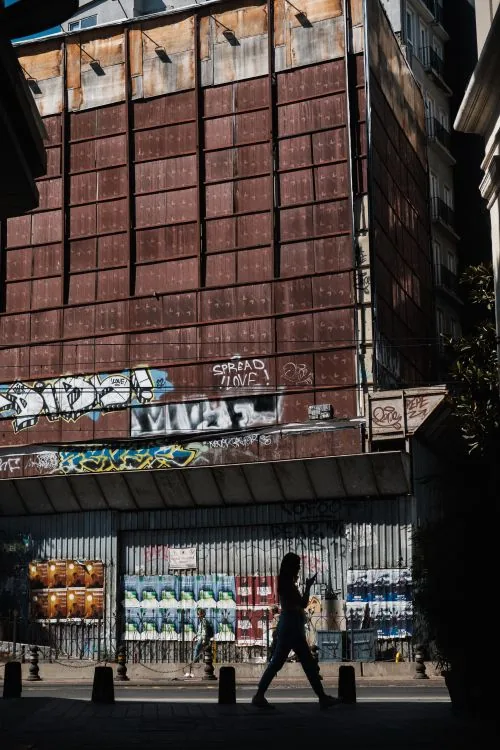
Favela tourism is the one exception people ask about most, and it deserves its own answer rather than a blanket warning — we cover operator choice and real risk levels in are favela tours safe?.
The same geography explains the risk of arriving somewhere by accident. An Argentine tourist was killed in December 2024 after a navigation app routed him into a favela on the way back from Christ the Redeemer — one of three tourist cases we break down in detail.
Night Safety and Carnival Risk in Rio de Janeiro
Nighttime risk in Rio rises fast when tourists mix nightlife, walking, and unverified transport. The US State Department's 2025 advisory specifically warns about drink-spiking in Rio and added kidnapping risk for Brazil, which is why controlled transport and venue exits matter much more after dark.
Getting Around Without Getting Robbed at Night
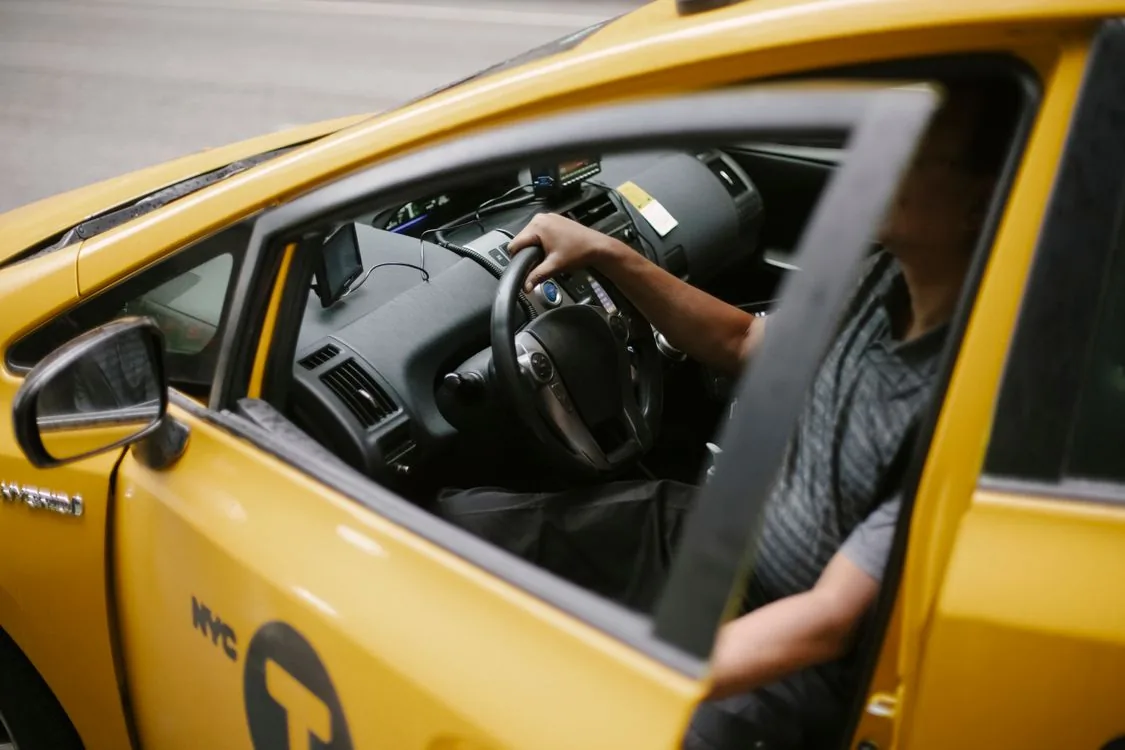
Stick to Uber or 99 after dark — this single habit eliminates the majority of tourist crime risk in Rio at nighttime. Street taxis without meters and walking alone in unfamiliar areas after 10pm are the two most common scenarios where tourists become victims, and both are easily avoided.
Transport breakdown for tourists:
Uber / 99 (always recommended): Available throughout Rio, affordable, lets you share your route with contacts. The in-app record creates accountability. Never accept a ride from a street driver.
Metro: Safe until approximately 10–11pm on Zona Sul lines. Don't use it with luggage or expensive equipment — you're a visible target. After that hour, rideshare.
City buses: Fine on main corridors during daytime for experienced travelers. Don't use them at night, and don't use them with camera bags or laptop backpacks.
Walking: Daytime in Zona Sul on main, populated streets? Fine. After midnight on Copacabana's main drag? Manageable with awareness, phone in your pocket. Anywhere in Centro after 8pm? Don't.
What Changes During Carnival?
Carnival changes Rio's risk profile because the city's most common tourist-facing crime — phone theft — is easier in dense, fast-moving crowds. With 21,423 phone robberies recorded in 2024 (ISP-RJ), blocos create exactly the kind of environment where device snatching and separation from your group become more likely.
If you are looking at bundled holidays or escorted trips during peak season, compare operator claims against our guide to Brazil travel packages before you assume a package removes the underlying Rio tradeoffs.
If you're still deciding whether Carnival is worth the tradeoff, compare these dates against our guide to the best time to travel to Brazil before you book flights or hotels.
Blocos vs. Sambódromo — the practical difference:
Blocos (street parties): The iconic Carnival experience, and the highest-risk environment for tourists. Use a money belt worn under your clothes. Bring a cheap secondary phone or leave yours at the hotel. Wear old clothes — not your nicest outfit.
Sambódromo (parade venue): Ticketed entry with security checks and assigned seating. Far more controlled. This is where you can safely bring your camera.
Carnival-specific checklist:
- Download Brazil Safe Travel before arriving — the app tracks active alert zones by GPS during Carnival
- Write emergency numbers on paper in case your phone is taken
- Go to blocos with at least one other person; never solo
- Keep travel insurance details in your hotel safe, not just on your phone
What Safety Habits and Emergency Steps Matter Most in Rio in 2026?
The most useful Rio safety plan combines prevention and response: lower your exposure before anything happens, and know exactly which authority to contact if it does. With 21,423 phone robberies recorded in Rio in 2024 and the U.S. State Department warning about tourist-targeting crime, the most effective habits are still rideshare after dark, low phone visibility, and fast reporting through DEAT when something goes wrong.
What to Do If Something Goes Wrong in Rio
Report theft to the Delegacia Especial de Apoio ao Turismo (DEAT) — the tourist police — not a regular precinct. DEAT officers are trained for visitor-facing crime, speak English, and file the official Boletim de Ocorrência (BO) report required for insurance claims and consulate assistance (Rio Civil Police), reachable at (21) 2332-2924.
Step-by-step if you're robbed:
- Don't resist — Hand over the phone or wallet immediately. Your safety is worth more than the hardware.
- Move to a lit, public area — Don't stand in the location where it happened.
- Call your bank immediately — Most banks have 24/7 international lines; freeze your cards before the thief tries them.
- Go to DEAT to file the BO — the official report needed for insurance.
- Contact your consulate if your passport was taken.
Emergency contacts — save these now:
| Service | Number |
|---|---|
| Police (Polícia) | 190 |
| Ambulance (SAMU) | 192 |
| Fire Department | 193 |
| Tourist Police (DEAT) | (21) 2332-2924 |
| US Consulate Rio | +55 21 3823-2000 |
| Brazil Safe Travel app | Real-time GPS alerts |
15 Practical Safety Habits for Rio in 2026
Most tourist incidents in Rio are preventable. The Brazil Safe Travel app maps real-time GPS risk zones across every neighborhood — showing active alerts from other travelers before you enter an area. Combining app awareness with these habits puts you well ahead of the average tourist risk exposure.
Before you arrive:
- Download Brazil Safe Travel and check active alerts for your planned neighborhoods
- Buy travel insurance with emergency evacuation coverage — not just medical
- Share your day-by-day itinerary with someone at home
- Email yourself digital copies of your passport, insurance card, and emergency contacts
On the ground: 5. Keep your phone in your pocket or bag — never in your hand walking down the street 6. Use Uber or 99 exclusively — no unlicensed street taxis, no exceptions 7. Use ATMs inside shopping malls or bank branches only — never street-facing machines at night 8. Lock valuables in the hotel safe every day — room theft is underreported 9. Don't wear watches or jewelry on the beach 10. Carry only the cash you need for that day; keep cards locked in the safe 11. Don't walk while navigating on your phone — step inside a shop to check the map, then move
At the beach: 12. Go with at least one other person — don't leave bags unattended while swimming 13. Leave your good phone at the hotel; bring a cheap backup or a waterproof watch instead 14. Avoid the beach after dark — this is when arrastões happen
Emergency preparedness: 15. Save DEAT's number [(21) 2332-2924] and your consulate number in a notes app — you may not have your phone when you need them, so also write them on paper
Two planning questions follow naturally from all of this: how many days Rio actually needs, and whether to add a coastal break — Búzios is the usual candidate, three hours east.
Frequently Asked Questions
These are the Rio safety questions travelers ask most often before booking or arriving. Each answer is designed to stand alone, so you can quickly compare walking safety, safer neighborhoods, female traveler concerns, first-time visitor risk, and current crime context without reading the full guide first.
Is it safe to walk around Rio de Janeiro?
Walking in Zona Sul (Ipanema, Leblon, Copacabana) during daylight is safe for tourists who keep valuables out of sight. After dark, stick to well-lit main streets and avoid walking with your phone in hand. Cell phone robbery is the primary street risk — ISP-RJ recorded 21,423 cases in 2024, a 38% jump from the prior year. Use Uber for any distance after 10pm, even short ones.
What areas should tourists avoid in Rio de Janeiro?
Avoid favela complexes (Complexo da Maré, Rocinha, Complexo da Penha), Centro after business hours, the surroundings of the Rodoviária Novo Rio bus terminal, and the Linha Vermelha expressway on foot after dark. These areas generate the majority of Rio state's 3,504 annual murders (Sinesp, 2024) and are not on any standard tourist route. No guided favela tour changes this safety calculus for independent travel.
Is Copacabana safe for tourists?
Copacabana is safe for tourists during daylight hours. The risk concentrates on the beachfront after dark — particularly between midnight and 6am — when arrastões (organized group theft raids) occur. Keep phones and cameras in your bag on the beach, don't walk the boardwalk alone after midnight, and call Uber rather than walking back to your hotel (ISP-RJ, 2024).
Is Rio de Janeiro safe for female tourists?
Yes, with preparation. Rio's metro operates women-only cars (first car of every train) during peak hours — a legally enforced measure that's rarely mentioned in travel guides. Base yourself in Ipanema or Leblon. Use only app-based transport after dark. Avoid walking alone in Lapa and Santa Teresa at night. Female tourists and solo travelers who follow these habits report safe experiences in Zona Sul consistently (Metro Rio; Brazil Safe Travel user reports).
Rio de Janeiro: is it safe for first-time visitors?
Usually yes, if first-time visitors stay in Zona Sul, avoid visible phones on the street, and use Uber after dark. The biggest mistake new visitors make is assuming all of Rio carries the same risk. It does not. Neighborhood choice changes the experience more than almost any other decision.
What is the crime rate in Rio de Janeiro?
Rio de Janeiro state recorded a homicide rate of 20.35 per 100,000 inhabitants in 2024, down from 21.96 in 2023 — the lowest total since 2015 (Sinesp, Ministry of Justice Brazil, 2025). For comparison, New York City's rate is approximately 5.8/100,000. Property crime is the primary tourist risk: cell phone robberies reached 21,423 cases in 2024 (ISP-RJ, 2024), and 161 kidnappings were recorded — the third-highest total since 2014.
The Honest Bottom Line
Rio de Janeiro is genuinely dangerous by global standards. A murder rate of 20.35 per 100,000, cell phone robberies up 38%, and a US State Department Level 2 advisory with a new kidnapping warning aren't things to brush aside.
They're also not reasons to cancel the trip. The tourist zones of Zona Sul — Ipanema, Leblon, Copacabana, Barra da Tijuca — operate at risk levels that millions of visitors navigate successfully every year. The patterns are predictable. The precautions are learnable. Don't walk with your phone. Use Uber after dark. Stay in Zona Sul. Don't go to the beach at midnight. Get travel insurance.
Rio is worth it — with the right preparation and the right tools.
Download Brazil Safe Travel to see real-time risk zones for every Rio neighborhood before you arrive.