Best Time to Travel to Brazil: Weather & Month Guide 2026

Jump to section

Updated September 2026: the climate figures in this guide are 30-year climatological normals published by Climatempo for Rio de Janeiro, Manaus and Cuiabá; visa rules are from the Brazilian Ministry of Foreign Affairs.
Rio de Janeiro gets 236 mm of rain in January and 37 mm in July, with afternoon highs of 31 °C in summer and 25 °C in winter (Climatempo 30-year normals). Manaus gets 383 mm in March and 115 mm in July (Climatempo). Cuiabá, the gateway to the Pantanal, gets 257 mm in January and 6 mm in July (Climatempo). Those three numbers are the whole argument: Brazil's peak travel season, December to March, is also its wettest, and the "low season" from May to September is the driest and most comfortable across most of the country. Rio, Bahia, the Amazon, Pantanal, Iguazu, and Sao Paulo all follow different timing logic, but the dry-winter pattern underlies all of them.
If you're trying to decide when to travel to Brazil, the shortest honest answer is this: shoulder season is the safest default for most first-time visitors, but the best month depends on whether you care most about beaches, Carnival, wildlife, lower prices, or a specific region.
Most ranking guides stop at weather. That is not enough for a US traveler planning a real trip. The timing of your Brazil trip also affects visa prep, hotel prices, crowd pressure, wildlife visibility, and whether your itinerary feels easy or frustrating.
If you are still choosing where to go before you choose when to go, start with our full Brazil travel guide to compare destination fit, route logic, and planning tradeoffs.
If you are still deciding whether Brazil fits your risk tolerance at all, read our Is Brazil safe? guide before you optimize the calendar.
If your dates depend on whether you are traveling solo, with kids, or with a more profile-specific comfort threshold, read our guide to Brazil safety for solo female travelers, families and LGBTQ+ tourists.
Key Takeaways
- Brazil's peak season, December to March, is also its wettest: Rio averages 236 mm of rain in January against 37 mm in July, and daytime highs drop from 31 °C to 25 °C (Climatempo). April-June and September-November give most travelers the better balance.
- The Amazon's driest stretch is July-October (Manaus: 115 mm in July vs 383 mm in March); the Pantanal's is May-September (Cuiabá: 6 mm in July vs 257 mm in January) (Climatempo, Climatempo). Wildlife viewing follows the water.
- If you're planning around Carnival, New Year's Eve, or June festivals, book earlier and expect bigger crowds and higher prices.
What Is the Best Time to Travel to Brazil Overall?
Brazil's peak season runs from December to March, which is also when Rio records its heaviest rain — 236 mm in January, 169 mm in February, 175 mm in March — against a winter low of 35–38 mm a month from June to August (Climatempo). For most first-time visitors, the best balance comes in shoulder season, especially April-June and September-November, when you get milder weather, fewer crowds, and more flexibility across multiple regions.
The figures are climatological normals, not forecasts: Climatempo, the Brazilian meteorological service that publishes them, describes them as "averages calculated from a 30-year series of observations, which make it possible to identify the wettest and driest, hottest and coldest periods of the year" (Climatempo). Any given January can be dry; on average it is not.
That answer is not as neat as people want, but it is more useful than pretending one month works equally well everywhere. A beach-first Rio trip, a wildlife itinerary in Pantanal, and an Amazon-focused trip do not share the same ideal calendar.
For a quick decision:
- December to March is strongest for beach energy, summer atmosphere, and major events like Carnival and New Year's Eve.
- April to June is often the best all-around window for first-timers who want a smoother trip with fewer price spikes.
- July to September works well for the Amazon and much of the dry-season wildlife logic.
- September to November is another strong shoulder-season window, especially if you want warm weather without peak-season chaos.
The real goal is not choosing the "best month" in the abstract. It is matching the month to your route.
The best mistake to avoid is treating Brazil like a single-weather destination. The right month for Rio beaches is not necessarily the right month for Pantanal wildlife or for a lower-stress first trip that combines Rio, Sao Paulo, and Iguazu.
Brazil Month by Month: Weather, Crowds and Events
In Rio, October-November brings highs of 28 °C (82 °F) and the return of the rain — 105 mm in October, 172 mm in November — while December-March means 30-31 °C (86-88 °F) afternoons and the wettest months of the year (Climatempo). Manaus barely changes temperature at all, holding 29-31 °C highs year-round; what changes is the rain, from 383 mm in March to 115 mm in July (Climatempo). In practice, the best month depends on whether you want beaches, wildlife, lower prices, or major festivals.
Use this month-by-month table as a planning shortcut.
| Month | What It Feels Like | Best For | Tradeoff |
|---|---|---|---|
| January | Hot, busy, peak summer | Beaches, school-holiday trips, Rio energy | High prices and heavy crowds |
| February | Hot and festive | Carnival-focused itineraries | Most expensive and crowded window |
| March | Still summer, often busy early | Beaches and post-Carnival shoulder movement | Weather and crowds vary by date |
| April | Softer shoulder season | First-timers, Southeast circuits, mixed itineraries | Not peak beach party season |
| May | Cooler and easier | Lower-stress planning, cities, lower crowds | Some beach destinations feel quieter |
| June | Good shoulder month plus major festivals | Northeast culture, balanced itineraries | Event-driven crowd spikes in specific cities |
| July | Cooler in the south/southeast, drier in parts of Brazil | Amazon access, school-break travel, wildlife planning | Holiday demand can still lift prices |
| August | Dry-season advantage for wildlife | Pantanal, nature trips, shoulder routes | Less classic beach atmosphere |
| September | Warm shoulder season | Rio, Sao Paulo, Paraty, balanced weather | Some regions are still transitioning |
| October | Strong transition month | Southeast travel, lower crowd pressure | Rain patterns begin shifting |
| November | Warm, often flexible | Pre-peak travel, mixed-region itineraries | Early seasonal rains can begin in some areas |
| December | High-energy summer peak | Beaches, holidays, New Year's Eve | Prices rise sharply and booking pressure is intense |
The main reason shoulder season wins for many readers is that it reduces the number of tradeoffs. You are less likely to hit the most expensive hotel windows, the heaviest event crowds, and the hottest coastal conditions all at once.
Which Region of Brazil Is Best in Each Season?
Southeast Brazil is especially strong in April-June and September-November, while the Amazon is driest from July to October and the Pantanal from May to September (Climatempo, Climatempo). Region matters more than countrywide averages because Brazil's best travel window shifts dramatically from one ecosystem to another.
If you are building a multi-stop itinerary, this is the section that should drive your dates.
| Region | Best Window | Best For | What to Watch |
|---|---|---|---|
| Rio / Southeast | Apr-Jun and Sep-Nov | First trips, city + coast balance, milder weather | Peak season is pricier and busier |
| Bahia / Northeast | Broadly warm much of the year | Beaches, culture, coastal trips | Event and holiday spikes change price logic |
| Amazon | Jul-Dec | Better river and trail access in drier periods | Conditions vary by local route |
| Pantanal | Apr-Oct, especially Aug | Wildlife viewing and drier conditions | Wet periods reduce viewing ease |
| Iguazu | Shoulder months often feel smoother | Major sight with fewer extremes | Peak holiday demand still affects experience |
| Sao Paulo / Paraty | Apr-Jun and Sep-Nov | Mixed urban and regional itineraries | Summer holiday peaks add friction |
If you are searching best time of year to travel to brazil, this region-by-region view is usually more useful than one countrywide answer. The best time to visit brazil rio or best time to visit brazil rio de janeiro is often April-June or September-November, while the best time to visit brazil amazon is usually July-December and the best time to visit pantanal brazil is generally April-October.
Quick regional answers for exact destination searches:
- The
best time to visit bahia brazilis often shoulder season or early summer, depending on whether you want beaches, festivals, or lower crowd pressure. - The
best time to visit bonito brazilis usually the drier months when water clarity is strongest and outdoor access is easier. - The
best time to visit iguazu falls brazilis often shoulder season, when you get a smoother balance of weather and crowd levels. - The
best time to visit paraty brazilis usually April-June or September-November if you want a lower-stress coastal and colonial-town trip. - The
best time to visit salvador braziloften overlaps with Bahia's broader shoulder-season sweet spot, unless Carnival or summer beach energy is the point. - The
best time to visit sao paulo brazilis usually April-June or September-November for easier city travel and milder conditions. - The
best time to visit manaus brazilis generally tied to the Amazon's drier logic, which usually makes July-December the stronger planning window. - The
best time to visit florianopolis brazildepends more on beach goals, with summer strongest for atmosphere and shoulder months easier for logistics. - The
best time to visit fortaleza brazilcan work across much of the year, but shoulder periods are often easier if you want warmth without peak-holiday pressure.
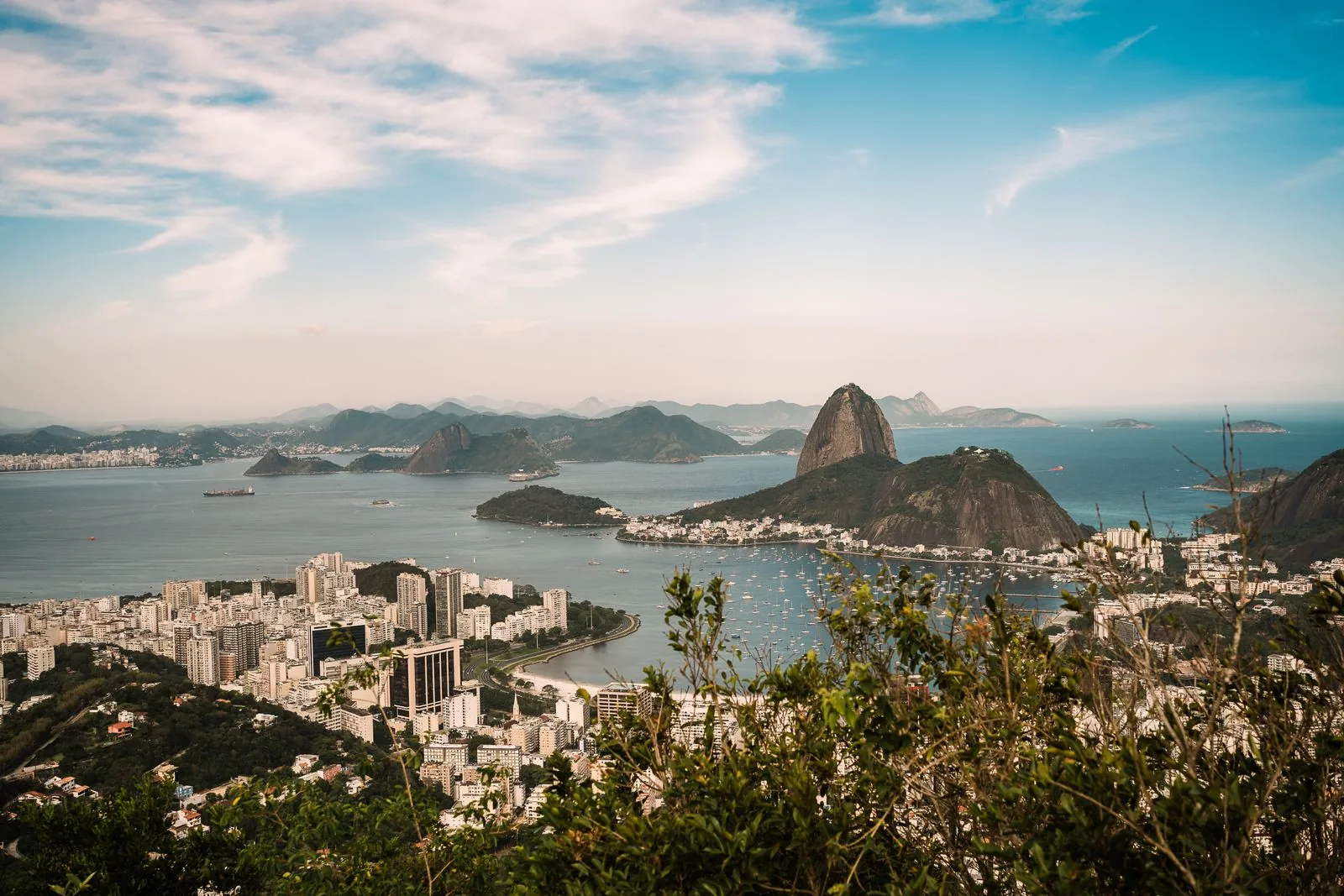
For the Southeast, this is the easiest region for broad first-time advice. Rio, Sao Paulo, and Paraty often make the most sense in April-June or September-November because you get a more forgiving mix of weather, pricing, and crowd pressure.
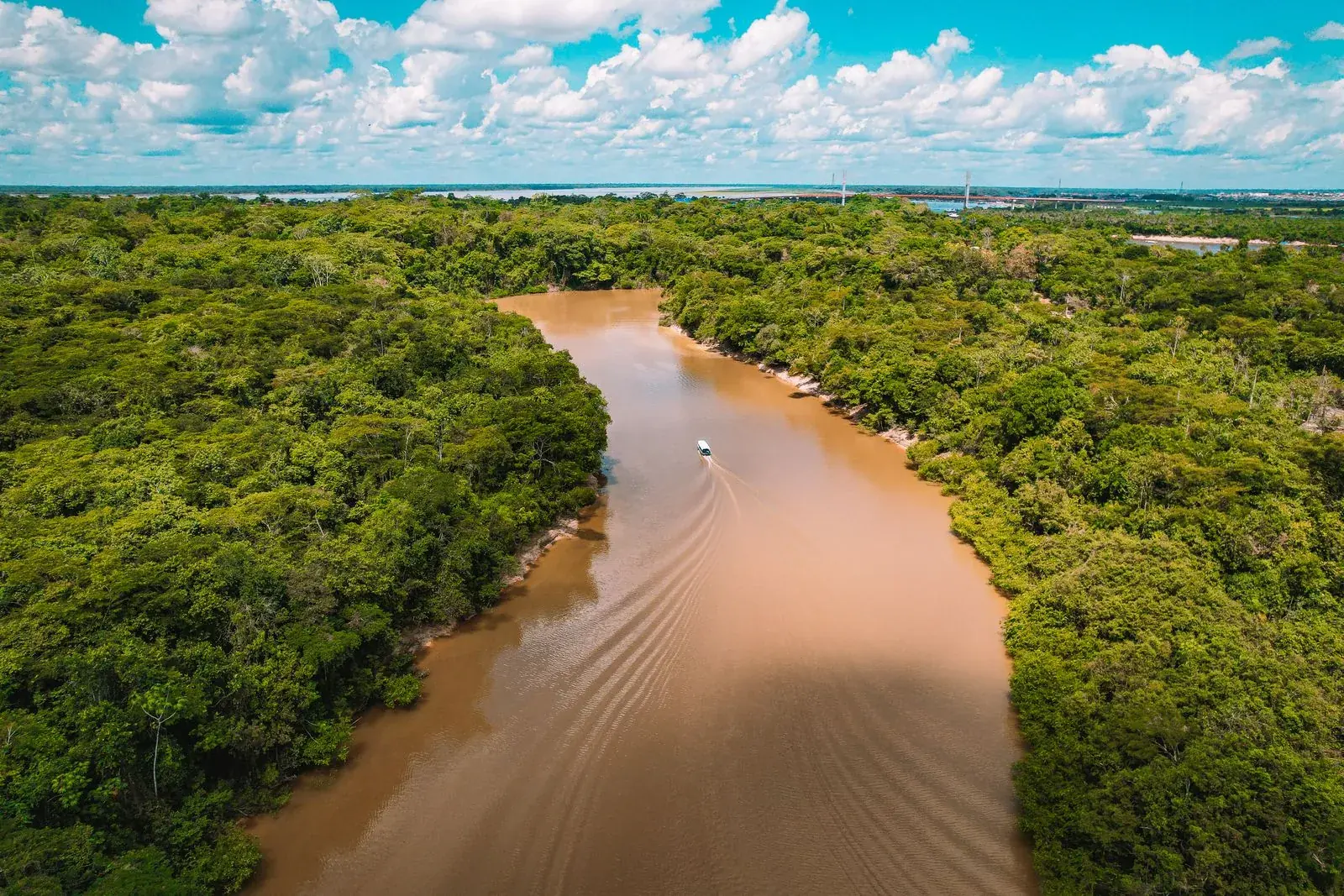
For the Amazon, the logic is different. Manaus averages 2,852 mm of rain a year, and the driest stretch is July to October, bottoming out at 115 mm in July against 383 mm in March (Climatempo). Temperature is not the variable — highs sit at 29-31 °C every month — the river level is. Low water from August to October exposes beaches and trails; high water from April to June floods the forest and moves everything onto boats. Neither is wrong; they are different trips.
For Pantanal, the calendar is the sharpest in Brazil. Cuiabá, the northern gateway, averages 257 mm of rain in January and 6 mm in July (Climatempo) — a wet season that floods the plain and a dry season that empties it. As the water retreats from May to September, animals concentrate around the remaining pools and the grass thins, which is why July-September is the jaguar-spotting window and August the most reliable single month. From November the rains return and much of the road network closes.

If you are planning one single route and do not want to over-engineer the calendar, the simplest rule is this: build your dates around the hardest region to time, not the easiest one. Pantanal and the Amazon usually deserve to set the schedule. Rio and Sao Paulo are easier to plug in around them.
If Rio is part of your route, read our full Rio de Janeiro safety guide before locking in Carnival or peak-summer dates.
When Should You Visit Brazil for Carnival, New Year's Eve and Festivals?
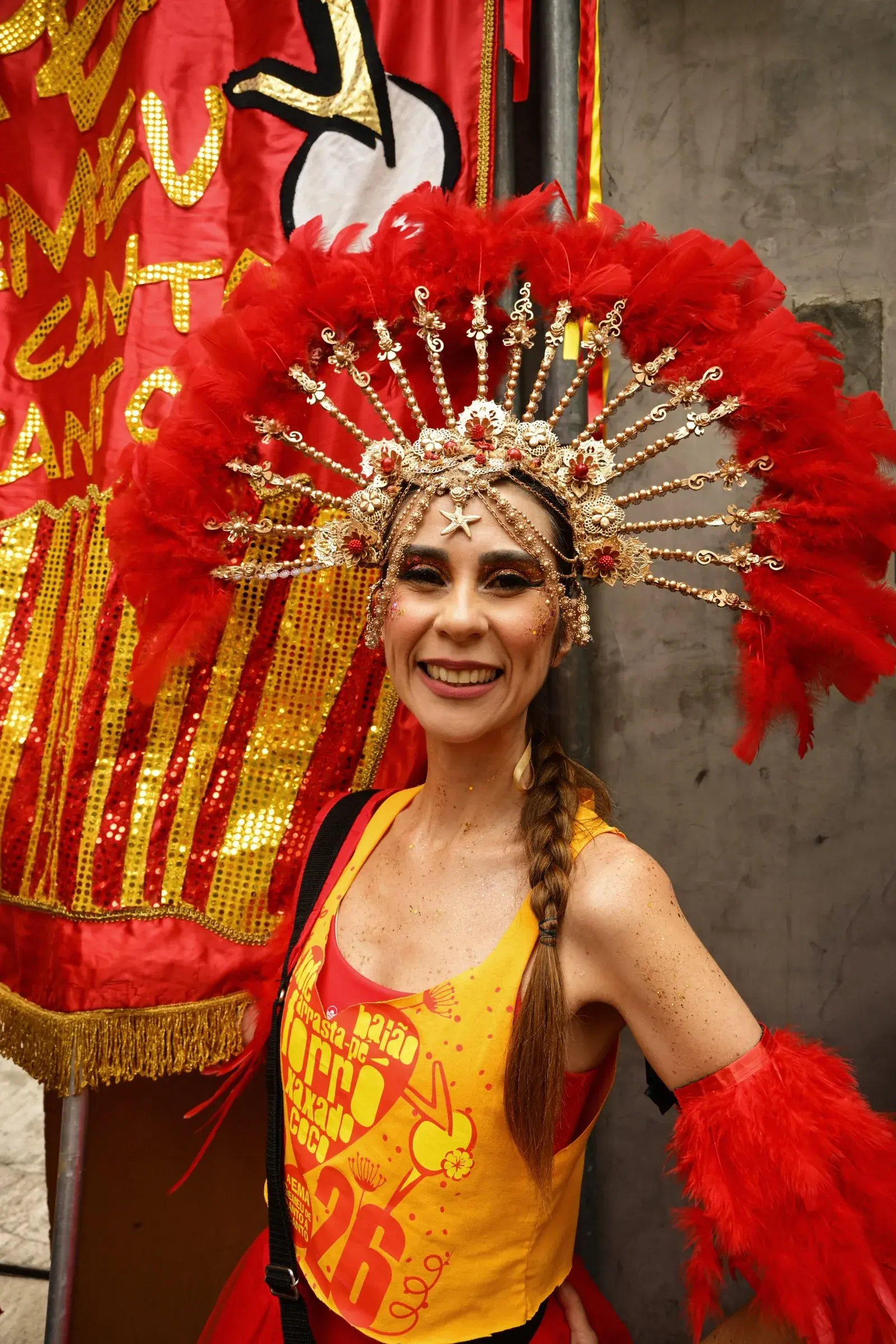
Brazil's biggest event windows are exciting but expensive. Carnival usually falls in February or early March before Ash Wednesday, Rio Carnival attracts more than 1 million visitors each year, and June festivals in the Northeast generated an estimated R$7.4 billion in projected economic impact in 2025 (RioCarnaval, 2026; Brazil Ministry of Tourism, 2026). If you travel for events, you should expect more competition for rooms, flights, and logistics.
For Carnival, go in February or early March if the event itself is the point of the trip. That is the right answer if you want Rio at full intensity. It is not the right answer if you want an easier, cheaper, lower-friction introduction to Brazil.
For New Year's Eve, Rio remains one of the country's biggest magnets, especially around Copacabana. The event is memorable, but that also means tighter hotel inventory, higher rates, and a bigger need to book early.
For June festivals, many international travelers still overlook the Northeast. That is a mistake. The Ministry of Tourism says the 2025 June festival economy was projected at about R$7.4 billion, with Campina Grande drawing 3.2 million people and Caruaru projecting around 4 million. That makes June a real seasonal travel decision point, not a minor footnote.
Use event timing like this:
- Choose Carnival if you want Brazil at maximum energy and can accept high crowds and high prices.
- Choose June if you want a festival trip with strong cultural payoff outside the usual Carnival frame.
- Avoid major event windows if your main goal is a smoother first trip with better hotel and transport flexibility.
What Is the Best Time to Visit Brazil by Traveler Type?
The best time to visit Brazil depends on what kind of traveler you are. Shoulder season is often best for first-timers, beach-focused travelers usually lean toward summer, and wildlife travelers should prioritize the dry windows that improve access and animal spotting (see the regional dry windows above).
Here is the fastest decision breakdown.
First-time visitors
If this is your first Brazil trip, April-June or September-November is usually the best call. Those windows are forgiving. You are less likely to collide with the biggest holiday surges, and it is easier to combine places like Rio, Sao Paulo, Paraty, or Iguazu without the trip feeling over-pressured.
Beach travelers
If beaches are the whole point, summer still wins. December-March gives you the classic high-energy coast experience. Just be honest that you are trading calmer logistics for atmosphere, heat, and crowd intensity.
Wildlife travelers
If you care most about wildlife, design the whole trip around the Pantanal or the Amazon, not around coastal convenience. Pantanal's April-October window and August emphasis are more important than broad countrywide timing rules.
Budget travelers
If your goal is value, avoid the peak holiday rhythm of December-March and the most famous event dates. Shoulder months usually create a better balance of price and comfort, even when they are not the single hottest or most photogenic dates on the calendar.
Families and lower-stress planners
If you want a smoother, less chaotic trip, shoulder season is again the best general answer. You still get warm-weather destinations, but with fewer of the pressure points that make Brazil feel harder to plan than it needs to.
What US Travelers Should Plan Before Choosing Their Dates?
US travelers now need to think about more than weather because the visa-free arrangement ended on April 10, 2025, the Brazil eVisa may take up to 10 business days to process, and the fee is about US$80.90 (VFS eVisa, 2026). That means your travel month affects paperwork timing, booking pressure, and how much margin you need before departure.
The most common planning mistake is choosing dates first and only then thinking about paperwork. For Brazil, that is backwards.
If you are pricing bundled trips, compare these seasonal tradeoffs against our guide to Brazil travel packages before you book around peak-demand windows.
Use this planning checklist before committing to flights:
- Check if your dates overlap with Carnival or New Year's Eve. If they do, book earlier and expect higher rates.
- Build in eVisa lead time. Do not assume a last-minute application is harmless.
- Decide whether your route is coastal, wildlife-led, or mixed. The best month for Rio is not automatically the best month for the Amazon.
- Price flights and hotels before emotionally committing to peak dates. Event windows can change trip math quickly.
- Add safety context to timing decisions. Peak-event travel often brings more crowd pressure, which changes how you move through Rio and other cities.
One of the easiest ways to improve a Brazil itinerary is to ask a planning question earlier: "Do I want the most famous version of Brazil, or the easiest version of Brazil?" Those are not always the same dates.
So When Is the Best Time to Go to Brazil?
If you want one default recommendation, shoulder season is still the strongest answer for most travelers. Brazil's peak season falls in December-March, when Rio's rainfall runs five to six times its winter level, which is exactly why April-June and September-November usually give you a more balanced alternative, while Amazon and Pantanal trips should still follow their own dry-season logic.
That is the real conclusion: there is no single best month for Brazil. There is only the best month for your route, your budget, and your trip style.
Use these quick rules:
- Choose Dec-Mar for beaches, summer atmosphere, and Carnival or New Year's Eve.
- Choose Apr-Jun for the easiest all-around first trip.
- Choose Jul-Dec for stronger Amazon timing.
- Choose Apr-Oct, especially Aug, for Pantanal wildlife.
- Choose shoulder season if you want the safest default with fewer trip-planning headaches.
Brazil's broad peak season still runs from December to March, but that matters less than matching your dates to the region you actually want to see. That is why a better planning question is not "What is the best month for Brazil?" but "What is the best month for my Brazil itinerary?"
Frequently Asked Questions
These are the most common timing questions travelers ask before booking Brazil. Brazil's December-March peak season and region-specific dry windows create very different answers depending on your route (Climatempo climatological normals). Each answer below is designed to stand alone, so you can compare weather, crowds, and regional fit quickly.
What is the best month to visit Brazil?
For most travelers, the best months to visit Brazil are in shoulder season, especially April-June and September-November. These periods usually offer a better balance of weather, crowd levels, and pricing than the December-March peak season, while still working well for multi-stop itineraries across the Southeast and other major regions.
Is Brazil better in December or July?
It depends on your trip style. December is better for beaches, summer atmosphere, and holiday travel, but it also brings heavier crowds and higher prices. July works better for parts of the Amazon and for travelers who want to avoid the hottest coastal summer period.
When is the cheapest time to go to Brazil?
The cheapest time is usually outside the biggest holiday and event windows, especially away from December-March and major Carnival dates. Shoulder season often gives the best value because it avoids the sharpest demand spikes while still delivering good conditions for first-time travelers.
When is the best time to visit Rio de Janeiro?
For many first-time visitors, Rio is easiest in April-June and September-November because the city is generally more manageable than during peak summer and Carnival. If you want beach energy, New Year's Eve, or Carnival, then December-March becomes the better fit, but with more crowd and price pressure.
When is the best time to visit the Amazon and Pantanal?
The Amazon is generally stronger in the drier period from July to December, while Pantanal is best from April to October, with August often highlighted as especially good for wildlife spotting. These regions should set the calendar if nature is the main point of your trip.
Do US travelers need extra time for a Brazil eVisa?
Yes. The visa-free arrangement for US citizens ended in April 2025, and Brazil's eVisa may take up to 10 business days to process, according to VFS. That means timing your application early is part of choosing your travel dates, not something to leave until the last moment.
The Bottom Line: Brazil rewards travelers who choose dates strategically. If you want the broadest, easiest recommendation, go in shoulder season. If you want beaches and major events, go in summer. If you want wildlife, let the Amazon and Pantanal calendars lead. Before you book, pair this route-planning advice with more Brazil travel guides so timing and on-the-ground context work together.