Is Brazil Safe? The 2026 Data, City by City

Jump to section
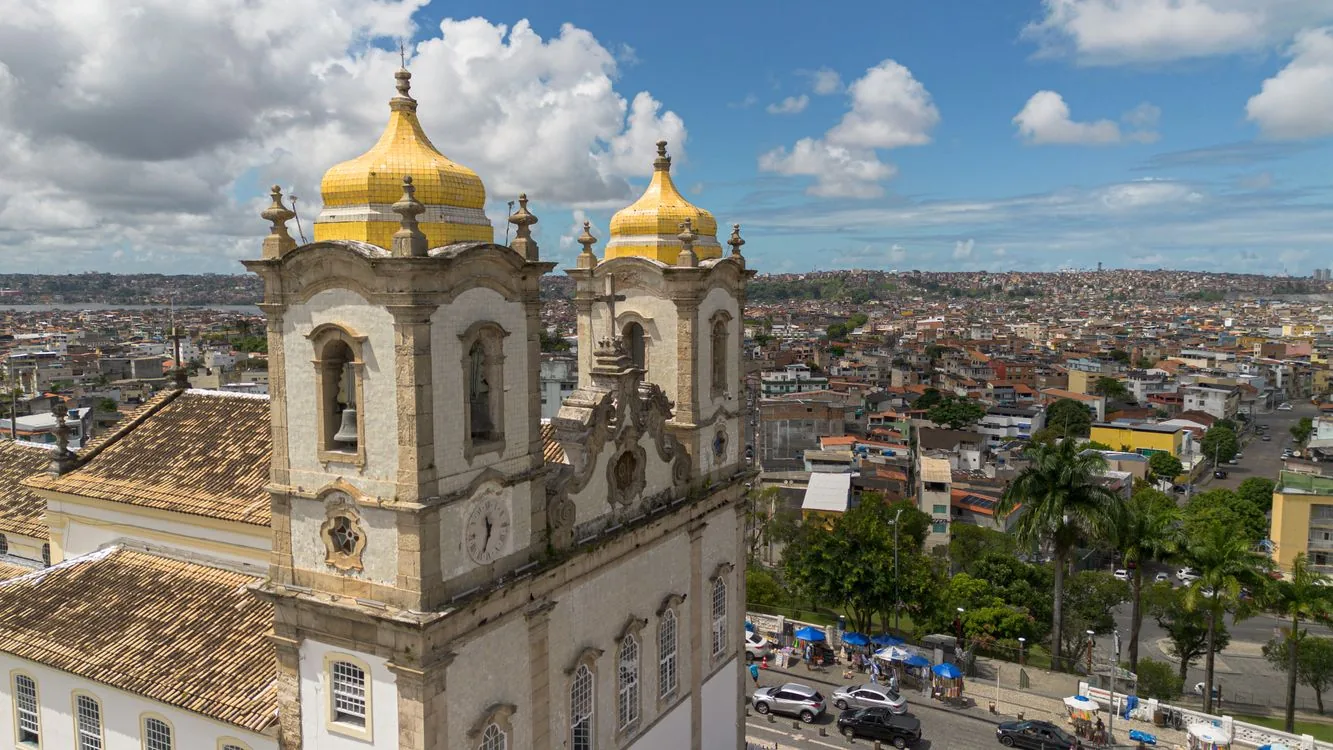
Salvador, BA, Brazil
Updated August 2026: the homicide rates below were re-checked against ISP-RJ, SSP-SP and the Atlas da Violência 2026 for this revision; advisory levels against the U.S. Embassy and CDC.
Is Brazil safe? For most tourists, yes — but the country-level answer hides a tenfold spread. Salvador's homicide rate is 52.7 per 100,000 residents (Atlas da Violência 2026, using 2024 data). São Paulo's is 5.46 per 100,000 (SSP-SP, 2025). Both are Brazil, and both are ordinary tourist destinations. The national average of 19.1 per 100,000 recorded in the 20th Brazilian Public Security Yearbook (Fórum Brasileiro de Segurança Pública, 2025) describes neither.
That spread is the number that should shape your trip — not the advisory level. The U.S. Embassy in Brazil points travelers to a Level 2 framework while CDC's Brazil traveler page sits at Level 1 for health precautions (U.S. Embassy & Consulates in Brazil, 2026; CDC Travelers' Health: Brazil, 2026). Those two signals are not contradictory: they are what a country-level rating looks like when the country contains a tenfold range. Which city you pick, and how you move inside it, decides more than the rating does.
That is what this guide is for. It explains what “safe” actually means in Brazil for tourists, where regional variation matters most, what kinds of crime and health risks travelers should plan for, and which habits lower exposure before anything goes wrong.
If you are still choosing where to go before you decide how cautious to be, start with our full Brazil travel guide to compare destinations, route logic, and trip fit.
Key Takeaways
- The national homicide rate is 19.1 per 100,000 (FBSP, 2025), but São Paulo is 5.46 and Salvador 52.7 — a tenfold spread inside one country.
- Rio de Janeiro sits at 20.35 per 100,000 (ISP-RJ, 2024), close to the national average and well below Salvador, despite carrying the worst reputation.
- The U.S. advisory is Level 2 while CDC health guidance is Level 1 — not a contradiction, but what a single country rating looks like across that range.
- The best protection is not broad fear. It is better route choice, better transport habits, and stronger pre-trip preparation.
Is Brazil Safe for Tourists in 2026?
Yes, for most tourists — with the caveat that the country number is the least useful figure available. Brazil recorded 40,775 violent deaths in the 20th Brazilian Public Security Yearbook (FBSP, 2025), a rate of 19.1 per 100,000. But the cities tourists actually visit sit far apart on that scale: Rio de Janeiro at 20.35 per 100,000 (ISP-RJ, 2024), São Paulo at 5.46 (SSP-SP, 2025), Salvador at 52.7 (Atlas da Violência 2026, 2024 data). São Paulo is lower than several large US cities. Salvador is nearly ten times São Paulo.
None of those rates describe tourist risk directly — homicide is concentrated in populations and neighbourhoods visitors are not in. What they do describe is how much the answer changes with a single planning decision. A first trip through Rio, São Paulo and Iguaçu Falls is not the same safety decision as nightlife-heavy travel during Carnival, a self-directed Amazon route, or a multi-city itinerary with frequent night arrivals.
The strongest working summary is this: Brazil is manageable for prepared travelers, but the margin for sloppy planning is lower than in easier tourist destinations.
What “Safe” Actually Means in Brazil
For tourists, “safe” in Brazil usually means something narrower than the country headlines suggest. CDC's 2026 Yellow Book says Brazil has about 203 million people and that roughly 85% of the population lives in urban areas, while World Bank data places the urban share even higher, at about 87.9% in 2024. That matters because most international travel exposure in Brazil is urban exposure, not abstract national exposure. In practical terms, tourists are more likely to face issues like petty theft, phone visibility, transport mistakes, event crowds, or health-prep gaps than the kind of generalized danger implied by dramatic country-level discourse for a route that is mostly city-based and heavily tourist-facing (CDC Yellow Book: Brazil, 2025; World Bank, 2024).
That is why “Is Brazil safe?” is both a useful and incomplete question. It is useful because the traveler is right to pause and ask. It is incomplete because the answer depends on what kind of trip you are actually taking.
For most tourists, the main safety layers are:
- Urban safety: theft, phone snatching, distraction scams, nightlife exits, and transport behavior
- Crowd safety: New Year's Eve, Carnival, festivals, terminals, beaches, and nightlife zones
- Health safety: dengue, yellow fever planning, malaria geography, food and water judgment, and heat exposure
- Transport safety: airport exits, rideshare habits, highway logic, and crash exposure
The biggest content gap on this topic is that many guides treat safety as a crime-only question. For tourists in Brazil, that is too small. A badly timed transfer, zero dengue prep, or a careless nightlife exit can matter more than a generic fear of “crime in Brazil.”
Is Brazil Safer in Some Regions Than Others?
Regional variation in Brazil is large enough that countrywide safety averages can be actively misleading. CDC's Brazil guidance flags tourist pickpocketing and personal-safety concerns in heavily visited cities such as Rio de Janeiro, São Paulo, and Salvador, which immediately shows that the tourist-facing experience is concentrated in specific urban environments rather than spread evenly across the country. At the same time, a nature-led trip in the Amazon or Pantanal shifts the safety conversation away from nightlife and toward logistics, health prep, remoteness, and medical access. In other words, Brazil is not one safety environment. It is several travel environments sharing one national label, and that is exactly why route design changes the answer more than country reputation does. What feels manageable in a city-hotel-airport corridor may not feel manageable on a remote or multi-stop route.
If your trip is likely to use São Paulo as the main gateway or urban base, read our dedicated Sao Paulo safety guide for district choice, Metro habits, airport-transfer logic, and night-movement tradeoffs. For Northeast cities, our Recife safety guide covers Boa Viagem, shark warnings, and rainy-season planning specific to Pernambuco. For Bahia, our Salvador safety guide covers the Pelourinho tourist corridor, Carnival safety, and the abadá system that most safety guides miss.
The most useful country-level answer is therefore regional:
| Region / Route Type | Typical Tourist Safety Pattern | What Matters Most |
|---|---|---|
| Rio / Southeast gateways | Strong tourism infrastructure but more visible urban theft risk | phones, rideshare, nightlife exits, neighborhood choice |
| São Paulo | Better gateway logic and urban predictability for many travelers | transport habits, business-district timing, station awareness |
| Salvador / Northeast capitals | Culture-heavy and rewarding, but still city-specific in risk | old-town timing, scam awareness, event pressure |
| Iguaçu and mainstream landmark routes | More controlled tourist logic | transfers, border planning, health prep |
| Amazon itineraries | Different risk profile from city travel | malaria geography, remoteness, boat/logistics planning |
| Pantanal / wildlife routes | Lower street-crime emphasis, higher environmental/logistical planning need | season, wildlife access, transport and medical contingency |
A more robust reading of Brazil safety starts by separating urban gateway trips from nature-heavy itineraries.
If your itinerary includes Rio, read the full Rio de Janeiro safety guide because city-level movement matters much more there than broad country framing. If you are still deciding where to go, use our Brazil travel guide to compare route fit before you assume the same safety logic applies everywhere.
How Does Brazil Compare With Other South American Destinations?
Brazil is neither the easiest nor the hardest country in South America for tourists. It is simply harder to summarize because the country is continental in scale, overwhelmingly urban in where most visitors actually spend time, and highly uneven in how travel stress appears from one route to another. CDC's Brazil profile notes that around 85% of the population lives in urban areas, and World Bank data pushes that even closer to 88%, which helps explain why tourist safety in Brazil is often really a question about large, complex cities rather than countrywide wilderness risk or border instability. That makes broad comparison harder, but it also makes route design more valuable than simplistic country ranking logic or recycled countrywide labels.
That means Brazil often feels less predictable than compact, single-city or single-circuit destinations in the region. But it also means the right route can feel much easier than the country's reputation suggests.
The practical comparison logic is:
- Brazil is usually harder than a very compact first-time destination because the distances are larger and the trip-planning friction is higher.
- Brazil is often easier than the headlines imply when the trip stays selective and the tourist bases are strong.
- Brazil becomes much harder than average when travelers combine weak timing, weak transport habits, nightlife-heavy movement, and low health preparation.
This is why a country-level yes/no answer usually underperforms a route-level safety answer.
Tourist Crime and Scams in Brazil
For tourists, Brazil's most relevant safety risks are usually petty theft, pickpocketing, phone exposure, and crowd-based opportunism rather than constant violent-crime encounters. CDC's Brazil guidance specifically warns that pickpocketing and petty crimes are common in many urban centers and tourist areas, including beaches and nightclubs, and it separately highlights tourist personal-safety concerns in destinations such as Rio de Janeiro, São Paulo, and Salvador. That is the core point many broad guides miss: the tourist-facing risk profile is usually shaped by visibility, distraction, timing, and transport behavior far more than by national fear alone, especially in the cities where international visitors are most concentrated and most exposed to repeated everyday theft patterns. For most visitors, the highest-probability risk is not dramatic violence but an avoidable theft or bad movement decision.
The most common tourist-facing patterns include:
- Phone theft and snatching: especially in urban beachfront or nightlife corridors
- Distraction scams: a conversation, spill, or crowd moment used to create a pickpocketing window
- Taxi and cash pressure: overcharging, bad routing, or unlicensed transport
- Drink-spiking or nightlife vulnerability: most relevant in party areas and late exits
- Crowd opportunism: festivals, terminals, beach events, or dense urban tourism zones
Rio is the clearest example of how this works in practice, which is why our full Rio de Janeiro safety guide goes much deeper into phone theft, neighborhood choice, nightlife exits, and event-specific risk.
CDC also notes that Rio New Year's Eve draws more than 1 million people a year and that about one-third are tourists, which makes it a useful case study in how crowd pressure changes the safety conversation. A destination can be highly visitable and still become materially less forgiving during peak event density.
The strongest reading here is not “Brazil is too dangerous.” It is “tourists do better when they plan for visible, ordinary, repeatable risks instead of waiting for drama.”
What Health Risks Should Tourists Plan for in Brazil?
Health preparation is one of the most under-covered parts of Brazil safety, and in 2025 it became impossible to ignore. CDC's Brazil guidance says the country reported 5.9 million dengue cases in 2025, making dengue the country's most common arboviral disease. The same CDC guidance also notes that malaria is endemic in eight states that account for 99% of Brazil's malaria cases, while there is no malaria transmission in Brasília, Rio de Janeiro, São Paulo, or Iguaçu Falls. That is why Brazil health prep should be route-specific, not country-generic, because a mainstream city itinerary and a remote nature route do not carry the same disease logic, vaccine decisions, or mosquito-risk profile. The safest planning move is to decide by actual itinerary, not by a generic idea of what “travel to Brazil” means.
The second major misconception is yellow fever. Brazil does not require proof of yellow fever vaccination for entry, but CDC recommends the vaccine for many itineraries, including Rio de Janeiro state, São Paulo state, Brasília, and Iguaçu Falls. That means “not required for entry” does not mean “irrelevant for planning.” It means the traveler still has to decide based on where they are actually going.
Brazilian Ministry of Health guidance tells travelers to see a doctor four to eight weeks before travel, while CDC advises at least one month before departure. That timing is part of safety, not an optional administrative extra.
| Route Type | Main Health Planning Question | What Usually Matters Most |
|---|---|---|
| Rio / São Paulo / Iguaçu first trip | Dengue and yellow fever planning | mosquito prevention, vaccine timing, doctor visit |
| Amazon-focused route | Malaria geography and remoteness | prophylaxis decisions, medical access, heat and hydration |
| Pantanal / nature-heavy route | Season, insects, access, and exposure | dry-season planning, bites, transfers, medical margin |
| Mixed urban + nature route | Whether the city logic and nature logic conflict | itinerary sequencing and pre-trip doctor timing |
Health safety in Brazil is route-specific, not just country-specific, especially once dengue, yellow fever, and malaria geography enter the planning logic.
If you are building your route around seasonal pressure and health timing, pair this with our best time to travel to Brazil guide before you lock the calendar.
Is Brazil Safe for American Tourists, Solo Women, Families and LGBTQ+ Travelers?
Brazil can work well for American tourists, solo women, families, and LGBTQ+ travelers, but the practical safety answer changes by profile, destination, time of day, and movement style. The official baseline still matters here: the U.S. Embassy points travelers toward a Level 2 caution framework for Brazil, while CDC's current health posture is Level 1, which means most traveler profiles are not facing a universal no-go answer so much as a planning problem that changes by route and behavior. For Americans, the biggest difference is often expectation-setting: many U.S. travelers assume the main risk question is legal entry, when in reality the bigger questions are usually transport, night movement, visible valuables, and whether the itinerary mixes urban intensity with weak preparation. For women and solo travelers, the planning question is often less about whether Brazil is categorically unsafe and more about whether the trip uses safer bases, controlled exits, and app-based transport after dark. For families, the issue is usually friction management rather than thrill-seeking.
The most useful country-level advice by traveler type is:
- American tourists: treat Brazil as a planning-intensive trip, not a casual extension
- Solo female travelers: use stronger nighttime transport rules and better base selection
- Families: prioritize simplicity, daylight movement, and lower-friction itineraries
- LGBTQ+ travelers: lean on city-specific venue and neighborhood judgment, not broad labels
This is one reason the dedicated spoke on traveler profiles matters so much. A country-level guide can orient the traveler, but profile-specific advice usually needs its own page. For that, read our full Brazil safety guide for solo female travelers, families and LGBTQ+ tourists.
Brazil Safety Habits That Matter Most
For most tourists, a short list of movement habits does more to reduce real-world risk in Brazil than broad fear ever will. CDC's Yellow Book notes that motor vehicle crashes are a leading cause of injury and death among U.S. travelers in Brazil, which is a useful reminder that transport decisions belong in the same safety conversation as theft and scams. In practice, safer Brazil travel usually comes from fewer bad transitions: fewer street-side decisions, fewer visible devices, fewer late-night improvisations, and fewer route assumptions left untested. The point is not to behave nervously all the time. It is to remove the predictable mistakes that make Brazilian cities less forgiving for visitors and make complex routes harder than they need to be.
Use this checklist as the country-level default:
- Keep your phone out of your hand while walking in dense urban areas.
- Use Uber or licensed app-based transport after dark.
- Avoid treating airport exits, bus terminals, and nightlife exits as casual transitions.
- Use ATMs inside malls, banks, or controlled spaces rather than street-facing machines.
- Do not assume the same neighborhood logic applies across all Brazilian cities.
- Book simpler routes if this is your first Brazil trip.
- Plan dengue prevention before departure, not after arrival.
- Check yellow fever and malaria logic by route, not by rumor.
- Keep copies of key travel documents and insurance details outside your main phone.
- Build extra margin around event-heavy dates and night arrivals.
- Avoid overloading the itinerary with too many cities just because flights exist.
- If something feels too improvised, simplify it rather than “testing” the city.
The safest first Brazil trips are usually the least overbuilt ones. Travelers get into trouble less often when they remove friction from the itinerary itself: fewer night transfers, fewer weak hotel areas, fewer last-minute transport decisions, and fewer peak-event assumptions.
If you want the financial-protection side of this question, read our travel insurance for Brazil guide too. Insurance and safer movement are different layers of the same planning problem.
Which Brazil Safety Guides Should You Read Next?
The country-level answer is only useful if it hands you into the right next question. A broad search like is brazil safe should help you decide whether Brazil is plausible for your trip, but it should not pretend one page can resolve neighborhood-level, timing-level, and profile-level planning on its own. Brazil welcomed 6.77 million international visitors in 2024, which is another reason country-level content alone is not enough: too many travelers, routes, and risk patterns sit under one broad query. The right next guide depends on what kind of trip you are actually building, and that is exactly why this page functions best as a hub rather than as a standalone final answer.
Use this handoff logic:
- Going to Rio? Start with the Rio de Janeiro safety guide
- Need a profile-specific answer? Read Brazil safety for solo female travelers, families and LGBTQ+ tourists
- Still deciding the route? Use the Brazil travel guide
- Choosing your season? Read best time to travel to Brazil
- Comparing structured itineraries? See Brazil travel packages
- Thinking about medical and cancellation risk? Read travel insurance for Brazil
- Need entry clarity first? Use Brazil visa rules for Americans
That is how this pillar should work: broad enough to answer the head term, but structured enough to move the reader into the exact spoke that matches the trip they are actually taking.
Frequently Asked Questions
These are the most common country-level safety questions travelers ask before they decide whether Brazil belongs on the itinerary at all. They matter because broad safety queries usually hide more specific planning doubts about cities, health prep, transport, and traveler profile. The U.S. advisory posture for Brazil still points to Level 2 caution, while CDC's current travel-health page is at Level 1, so the questions below are best read as operational follow-ups to that mixed but manageable picture rather than as a simple yes-or-no checklist.
Is Brazil safe for American tourists?
For many Americans, yes, but it depends heavily on route design and movement habits. Brazil is not the kind of trip that rewards casual assumptions, especially in large cities or event-heavy periods.
Is Brazil safer than the headlines suggest?
Often, yes for well-planned tourist routes. Headlines flatten regional variation, while real tourist experience is shaped more by cities, neighborhoods, timing, and behavior.
What are the safest places to visit in Brazil?
There is no single safest answer, but mainstream routes with strong tourism infrastructure are usually easier for first-timers than loosely planned urban-nightlife or remote logistics-heavy trips. Safer usually means more predictable, not necessarily more famous.
Is Brazil safe for solo female travelers?
It can be, especially with better base selection and stricter night-transport habits. Solo female travelers generally do better when they reduce improvisation after dark and avoid weak transitions between venues, streets, and hotels.
Do tourists need vaccines for Brazil?
Many routes should trigger a travel-health conversation before departure. Brazil does not require proof of yellow fever vaccination for entry, but CDC recommends it for many itineraries, and dengue planning now matters across a much broader share of trips.
Is Brazil safe at night?
It depends strongly on the city, neighborhood, and how you move. Nighttime raises the cost of bad transport choices and weak route awareness much faster than daytime does.
What should I avoid doing in Brazil as a tourist?
Avoid visible phones in dense urban areas, weak nightlife exits, unverified transport, and overbuilt first-time itineraries. In Brazil, friction creates exposure.
Brazil is safe enough for many tourists, but only if you stop asking the wrong version of the question. The better question is not “Is Brazil safe?” in the abstract. It is “What kind of Brazil trip am I building, and where does the real risk sit in that trip?” Once you ask it that way, the answer becomes more useful. Safer neighborhoods, better transport habits, better timing, stronger health prep, and a simpler route usually matter more than broad fear. For the next step, continue with the spoke that matches your trip: Rio safety, Brazil travel planning, or Brazil Safe Travel for route and risk context on the ground.