Is São Paulo Safe in 2026? Areas, Metro, GRU & Night Rules

Jump to section
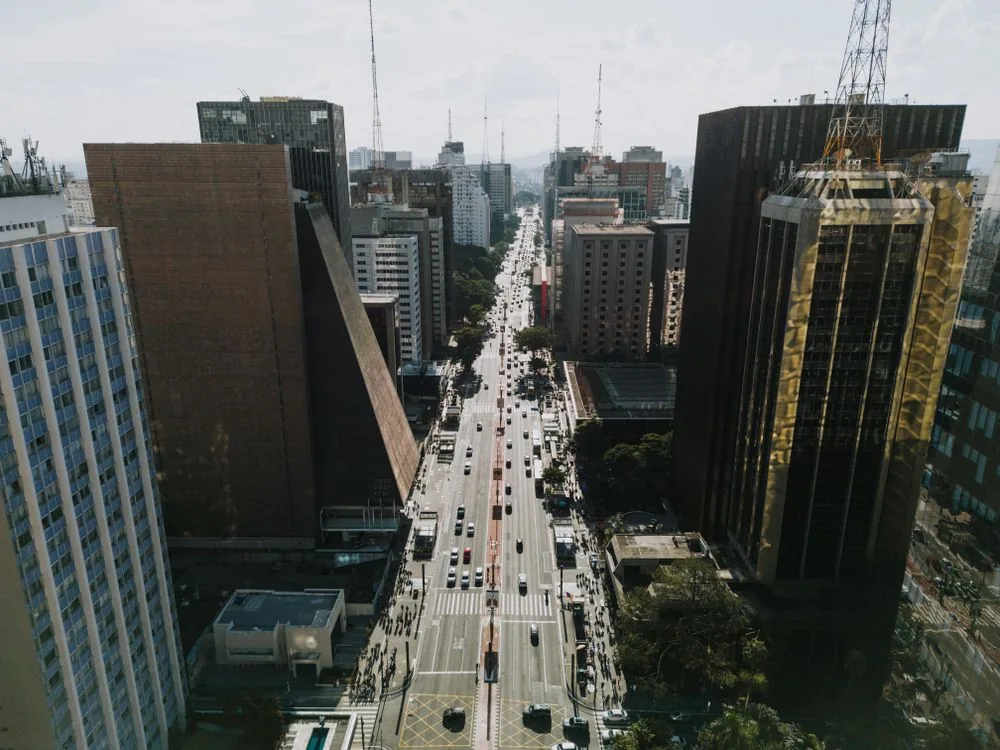
Updated August 2026: this guide uses 2025 SSP-SP crime data, current U.S. guidance, CDC travel-health recommendations, and São Paulo Metro resources relevant to tourists right now.
São Paulo city recorded 29,169 phone robbery and theft reports in January and February 2025 alone — one phone taken every three minutes — while the state of São Paulo posted the lowest homicide rate in Brazil at 5.46 per 100,000 (SSP-SP via G1, 2025; SSP-SP, 2025). Both numbers are true at the same time, and together they describe the trip precisely: lethal violence is unlikely to touch you, and your phone is the thing actually at risk.
Is São Paulo safe? Usually yes for many trips, but only if you ask the question the right way. São Paulo is not a beach city where safety depends on beachfront habits, and it is not a compact sightseeing center where tourists can improvise everything on foot. It is a megacity. That means the trip usually feels safer when travelers choose the right base, keep phones out of sight, use app-based transport after dark, and treat airport, transit, and nightlife transitions as part of trip planning rather than as afterthoughts.
The official framing supports that more balanced answer. U.S. official guidance still places Brazil at Level 2, Exercise Increased Caution, while CDC's current Brazil page remains at Level 1 for health notices and focuses on routine vaccine readiness, mosquito protection, and destination-specific health prep (U.S. Embassy and Consulates in Brazil, 2026; CDC Travelers' Health: Brazil, 2026). In other words, São Paulo is not a city that demands panic. It is a city that rewards discipline.
If you still need the country-level answer first, start with our full Brazil safety guide. If you are comparing São Paulo against other first-trip routes, use our Brazil travel guide alongside this article.
Key Takeaways
- São Paulo state has Brazil's lowest homicide rate — 5.46 per 100,000 in 2025, the lowest since the SSP-SP series began in 2001 (2,438 victims, down 3.1% from 2024)
- Phone theft is the real tourist risk: 29,169 reports in the capital in January–February 2025 alone, one every three minutes, with 80% happening on public streets
- The districts tourists are told to stay in are also the phone-theft hotspots — Pinheiros (1,023 cases) and Bela Vista (831) lead the city, and Avenida Paulista is the single worst address (469)
- CDC keeps Brazil at Level 1 for health notices, while U.S. guidance points travelers toward increased caution at country level
- The strongest setup is simple: stay in a proven district, use Uber after dark, and keep the phone out of your hand on the street
Is São Paulo Safe for Tourists in 2026?
For many travelers, yes, but the city works best when you approach it like a megacity instead of a postcard destination. U.S. official guidance still frames Brazil at Level 2, Exercise Increased Caution, while CDC's Brazil guidance remains at Level 1 for health notices and stresses routine vaccine readiness and mosquito protection (U.S. Embassy and Consulates in Brazil, 2026; CDC Travelers' Health: Brazil, 2026). That combination is exactly why the tourist answer for São Paulo is not a simple yes or no. The city is workable, but it is planning-intensive. Travelers usually do best when district choice, airport exit, and late-night return logic are decided before arrival rather than improvised on the sidewalk.
The Real Numbers for 2025
| Indicator | Figure | Trend |
|---|---|---|
| Homicide rate, São Paulo state | 5.46 per 100,000 | Lowest in Brazil; lowest since the series began in 2001 |
| Intentional homicide victims, state | 2,438 | ▼ 3.1% vs 2024 (2,517) |
| Intentional homicides, capital | just over 500 | ▲ vs 2024 — reversing four straight years of decline |
| Phone robbery/theft reports, capital | 29,169 (Jan–Feb 2025) | ▼ 5% vs same period 2024 (30,754) |
| Robberies citywide | — | ▼ 15% |
| Thefts citywide | — | ▼ 13% |
Sources: SSP-SP statistical panel (2025); SSP-SP data compiled by G1 and Exame (2025).
Read that table the way a resident would. For a visitor, the homicide rate is close to irrelevant — lethal violence in São Paulo is overwhelmingly concentrated in peripheral neighborhoods, in disputes between people who know each other, at hours and in places no tourist itinerary passes through. The number that should shape your behavior is the phone one. That is the crime that actually reaches out and touches visitors, and it happens in exactly the central, well-lit, busy places where you will spend your time.
What usually shapes tourist risk in São Paulo is not dramatic headline crime alone. It is the accumulation of ordinary urban decisions: where you stay, whether you are holding a phone openly at the wrong moment, whether you arrive from GRU without a clean transfer plan, and whether you are still walking around after midnight in an area you do not know well. Travelers who get those basics right often find São Paulo easier than they expected. Travelers who assume big-city instincts from elsewhere will transfer automatically often find it more stressful than they expected.
That is the most useful way to read the query is sao paulo brazil safe. São Paulo is not a city to fear by default. It is a city to sequence properly.
São Paulo Areas That Work Best for Tourists
Tourists usually do best in well-connected, high-activity districts with strong hotel inventory, not by chasing the cheapest nightly rate. São Paulo does not lend itself well to simplistic safe-versus-dangerous neighborhood lists because the city changes by block, by hour, and by how you move through it. A better question is which districts are most workable for the kind of trip you are actually taking, what kind of hotel environment you want after dark, and how much of the trip depends on walking versus app-based transport. That is why district choice in São Paulo is really a logistics choice first and a vibe choice second. In practice, the safest-feeling district is often the one that removes the most weak transitions from the day.
For many first-time visitors, the strongest bases are the Avenida Paulista orbit, Jardins, Pinheiros, Vila Madalena, and parts of Itaim Bibi; our ranking of the safest neighborhoods in São Paulo scores ten districts with the SSP-SP theft figures for each. These areas are not identical, but they share the characteristics most tourists need: strong hotel supply, good restaurant density, better rideshare coverage, easier daytime walking, and clearer transport logic.
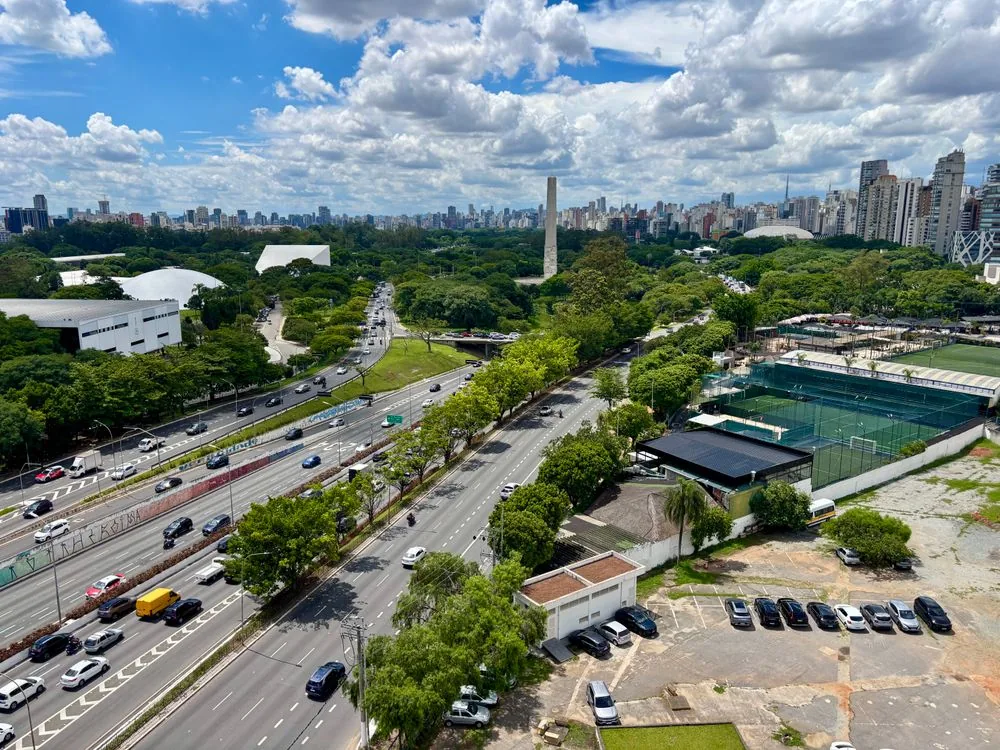
Here is the practical district logic:
| District base | Best for | Why it works | Tradeoff |
|---|---|---|---|
| Avenida Paulista / Bela Vista edge | First-timers, short stays, museum access | Central, active, broad transport access | Can feel busy and overstimulating |
| Jardins | Higher-comfort stays, food, shopping | Strong hotel stock and polished street environment | More expensive |
| Pinheiros | Food-led trips, longer stays, nightlife with structure | Good restaurant density and urban energy | Some transitions still need Uber at night |
| Vila Madalena | Bars, culture, social trip style | Strong nightlife identity and visual appeal | Less forgiving if you improvise late returns |
| Itaim Bibi | Business travelers, polished hotel stays | Predictable hotel and dining environment | Less compelling if you want classic sightseeing access |
Is Bela Vista Safe?
Bela Vista is the district on Avenida Paulista's southern edge, and it is where most first-time visitors end up because the hotel stock is dense and the Metro is close. By day it is busy and fine. It also recorded 831 phone theft reports in January and February 2025, second only to Pinheiros, and it contains Bixiga — the old Italian quarter, excellent for food, thinner on street activity late at night. Stay here for convenience, keep the phone pocketed on Paulista, and take a ride back after dinner rather than walking the last few blocks.
Is Itaim Bibi Safe?
Itaim Bibi is the district business travellers are usually booked into, and it is among the more comfortable places to stay in the city: modern hotels, good restaurants, quiet residential streets. The trade-off is distance from classic sightseeing — you will Uber to almost everything. Street risk is lower than in the Paulista corridor simply because there is less foot traffic and fewer tourists, but the same rule applies at night.
Is Pinheiros Safe?
Pinheiros has the best restaurant density in Brazil and is the district food-led trips should choose. It also leads São Paulo in phone theft with 1,023 reports across two months of 2025. Those two facts are the same fact: Pinheiros concentrates people with money out on the street. It is not a dangerous district in any violent sense — it is the district where your phone is most likely to be taken out of your hand. Walk it freely, just not with a phone visible.
Is Vila Madalena Safe?
Vila Madalena is the nightlife and street-art district, walkable within itself and the easiest first night out in the city. The risk is not the bars but the return: the streets thin out quickly after 02:00 and the district sits slightly apart from the Metro. Book a ride from inside the venue rather than walking to find one.
Is Jardins Safe?
Jardins is the most polished and most expensive option, and the one that feels safest to most visitors — wide streets, doormen, high-end retail, low late-night foot traffic. It works well as a base if comfort matters more than price. Nothing about it requires different habits, only fewer of them.
The Contradiction Nobody Explains
Here is something you will not find in other São Paulo guides, and it looks at first like a mistake in the table above.
The districts recommended to tourists are the same districts that lead the city in phone theft. São Paulo's 2025 hotspot ranking, from SSP-SP reports:
| Rank | Neighborhood | Reports (Jan–Feb 2025) |
|---|---|---|
| 1 | Pinheiros | 1,023 |
| 2 | Bela Vista | 831 |
| 3 | Bom Retiro | 705 |
| Rank | Single address | Reports (Jan–Feb 2025) |
|---|---|---|
| 1 | Avenida Paulista | 469 |
| 2 | Avenida Cruzeiro do Sul | 354 |
| 3 | Praça da Luz | 320 |
Pinheiros and Bela Vista are two of the five bases recommended above. Avenida Paulista is the worst single address in the city for phone theft, and it is also where most first-time visitors are told to stay.
This is not a contradiction — it is a misunderstanding of what the two numbers measure. Phone theft follows density and disposable income, not danger. Pinheiros leads the ranking because it concentrates restaurants, offices, nightlife and people holding expensive phones in public, not because it is a lawless area. The peripheral districts with genuinely high lethal violence barely register in the phone-theft ranking, because there is less worth taking and fewer tourists to take it from.
So the advice does not change: stay in Pinheiros, Bela Vista, or near Paulista. Those districts have the hotel stock, the transport and the street activity that make a trip work. What changes is your phone behavior inside them. The safest district to sleep in is also the one where you should never walk down the street with a phone in your hand.
Practical translation, given that 80% of these thefts happen on public streets and 10% cluster at metro stations and bus terminals:
- Do not walk along Avenida Paulista navigating with your phone out. Step into a shop, a café, or a building lobby to check directions.
- Do not pull the phone out at a metro entrance or bus terminal — those transition points are where 1 in 10 cases happen.
- Screenshot your route before you leave. A phone in a pocket is invisible; a phone in a hand is inventory.
- Keep a cheap secondary phone if your trip depends on connectivity. Recovery from theft is far worse than the theft itself.
The best district usually depends more on trip style than on generic "safe neighborhood" lists.
Most of what goes wrong on São Paulo transport is not violent — it is a scam or a snatch. Our guide to common scams in Brazil covers the card-machine swap and distraction techniques you are most likely to meet here, and is Uber safe in Brazil covers ride-hailing specifics.
Tourist Mistakes to Avoid in São Paulo
Tourist problems in São Paulo are often less cinematic than people expect and more preventable than they assume. SSP-SP's public-security system publishes monthly and yearly datasets, including specific stolen cellphone and stolen object databases, which matters because it reinforces the basic tourist reality: visible devices and weak transitions are more operationally relevant than dramatic city mythology (SSP-SP Statistics Hub, 2026). In practical terms, many avoidable problems in São Paulo happen in the gap between one planned step and the next: after dinner, outside stations, at curbside pickup points, or when a traveler turns a short controlled transfer into an improvised walk. Those moments matter more than vague fear because they are exactly where tourists become readable and easy to target.
The main avoidable mistakes are straightforward:
- walking with a visible phone while distracted
- lingering at curbside while ordering a car
- arriving from the airport without a clear pickup plan
- using low-context ATMs or cash handling late at night
- turning a short late-night rideshare into a long unfamiliar walk
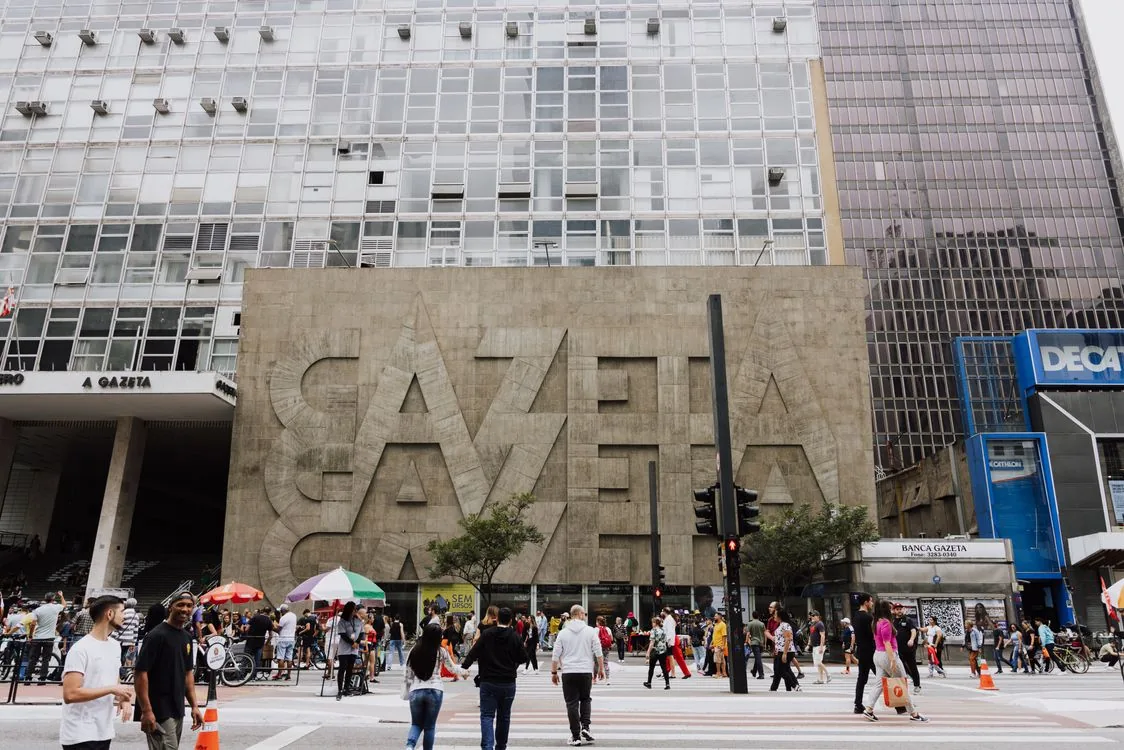
What to avoid is not the same as a banned list of places. It is more like a list of weak moments. A tourist standing outside a restaurant with a phone lit up, waiting for a car, is giving away more than a neighborhood choice ever will. A traveler leaving a bar and deciding to walk several extra blocks because the weather feels fine is often creating more risk than the venue itself.
That is why how safe is sao paulo brazil is better answered behaviorally. In São Paulo, a lot of safety comes from removing the obvious opportunities.
Is São Paulo Metro, Uber and Airport Transfer Safe?
Usually yes, but the quality of your movement matters. São Paulo Metro's official site gives passengers a direct SMS Security channel at +55 11 97333-2252 for reporting irregular commerce, crime, and vandalism, plus an information line at 0800 770 7722 operating daily from 5:00 to midnight (São Paulo Metro, 2026). That local infrastructure is a good reminder that the best São Paulo transport advice is practical, not dramatic. For tourists, safe movement in São Paulo is not about avoiding every station or every airport corridor. It is about knowing which mode fits each part of the trip and where the weak handoff points usually happen. Once airport, Metro, and rideshare choices are sequenced properly, the city often feels much more predictable.
For tourists, the transport hierarchy is simple:
Airport arrivals
- Land with a clean plan before you leave the terminal.
- If you are arriving at GRU or CGH, decide on app-based pickup, official taxi, or hotel-arranged transfer before you are curbside.
- Do not improvise while standing outside with luggage and a visible phone.
Uber and app-based transport
- Usually the best default after dark.
- Strongest option for restaurant returns, hotel transfers, and airport routing.
- Best used from inside a hotel lobby, restaurant entrance, or other controlled pickup point.
Metro
- Efficient and useful in daytime and early evening.
- Good for structured movement when you already know your route.
- Less attractive with luggage, shopping bags, or when you will need a long final walk after exiting.
Walking
- Fine in the right areas and at the right times.
- Weak as a default plan after nightlife, after late dinners, or when you are checking directions on a phone repeatedly.
Most tourist transport problems start in the gap between arrival and pickup, not during the ride itself.
Is São Paulo Safe at Night?
Nightlife in São Paulo can be manageable, but the city becomes less forgiving when the traveler improvises late exits and longer walks. This is where the contrast with Rio matters. São Paulo's risk is usually less about beaches and large tourist-event crowds and more about the quality of your route after the social part of the night is over. A neighborhood that feels polished at 8 p.m. can still become a weaker fit at 1 a.m. if the return depends on extra walking, unclear pickup points, or repeated phone checks on the street. In practical terms, night safety in São Paulo is less about whether the district is fashionable and more about whether the final movement home still stays controlled.
That means the strongest nighttime pattern is simple:
- choose the venue first, not just the district
- know how you are leaving before the night starts
- order the car from inside, not from the curb while exposed
- do not assume the last few blocks are worth walking just because the area felt comfortable earlier
For many visitors, the biggest mistake is treating dense nightlife areas as automatically walkable after midnight. Some are still active and workable. But activity is not the same as low risk, and comfort earlier in the evening is not the same as comfort on the return.
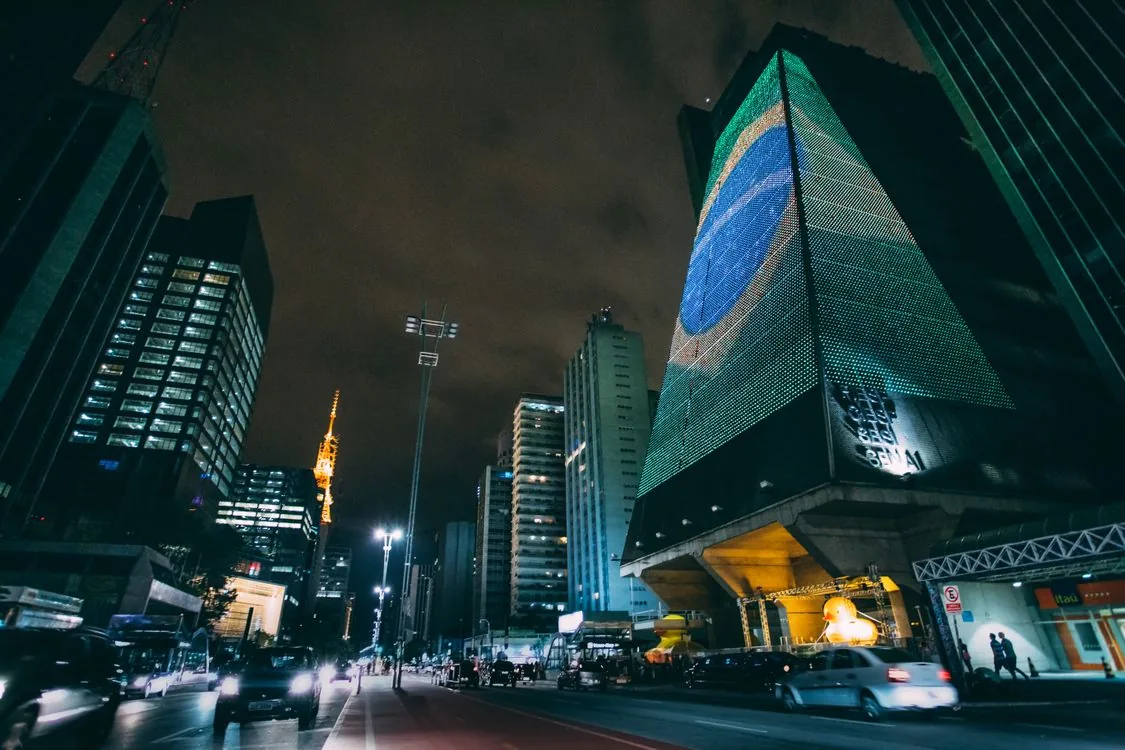
Before you travel, save the numbers you would need in a hurry — our guide to Brazil emergency numbers covers police (190), SAMU ambulance (192), and what to say when you call.
Is São Paulo Safe for Solo Female Travelers and Business Travelers?
Often yes, especially when the trip is built around proven districts, predictable hotels, and app-based transport after dark. This is where São Paulo can actually feel easier than outsiders expect. Business travelers usually benefit from the city's hotel density and structured dining districts, while solo travelers often do well when they pick a base that reduces unnecessary transfers. In practical terms, São Paulo rewards the kind of trip where hotel quality, pickup ease, and after-hours routing are decided early instead of adjusted on the fly. The city tends to feel safest when accommodation, meetings, dinners, and return logistics all sit inside the same clean movement pattern rather than across multiple uncertain handoffs.
The same principles still apply: stay in a proven district, do not improvise late returns, and keep the route between hotel, meetings, restaurants, and nightlife tight. Solo female travelers generally do best when they prioritize hotel responsiveness, strong review history, and cleaner nighttime pickup points rather than trying to optimize purely for nightlife atmosphere or price.
For traveler-type planning beyond São Paulo alone, use our guide to Brazil safety for solo female travelers, families and LGBTQ+ tourists.
What Health Risks Still Matter in São Paulo?
City safety in São Paulo also includes mosquito protection, yellow fever planning for the state, and floodwater awareness. CDC's current Brazil guidance says travelers should avoid bug bites because of dengue, Zika, leishmaniasis, and other vector-borne disease risks, and it specifically recommends yellow fever vaccination for travelers going to São Paulo state, including the city of São Paulo and coastal islands, while noting that proof is not required for entry (CDC Travelers' Health: Brazil, 2026). That means the city-level safety answer should not stop at theft and transport. Health preparation still changes how smooth or fragile the trip feels once you are on the ground. In São Paulo, weather and public-health context are part of trip stability, not just background information.
CDC also tells travelers to avoid floodwater and contaminated water because of leptospirosis and similar exposure risks, which matters in São Paulo because heavy rain is not just a comfort issue. It can affect movement, street conditions, and the practical safety of the trip on the day itself.
That means a São Paulo safety checklist should include:
- routine vaccine readiness before departure
- yellow fever logic reviewed for your broader state itinerary
- mosquito precautions, especially in warmer and wetter periods
- flexible movement planning on heavy-rain days
- avoidance of floodwater rather than treating it as a normal urban inconvenience
Health planning in São Paulo is usually lighter than in Amazon or Pantanal itineraries, but it still matters.
What Should You Do If Something Goes Wrong in São Paulo?
The strongest response is fast, procedural, and local. SSP-SP provides official tools including 190 SP for emergencies, Delegacia Eletronica for online reports, and Disque Denuncia 181 for anonymous reporting, while São Paulo Metro publishes passenger support channels and lost-and-found guidance centered at Se station (SSP-SP, 2026; Delegacia Eletronica, 2026; São Paulo Metro, 2026). That matters because a city like São Paulo is much easier to recover from when the traveler moves quickly into formal systems instead of trying to solve the problem informally on the street. The more standardized the response is, the faster the trip becomes manageable again.
If something goes wrong:
- Move into a controlled space such as a hotel, store, restaurant, or station office.
- Lock cards, phone access, and important accounts immediately.
- Use
190for emergencies. - File the police report through
Delegacia Eletronicawhen appropriate. - Use Metro's published support channels if the issue happened on transit.
- Contact your consulate or embassy if passport loss or a more serious incident is involved.
What matters most is not improvising the response on the street. São Paulo gives you formal channels. Use them.
São Paulo vs Rio for Tourist Safety
São Paulo is not automatically safer everywhere, but it often feels more predictable than Rio because the city's tourist experience is less beach-driven and less event-driven. Rio concentrates a lot of tourist exposure around beachfronts, scenic corridors, and major crowd moments. São Paulo concentrates more of it around dense urban movement, work districts, food neighborhoods, and airport-to-hotel routing. That makes the comparison useful for trip design because the two cities reward different habits, different movement styles, and different expectations around how much of the day happens on foot. Travelers choosing between them are often really choosing between two different operational rhythms, not just two different city brands. For many first-timers, that difference is what decides whether the trip feels exciting in a manageable way or exciting in a draining way.
That difference matters because many travelers are not really asking which city is safer in abstract. They are asking which city better matches their habits. Travelers who are comfortable with structured hotels, worklike routing, restaurants, and rideshare-based movement often find São Paulo easier. Travelers looking for emotional first-trip payoff, beaches, and iconic sightseeing often accept more tradeoff in Rio.
For the city-level comparison, keep this guide paired with our Rio de Janeiro safety guide rather than forcing a winner-loser answer that ignores trip style.
If your trip extends past the city, Campinas is the next stop most business travelers ask about, roughly 100 km north and a different safety picture.
Safety is only half the question most visitors have. If you are still deciding whether the city earns days on your itinerary, our guide to things to do in São Paulo covers the attractions, the districts and how many days they actually fill.
Frequently Asked Questions
These are the questions most travelers still ask after they move from the broad Brazil safety question into city-level planning. Most of them are really about the same thing: whether São Paulo stays manageable once the traveler has to choose a district, move at night, and recover from small problems without losing control of the trip.
Is São Paulo, Brazil safe for tourists?
For many travelers, yes, especially when they stay in stronger districts, keep phones out of sight, and use app-based transport after dark instead of improvising long walks.
What areas should tourists stay in São Paulo?
Many first-time visitors do best around Avenida Paulista, Jardins, Pinheiros, Vila Madalena, or Itaim Bibi because these areas usually provide better hotel density, routing, and transport options.
Is the São Paulo Metro safe to use?
Usually yes, especially in structured daytime and early-evening movement. It works best when you already know the route and do not need a long uncertain walk after leaving the station.
Is São Paulo safe at night?
It can be manageable, but the city becomes less forgiving when travelers improvise late exits, walk too far after nightlife, or stand outside with phones visible while waiting for transport.
Is São Paulo safer than Rio de Janeiro?
Not in every way. São Paulo often feels more predictable and less crowd-event driven, while Rio carries different tradeoffs tied to beaches, scenic zones, and large tourist concentrations.
What should I do if my phone is stolen in São Paulo?
Move into a controlled indoor space, lock accounts and cards immediately, use 190 if there is an active emergency, and file the report through the official SSP-SP channels or Delegacia Eletronica as soon as possible.
São Paulo can work well for tourists, but it is a city that rewards stronger routines. The travelers who usually enjoy it most are not the ones who assume it is either effortless or unmanageable. They are the ones who choose a better base, simplify airport and nighttime movement, and reduce the obvious openings that dense megacities create. If you still need the broader national view, go back to the full Brazil safety guide. If you are deciding between Brazil's two biggest city spokes, compare this with the Rio de Janeiro safety guide. For route fit beyond the city itself, use the full Brazil travel guide.