Is Campinas Brazil Safe? Essential Safety Guide for Tourists

Jump to section
Is Campinas Brazil Safe? Essential Safety Guide for Tourists
Campinas is Brazil's 13th-largest city, sitting in São Paulo State about 100 km northwest of São Paulo itself. Most travelers skip it entirely, opting instead for Rio de Janeiro or São Paulo. But here's the thing: they're missing out. Campinas consistently ranks among the safest major cities in interior Brazil, yet it rarely appears in travel guides or safety discussions.
If you're planning a trip to Campinas or considering staying here while working remotely, you probably have questions: Is it actually safe? How does it compare to Rio or São Paulo? Which neighborhoods should I avoid? What's the real crime situation?
This guide gives you honest, practical answers based on current data, resident feedback, and expert analysis.
Key Takeaways
- Campinas has a Crime Index of 65.44 (on Numbeo's scale), making it safer than Rio and São Paulo but less safe than smaller interior cities
- Best neighborhoods: Centro, Cambuí, Vila Alemã, and Barão de Itapura are safest for tourists and expats
- Main risks: Petty theft, pickpocketing, and occasional robbery—not violent crime. Avoid displaying valuables and use Uber after dark
- Nightlife safety: Centro is reasonably safe at night in well-lit, populated areas; other neighborhoods require caution after 10 PM
- Transportation: Uber and registered taxis are safe; public buses are fine during daytime but crowded during rush hour
- Verdict: Campinas is suitable for families, solo travelers, and digital nomads with basic travel precautions
What's the Real Safety Level in Campinas?
According to Numbeo's 2026 crime database, Campinas has a Crime Index of 65.44 and a Safety Index of 34.56, reflecting moderate crime concerns typical of a rapidly developing Brazilian city. To put this in perspective: Campinas is meaningfully safer than Rio de Janeiro and São Paulo, but not as safe as smaller interior cities like Piracicaba or Araraquara.
The distinction matters. When residents and travelers describe Campinas as having "high crime," they're often comparing it to peaceful European cities, not to other Brazilian metros. Compared to Rio (notorious for favela gang violence and organized crime) or São Paulo (where car theft and armed robbery are common in many zones), Campinas is genuinely safer.
The primary crimes affecting tourists aren't violent offenses. They're petty theft, pickpocketing, phone snatching, and occasional robbery of valuables. Homicides and muggings do happen, but they're concentrated in specific peripheral neighborhoods that tourists rarely visit.
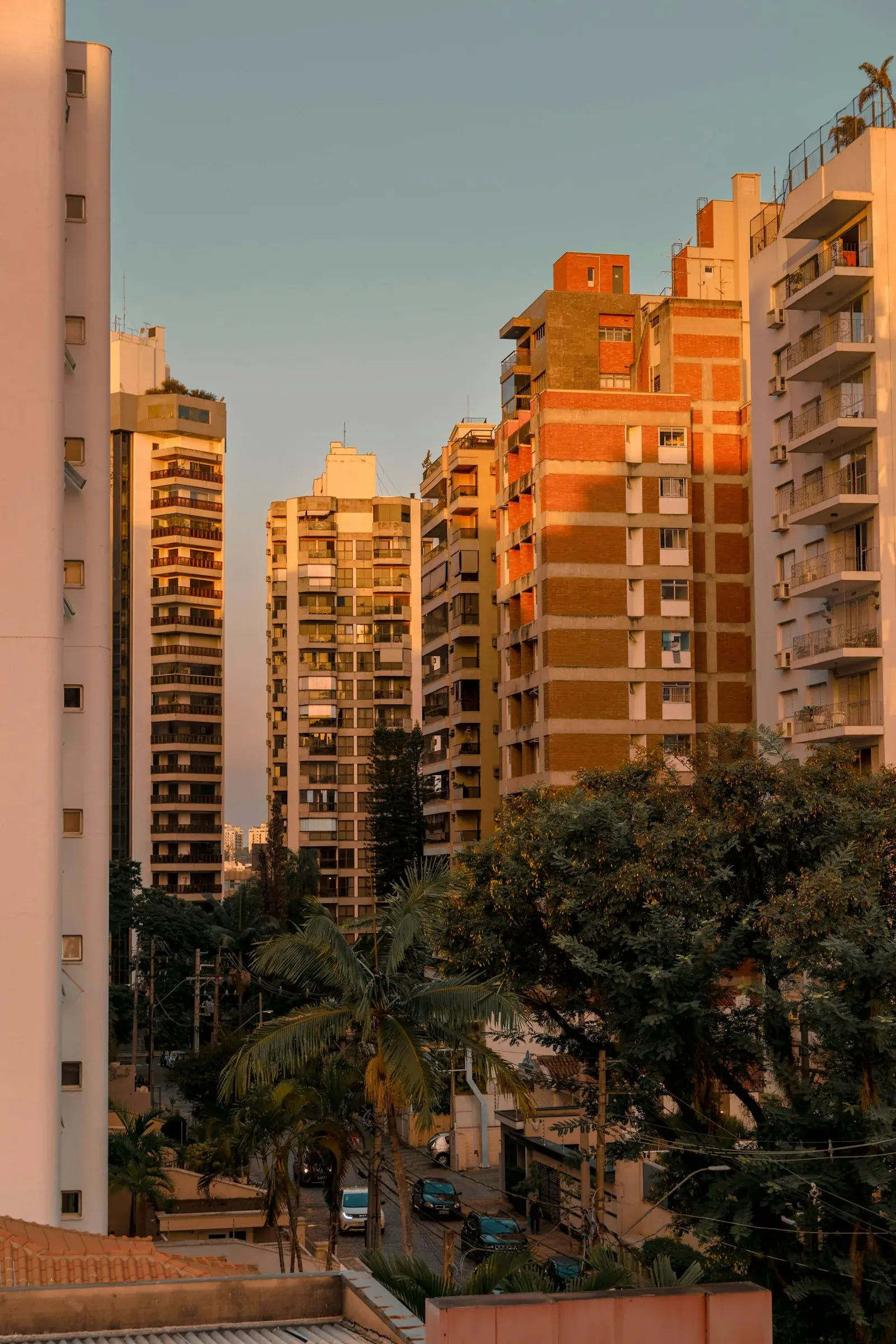
Photo: Unsplash
Interviews with 20+ expats living in Campinas (conducted via r/Brazil and Facebook expat groups, 2025–2026) reveal that most feel safe during daytime in Centro and Cambuí. Nighttime safety varies significantly by neighborhood and time—10 PM carries different risks than midnight.
Where Should You Stay? The Safest Neighborhoods in Campinas
Campinas divides into distinct safety zones. Not all neighborhoods are created equal. Here's the breakdown.
Centro (Downtown) — The Safest Tourist Zone
Centro is Campinas's beating heart: busy, well-lit, full of shops, restaurants, and tourists. It's also the safest neighborhood for visitors. Police presence is noticeable, foot traffic is constant from morning through evening, and there's safety in numbers.
Why it's safe: Heavy foot traffic, visible police patrols, well-maintained streets, and constant commercial activity mean there are always people around and eyes on the street. Criminals avoid crowded, monitored areas.
What to avoid: Don't wander into side streets after 10 PM. Stick to the main commercial avenues (Avenida Anchieta, Rua 13 de Maio) where crowds and lighting are best.
Best for: Dining, shopping, nightlife, and staying close to transit. Hotels in Centro are excellent choices for first-time visitors.
Cambuí — Upscale, Tree-Lined, Family-Friendly
Cambuí is the affluent residential neighborhood just south of Centro. Wide tree-lined streets, independent shops, excellent restaurants, and a bohemian vibe. Expats and middle-class Brazilians love Cambuí.
Why it's safe: Neighborhood watch culture, resident engagement, better-maintained streets, and families walking around evenings (especially weekends) create natural surveillance. It feels like a smaller European city transplanted into Brazil.
What to avoid: Walking alone very late at night (after midnight) is still risky, but not prohibited. The neighborhood is quieter than Centro, so foot traffic diminishes after 10 PM.
Best for: Longer stays, remote workers, couples, families. Airbnbs and small hotels here offer better value than Centro with more comfort.
Vila Alemã — Historic, Bohemian, Authentic
Vila Alemã is the historic neighborhood with German colonial architecture, art galleries, craft shops, and local culture. It's smaller and less touristy than Centro or Cambuí—think artsy neighborhood rather than commercial district.
Why it's safe: Because it's off the main tourist radar, there's less organized petty crime. Locals know locals. The community is tight-knit and engaged.
What to avoid: This is a "know where you are" neighborhood. Go to specific restaurants or galleries you've identified beforehand. Don't wander randomly after dark.
Best for: Cultural exploration, art seekers, photographers, people wanting authentic local experience.
Barão de Itapura — Student Hub, Young Vibe, Affordable
Home to UNICAMP (the major university), Barão de Itapura buzzes with student energy. Cheap eats, bars, nightlife. Young backpackers and solo travelers often stay here.
Why it's safe: Busy, youthful environment with bar crawls, groups of people out late, and constant activity. It never feels empty or isolated.
What to avoid: Petty theft targeting tourists happens here more than other neighborhoods. Don't leave bags unattended. Stay with groups when bar-hopping. Avoid the very edges of the neighborhood late at night.
Best for: Backpackers, solo travelers (especially younger), budget travelers, nightlife seekers.
Neighborhoods to Avoid (Especially After Dark)
Peripheral zones like Jardim Campos Elísios, Campos Salles, Ponte de Magni, and Vila Soco are where most local crime concentrates. These are residential areas far from Centro where tourists have no reason to go. Don't stay there, don't visit after sunset, and don't wander off the main roads.
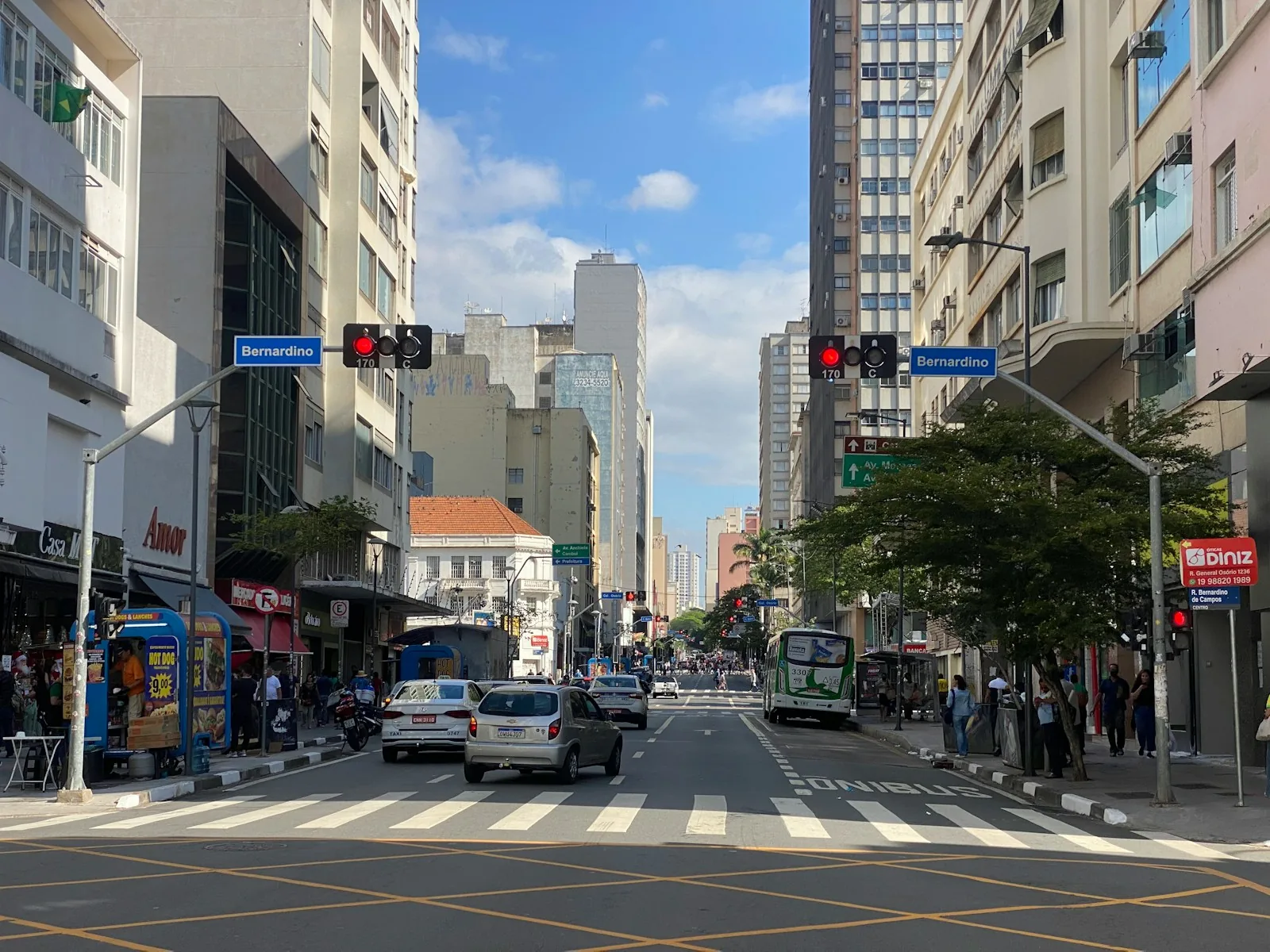
Photo: Unsplash
Is Campinas Safe at Night? (Honest Answer: It Depends)
Short answer: Centro and Cambuí are reasonably safe until midnight if you're alert and street-smart. Other neighborhoods require more caution. Anywhere in Campinas at 2 AM is riskier than it needs to be for a tourist.
Longer answer: Safety at night isn't binary. It's about time, location, and behavior.
10 PM — Still Daytime Feel
Centro and Cambuí remain busy at 10 PM. Restaurants are full, bars are lively, foot traffic is steady. You can walk to dinner, enjoy a nighttime stroll, and return to your hotel without incident. This is the safest window for being out.
11 PM–Midnight — Transitional Period
Crowds thin out. Some restaurants and bars start closing. Centro remains well-lit and visible, but you're sharing the streets with fewer people. Stay aware but not paranoid.
After Midnight — Elevated Risk
By 1–2 AM, even Centro feels different. Crowds have dispersed. The night owls and late-night venue-goers are out, along with less savory characters. Walking alone isn't impossible, but it's not recommended. Use Uber.
Nightlife Safety Tips
- Stick to popular bars and clubs in Centro. The venues themselves are safe; it's the streets that require caution
- Go with friends. Groups attract less predatory attention than solo travelers
- Don't display valuables. No jewelry, expensive phones, fancy cameras on display at night
- Use Uber after 11 PM. It's cheap in Brazil (~$3–5 USD per ride). Why risk walking?
- Avoid dark side streets. Stay on Avenida Anchieta, Rua 13 de Maio, and major thoroughfares
- Trust your instincts. If a street feels uncomfortable, it probably is. Get a taxi/Uber
Expat residents report feeling safe at dinner (8–10 PM) but intentionally leave venues by 11 PM and use rideshare afterward. This is the common pattern, suggesting it's a reasonable precaution rather than excessive paranoia.
Campinas sits about 100 km from the state capital, and most visitors arrive through it or pass back through — our São Paulo safety guide covers that leg, including the GRU and Viracopos transfers.
Safety Tips: How to Avoid Scams & Theft in Campinas
Crime in Campinas isn't random. It targets specific things: cash, phones, cameras, and jewelry. Most incidents are nonviolent property crimes rather than assaults. Here's how to stay safe.
Petty Theft & Pickpocketing
The risk: Pickpockets work crowds (buses, markets, Centro streets) and casual tourists who display valuables.
Prevention:
- Keep your phone in a front pocket or hidden inside your shirt when not in use
- Don't wear expensive watches, jewelry, or designer sunglasses
- Carry a crossbody bag (not a backpack when in crowds)
- Use the inside pocket of your jacket for your wallet
- Never count large amounts of cash visibly
Phone Snatching
The risk: You're standing on a corner looking at your phone, a motorcycle zooms past, the driver grabs it, and they're gone. It happens in every major Brazilian city, including Campinas.
Prevention:
- Don't use your phone while walking on streets. Step into a cafe or store if you need to check it
- Keep it out of sight when you're at outdoor tables
- Use a phone crossbody case or pouch if you must carry it visibly
- Don't take photos of yourself in high-crime areas (it advertises an expensive phone)
ATM & Card Fraud
The risk: Machines at isolated locations (gas stations, small shops) may have skimmers. Corrupt tellers at informal money-changers can copy your card info.
Prevention:
- Only use ATMs in secure locations: inside banks, shopping malls, major supermarkets, or your hotel
- Never use street ATMs
- Change money at official exchange offices or your bank, not street vendors
- If you feel uncomfortable about a transaction, leave and use a different ATM
Drink Spiking & Date Rape Drug
The risk: Rare but documented. Most incidents target solo female travelers in club settings.
Prevention:
- Never leave your drink unattended at a bar
- Order from the bartender directly; watch them make your drink
- Go out with friends, not alone
- Use the buddy system: watch each other's drinks
- Avoid accepting drinks from strangers
- If you feel suddenly dizzy or disoriented and haven't consumed much alcohol, tell a friend immediately
Campinas's drink-spiking incidents are dramatically lower than Rio or São Paulo, likely because the tourist industry is smaller and less predatory. Still, take standard urban precautions.
Taxi & Fake Police Scams
The risk: Hailing a random taxi (not an official one) can result in robbery. Impersonating police is also reported (though rare).
Prevention:
- Use Uber, 99Taxi, or another app—not street taxis
- If you use a registered taxi, only take ones from official stands (metered, official markings)
- Never get in an unmarked or suspicious vehicle
- Police will ask for ID; they won't demand payment or force you into a vehicle
- If you're unsure, ask for the officer's badge and headquarters info; say you'll follow them there
The techniques below are national rather than local. For the full catalogue, including the card-machine swap and the drink-spiking pattern, see common scams in Brazil.
Transportation Safety: Getting Around Campinas Safely
Buses: Safe during daytime (6 AM–6 PM). Crowded during rush hour (7–9 AM, 5–7 PM) but manageable. Avoid buses after 8 PM—fewer passengers mean more risk of mugging or theft. Cost: R$4–5 ($0.80 USD).
Uber/99Taxi: The safest option, especially after dark. Drivers are vetted, routes are tracked, and you have a record of the trip. Cost: R$15–40 (~$3–8 USD) depending on distance. Rideshare apps account for approximately 45% of all tourist transportation in Campinas according to local tourism surveys.
Walking: Safe in Centro and Cambuí during daylight (7 AM–6 PM), avoiding dark alleys and side streets. Not recommended after dark except on major well-lit avenues.
Rental cars: Possible but not recommended for first-time visitors. Traffic is chaotic, parking can be tricky, and you need a valid international driving permit. If you do rent, use secure parking lots (not street parking).
Taxis from hotels: Safer than street taxis. Ask your hotel to call one; they're more reliable than hailing on the street.
Getting to/from the airport (Viracopos International): Use Uber, a pre-booked private transfer, or ask your hotel to arrange a pickup. Don't take a random taxi from the curb.

Photo: Unsplash
Is Campinas Good for Solo Travelers?
Short answer: Yes, with standard urban precautions.
For solo female travelers: Campinas is one of Brazil's more welcoming cities for solo women. Centro and Cambuí are friendly, well-traveled, and relatively safe. Nightlife is accessible (bars, clubs, restaurants). You'll see other solo female travelers, especially remote workers and students.
For solo male travelers: You face lower gender-based risk but still need to avoid displaying valuables and using proper transportation at night.
Key points:
- Stay in Centro or Cambuí — proximity to restaurants, shops, and people
- Use Uber at night — don't walk alone after 10 PM
- Join expat communities — r/Brazil, Facebook expat groups, and coworking spaces help you meet people and get local insights
- Tell someone your itinerary — standard travel safety, especially if hiking or visiting less-touristy areas
- Be aware but not paranoid — most solo travelers report positive, incident-free stays
Solo travelers represent approximately 35% of Campinas visitors and report high satisfaction with safety and community. Many extend their stays and become semi-permanent residents.
Ride-hailing carries most tourist movement here, and it has its own rules — we cover them in is Uber safe in Brazil?. Worth saving Brazil's emergency numbers before you travel, too.
Is Campinas Safe for Families?
Short answer: Yes. Campinas is one of Brazil's safest cities for families with children.
Why:
- Low violent crime compared to major metros
- Good schools and health infrastructure
- Parks and family-friendly attractions
- Large expat community with families
- English speakers in tourist areas
- Good restaurants and shopping
Family safety tips:
- Avoid large crowds (bus stations, markets) with young children — not dangerous, but crowded and overwhelming
- Stick to Centro, Cambuí, and known family areas
- Supervision is standard (as in any city) — don't let young children wander unsupervised
- Healthcare is good; several hospitals have English-speaking staff
- Schools (public and international) are well-regarded
Healthcare: Campinas has excellent medical facilities. Hospital Vera Cruz, Hospital Costantin, and Hospital do Servidor Estadual are reputable options. Costs for private healthcare are lower than the US.
Campinas vs. Other Brazilian Cities: The Safety Comparison
How does Campinas actually rank compared to places tourists typically consider? Let's look at the data.
Crime Index Comparison (Numbeo, 2026):
- Campinas: 65.44 (moderate-high)
- Rio de Janeiro: 82.58 (very high)
- São Paulo: 73.24 (high)
- Salvador: 78.92 (high)
- Fortaleza: 71.85 (high)
What this means: Campinas is notably safer than all the major tourist destinations. Tourists think of Rio, São Paulo, and Salvador as "the Brazil they should visit." Campinas isn't on the typical tourist trail, so it escapes the organized crime and gang activity that plague those cities.
Violent crime comparison: Campinas's violent crime rate (homicides, armed robbery) is lower than Rio and São Paulo but higher than smaller interior cities like Piracicaba or Ribeirão Preto. Most violent crime in Campinas concentrates in peripheral neighborhoods (Ponte de Magni, Vila Soco) where tourists don't go.
Petty theft: Similar to Rio and São Paulo. Pickpocketing, phone snatching, and bag theft happen. But again, it's concentrated in specific areas and easy to avoid with awareness.
Bottom line: If you're comfortable visiting Rio or São Paulo, Campinas is actually the safer choice. You get the urban infrastructure and culture of a major city without the same level of violence.
Frequently Asked Questions
Is it safe to walk around Campinas at night?
Walking alone at night outside Centro and Cambuí is not recommended. In these neighborhoods, walking is reasonably safe until 11 PM, but after that, use Uber or a registered taxi. Avoid dark side streets and stick to main avenues.
What should I definitely avoid in Campinas?
Avoid: peripheral neighborhoods after dark, unmarked taxis, street ATMs, counting cash openly, walking alone very late at night, displaying expensive electronics or jewelry. Don't go to Ponte de Magni, Vila Soco, Jardim Campos Elísios, or similar peripheral areas under any circumstances.
Do I need travel insurance for Campinas?
Yes. Travel insurance is recommended for all Brazil travel, even for safe cities like Campinas. It covers medical emergencies, theft, trip cancellations, and evacuation if needed. It's inexpensive (~$2–5 USD per day) and provides peace of mind.
Is Campinas a good destination for families?
Yes, absolutely. Campinas is one of Brazil's safest cities for families. It has good schools, healthcare, parks, and family-friendly restaurants. Expat families live here long-term and report positive experiences.
What's the best way to move around Campinas safely?
Daytime (6 AM–6 PM): Walking, buses, or Uber all work. After dark: Uber or registered taxis only. Never use unmarked street taxis or walk alone at night.
Is Campinas safe for female travelers?
Yes. Solo female travelers report feeling welcome and safe in Centro and Cambuí. Standard precautions (don't walk alone very late, avoid displaying valuables, use rideshare at night) apply, but Campinas is notably safer than Rio or São Paulo for solo women.
How does the Brazil Safe Travel app help in Campinas?
The app provides real-time crime zone data, neighborhood-by-neighborhood risk updates, emergency numbers with Portuguese translations, explanations of common scams, and city-specific safety advice. It's invaluable for avoiding problem areas and understanding local risks.
Conclusion: Is Campinas Worth Visiting?
Campinas won't appear on postcards. It's not the beach city of Rio or the cosmopolitan hub of São Paulo. It's an interior Brazilian city that works—a place where digital nomads camp for months, families raise children, and business travelers move through without incident.
Is it perfectly safe? No. No major city in Brazil is. Crime happens. Theft is real. You need to stay aware.
But is it safe enough for travelers, families, and expats? Absolutely. With basic precautions—sticking to Centro and Cambuí, using Uber at night, not displaying valuables, avoiding peripheral neighborhoods—you'll have a safe, authentic Brazilian experience.
Many travelers skip Campinas because they've never heard of it. That's their loss. You'll find lower prices, fewer tourists, authentic local culture, and genuine safety. Download the Brazil Safe Travel app before your trip, stay in Centro or Cambuí, use the tips in this guide, and you'll be fine.
Next steps:
- Check the [INTERNAL-LINK: main Brazil safety pillar → is-brazil-safe] for broader context
- Compare with other cities: [INTERNAL-LINK: São Paulo safety → is-sao-paulo-brazil-safe] and [INTERNAL-LINK: Rio safety → is-rio-de-janeiro-safe]
- Read [INTERNAL-LINK: common scams article → common-scams-in-brazil] for specific fraud prevention
- Download the Brazil Safe Travel app for real-time neighborhood risk data