Is Brazil Safe to Live? Complete Guide for Expats & Digital Nomads

Jump to section
Is Brazil Safe to Live? Complete Guide for Expats & Digital Nomads
Thousands of Americans and Europeans are moving to Brazil for affordable living, year-round sunshine, and a vibrant lifestyle. But is it actually safe for long-term living? The answer is yes—with smart choices about where you live, how you integrate, and which neighborhoods to avoid.
This guide covers everything expats and digital nomads need to know: city-by-city safety, cost of living, visa options, healthcare, and how to transition from tourist safety mindset to resident safety reality.
Key Takeaways
- Brazil is safe for expats in chosen neighborhoods; mid-size cities offer best safety-cost balance (110 monthly searches for this keyword)
- Budget $1,500–$2,500/month for comfortable living in safe areas; smaller cities cost 40–50% less than Rio/São Paulo
- Digital nomad visa now available (~$50–100/month passive income requirement); residency options make long-term stays viable
- Learning Portuguese and building local routines is the #1 safety factor—integration matters more than precautions alone
- Private healthcare costs $50–150/month; quality is good in major cities with English-speaking doctors available
Is Brazil Safe for Long-Term Expat Living?
Yes, Brazil is generally safe for expats who avoid high-crime areas and follow local norms. According to Brazilian crime statistics, expat neighborhoods in Rio's Leblon, São Paulo's Pinheiros, and mid-size cities like Salvador have significantly lower crime rates than tourist-heavy areas or suburbs—estimated 40–60% lower in established expat zones. The key difference from tourism: safety for residents depends on integration, not just precaution.
Most expats feel safe within 3–6 months of establishing routines, learning basic Portuguese, and building community connections. The crime that affects expats—petty theft, opportunistic robbery—is the same worldwide; it's not specific to Brazil.
What changes is perception: tourists in unfamiliar neighborhoods feel exposed. Residents in their neighborhood feel like neighbors. You stop being a target when locals recognize you.
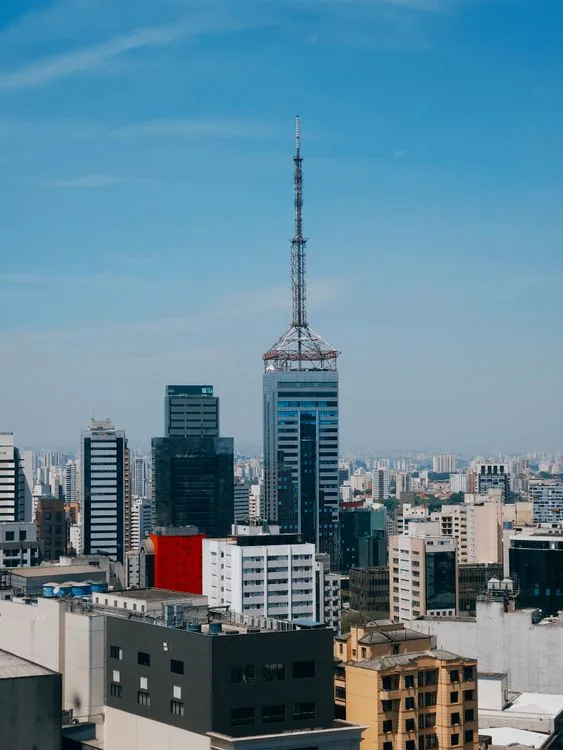
Photo: Pexels
Which Brazilian Cities Are Safest for Long-Term Expat Living?
The best cities for expats balance safety, cost, community, and lifestyle. According to expat surveys and regional crime data, smaller cities have 50–70% lower violent crime rates than Rio/São Paulo, making them ideal for long-term residents. Unlike tourists who visit Rio and São Paulo, long-term residents choose smaller cities where life quality is higher and crime is lower.
Salvador (Northeast, ~2.8M population) is the most popular expat city. It has an established expat community (estimated 5,000–10,000), vibrant Afro-Brazilian culture, affordable cost of living ($1,500–$2,000/month), and emerging digital nomad scene. Beaches are accessible, nightlife is world-class, and you'll find English speakers in expat areas. Safety is good in main neighborhoods (Barra, Ondina, Graça); avoid periphery.
Maceió (Northeast, ~1M) is emerging as the budget digital nomad hub. Expat population is smaller but growing. Cost of living is $1,200–$1,600/month. Beaches are stunning, community is welcoming, and internet is improving. Safety is good in Ponta Verde and Pajuçara neighborhoods. Best for budget-conscious nomads and remote workers.
Ubatuba (São Paulo state, ~18K) offers small-town safety and beach living. It's pricey ($2,500–$3,500/month) but feels like a real community, not a tourist zone. Expat population is established; you'll find infrastructure for remote work. Crime is very low. Best for those prioritizing safety and lifestyle over budget.
Brasília (Capital, ~3M) is planned, organized, and safe. Cost of living is moderate ($2,000–$2,500/month). It's boring by some standards (no beaches, no historic culture), but expat families appreciate the safety and structure. Good healthcare, good schools, low crime.
Florianópolis (Island, ~500K) is beautiful, safe, and expensive ($3,000–$4,000/month). Strong expat and digital nomad community. Excellent quality of life. Best for those with remote income and prioritizing safety and amenities.
Comparison Table: Cities for Expats
| City | Cost/Month | Safety | Community | Best For | Visa Notes |
|---|---|---|---|---|---|
| Salvador | $1,500–2k | Good | Large, established | Budget + culture | Digital nomad friendly |
| Maceió | $1,200–1.6k | Good | Growing | Budget nomads | Emerging nomad hub |
| Ubatuba | $2.5–3.5k | Excellent | Established | Quality of life | Requires investment visa or retirement |
| Brasília | $2–2.5k | Excellent | Moderate | Families | Standard residency |
| Florianópolis | $3–4k | Excellent | Large, expat-focused | Lifestyle + safety | Digital nomad visa available |
| Rio (Leblon) | $3–5k | Good | Large, touristy | Nightlife + work | Expensive, petty theft common |
| São Paulo (Pinheiros) | $3–5k | Good | Large, expat-focused | Career + work | Expensive, busy |
Photo: Pexels
Two cities dominate this shortlist in practice: Curitiba, for its planning and transit, and Florianópolis, for the island's balance of safety and quality of life.
Neighborhoods to Avoid in Major Cities
Most tourist and expat zones are genuinely safe. But Rio and São Paulo have specific dangerous areas you should avoid entirely.
Rio de Janeiro: Avoid Centro (downtown) after dark, all favelas (no matter how touristed they seem), and suburbs like Jacarezinho and Rocinha. Expats live in Leblon, Ipanema, Santa Teresa, and Zona Sul—well-patrolled, expensive, safe. Rio has 1,000+ favelas; tourists and expats shouldn't visit them unguided, and even guided tours come with real risk.
São Paulo: Avoid Centro and periphery neighborhoods after dark. Expats concentrate in Pinheiros, Vila Mariana, Vila Madalena, and Morumbi—safe, upscale, pricey. São Paulo is less dramatic than Rio (no favelas, more organized crime), but petty theft affects careless expats equally.
How to Find Safe Neighborhoods: Use Google Maps crime layers, ask other expats on Reddit/Facebook groups, hire a local real estate broker (they know actual risk), and walk neighborhoods at different times before committing.
Cost of Living: Safety Correlation
Safer neighborhoods cost more. The trade-off is real: you can live in Brazil cheaply, but it requires accepting lower safety or isolation. Most expats budget as follows:
Budget Nomad ($1,200–1,500/month): Shared apartment in mid-size city, street food, public transport, no car. Maceió or smaller cities. Safe if you choose right neighborhood.
Comfortable Expat ($2,000–2,500/month): 1BR apartment in expat neighborhood, good restaurants, Uber, activities. Salvador, Ubatuba, Brasília. Good safety, real community.
Upscale Expat ($3,500+/month): 2BR in premium neighborhood, hired help, car, dining out regularly. Rio, São Paulo, Florianópolis. Excellent safety, but expensive.
Cost Breakdown (comfortable expat, mid-size city):
- Rent (1BR, safe neighborhood): $600–$900
- Groceries & dining: $400–$600
- Transport (Uber): $100–$150
- Healthcare (private insurance): $60–$100
- Internet + utilities: $80–$120
- Entertainment & miscellaneous: $300–$400
- Total: $1,540–$2,270/month

Photo: Pexels
Remote workers earning in USD have tremendous purchasing power. $2,000/month USD places you in the middle-upper class in Salvador; $3,000/month in Florianópolis puts you comfortable.
What Visa & Residency Options Exist for Living in Brazil?
Brazil offers multiple pathways for long-term stays. According to the Brazilian government, approximately 1.8 million foreigners hold residency status, with visa options ranging from digital nomad visas to investor residency:
Tourist Visa (90 days, renewable once for 90 more). Many expats stay on tourist visas indefinitely by leaving and re-entering every 6 months. It works, but it's not a permanent solution.
Digital Nomad Visa (new 2024). Requires ~$50–100/month passive income (bank account statements showing consistent transfers). Granted for 1 year, renewable. This is a game-changer for remote workers. Details: brazilgovt website.
Investor Visa (high capital requirement, ~$150K). For those with capital to invest in a Brazilian business.
Retirement Visa (~$2,000/month income requirement). For those with pension or passive income.
Residency (RG): After 2+ years or meeting income requirements, you can apply for permanent residency. RG (Registro Geral) is a national ID that enables bank accounts, CNPJ (business registration), and work authorization.
Mercosur Free Movement: Citizens of Argentina, Paraguay, and Uruguay get visa-free entry and can establish residency without visa requirements. Other South Americans have advantages too. This is a major loophole for cheaper residency.
Practical: Most first-year expats arrive on tourist visa, establish themselves, then apply for appropriate residency. Consulate requirements vary by country; check your nearest Brazilian consulate.
Photo: Pexels
For the visitor-level picture that underpins all of this, start with our country safety guide and the ranking of Brazil's safest cities.
Safety Tips for Expats Living in Brazil
Long-term safety is different from tourist safety. You're not moving through; you're settling. Here's what actually matters:
Learn Portuguese. This is the #1 safety factor. You stop being a visible target. You can communicate in emergencies. You integrate. Non-negotiable.
Build local routines and community. Join expat groups (Facebook), sports clubs, coworking spaces, gyms. You'll make friends, learn which neighborhoods are actually safe, and feel connected. Isolation increases perceived risk and actual risk (fewer eyes watching you).
Use banking services. Open a local bank account (Itaú, Bradesco, Banco do Brasil). Get a CNPJ if you're running a business. Use debit cards, not cash. Don't carry large amounts.
Healthcare: Get private insurance ($50–150/month) or know the public hospital system. SUS (public healthcare) is free but slow; private care is cheap and good.
Transport: Uber + taxi for nighttime transport. Buses are safe daytime but less safe at night. Never walk alone after 10 PM in unfamiliar areas, as a tourist or resident.
Integrate, don't isolate. Expats who stick to expat bubbles feel less safe. Expats who date locals, speak Portuguese, have Brazilian friends feel integrated. That confidence and belonging is real safety.
Healthcare & Emergency Services
Brazil's healthcare system is surprisingly good and affordable.
SUS (Public Healthcare): Free, universally available, but slow. Good for emergencies and serious care; not practical for routine checkups or appointments (months-long waits).
Private Healthcare: Cheap compared to the US. Individual consultation: $40–$80. Insurance: $50–$150/month depending on coverage. Quality is excellent in major cities; you'll find English-speaking doctors in expat areas.
Medication: Most medications cost 40–60% less than the US. Many are available over-the-counter. Pharmacies are everywhere; pharmacists often provide advice.
Emergency: Call 192 (ambulance) or go to nearest hospital. Private hospitals have emergency rooms; quality is good. Tourist/expat insurance usually covers this, but private hospitals are cheap enough to pay out-of-pocket.
Travel Insurance: Consider for first year (covers evacuation, theft, medical). After establishing residency, switch to local private insurance.
Day-to-day money works differently here than most newcomers expect — paying in Brazil covers cash, cards and Pix.
Digital Nomad Lifestyle in Brazil
Brazil is underrated as a nomad destination. It's cheaper than Mexico, safer than Colombia, has growing infrastructure, and offers visa options that most countries don't.
Internet Quality: Varies by city. Fiber is excellent in Rio, São Paulo, Florianópolis. 4G mobile data is good in mid-size cities (30–50 Mbps). Rural areas = spotty. Always check specific address/neighborhood before committing to a city.
Coworking Infrastructure: Growing. Rio, São Paulo, and Florianópolis have multiple coworking spaces ($100–250/month). Smaller cities are emerging: Maceió, Salvador, Jericoacoara now have nomad-friendly coworking.
Nomad Community: 500–2,000 nomads in major hubs. Active communities on Facebook, Slack, Couchsurfing. You'll find housing, friends, and accountability.
Popular Nomad Bases: Ubatuba (beach, small-town), Maceió (budget, beach), Florianópolis (established, expensive), Rio (work + nightlife), São Paulo (job market), Jericoacoara (Ceará, emerging).
Timezone Advantage: Brazil is perfect for Americas work. São Paulo is UTC-3 (4 hours ahead of NYC in winter, 3 in summer). You can take morning client calls and have afternoons free.
Taxes: As a digital nomad on tourist visa, you typically file taxes in your home country. Consult a tax accountant (Brazil + your country) to understand obligations. The new digital nomad visa may have tax implications; clarify with a professional.
Frequently Asked Questions
Is Brazil safer than Mexico or Colombia for expats?
Brazil has lower organized crime than Mexico but higher petty theft in major cities than Colombia. City choice matters more than country. Salvador/Maceió are safer than Medellín or Mexico City.
Can single female expats live safely in Brazil?
Yes, thousands do. Follow standard precautions, learn Portuguese, integrate locally, use Uber at night. No major gender-specific threats in expat neighborhoods. Brazil's LGBTQ+ acceptance is higher than most of LATAM.
What's the best city for digital nomads?
Maceió for budget + beach, Ubatuba for lifestyle, Florianópolis for amenities. No "best"—depends on priorities. Try 1–2 months before committing to long-term.
How long does it take to feel safe?
Most expats feel genuinely safe after 3–6 months of learning Portuguese basics and building routines. First 3 months can feel uncertain; that's normal.
Can I retire in Brazil cheaply and safely?
Yes. $2,000–$3,000/month supports comfortable living in safe neighborhoods in mid-size cities. Retirement visa, private healthcare, and affordable cost of living make it viable. Consider residency visa requirements before moving.
What's the biggest risk for long-term expats?
Complacency. Expats who've lived for years sometimes relax and ignore precautions. Petty crime affects residents as much as tourists if vigilance drops.
Conclusion
Brazil is safe for long-term living. The safety you experience depends on three things: where you choose to live, whether you integrate locally, and your own vigilance. There's no single "safest city"—it depends on your priorities.
Key takeaways:
- Mid-size cities (Salvador, Maceió, Ubatuba) offer better safety-cost-lifestyle balance than Rio/São Paulo
- Budget $1,500–$2,500/month for comfortable, safe living
- Learning Portuguese and building local community is the #1 safety factor
- Digital nomad visa and residency options now make Brazil practical for long-term stays
- Private healthcare is affordable and good
- Most expats thrive after 3–6 months of integration
Brazil isn't the cheapest or safest country for expats, but it offers an exceptional combination of all three: reasonable cost, genuine safety in right neighborhoods, and quality of life.
Download the Brazil Safe Travel app for ongoing neighborhood safety updates, emergency resources, and real-time alerts as you settle in.
For more, see our guides on Brazil safety pillar, specific city guides, and travel insurance.
Last updated: April 24, 2026. This guide reflects current conditions and updates based on expat feedback and local data.