Is Brazil Safe Right Now? (April 2026 Travel Update)

Jump to section
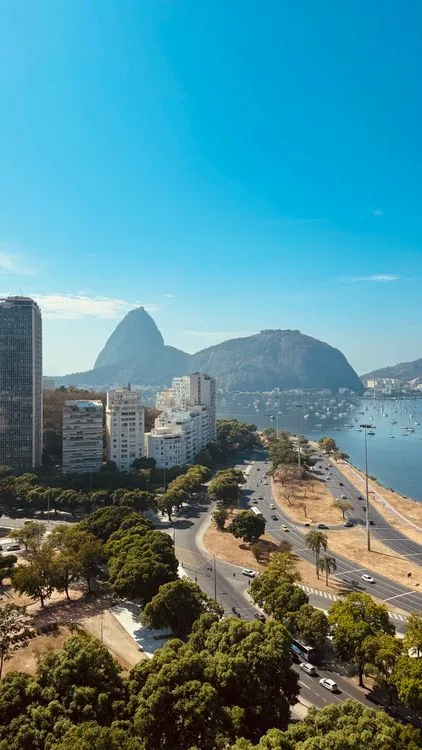
Updated April 2026: this guide reflects the current U.S. State Department advisory, CDC travel health notice, UK FCDO guidance, and 2024 public-security data from Rio's Instituto de Segurança Pública (ISP-RJ).
Is Brazil safe right now? For most tourists, yes — with the same Level 2 caveats that have held for years. The U.S. State Department currently places Brazil at a Level 2 Travel Advisory (Exercise Increased Caution), while the CDC's Brazil traveler page sits at a Level 1 health notice (U.S. State Department — Brazil Travel Advisory, 2026; CDC Travelers' Health: Brazil, 2026). That's the same posture the UK FCDO, Canada, and Australia broadly echo. There is no acute crisis in April 2026 — no active nationwide emergency, no new geopolitical flashpoint, no travel ban.
What has shifted is the everyday risk profile. Cell phone robberies in Rio de Janeiro rose 38% in 2024 to 21,423 recorded cases, even as more than 2 million foreign visitors passed through the city the same year (Instituto de Segurança Pública RJ (ISP-RJ), 2024). Brazil isn't uniquely dangerous right now. It's a country where the headlines and the real tourist risk don't match. The real risk is property scams, and they're preventable.
For the full evergreen picture, see our complete Brazil safety guide. This article focuses on what "right now" looks like in April 2026.
Key Takeaways
- Brazil is safe to travel to right now for most tourists. The U.S. posture is Level 2, the CDC is at Level 1, and there is no acute emergency as of April 2026.
- The real everyday risk is property crime, not violent crime. Phone snatching in Rio jumped 38% in 2024 per ISP-RJ, making street scams the main tourist incident to plan around.
- American travelers need a Brazil visa as of April 2025 — check requirements before booking.
- Six habits handle most of it: stick to tourist zones, use Uber or 99, keep your phone inside your pocket, use ATMs inside bank branches, never let your card leave your sight, and enroll in STEP before the trip.
Is Brazil Safe to Travel to Right Now?
Yes — Brazil is safe to travel to right now for the kind of mainstream tourism most readers plan, as long as they follow standard Level 2 habits. The U.S. Embassy and State Department maintain Brazil at Level 2 (Exercise Increased Caution), which is the same posture applied to France, Germany, and Italy (U.S. State Department — Brazil Travel Advisory, 2026). The CDC's Brazil page currently reflects Level 1, meaning travelers should follow routine precautions on the health side (CDC Travelers' Health: Brazil, 2026).
That combined signal is important. Level 2 is not "stay home." It's "travel, but plan." The UK FCDO's current Brazil guidance lines up with the same read, flagging specific risks around scams, favela tours, and transport rather than calling the country off-limits (GOV.UK Brazil travel advice, 2026).
So the honest answer is: yes, Brazil is safe to travel to right now — for a well-planned trip. It's not the same call as visiting a Level 4 destination, and it's not the same call as visiting a completely low-friction country either. For traveler-profile specifics, see our guide to Brazil safety for solo female, family, and LGBTQ+ travelers.
What Is the Current Travel Advisory for Brazil in 2026?
Brazil sits at Level 2 (Exercise Increased Caution) with the U.S. State Department and at Level 1 with the CDC as of April 2026, and the posture hasn't shifted meaningfully in the last 12 months (U.S. State Department — Brazil Travel Advisory, 2026). The State Department's stated reasoning is crime, particularly in urban areas and certain border regions. That language has been stable for several advisory cycles.
The UK Foreign, Commonwealth & Development Office (FCDO) reaches the same conclusion through different framing. Its current Brazil travel advice warns British nationals about organized crime, theft, scams, and certain border regions, but does not advise against travel to the country overall (GOV.UK Brazil travel advice, 2026). Canada and Australia sit in the same neighborhood.
On the health side, CDC keeps Brazil at Level 1 and recommends routine travel vaccines plus yellow fever vaccination for travelers visiting most of the country (CDC Travelers' Health: Brazil, 2026). Dengue remains a year-round consideration in urban areas and peaks in the late summer rainy season.
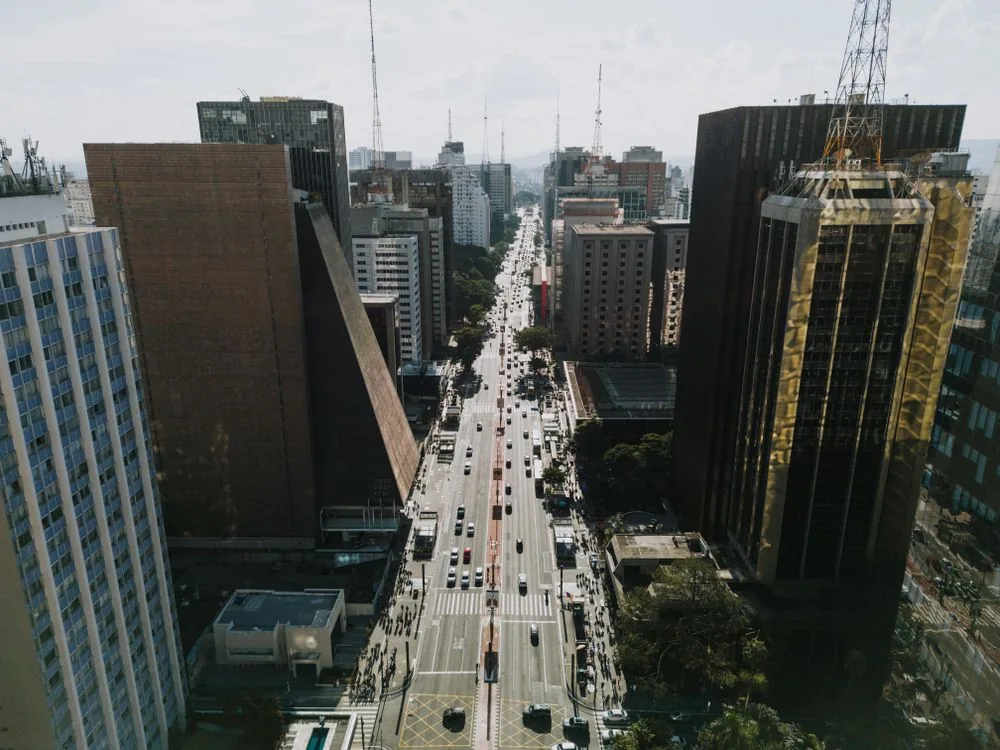
Put these together and the 2026 picture is clear: Brazil is open, the risk profile is routine Level 2, and no source currently suggests a change is imminent.
Are There Any Active Warnings or Events Tourists Should Know About?
No. As of April 2026, there are no active nationwide security emergencies, public-health emergencies, or natural disasters affecting tourism in Brazil. The State Department and CDC both maintain their standing postures — no new advisory overlays, no updated health emergency status (U.S. State Department — Brazil Travel Advisory, 2026; CDC Travelers' Health: Brazil, 2026).
That said, there are a few standing considerations worth checking right before you fly:
- Yellow fever vaccination is recommended by the CDC for travelers visiting most Brazilian states. Some countries also require it for onward travel from Brazil, which matters if Brazil is part of a longer trip.
- Dengue remains endemic in urban centers. Rio, São Paulo, Salvador, and Recife all see seasonal cases, especially January–April. Repellent with DEET or picaridin is the practical answer.
- Localized protests or public demonstrations happen from time to time, typically around major cities. They rarely target tourists but can disrupt transit. The FCDO guidance page is the fastest way to check if one is active during your dates (GOV.UK Brazil travel advice, 2026).
- Wildfire smoke and air-quality alerts in the Amazon region can affect Manaus, Porto Velho, and Rio Branco during the dry season (August–October). If your trip is in that window, factor it in.
None of the above is a reason to cancel a trip. They're items to check on the State Department and CDC pages within a week of departure, which is the habit STEP enrollees already have (step.state.gov, 2026).
Which Areas of Brazil Are Safer Right Now and Which Need More Caution?
Brazil is not one risk surface. Tourist experience varies dramatically by city and neighborhood, and "safe right now" is really a question of route, not country. The State Department's advisory explicitly calls out specific regions for additional caution, which is more useful than the nationwide Level 2 label alone (U.S. State Department — Brazil Travel Advisory, 2026).
Lower-friction places for tourists in April 2026 — meaning well-traveled, tourist-ready, and currently stable:
- Rio de Janeiro — tourist zones (Copacabana, Ipanema, Leblon, Barra da Tijuca, Santa Teresa by day). Use our Rio de Janeiro safety guide for neighborhood detail.
- São Paulo — Jardins, Pinheiros, Vila Madalena, Itaim Bibi. See the São Paulo safety guide.
- Gramado and Canela — southern Brazil mountain resort towns with one of the country's lowest tourist-crime profiles. Details in our Gramado safety overview.
- Florianópolis, Curitiba, Foz do Iguaçu — established tourism infrastructure and low street-crime rates for tourists.
- Trancoso, Praia do Forte, Porto de Galinhas — Northeast resort destinations with contained tourist zones.
Places that need more planning right now:
- Outer neighborhoods of Rio, São Paulo, and Salvador — parts well outside the tourist circuit where the property-crime risk climbs and visitors have no reason to be.
- Favelas without a licensed guide — favela tours are fine with vetted operators during normal hours; self-directed visits are not.
- Remote Amazon river routes — adventurous trips that need a licensed outfitter and clear evacuation planning, not DIY itineraries.
- Parts of the Northeast after dark — Salvador's Pelourinho is fine by day, but loses tourist density at night. See the Salvador safety guide and Recife safety notes for city-specific timing.

The practical move: pick the destinations above first, add the adventurous stuff later once you've got a feel for the country.
What Crime Risks Do Tourists Actually Face in Brazil Right Now?
Property crime — not violent crime — is the real risk tier tourists encounter in Brazil in 2026. The standout datapoint is that cell phone robberies in Rio rose 38% in 2024 to 21,423 recorded cases, per ISP-RJ's official public-security tracking (Instituto de Segurança Pública RJ (ISP-RJ), 2024). Phone snatching is now the single most common incident involving tourists across Brazilian cities.
Beyond phones, the UK FCDO and U.S. Embassy both currently flag the same cluster of scams:
- Card-machine swaps — vendors running a second terminal or inflated amount
- Rigged street taxis — "broken meter" trick, long airport routes
- Drink spiking in nightlife zones (known locally as "Boa Noite, Cinderela")
- ATM skimming and shoulder-surfing in tourist-dense areas
- Fake "helpers" near bus stations, ATMs, and major tourist entrances
All of these are preventable with habits, not luck. For the full playbook, see our common scams in Brazil guide — it covers each pattern with the specific prevention habit that defeats it.
What's not showing up in current advisories: broad kidnapping threats, terrorism risk, or political violence directed at foreigners. Brazil's 2026 risk profile for tourists is overwhelmingly about property, not people.
Is Brazil Safe for Americans Traveling Right Now?
Yes — the Level 2 advisory applies the same way for U.S. citizens as for other tourists, and there are no U.S.-specific warnings in force as of April 2026 (U.S. State Department — Brazil Travel Advisory, 2026). The U.S. maintains consular presence in Brasília, Rio de Janeiro, São Paulo, Recife, and Porto Alegre, which covers nearly every route a traveler would take.
Two practical points are unique to American travelers right now:
1. Visa requirement. Brazil reinstated its visa requirement for U.S. citizens effective April 2025. Americans now need an e-visa before traveling, not just a passport (U.S. Embassy and Consulates in Brazil, 2025–26). The process is online and fast, but it's not optional. If you haven't checked yet, start with our Brazil visa for Americans guide.
2. STEP enrollment. The Smart Traveler Enrollment Program is free and gives U.S. citizens automatic security updates, emergency contact, and evacuation assistance registration. Enroll before you go at step.state.gov. It takes five minutes and materially improves your response options if anything goes wrong.
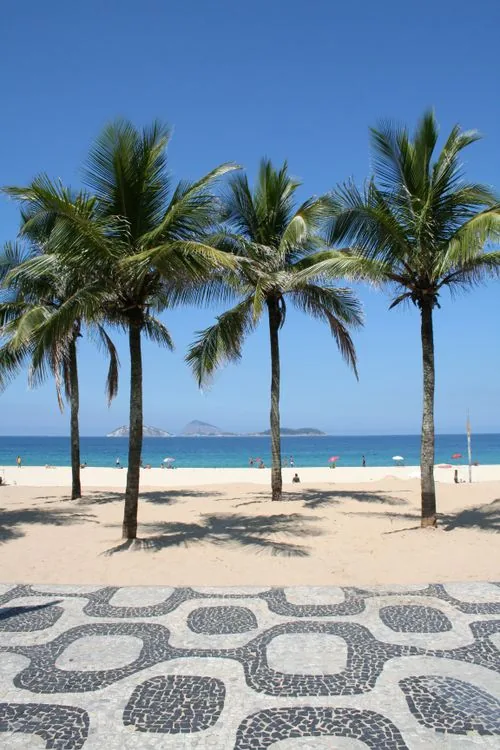
Beyond that, American travelers face the same risk profile as everyone else. American tourists are not targeted more than other nationalities in Brazil, and the same habits apply. Many travelers pair the STEP enrollment with travel insurance for Brazil as a two-part safety net.
What Habits Make Travel in Brazil Safer Right Now?
Six habits handle the vast majority of everyday risk for tourists in Brazil — and together they're the difference between a clean trip and an avoidable headache. None are exotic. All are the same playbook the State Department, FCDO, and every major travel insurer point to.
- Stick to tourist zones, especially after dark. Copacabana, Ipanema, and Leblon in Rio; Jardins and Vila Madalena in São Paulo; Pelourinho only by day in Salvador.
- Use Uber or 99, never unmarked street taxis. Both apps are widely available, meter-enforced, and remove the main transport scam surface. Street taxis are legal but attract more issues than they're worth.
- Keep your phone inside your front pocket. Don't walk with your phone in your hand. Don't scroll at a sidewalk café with the phone on the table. The ISP-RJ numbers are driven almost entirely by grab-and-run opportunities, and those opportunities are behavioral.
- Use ATMs inside bank branches during business hours. Standalone ATMs and hotel-lobby machines are fine; those in tourist-heavy corridors after hours are the higher-risk surface.
- Never let your card leave your sight. Tap-to-pay or contactless whenever possible, verify the amount on the display in BRL before approving, and type your PIN yourself.
- Enroll in STEP and buy travel insurance. STEP gives you automatic alerts; insurance gives you a claims process. Both are cheap and take less than an hour combined.
Apps like Brazil Safe Travel add a layer on top — geolocation-based risk zones, scam pattern references, and emergency Portuguese audio ready to play — but the six habits above do most of the work by themselves.
Is It Safe to Travel to Rio, São Paulo, and Salvador Right Now?
Yes for all three, with city-specific framing. Each of Brazil's three biggest tourist cities is currently operating at full visitor capacity, and each has a known safety shape a traveler should plan around.
Rio de Janeiro. Active tourism with active property-crime risk. Copacabana, Ipanema, and Leblon are the tourist anchors and remain the practical base for most trips. Phone theft is up (ISP-RJ, 2024); pickpocketing and distraction scams are steady. Use Uber, skip self-directed favela visits, and don't walk alone at night on unlit streets. Full detail in the Rio de Janeiro safety guide.
São Paulo. Typically calmer for street crime than Rio, with risk concentrated in specific downtown pockets most tourists don't visit. Jardins, Pinheiros, Vila Madalena, and Itaim Bibi are the everyday safe zones. The airport-to-city route is where taxi scams show up most often — pre-book a transfer or use Uber from the arrivals area. Full detail in the São Paulo safety guide.
Salvador. Culturally unique and safe by day in the Pelourinho historic center, Barra, and Rio Vermelho. Night-time visibility drops fast outside the main squares, and the city's tourist policing is uneven. The current advisory shape is the same — Level 2 — but the operational difference is "be earlier" rather than "be elsewhere." Full detail in the Salvador safety guide.
Smaller destinations like Gramado, Florianópolis, Trancoso, and Foz do Iguaçu sit outside this risk profile almost entirely. If your first Brazil trip is weighted toward these, the overall risk level drops meaningfully.
Frequently Asked Questions
Is it safe to travel to Brazil right now?
Yes. As of April 2026, the U.S. State Department places Brazil at Level 2 (Exercise Increased Caution) and the CDC is at Level 1 for travel health (U.S. State Department, 2026). There is no active emergency affecting tourists, and the country is operating at full tourism capacity.
Has Brazil's travel advisory changed recently?
No. Brazil has been at Level 2 with the U.S. State Department for several advisory cycles, and the current posture has not shifted in the last 12 months (U.S. State Department, 2026). The UK FCDO and CDC both hold similar stable postures for April 2026 (GOV.UK, 2026).
Are Rio de Janeiro and São Paulo safe right now?
Yes for tourist zones. Rio's Copacabana, Ipanema, and Leblon remain active and tourist-ready, though phone snatching is up 38% citywide (ISP-RJ, 2024). São Paulo's Jardins, Pinheiros, and Vila Madalena are typically calmer. Both cities reward standard big-city habits — Uber, front pocket, no flashing the phone.
Do I need a visa to travel to Brazil as an American right now?
Yes. Brazil reinstated the visa requirement for U.S. citizens effective April 2025 (U.S. Embassy and Consulates in Brazil, 2025). The e-visa process is online and typically fast, but it's not optional. Don't book flights before checking your visa status.
What should I do if something goes wrong during my trip?
Move to a safe indoor location first — a hotel, restaurant, or shopping center. Then call 190 for police, 192 for medical, or contact the nearest U.S. Embassy or Consulate. Brazil also offers online police reports via Delegacia Eletrônica in most states. Enrolling in STEP (step.state.gov, 2026) before departure streamlines embassy contact if needed.
Bottom Line: Is Brazil Safe Right Now?
Brazil is safe to travel to right now for most tourists. The U.S. State Department holds a Level 2 advisory, the CDC is at Level 1, and the UK FCDO's current posture matches. No active emergency, no new flashpoint, no travel ban. What has changed is the everyday property-crime picture — especially phone theft in Rio — and that's the tier you plan around, not the macro headlines.
The practical version of the answer is route-level, not country-level. Stick to tourist zones, use Uber or 99, keep your phone inside your pocket, never let your card leave your sight, use ATMs inside bank branches, and enroll in STEP before you fly. Americans should also confirm their e-visa before booking.
Start with the complete Brazil safety guide for the evergreen picture, the common scams in Brazil piece for the property-crime playbook, and travel insurance for Brazil for the last-mile protection. The Brazil Safe Travel app stitches all three into a live, pocket-sized reference when you land.