Is Salvador Brazil Safe? An Honest Guide for Tourists (2026)

Jump to section
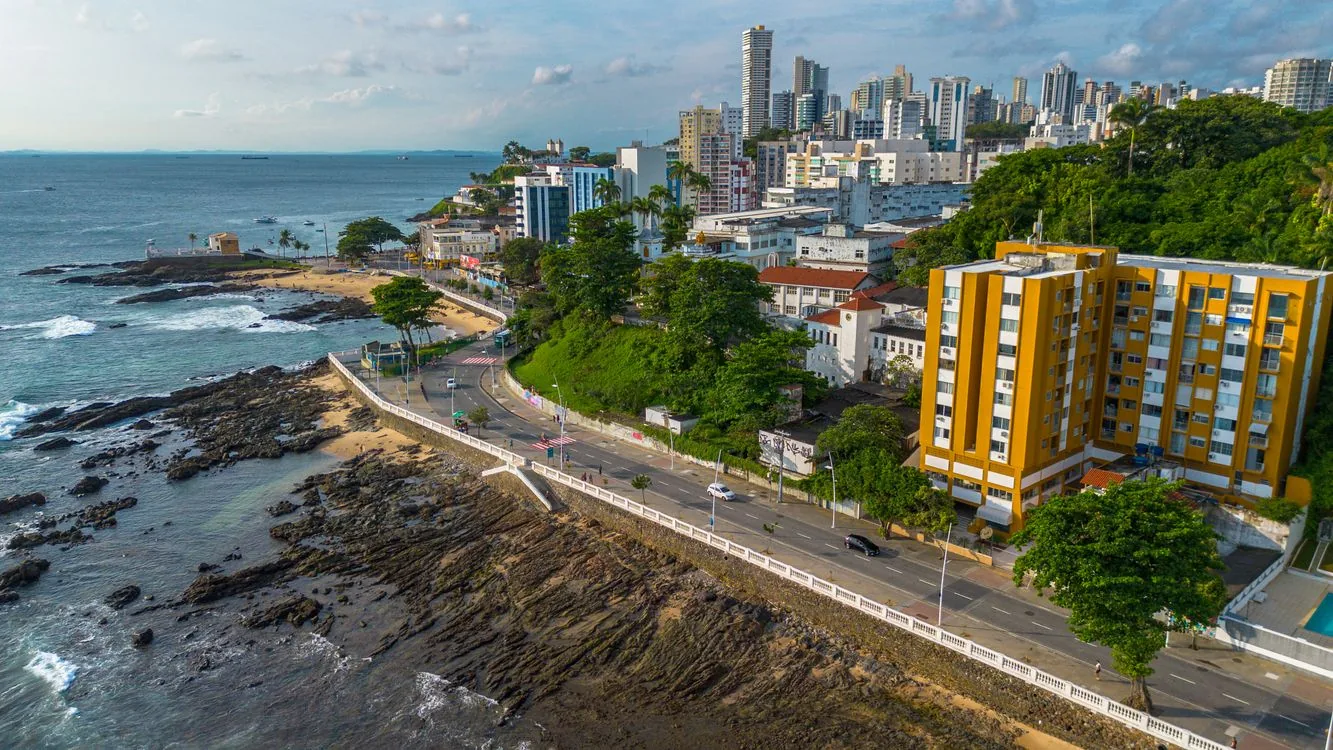
Updated April 2026: this guide uses current U.S. Embassy travel advisories, data from the Fórum Brasileiro de Segurança Pública (FBSP) Anuário 2025, and Atlas da Violência research from Ipea relevant to Salvador right now.
Is Salvador, Brazil safe? The short answer is more nuanced than either a flat yes or no. Salvador is the capital of Bahia and sits at the heart of Afro-Brazilian culture — the Pelourinho, the Carnival circuit, the candomblé temples, the capoeira on the steps. It also carries the heaviest statistical burden of any state capital in Brazil: 52.7 homicides per 100,000 inhabitants, the highest rate among Brazilian capitals, according to Atlas da Violência data published by Ipea and the Fórum Brasileiro de Segurança Pública (Atlas da Violência / Ipea + FBSP, 2022). But statistics about a whole city are not statistics about tourist corridors. Most violence in Salvador is concentrated in the periferia — the outer ring of low-income neighborhoods far from where visitors stay and explore. That distinction drives most of the practical answer.
If you need the country-level picture first, start with the full Brazil safety guide. If you are comparing Salvador with another Brazilian city trip, our Rio de Janeiro safety guide and Fortaleza safety guide give the contrast in detail.
Key Takeaways
- Salvador's headline crime statistics are high by Brazilian standards, but violence is overwhelmingly concentrated in the periferia and does not follow tourists into Barra, Rio Vermelho, or the daytime Pelourinho.
- Barra is the most consistently recommended neighborhood for first-time visitors: well-lit, walkable, strong police presence, and easy Uber access to the rest of the city.
- Carnival safety in Salvador depends almost entirely on one decision: inside the abadá rope corridor or outside in the free pipoca crowd. Inside is organized; outside is where most theft happens.
Is Salvador, Brazil Safe for Tourists in 2026?
For most visitors who stay inside the tourist corridor, yes — but the city rewards honest preparation rather than vague reassurance. The Atlas da Violência data, which tracks intentional homicides by municipality, shows Salvador at 52.7 homicides per 100,000 inhabitants — the highest of any Brazilian capital, and well over twice the national rate of 19.1 per 100,000 (Atlas da Violência 2026, Ipea/FBSP, 2024 data). That figure matters for understanding the city's structural violence, which is real and driven by gang territorial disputes in the periphery. What it does not describe is the safety experience of a tourist staying in Barra, walking through Pelourinho at noon, or having dinner in Rio Vermelho.
The trajectory is also worth noting. The FBSP's Anuário Brasileiro de Segurança Pública 2025 reported that intentional violent deaths in Bahia fell 8.4% in 2024 compared to the prior year, and Bahia's own Polícia Civil recorded a 15.3% drop in homicides in January 2025 alone (Agência Brasil / FBSP, 2025). Brazil as a whole saw a 5% decline in violent deaths in 2024. The city is still challenging by any objective measure, but the trend is moving in the right direction, and that context rarely appears in English-language travel safety content.
The U.S. Embassy and Consulates in Brazil currently list Travel Advisory Level 2: Exercise Increased Caution for Brazil as a whole (U.S. Embassy Brazil, 2026). That is the same advisory level applied to many Western European countries. For Salvador specifically, the practical implication is standard urban caution, not avoidance. Most safety concerns for tourists in the city are opportunistic petty crime — phone snatching, pickpocketing, and occasional armed robbery — rather than the gang-related violence that drives the headline statistics.
The statistics that matter most for tourists are not the same as the ones that drive the headline homicide rate.
Where Should Tourists Stay in Salvador?
Barra, Ondina, and Rio Vermelho are the three neighborhoods most consistently recommended by local residents, travel safety resources, and experienced guides for foreign visitors. Each serves a slightly different travel style, but all three share the same practical logic: they are close to the coast, well-lit at night, reasonably active after dark, and connected to the rest of the city by easy app-based transport. That combination is what makes a Salvador base work rather than simply being a cheap room near a famous landmark.
Barra is the most structured choice for first-time visitors. The neighborhood sits on a peninsula at the southern tip of the city, anchored by the Farol da Barra lighthouse — South America's oldest operational lighthouse — and the Porto da Barra beach, which is the most protected urban beach in the city. Barra has a strong police presence, hotel and restaurant density, and a walkable core that keeps most daily movement within a compact, familiar radius. It is also about a 20-minute Uber ride from the Pelourinho, which means day trips to the historic district are simple and the return is never complicated.
Ondina sits directly adjacent to Barra and offers a quieter alternative with the same coastal access. It attracts travelers who want beach proximity without Barra's busier commercial strip. Rio Vermelho is the third anchor and works best for visitors who want a more local, bohemian experience — it has a strong nightlife scene, a large LGBTQ+-friendly presence, and an active restaurant and bar corridor that stays busy enough to make late-night returns feel reasonably safe when handled by app-based transport.
Pituba and Itaigara, further inland and east, are primarily residential and business districts that see very few tourists. They are generally safe but add unnecessary transfer friction for a first visit. Pelourinho — the UNESCO World Heritage site at the heart of Salvador's colonial history — is where most daytime touring happens and where safety is manageable with standard urban awareness. It is not, however, a neighborhood to wander at night, and it functions best as a day-trip destination rather than a hotel base.
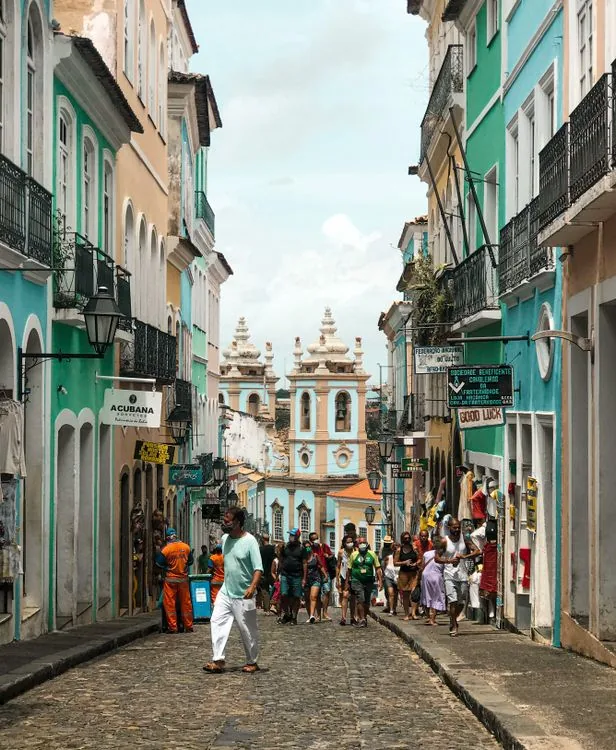
The best Salvador base is usually the one that makes daily movement between beach, meals, and the hotel shortest — not the one closest to a famous landmark.
What Should Tourists Avoid in Salvador?
Salvador's most serious danger is concentrated in the periferia — the outer ring of low-income neighborhoods where gang territorial disputes generate most of the city's headline violence. Subúrbio Ferroviário, Cajazeiras, Pau da Lima, and similar peripheral areas are not on any standard tourist itinerary and are not reachable by accident for a visitor whose hotel is in Barra or Rio Vermelho. The practical implication is straightforward: stay inside the recognized tourist corridor, and the gap between Salvador's statistical reputation and the lived tourist experience narrows considerably.
Within the tourist zones, the pattern of avoidable risk is more about behavior than location. Leaving a phone on the sand at the beach, walking back to the hotel after midnight because the route looked simple in daylight, waiting on a busy street with luggage visible while checking a map — these are the moments that create openings, not the neighborhoods themselves. Comércio, the older commercial waterfront district, is best avoided after dark. Liberdade, one of the world's largest predominantly Black communities and a significant cultural area, is worth visiting for major daytime events but should not be navigated at night without local knowledge.
One practical red flag: if an Uber route starts heading inland and away from the coast or the Pelourinho axis without explanation, verify the destination with the driver immediately. Most drivers are reliable, but confirming early is always worth the few seconds it takes.
All beaches in Salvador — including Barra — should be treated as higher-risk after sunset. Phone snatching on the beachfront after dark is among the most commonly reported incidents affecting tourists in the city, and the risk rises sharply once the daytime crowds thin out. That rule applies even on the quieter sections of Porto da Barra.
Is Salvador Safe for Solo Women, LGBTQ+ Travelers, and Families?
Salvador is manageable for solo female travelers who build the trip around the right neighborhoods and transport habits. Street harassment is present in the city and varies significantly by area, with catcalling common in busier parts of the Pelourinho and beachfront zones, though it rarely escalates to physical confrontation in daylight tourist areas. The stronger risk for solo women is the same as for any visitor: phone visibility on the beach, late-night solo walking, and improvised routes after dark. Travelers who keep to Barra and Rio Vermelho, use Uber at night, and take group tours or guided walks for Pelourinho tend to find the city manageable and genuinely rewarding (Queen On A Journey, 2024). For the broader country-level picture, our guide to solo female travel, families, and LGBTQ+ safety in Brazil covers the context in full.
Salvador is one of Brazil's more LGBTQ+-welcoming cities. Rio Vermelho has a well-established gay scene with bars and venues that are active throughout the week, and Carnival in Salvador has long been inclusive and celebratory across all identities. The general guideline that applies across Brazil holds here too: large urban tourist zones are accepting; discretion is still advisable in unfamiliar residential areas or conservative contexts. Hate crimes do occur in Brazil, so awareness of surroundings matters (IGLTA, 2025; Intrepid Travel, 2025).
For families with children, Barra and Ondina work well during daylight hours. Porto da Barra is a small, calm-water beach with fort walls on two sides that naturally contain the space and make it easier to supervise children. Carnival in Salvador with young children is not recommended — the crowds on the main circuits are dense, loud, and difficult to navigate safely even in the organized bloco sections. American tourists specifically do not face targeting by nationality but should apply the same calculus as any visitor: visible wealth creates risk in any Brazilian city. Using a local or eSIM, keeping cameras out of sight when not in use, and skipping jewelry for beach days removes most of the exposure.
Is Salvador Safe at the Beach?
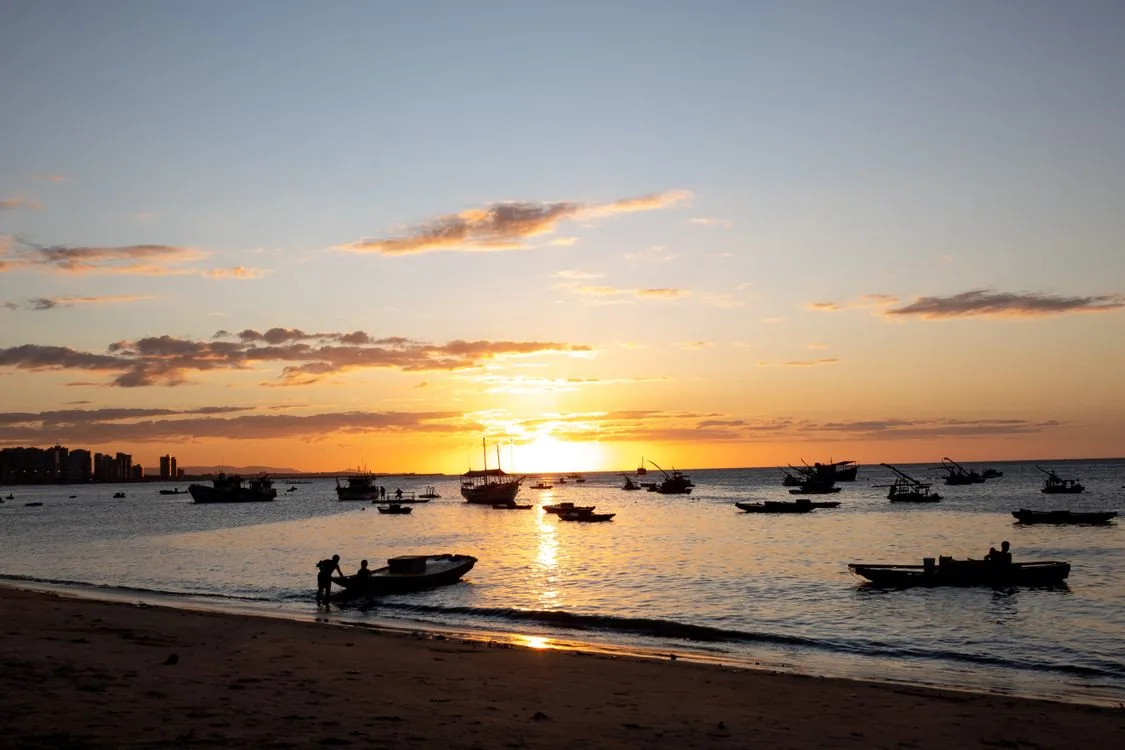
Salvador's beaches are one of the city's strongest draws and are generally safe during daylight hours when basic precautions are followed. Porto da Barra is the most protected urban beach in the city — small, calm water, surrounded on two sides by the walls of the Forte de Santo Antônio da Barra, with consistent police patrols and high foot traffic throughout the day. It is the easiest beach for first-time visitors to use safely. Barra beach itself is accessible and well-used during the day. Ondina, slightly north, is quieter and remains serviceable for a relaxed day with fewer crowds.
The standard beach safety rules that apply across Brazil apply with more urgency in Salvador. Bring only cash for the day — leave cards at the hotel. Use hotel towels rather than bringing expensive beach gear. Keep phones in a bag or pocket when not actively using them, and never leave them on the sand while swimming. The barracas (beach kiosks) dotted along the shore are legitimate and function as useful anchor points — buying food and drinks there keeps you in a fixed, staffed location rather than drifting toward less-monitored stretches of sand.
The rule that matters most in Salvador is the after-dark one: all beach areas, including Porto da Barra and Barra beach, become significantly higher-risk once the daytime crowd thins out. Phone snatching on the beachfront at night is among the most commonly reported incidents affecting tourists in the city. That is not an argument against the beach — it is an argument for treating the beach as a daytime activity and planning the evening around a different kind of itinerary.
Is Salvador Safe During Carnival?
Salvador's Carnival is one of the largest in the world, drawing more than 750,000 visitors over six days of events across multiple circuits (Carnivaland, 2025). It is also the safest Carnival experience in Brazil when approached correctly, and the least safe when approached carelessly. The variable that determines which experience a tourist has is almost entirely one decision: inside the abadá rope corridor or outside in the free pipoca crowd.
The abadá system is Salvador's Carnival infrastructure. Visitors purchase a bloco t-shirt — called an abadá — which grants access to the protected corridor that surrounds the Trio Elétrico float as it moves through the circuit. Inside the corridor, a private security team manages the space, controls access, and keeps the crowd organized. Theft and pickpocketing inside are not common (Salvador Guidebook, 2025). The pipoca experience is the free alternative: street revelers who follow the circuits without abadás, absorbing the music from outside the rope. It is culturally authentic and part of what makes Salvador Carnival different from Rio. It is also where most tourist theft incidents occur, because the crowds are denser, less controlled, and more anonymous.
The two main tourist-facing circuits are Barra–Ondina and Pelourinho. The Barra–Ondina circuit runs along the coastal road from Farol da Barra toward Ondina Beach, attracts the biggest blocos, and has the most organized tourist infrastructure. The Pelourinho circuit is shorter, more concentrated, and carries a stronger cultural weight — Olodum's drum corps and the historic cobblestones make it a more atmospheric experience, but the tighter space and narrower streets make navigation harder in a large crowd.
The practical rules for Salvador Carnival are the same whether you use an abadá or not. Withdraw cash during the day before circuits start because ATMs run dry once the crowds arrive. Bring a waterproof fanny pack or similar carrier rather than a backpack. Screenshot your hotel address and a backup Uber pickup pin before going out because cell signal is unreliable during peak crowd moments. Pre-arrange a driver or have an agreed return plan before leaving — not after you are tired and moving through a crowd at 2am.
Salvador Carnival safety depends on one decision. Inside the rope corridor or outside it changes almost everything else.
Getting Around Salvador Safely
Uber is the safest and most practical transport option for tourists in Salvador at every hour of the day. The app-based model removes negotiation from the equation, creates a record of the trip, and lets travelers share route details with contacts before getting in. Always confirm the driver's name, photo, and license plate before entering, and do not get into a vehicle that approaches you outside the app. Salvador has solid Uber coverage throughout the tourist neighborhoods and most transit routes a visitor would need. Ride-hailing app 99 also operates in the city and functions similarly.
Hotel-called taxis are the acceptable alternative when app-based transport is unavailable — the front desk selection adds a layer of accountability that street-hailed taxis do not have. Hailing taxis on the street, especially at night or near Carnival circuits, is not recommended.
Public buses in Salvador are functional and used daily by residents. During the day, they are an option for budget travelers on established routes, but they are crowded and carry a higher pickpocket risk than app-based alternatives. Using public buses at night is not advisable for tourists unfamiliar with the city's route geography.
Barra and Rio Vermelho are the only two neighborhoods where extended walking makes sense at night, and only within their established core corridors. Pelourinho is walkable during the day. Walking between neighborhoods after dark — from the Pelourinho back to Barra, for example — is exactly the kind of improvised late-night transition that makes Salvador more dangerous than it needs to be. An Uber for that route costs very little and removes a meaningful amount of risk.
Car rental is not recommended for first-time visitors. Salvador's traffic is dense and frequently chaotic, the Pelourinho's colonial street grid is designed for pedestrians, and GPS navigation in the historic district loses reliability quickly in the narrow lanes.
If you are planning around the best season to visit Salvador and want to connect timing with safety considerations, our best time to travel to Brazil guide covers the seasonal context across the Northeast region.
What Should You Do If Something Goes Wrong in Salvador?
The most useful response in Salvador is fast and procedural. If a phone or wallet is taken, the sequence is: move immediately into a hotel lobby, restaurant, or any staffed indoor space; lock cards and payment accounts before anything else; then begin the reporting process. Brazil's national emergency number is 190 for the Polícia Militar and 192 for SAMU (medical emergencies). Bahia's state security secretariat, SSP-BA, provides official public safety information and incident-reporting channels (SSP-BA, 2026).
For non-emergency incidents including theft, filing a boletim de ocorrência (incident report) through official digital channels creates the legal record needed for insurance claims and is generally faster than visiting a physical delegacia. Most hotels in the tourist zones have staff who can assist with translation and walk visitors through this process. For American travelers, the U.S. Embassy and Consulates in Brazil maintain STEP enrollment for travelers who want to receive security updates and maintain consular contact information (STEP, 2026). Enrolling before the trip is a short task that simplifies consular contact significantly if documents or safety conditions escalate.
Before you go, make sure you have the right travel insurance for Brazil — it is the most practical preparation step that most travelers skip until after something goes wrong.
Salvador is the capital of Bahia, and the rest of the state reads differently — the coast, Chapada Diamantina and the interior are covered in our Bahia state guide. Bahian cooking is also the reason many people come: what to eat, and how to eat it safely.
Frequently Asked Questions
Is Salvador, Brazil safer than Rio de Janeiro?
Statistically, Salvador's homicide rate of 52.7 per 100,000 (Atlas da Violência 2026, Ipea/FBSP, 2024 data) is higher than Rio de Janeiro's in the same dataset. In practical terms for tourists, the two cities operate at a similar level of safety when visitors stay in recommended areas — Barra and Rio Vermelho in Salvador function much the way Ipanema and Leblon do in Rio. The difference shows up more in urban geography: Salvador's tourist zones are more compact and easier to remain within.
Is Pelourinho safe to visit?
Yes — during the day, with standard urban awareness. The Pelourinho is one of the most culturally significant destinations in Brazil and entirely worth visiting. Avoid it after 9–10pm on most nights. Thursday evenings are an exception: the traditional Olodum drum performances draw large crowds and a strong police presence, making late Thursdays workable for visitors who go specifically for that event and plan transport home in advance.
What is the safest neighborhood to stay in Salvador?
Barra. It consistently ranks first in recommendations from local safety resources, travel forums, and visitor reports because it combines the most useful features for a tourist base: good hotels, Porto da Barra beach, a lighthouse and fort that anchor the public space, walkable daytime streets, and reliable Uber access for evening movement (World Nomads, 2025; Salvador Guidebook, 2025).
Is Salvador safe for solo female travelers?
Salvador is manageable for solo female travelers who base in Barra or Rio Vermelho, use Uber after dark, and plan Pelourinho visits during the day — ideally with a group tour or organized guide rather than solo exploration. Street harassment is present and more frequent than in some other Brazilian cities, but physical escalation in daylight tourist zones is uncommon. Beaches after sunset should be avoided alone (Queen On A Journey, 2024).
Is Salvador safe during Carnival?
Yes, if you use the abadá system. Purchase a bloco abadá t-shirt and follow the Barra–Ondina circuit inside the rope corridor — that is the safest structure Salvador Carnival offers. Pipoca (the free street crowd outside the rope) is where most pickpocketing and opportunistic theft happen, so if you join it, bring only cash and nothing you cannot afford to lose. Plan your return transport before going out, not after (Salvador Guidebook, 2025).
Salvador is harder to dismiss as unsafe than headlines suggest, and harder to call effortlessly safe than some travel guides prefer. The honest version is in between: a city with real structural violence concentrated in the periferia, a tourist corridor that is genuinely workable when chosen and used well, and a cultural experience — the Pelourinho, the Carnival, the Afro-Brazilian music and food — that justifies the preparation. The strongest trip to Salvador is the one that does not pretend the statistics are irrelevant, and does not let them become the only story.
Stay in Barra or Rio Vermelho, keep Pelourinho as a daytime destination, use Uber at night, and build the Carnival approach around the abadá system. Most of the risk in Salvador is avoidable when those decisions are made before the trip rather than during it.
For the broader context, return to the full Brazil safety guide. For timing around Carnival and the Northeast dry season, keep this paired with the best time to travel to Brazil guide. And before you go, make sure you have the right travel insurance for Brazil.