Is Fortaleza Safe? Beaches, Tips & What Tourists Should Know

Jump to section
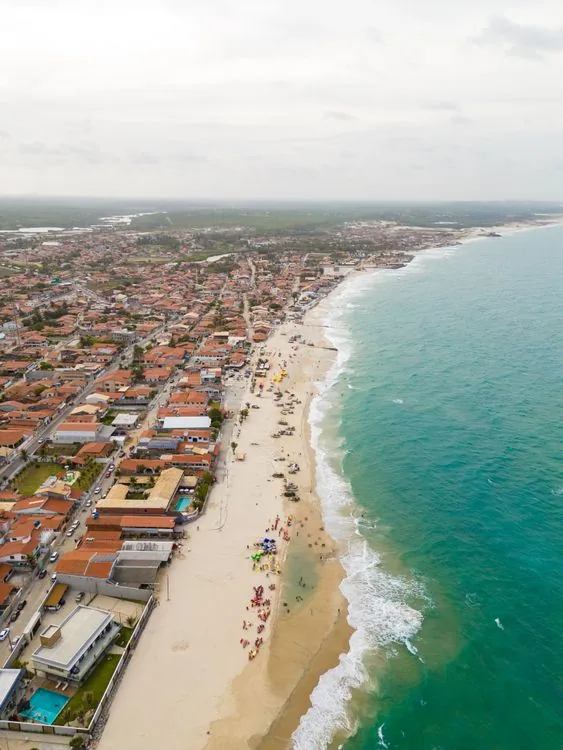
Updated April 2026: this guide uses current U.S. guidance, CDC traveler-health recommendations, Ceará public-safety tools, and recent Semace beach updates relevant to Fortaleza right now.
Is Fortaleza safe? Usually yes for many trips, but the city works best when travelers plan it as a beach-and-city route rather than as a generic tropical vacation. Fortaleza can feel easier than outsiders expect because its strongest tourist logic is relatively simple: hotel-heavy beachfront corridors, straightforward leisure patterns, and a clear split between daytime beach movement and nighttime return decisions. At the same time, the city gets less forgiving when travelers expose phones on the beach, improvise long late-night walks, or arrive without a clean airport-to-hotel plan.
The official framing supports that more balanced answer. The U.S. Embassy and Consulates in Brazil currently display Travel Advisory Level 2: Exercise Increased Caution for Brazil and recommend STEP enrollment for travelers who want updates and consular contact support (U.S. Embassy and Consulates in Brazil, 2026; STEP, 2026). Meanwhile, CDC's Brazil traveler page keeps Fortaleza inside a much more specific health discussion: routine vaccines, mosquito precautions, and route-specific health prep matter, but yellow fever vaccine is not generally recommended for travel limited to Fortaleza and Recife (CDC Travelers' Health: Brazil, 2026).
If you still need the country-level answer first, start with our full Brazil safety guide. If you are deciding whether Fortaleza fits a broader route, keep this article paired with the broader Brazil travel planning content on the site.
Key Takeaways
- Fortaleza can work well for tourists, but the city feels safer when beach exposure, airport transfer, and nighttime returns are planned as one system.
- CDC says yellow fever vaccine is not generally recommended for travel limited to Fortaleza, but dengue prevention and routine vaccine readiness still matter.
- The strongest Fortaleza setup is simple: stay in a proven beach corridor, keep phones out of sight on the sand, and avoid weak late-night transitions.
Is Fortaleza Safe for Tourists in 2026?
For many travelers, yes, but the answer depends on whether the trip is routed around clean beach habits and structured movement. The U.S. Embassy and Consulates in Brazil currently show Travel Advisory Level 2: Exercise Increased Caution for Brazil, while CDC's Brazil page keeps Fortaleza inside a route-specific health framework rather than a generic panic narrative (U.S. Embassy and Consulates in Brazil, 2026; CDC Travelers' Health: Brazil, 2026). That is why the useful answer for Fortaleza is not simply yes or no. The city is manageable, but only when travelers do not confuse a beach city with a frictionless city. In practice, the trip works best when beach exposure, hotel choice, and after-dark movement are planned together rather than one by one.
Fortaleza's tourist risk profile is different from São Paulo and different from Rio. It is less about megacity transit saturation and less about event-heavy beachfront spectacle. Instead, the trip usually turns on a few repeat decisions: what kind of beach routine you keep, whether the hotel base simplifies return routes, how exposed you are after dark, and whether you know what to do if a phone or wallet disappears. In that sense, Fortaleza often feels easier than its broader national reputation suggests, but only when the trip stays inside predictable patterns.
Fortaleza Tourist Bases That Work Best
Tourists usually do best where hotel density, beach access, and transport options line up cleanly instead of pulling against each other. Fortaleza is not well served by generic safe-versus-dangerous neighborhood ranking content because the city makes more practical sense when you ask which corridor gives you the easiest daily rhythm. In most cases, that means a stronger beachfront base rather than a cheaper stay that creates extra night movement. For a first-time visitor, the strongest base is usually the one that shortens the route between hotel, beach, dinner, and the ride back rather than the one that promises the lowest nightly rate. The more those daily moves collapse into one clean corridor, the easier Fortaleza tends to feel. That is usually the difference between a relaxed beach trip and a tiring one.
For many first-time visitors, the most workable logic sits around the better-served beachfront and hotel corridors, especially where the orla, dining, and pickup points stay active and legible. That does not mean every block works equally well. It means the city tends to reward hotel-rich areas where the beach routine, dinner plans, and ride home remain short and obvious.
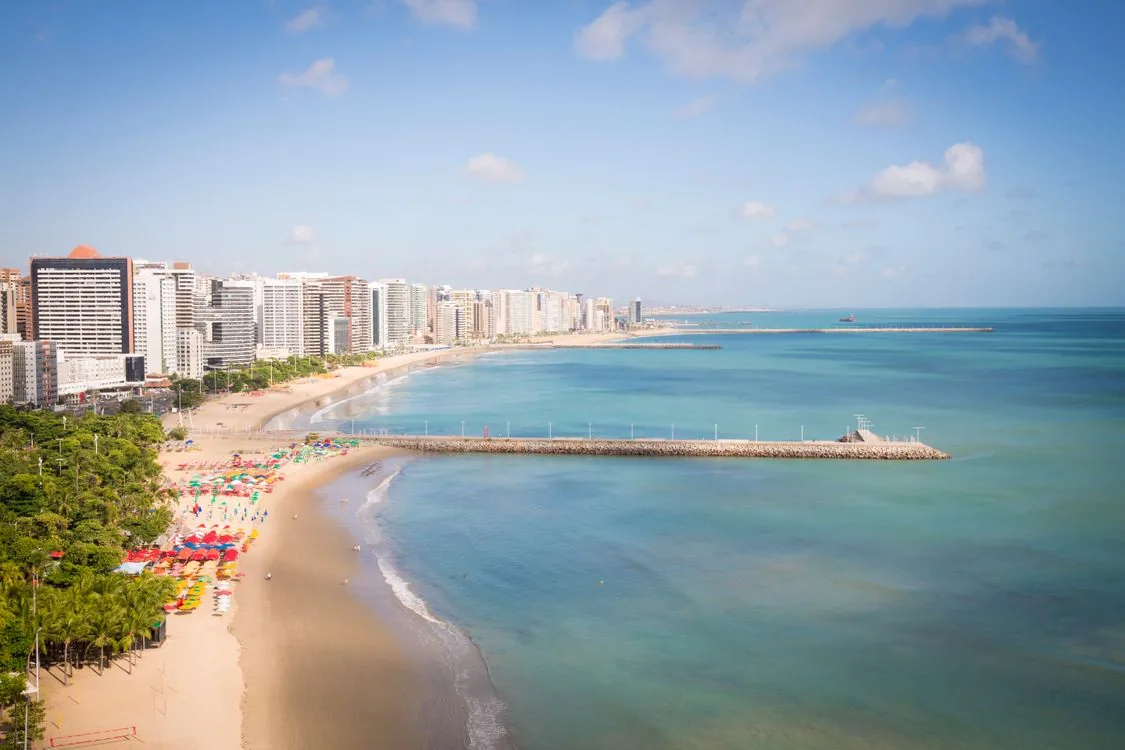
The cleanest tourist-base logic usually looks like this:
| Base type | Best for | Why it works | Tradeoff |
|---|---|---|---|
| Strong beachfront hotel corridor | First-timers, couples, short stays | Cleaner beach routine, simpler pickup points, easier day-to-night flow | Higher nightly cost |
| Orla stay with structured nightlife | Travelers who want beach plus dinner and bars | Easier to keep late returns short | Requires more discipline after dark |
| Inland budget stay | Price-sensitive travelers | Lower cost | More transfer friction and weaker return logic |
The strongest Fortaleza base is usually the one that removes weak transitions between beach, dinner, and the trip back.
If you are comparing Fortaleza with other Brazil city styles, our Sao Paulo safety guide shows how different the logic becomes in a megacity route.
What Should Tourists Avoid in Fortaleza?
Tourist risk in Fortaleza is usually less about one dramatic citywide threat and more about small, repeated openings: visible devices on the beach, weak late-night transitions, curbside waiting, and loose arrival habits. Ceará's public-security system, SSPDS, publishes official monthly indicators, dashboards, and downloadable public-safety data for the state, which is a useful reminder that local risk should be read through actual systems and context rather than rumor-heavy listicles (SSPDS Ceará, 2026). For visitors, the most important takeaway is simple: beach relaxation and city awareness have to coexist. Fortaleza works best when the tourist keeps the casual beach mood without carrying that same casual logic into phones, bags, and post-dinner movement. What feels minor in one moment is often what creates the opening in the next.
The most avoidable mistakes are usually these:
- leaving phones exposed on the sand or promenade
- walking too far at night because the route looked simple in daylight
- waiting outside with luggage or a lit phone after arrival
- treating beach-adjacent nightlife like it guarantees a safe walk back
- assuming a beach city means low-friction movement at every hour
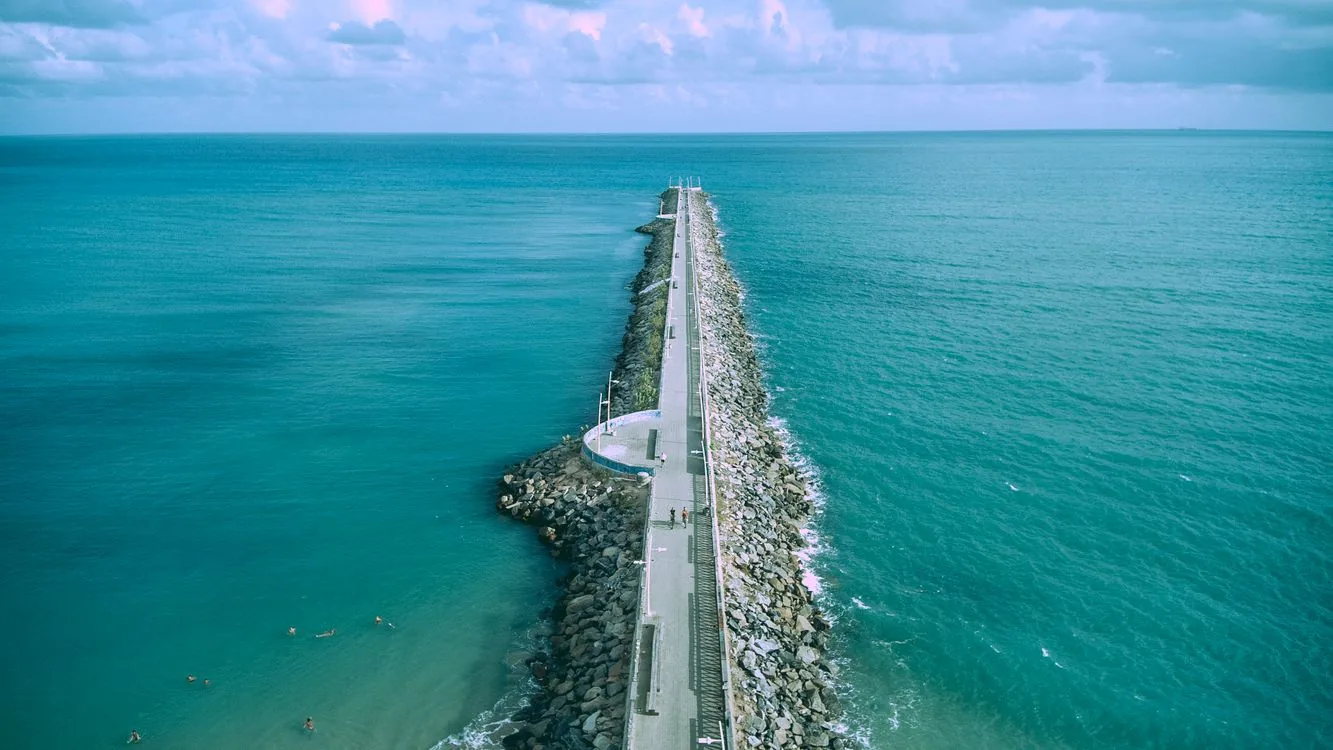
What to avoid in Fortaleza is not best answered by a blacklisted-neighborhood page. It is better answered by understanding where tourists become predictable. On the beach, predictability means devices, bags, and distraction. At night, predictability means the extra walk, the weak pickup point, or the assumption that a busy seafront still removes risk. In Fortaleza, safety improves when the transition back to the hotel is treated as part of the outing itself.
Fortaleza Beach and Night Safety
Beach use in Fortaleza can be manageable, but risk rises when the trip shifts from daylight leisure into nighttime movement without a clean return plan. The local pattern is not the same as Rio's event-heavy beach culture and not the same as São Paulo's dense urban rhythm. Fortaleza's tourist logic is more coastal: daytime beach use, seafront movement, and then a sharper difference after dark when longer walks and weaker pickup points become less forgiving. That is why the city can feel easy at 3 p.m. and noticeably less forgiving a few hours later if the route back has not already been simplified. The more the beach day turns into a loose, open-ended night, the weaker the tourist setup usually becomes.
That means the strongest beach-and-night pattern is straightforward:
- keep devices off display on the beach
- make dinner and nightlife choices that simplify the trip back
- use app-based transport for late returns
- avoid treating beachfront familiarity as a reason to improvise after midnight
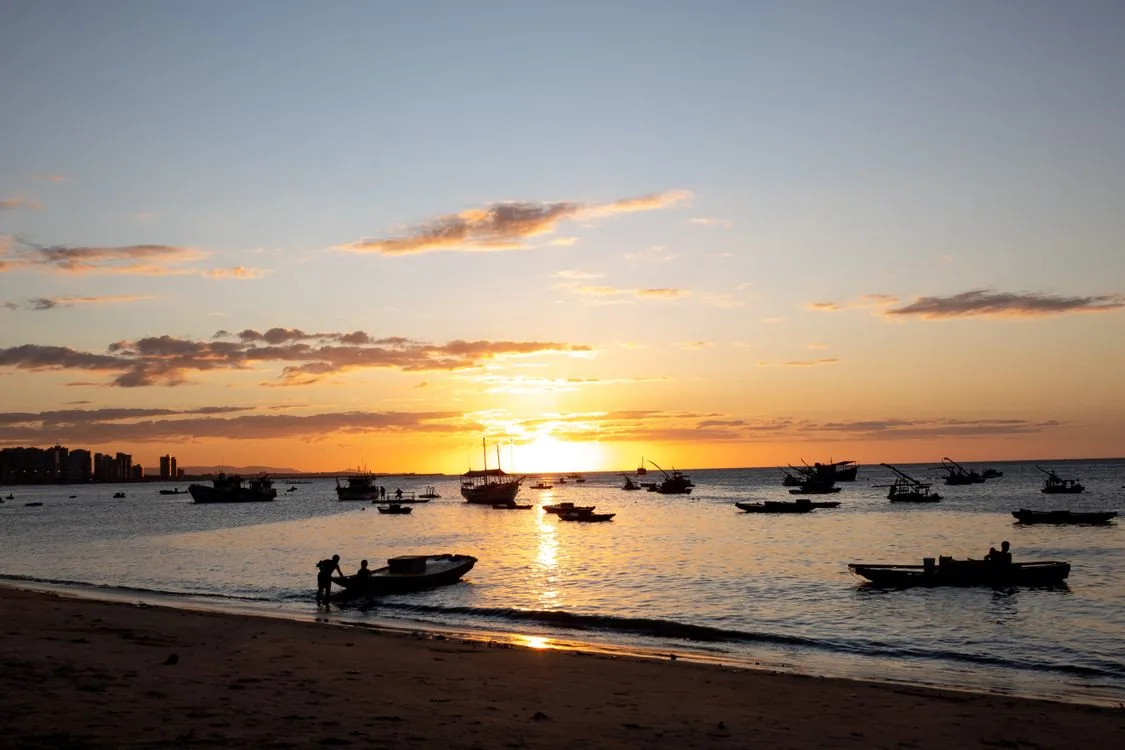
The point is not that Fortaleza becomes unusable at night. It is that the city gets more dependent on route discipline once the beach hours are over. Many travelers do fine when they keep late movement short, direct, and app-based. The trip gets weaker when the relaxed daytime logic is carried unchanged into the return.
Is Fortaleza Airport Transfer and Local Transport Safe?
Usually yes with structured transfers, especially on arrival and late returns. Fortaleza rewards the traveler who decides the airport-to-hotel workflow before leaving the terminal rather than after reaching the curb. That logic is similar to other Brazil cities, but it matters even more in a coastal trip where the first movement often determines whether the traveler arrives feeling settled or immediately exposed. In practice, the safest arrival is usually the one with the fewest open decisions once the luggage is in your hand. Travelers usually do best when the airport leg is treated as part of safety planning rather than as a routine taxi decision made on the spot. The smoother that first transfer is, the stronger the rest of the trip usually feels.
For local movement, the simplest hierarchy is still the strongest:
Airport arrival
- know your hotel address and pickup method before landing
- prefer app-based transport or a clearly structured transfer
- do not improvise on the curb while checking maps with luggage visible
Local urban movement
- keep daytime beach and dining movement simple
- use app-based transport for night returns
- avoid turning a short ride into a long exploratory walk after dark
The most useful Fortaleza transport advice is not complicated. It is mostly about removing indecision from the first and last legs of the day.
If arrival planning is still part of your Brazil prep, keep this page paired with the visa logistics in our Brazil visa guide for Americans.
What Health Risks Matter in Fortaleza?
Fortaleza does not need to be framed like Amazon travel, but dengue prevention, routine vaccines, and beach-condition awareness still matter. CDC's Brazil traveler page says yellow fever vaccine is not recommended for travel limited to the cities of Fortaleza and Recife, which is one of the most useful route-specific corrections a traveler can make when moving from broad Brazil content into city planning (CDC Travelers' Health: Brazil, 2026). At the same time, CDC still says unvaccinated travelers should be current on routine vaccines and COVID-19 and often consider Hepatitis A, Hepatitis B, and Typhoid depending on how the trip is structured. That means the practical Fortaleza health answer is not “ignore health prep.” It is “use the right health prep for this exact coastal route.”
Fortaleza's more relevant health logic is therefore practical rather than dramatic. CDC's dengue guidance stresses repellent, longer clothing when useful, and screened or air-conditioned lodging because mosquitoes bite day and night (CDC Dengue Prevention, 2025). CDC's measles guidance also says international travelers should be fully vaccinated with MMR at least two weeks before departure (CDC Measles Travel Guidance, 2024).
There is also a Fortaleza-specific layer that generic Brazil guides usually miss: Semace's weekly beach bulletins. In its April 6-12, 2026 bulletin, Semace said 10 Fortaleza beach points were suitable for bathing, which is exactly the kind of practical update that changes daily beach planning more than generic reassurance ever will (Semace, 2026).
The right health setup for Fortaleza is lighter than Amazon planning, but it is still route-specific and worth doing properly.
What Should You Do If Something Goes Wrong in Fortaleza?
The strongest response in Fortaleza is procedural and local. Ceará's public-safety system offers more practical tools than many tourists realize, including the state's Delegacia Eletrônica for online police reports, Meu Celular for preregistering devices and notifying police if a phone is stolen, and Disque-Denúncia 181 with phone, web, and WhatsApp channels (Delegacia Eletrônica Ceará, 2026; Meu Celular, 2026; 181 Ceará, 2026). That makes Fortaleza easier to recover from than many competitors suggest, provided the traveler moves quickly into formal systems instead of improvising on the street. The more standardized the response becomes, the faster the trip moves from disruption back to control.
If something goes wrong:
- move into a hotel, restaurant, shop, or another controlled indoor space
- lock cards, phone access, and key accounts immediately
- use local emergency support if there is an active threat
- file the report through
Delegacia Eletrônicawhen the situation allows - use
Meu Celularif the device was preregistered - contact your consulate and review STEP messages if documents or safety conditions escalate
Fortaleza also benefits from newer local monitoring infrastructure. In April 2026, the city announced its new integrated videomonitoring center with more than 7,000 cameras connected to public-security systems, which does not remove risk but does show that local response capacity is not static (Fortaleza Prefeitura, 2026).
Is Fortaleza a Good First Northeast City for Tourists?
Often yes, especially for travelers who want a simpler urban-coastal setup rather than a loose multi-city Northeast itinerary. Fortaleza can make sense as a first Northeast city because the trip structure is relatively legible: hotel, beach, meals, and short transfer logic can all stay compact when chosen well. That is not the same as saying the city is effortless. It means the route can be easier to control than more fragmented itineraries. For many first-timers, that clarity matters more than chasing a busier multi-city plan with more decisions and weaker daily rhythm. In practical terms, Fortaleza is often strongest when the traveler wants one manageable city-plus-beach system instead of a more ambitious regional circuit. That simpler structure is often exactly what makes a first Northeast trip feel doable.
For many first-timers, that makes Fortaleza a practical complement to the broader Brazil planning logic. If you want one easier city-plus-beach system instead of a multi-stop Northeast circuit, Fortaleza can be a workable choice. If you want a city with more cultural depth and richer day-trip range at the cost of a more complex safety system, our Recife safety guide covers how Boa Viagem, shark warnings, and rainy-season planning change the calculus there. For Bahia, our Salvador safety guide covers how Pelourinho, Carnival, and the Barra corridor work on a first visit. If you want to compare the seasonality side of that decision, use our best time to travel to Brazil guide together with the broader Brazil route-planning content on the site.
Heading south along the coast, Natal is the next major stop and the one most often paired with Fortaleza on a Northeast route.
Frequently Asked Questions
These are the questions most travelers still ask once the broad Brazil safety question narrows into one coastal city and one practical itinerary. Most of them are really asking whether Fortaleza stays manageable when beach routine, airport logistics, and late-night returns all have to work together instead of separately.
Is Fortaleza, Brazil safe for tourists?
For many travelers, yes, especially when they keep beach routines simple, avoid weak late-night transitions, and plan airport-to-hotel transport before arrival.
What should tourists avoid in Fortaleza?
Tourists usually do best when they avoid visible devices on the beach, long improvised walks after dark, and curbside indecision with luggage or phones exposed.
Is it safe to walk on Fortaleza beaches at night?
That depends more on the exact route and return plan than on generic reassurance. The city is usually less forgiving once the beach day has shifted into nighttime movement.
Do tourists need yellow fever vaccine for Fortaleza?
CDC says yellow fever vaccine is not generally recommended for travel limited to the cities of Fortaleza and Recife, but dengue prevention and routine vaccine readiness still matter.
What should I do if my phone is stolen in Fortaleza?
Move into a controlled indoor space, lock accounts immediately, file the report through Ceará's official channels, and use Meu Celular if your phone was preregistered.
Is Fortaleza a good first trip to Brazil's Northeast?
It can be, especially if you want a simpler beach-and-city setup instead of a broad regional circuit with more transfers and weaker daily control.
Fortaleza can work well for tourists, but the strongest version of the trip is the one that stays simple. The city usually feels easier when the hotel base is well chosen, the beach routine is disciplined, the airport leg is already decided, and the late-night return is not left to improvisation. If you still need the wider country view, go back to the full Brazil safety guide. If you are comparing Fortaleza with a very different urban Brazil trip, use the Sao Paulo safety guide. For timing, keep this article paired with our best time to travel to Brazil.