Is Ubatuba, Brazil Safe for Tourists? Honest 2026 Guide

Jump to section
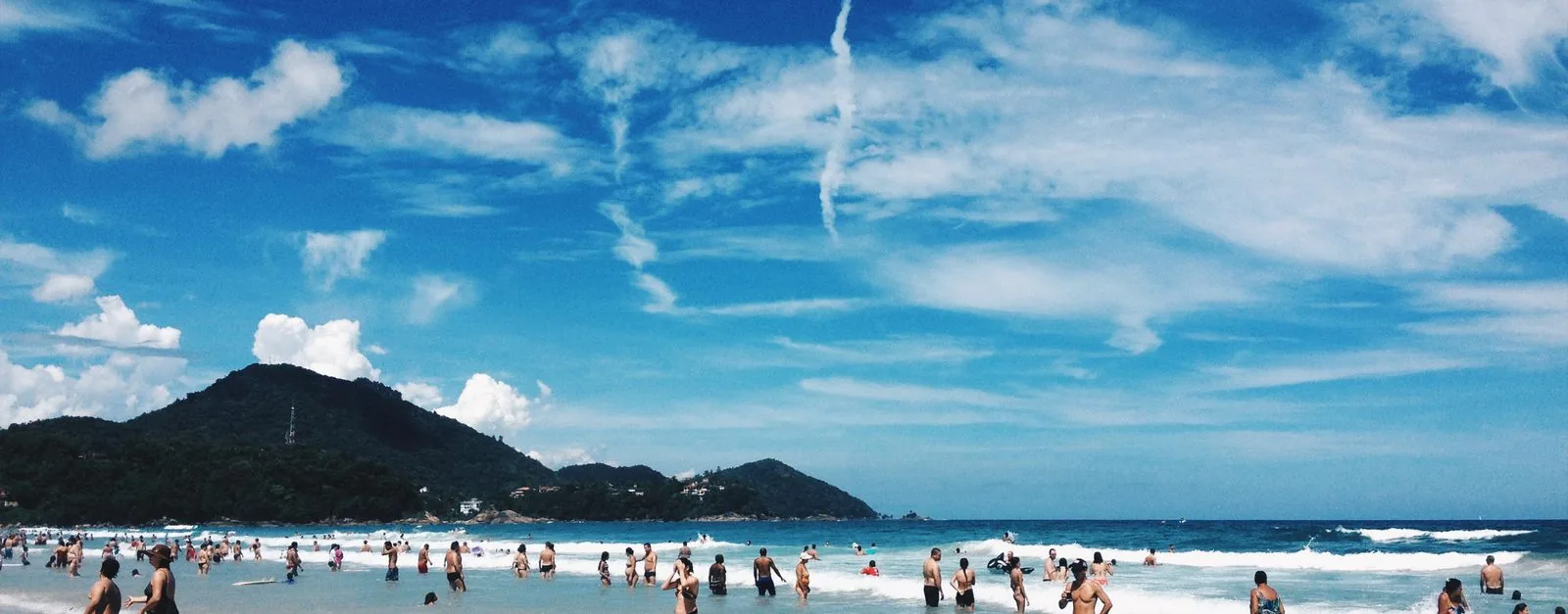
Photo: Denilson Santos de Oliveira on Pexels
Updated April 2026: this guide draws on U.S. Embassy travel advisories, São Paulo State Public Security Secretariat (SSP-SP) data, FBSP Anuário 2025, and verified traveler accounts for Ubatuba.
Is Ubatuba safe? The answer starts with geography. Ubatuba sits on the northern coast of São Paulo state, wedged between the Serra do Mar mountains and the Atlantic Ocean, about three hours from the city of São Paulo. It has over 100 beaches spread across 100 km of coastline, a UNESCO-recognized Atlantic Forest backdrop, and an economy built almost entirely on Brazilian domestic tourism and an increasing share of international visitors. That economic structure matters for safety — a lot.
São Paulo state recorded the lowest homicide rate of any major Brazilian state in 2024: 5.9 per 100,000 inhabitants, the lowest figure in 24 years (SSP-SP / Rio Times Online, 2024). That's roughly three times below Brazil's national average. If you want to understand whether Ubatuba is safe, that's where the conversation starts — not with the national headlines that describe conditions in Rio de Janeiro or Fortaleza, which are very different places.
If you want the full national picture first, start with our Brazil safety guide. If you're specifically planning a São Paulo coast trip and want to know what to realistically expect in Ubatuba, keep reading.
Key Takeaways
- Ubatuba is located in São Paulo state, which recorded a homicide rate of 5.9 per 100,000 in 2024 — the lowest in 24 years and roughly 3× below Brazil's national average (SSP-SP, 2024).
- Petty theft — phone snatching, pickpocketing, bag grabs from beaches — is the primary tourist risk, not violent crime.
- The main tourist areas (Itaguá, Praia Grande, Tenório) are safe for day and evening activity with standard precautions.
- Brazil's violent death rate fell 5% in 2024, reaching its lowest point since 2012 (FBSP Anuário, 2025).
- The U.S. Embassy Level 2 advisory for Brazil was not written about Ubatuba specifically — it covers the entire country, including significantly higher-risk areas.
Is Ubatuba, Brazil Safe for Tourists in 2026?
For most visitors, yes — Ubatuba is a low-risk destination by Brazilian standards and a very low-risk destination by São Paulo state standards. Brazil's violent death toll fell 5% in 2024, reaching a national homicide rate of approximately 17.9 per 100,000 — the lowest recorded in over a decade (Ministry of Justice / Agência Brasil, 2025). The country's trend line is moving in the right direction, and Ubatuba sits in the safest corner of an already-improving national picture.
The U.S. Embassy and Consulates in Brazil maintain a Travel Advisory Level 2: Exercise Increased Caution for Brazil as a whole (U.S. Embassy Brazil, 2026). That same Level 2 status applies to dozens of active tourist destinations around the world. The conditions that push Brazil's overall rating higher — gang activity in major urban centers, security concerns in peripheral neighborhoods of large cities — aren't the conditions you encounter in a coastal beach town whose entire economic life depends on tourism.
Travelers who report back on Ubatuba describe the experience consistently: the daytime beach and town atmosphere is relaxed and accessible, violent crime is not a visible presence in tourist areas, and the main concerns are the same opportunistic petty theft risks that apply to any popular beach destination anywhere in the world.
How Does Ubatuba Compare to the Rest of São Paulo and Brazil?
São Paulo state's 2024 homicide rate of 5.9 per 100,000 made it the safest major state in Brazil by a significant margin — roughly three times below the national average of 17.9 per 100,000 (SSP-SP data via Rio Times Online, 2024). The state recorded approximately 2,517 intentional homicides in 2024, a 3.38% decrease from the prior year. For international travelers used to reading Brazil's national crime headlines, this context is crucial.
São Paulo the city — Brazil's largest metro, with 12 million people in the municipality alone — drives much of the state's absolute numbers but still performs well on a rate basis given its population. The São Paulo coast north of Santos, where Ubatuba sits, operates under a fundamentally different risk profile from the metro area. These are established beach tourism zones where the visitor-to-resident ratio during peak season runs high and where municipal resources are concentrated on visitor experience and public safety.
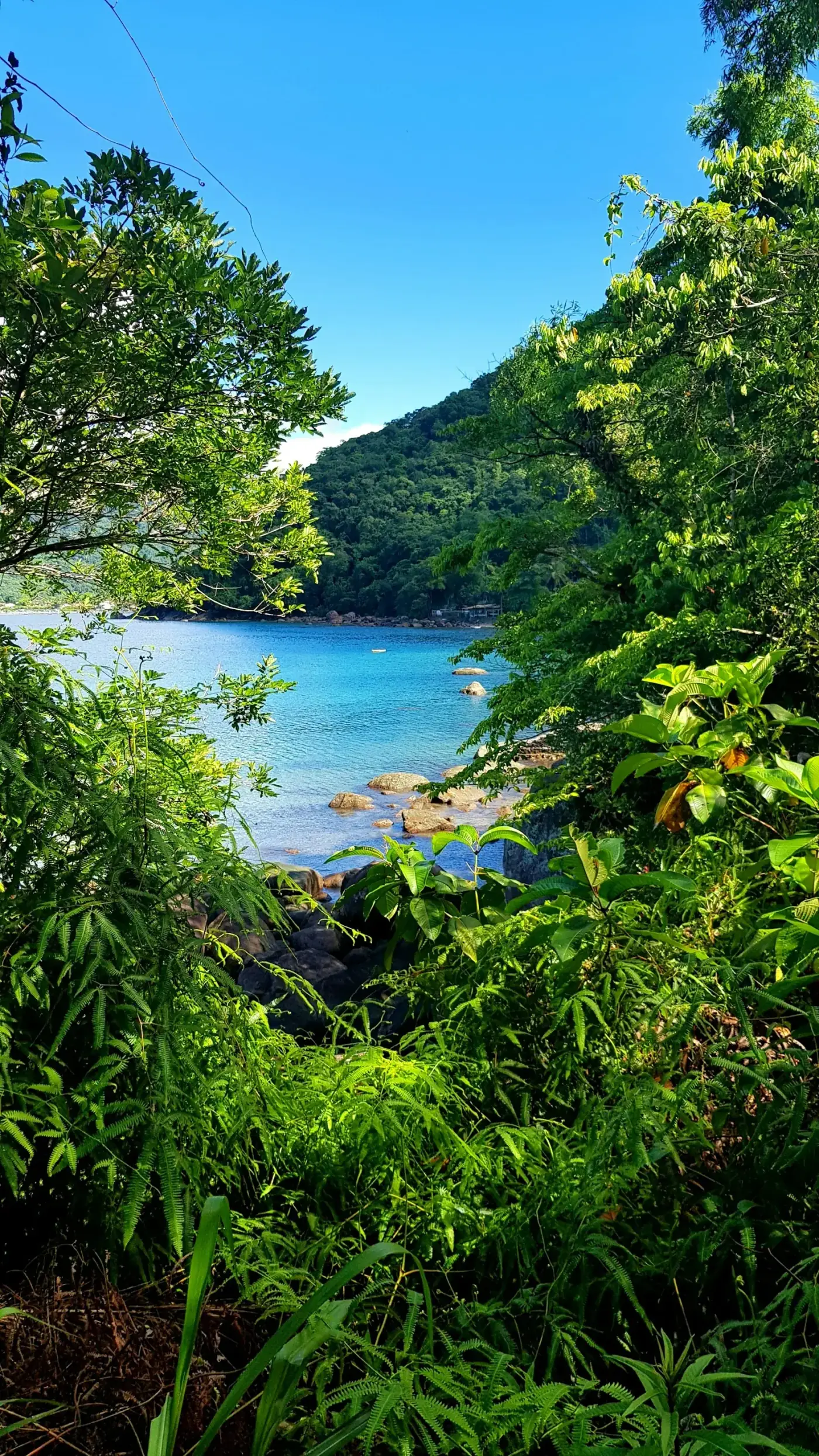
Photo: Everton Souza Ramos on Unsplash
For travelers considering multiple destinations, our São Paulo city safety guide details the specific neighborhoods and conditions that drive the metro area's risk. Those conditions don't transfer to a beach town where the city center IS the tourist district.
What Are the Real Risks for Tourists in Ubatuba?
Ubatuba's tourist risk profile is narrow. Petty theft — phone snatching, bag grabs on beaches, pickpocketing in crowded areas — is the primary concern. Violent crime against tourists is not a documented pattern in the tourist zones.
The behaviors that reduce petty theft risk are the same ones you'd apply at any popular beach destination:
Phones on the beach: Don't leave your phone visible and unattended on your towel. When you go in the water, bring only what you're willing to lose, or use a waterproof phone pouch that stays on you. Phone snatching is opportunistic — remove the opportunity and you remove most of the risk.
Bags and valuables: Bring a simple beach bag rather than your full travel backpack. Leave passports, extra cards, and large amounts of cash at your accommodation. Most beach towns in Brazil — and globally — give this same basic advice.
Vehicle security: Don't leave bags, laptops, or electronics visible inside a parked car. Rental cars attract attention when they look like tourist vehicles with gear inside.
Ocean conditions (often overlooked): One risk that English-language content almost never covers for Ubatuba is rip currents. Several beaches here have strong surf — it's not called the Surf Capital of São Paulo State for nothing. Praia do Itamambuca and similar high-wave beaches have real ocean safety considerations that have nothing to do with crime. Always check flag conditions before entering the water: yellow flag means caution, red flag means no swimming. This is the safety risk that actually harms the most tourists at Ubatuba.
Weather on trails: Ubatuba gets more rainfall than most Brazilian coastal destinations — locals call it "Ubachuva" (chuva = rain). Flash flooding on mountain roads and waterfall trails is a real consideration during summer months (December through March). This matters for day trips into the Serra do Mar and Atlantic Forest.
Which Beaches and Areas Are Safest in Ubatuba?
Ubatuba stretches across 100 km of coast, so "where to stay" has genuine practical implications for how easy your visit will be — not just safety, but logistics, services, and the right beach for your travel style.
Itaguá (city center) is the most practical base for first-time visitors. It's where most restaurants, pharmacies, banks, and evening activity are concentrated. It's the most walkable, the best-lit at night, and has the highest density of services within walking distance. The urban beach here is calmer than the surf beaches further north — more suitable for casual swimming than surfing.
Praia Grande is one of the most popular family beaches — a long stretch of sand with calm water on one end and surf on the other. It's well-serviced and has lifeguards during the high season. Being popular at peak season also means it gets crowded, which is when the usual petty-theft precautions matter most.
Tenório and Toninhas offer a mix of calm and moderate surf and attract a combination of Brazilian families and international visitors. These neighborhoods feel quieter than Itaguá at night but are manageable for most travelers.
Praia Vermelha do Sul and Lázaro are calmer, family-friendly beaches in the southern section of the coast. Lázaro's waters are consistently ranked among Ubatuba's clearest, and the lower-surf environment makes it a good option for families with young children.
The remote northern beaches — Prumirim, Ubatumirim, and the beaches accessible only by boat or trail — are beautiful and low-traffic. They're not dangerous in any meaningful way, but they lack infrastructure and lifeguards. Treat them as day-trip destinations rather than bases, especially if you're traveling solo.
The general rule: anchor yourself in Itaguá or within 10-15 km of the center, rent a car if you want to explore the outer beaches on your own schedule, and treat the remote northern stretches as day excursions.
Is Ubatuba Safe at Night?
The Itaguá center and the nearby main beach areas maintain enough activity through the dinner and early evening hours to feel comfortable. Ubatuba isn't a late-night club city on the scale of São Paulo or Florianópolis, which means the risk profile after midnight is relatively low — mainly because there's simply less concentrated late-night activity in most areas.
Practical night guidance:
- The restaurant and bar strip around Itaguá is active and comfortable through the dinner window. Walking to and from dinner in this zone is generally fine.
- Avoid isolated beach stretches after dark. Walking the beach between Itaguá and Tenório alone at midnight is an unnecessary risk — use an app-based transport service or local taxi for that kind of movement.
- Keep the same phone and valuables awareness that applies during the day. Opportunistic theft doesn't stop at sunset, and crowded nightlife areas create the same conditions as crowded daytime beaches.
- Uber operates in the Ubatuba area for most longer inter-neighborhood trips. For movement within the immediate center, walking is fine. For anything that takes you to a quieter beach neighborhood after dark, use transport.
Practical Safety Tips for Visiting Ubatuba
Getting these steps right before and during your trip removes most of the minor risk that remains in Ubatuba.
Enroll in STEP before you fly. The U.S. State Department's Smart Traveler Enrollment Program (STEP, 2026) takes five minutes online and gives the U.S. Embassy a contact record for you in a genuine emergency. It also delivers current advisories directly to your inbox — no downside to doing it.
Get travel insurance that covers Brazil. Medical infrastructure in Ubatuba handles minor incidents, but serious injuries or illness may require transfer to São Paulo. Emergency evacuation without coverage is expensive. Our travel insurance for Brazil guide covers what to look for in a policy.
Check surf and flag conditions before water activities. Red flags mean no swimming. Yellow means caution. Several of Ubatuba's beaches have powerful surf and rip currents — these are the real safety risks for most tourists, and they're entirely manageable with a glance at the flag before you enter the water.
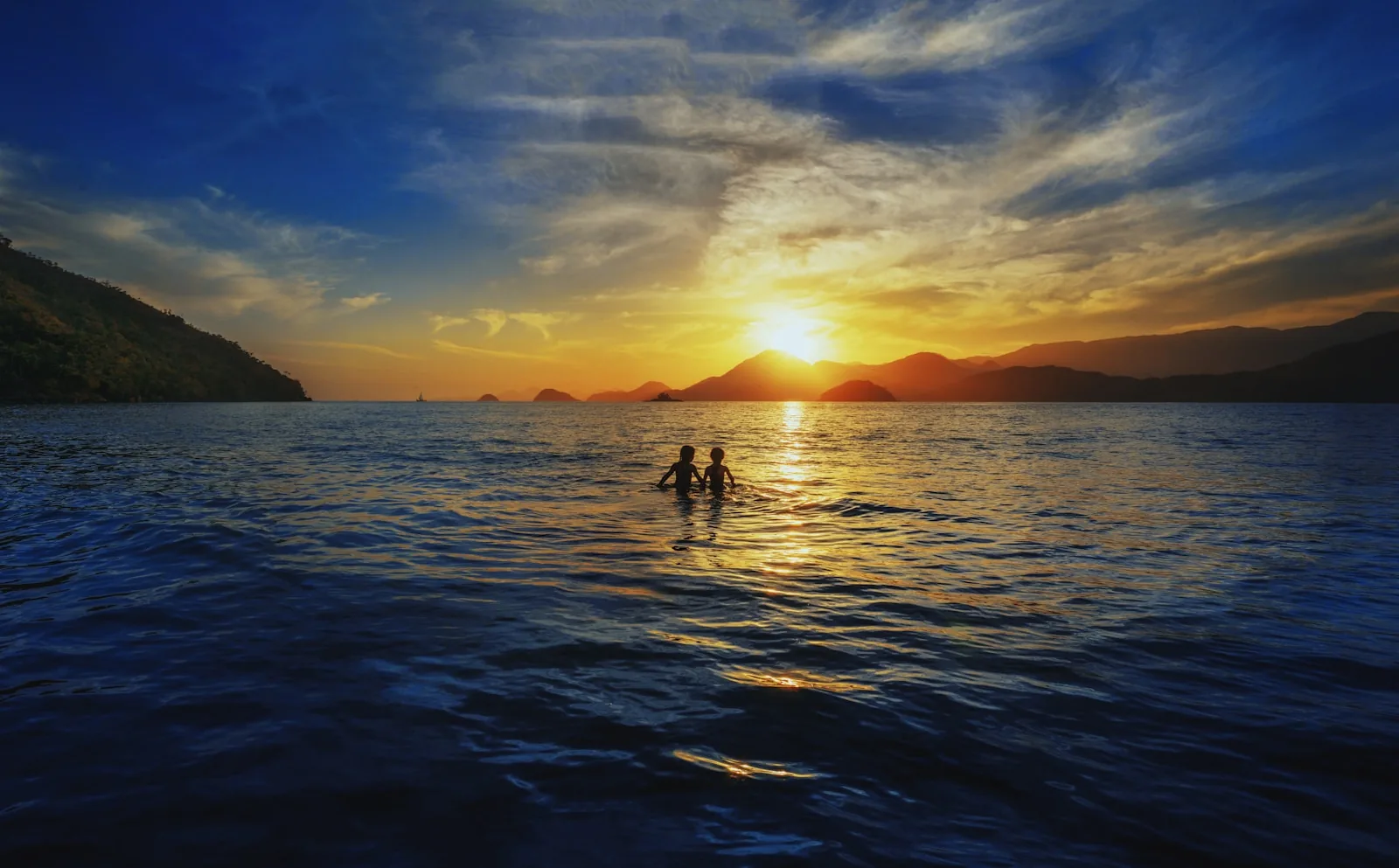
Photo: Ruy Reis on Unsplash
Plan around the weather. The winter months (June–September) offer drier conditions, fewer crowds, and better trail access through the Serra do Mar. Brazilian summer (December–March) brings peak heat, peak crowds, and significantly more rainfall. Our best time to travel to Brazil guide covers the São Paulo coast's seasonal pattern in detail.
Use ATMs safely. Use machines inside bank branches or large supermarkets rather than standalone street ATMs. Carry only the day's spending cash, not your full budget.
Emergency numbers to save: 190 (Polícia Militar), 192 (SAMU — emergency medical services), 193 (Corpo de Bombeiros — fire and rescue).
For broader context on Brazil safety by traveler profile — including solo female travelers, families, and LGBTQ+ visitors — our Brazil safety guide by profile covers nuances that general safety guides miss.
What to Do If Something Goes Wrong
If you experience theft or any incident in Ubatuba, the process is straightforward by Brazilian standards.
For petty theft, follow these steps to document the incident and support any insurance claim:
- Go to the Delegacia de Polícia in Ubatuba — the main station is in the city center. Show your passport and use a translation app if needed. Fluent Portuguese isn't required.
- Request a Boletim de Ocorrência (official police report). This document is required for any travel insurance claim related to theft.
- Contact your travel insurer with the police report, your policy number, and a list of stolen items with approximate values.
- If a credit card was stolen, call your bank's 24/7 international emergency line immediately to freeze the card — most U.S. banks have this number available online or through their app.
- For medical emergencies, Ubatuba has the Hospital Municipal Dr. Oswaldo Leite for standard care. Serious conditions may require transfer to São Paulo. Travel insurance with medical evacuation coverage makes this a logistics problem rather than a financial crisis — which is exactly why it's worth having before you leave home.
For U.S. citizens who need consular assistance, the nearest U.S. Consulate is in São Paulo (U.S. Embassy and Consulates in Brazil, 2026). STEP enrollment means your contact details are already in the system.
Frequently Asked Questions
Is Ubatuba safe for solo female travelers?
Ubatuba is generally considered a comfortable destination for solo female travelers. Its beach-town size, active tourist zones, and daytime culture make it more accessible than Brazil's major urban centers. Standard precautions apply: use reputable accommodation, share your itinerary with someone at home, use app-based transport after dark, and trust your instincts. For broader Brazil context on safety by traveler profile, see the dedicated Brazil safety guide for solo female travelers, families, and LGBTQ+ visitors.
Which beaches in Ubatuba are safest for families?
Praia Grande, Lázaro, and Toninhas are consistently recommended for families — calm waters, lifeguards during peak season, and adequate beach infrastructure. Praia do Itamambuca is beautiful but has heavy surf and is better suited for experienced surfers than families with young children. Regardless of beach, check the flag conditions before entering the water.
Do I need a visa to visit Ubatuba?
U.S. citizens traveling to Brazil no longer need a tourist visa for stays up to 90 days, following the bilateral arrangements in place since 2023. For current requirements and any recent changes, see our Brazil visa guide for American citizens.
How does Ubatuba compare to other Brazilian beach destinations for safety?
Ubatuba is one of the safer beach destinations in Brazil, largely because of São Paulo state's consistently low crime profile. It compares favorably to Fortaleza (Ceará), Recife (Pernambuco), or Salvador (Bahia) — all of which carry higher crime rates in their home states. Within São Paulo state, Ubatuba is broadly comparable to other established coastal towns like Ilhabela or Caraguatatuba in terms of tourist safety profile.
When is the best time to visit Ubatuba?
May through September — São Paulo's winter and early spring — offers the best combination of drier weather, fewer crowds, and lower accommodation prices. The summer months (December–March) bring peak heat, peak crowds, and significantly more rainfall. Locals call Ubatuba "Ubachuva" for good reason: its proximity to the Serra do Mar mountains makes it one of the rainier coastal destinations in Brazil during summer. Surf season peaks around June–August when swells are more consistent, drawing surfers from across the country.
The Bottom Line
Ubatuba isn't a zero-risk destination — nowhere is. But the risks it presents to tourists are narrow, well-understood, and manageable with standard precautions. You're in São Paulo state, which recorded a homicide rate of 5.9 per 100,000 in 2024 — the lowest in 24 years and the lowest of any major Brazilian state.
The national headlines that make some travelers nervous about Brazil describe conditions in very different parts of the country. The risk that actually exists in Ubatuba is opportunistic petty theft in crowded tourist areas, and it's manageable with common-sense habits around phones, bags, and valuables. Ocean safety — understanding surf conditions and rip currents — is a more meaningful practical concern for most visitors than crime.
If you're planning a São Paulo coast trip, Ubatuba's safety profile is a reason to plan with confidence, not to hesitate. Standard precautions, travel insurance, and a bit of local knowledge about which beaches suit which activities give you everything you need to have a great trip.
For help timing your visit around the best weather and beach conditions on the São Paulo coast, see our best time to travel to Brazil guide.