Brazil Travel Packages: Safer Booking Guide

Jump to section

Updated April 2026: this guide uses current 2024-2026 tourism, visa, booking, and traveler-risk context to help U.S. travelers evaluate Brazil travel packages before they pay a deposit.
Brazil ended 2024 with 6,773,619 foreign tourists, up 14.6% year over year, and the United States was Brazil's second-largest source market with 728,537 visitors (Ministry of Tourism, 2025 reporting on 2024). That creates a lot of package demand. It also creates a lot of pages that look helpful while hiding the real question: is this actually a good Brazil trip for the way you want to travel?
This is the practical answer. A package can bundle hotels, transfers, and tours. It cannot automatically tell you whether the hotel area is smart, whether the route is overbuilt, whether the timing is painful, or whether the operator is quietly leaving the riskiest details to you.
This article does not recommend one specific operator. Its purpose is narrower and more useful: help you screen brazil travel packages, travel package brazil, and travel packages brazil with a safer, more realistic checklist before you book.
Before you judge any operator or package design, get the country-level context in our Is Brazil safe? guide.
Key Takeaways
- Brazil welcomed 6.77 million foreign visitors in 2024, but package buyers still need to check neighborhood fit, route shape, and timing before paying (Ministry of Tourism, 2025 reporting on 2024).
- Brazil travel packages all inclusive work best for simple resort-led trips, not for every multi-stop Brazil itinerary.
- The app does not sell packages. It helps you sanity-check local risk, scam patterns, and movement decisions before and during the trip.
What Should You Check Before Booking Brazil Travel Packages?
Brazil travel packages should be treated as draft itineraries, not finished decisions, because high demand does not guarantee good trip fit. Brazil welcomed 6.77 million foreign visitors in 2024, and U.S. travelers made up 728,537 of those arrivals, but that volume says more about demand than quality control (Ministry of Tourism, 2025 reporting on 2024). A package can simplify checkout and coordination while still leaving you with a weak hotel area, a poorly sequenced route, or daily movement that creates avoidable friction. The safest way to evaluate a package is to screen route logic, hotel location, timing, exclusions, and on-the-ground movement before you compare the price tag or commit emotionally to the itinerary.
Use this order:
- Check the route first. Which cities are included, and does the sequence make sense?
- Check the hotel area second. A decent hotel in the wrong area can still create daily friction.
- Check timing third. Carnival, New Year's Eve, and shoulder season change the value dramatically.
- Check what is not included. This is where weak packages usually reveal themselves.
- Check how the trip works on the ground. Transfers, night arrivals, beach movement, and tourist-scam exposure still matter.
That is the real purpose of this article. It is not here to crown one package. It is here to stop you from buying the wrong one.
The biggest mistake package buyers make is assuming a package solves local decision-making. It usually solves payment and coordination. Those are not the same thing.
Choosing the Right Package Type
Brazil travel packages all inclusive, brazil travel tours, and luxury travel brazil solve different traveler problems, which is why comparing them as if they are interchangeable usually leads to a bad booking decision. Expedia's Unpack '25 found that 42% of Gen Z travelers would prefer an all-inclusive resort, with 41% citing lower stress and 39% citing easier booking (Expedia Group, 2024). That preference is real, but it does not mean all-inclusive is the right fit for every Brazil route. Beach-led stays, guided multi-city trips, airfare bundles, and custom itineraries each optimize for a different mix of convenience, route control, and planning support. The right package type depends less on the sales page and more on the kind of trip you actually want to live through.
| Package Type | Best For | Where It Works | Where It Breaks |
|---|---|---|---|
| Airfare + hotel bundle | Budget-conscious city or beach trips | Short Rio or resort-led trips | Weak for complex multi-stop routing |
| Guided package | First-time visitors who want coordination | Multi-city first trips | Lower control over pace and hotel choice |
| Brazil travel packages all inclusive | Beach-first couples and families | Resort or coast-led stays | Weak for culture-heavy or city-heavy routes |
| Private custom itinerary | Travelers who want control with support | Rio + Iguazu, Rio + Salvador, luxury routes | Higher cost and less price transparency |
| Luxury Brazil travel package | Honeymoon or premium service buyers | High-comfort, specialist-led routes | Easy to overpay for branding instead of actual value |
If you want one quick decision rule, use this: the simpler your trip, the more likely a standard package helps. The more specific your route, the more likely you need a customized structure.
If you are still working out where to go, start with our Brazil travel destinations guide before you compare operators.
What Does a Brazil Travel Package Usually Leave Out?
Two in every three international tourists entering Brazil arrive by air, which is why many travel package Brazil offers are designed around flights, hotel blocks, and transfers even when important decisions are still left to the traveler (Ministry of Tourism, 2025 reporting on 2024). In practice, weak packages usually fail in the exclusion section, not in the headline. The landing page may make the trip look turnkey, but the harder questions often remain open: who is handling visa responsibility, whether insurance is meaningful, whether domestic transport details are fixed, and whether cancellation terms protect you if plans change. A package can look complete while still transferring most of the real travel risk back to the buyer.
What is often included:
- Lodging
- Airport pickup and sometimes airport drop-off
- Some meals
- Selected tours
- Light coordination support
What is often weak, vague, or excluded:
- Travel insurance
- Visa fees and timing responsibility
- Domestic transport detail
- Optional excursions
- Night-arrival planning
- Cancellation flexibility that actually protects you
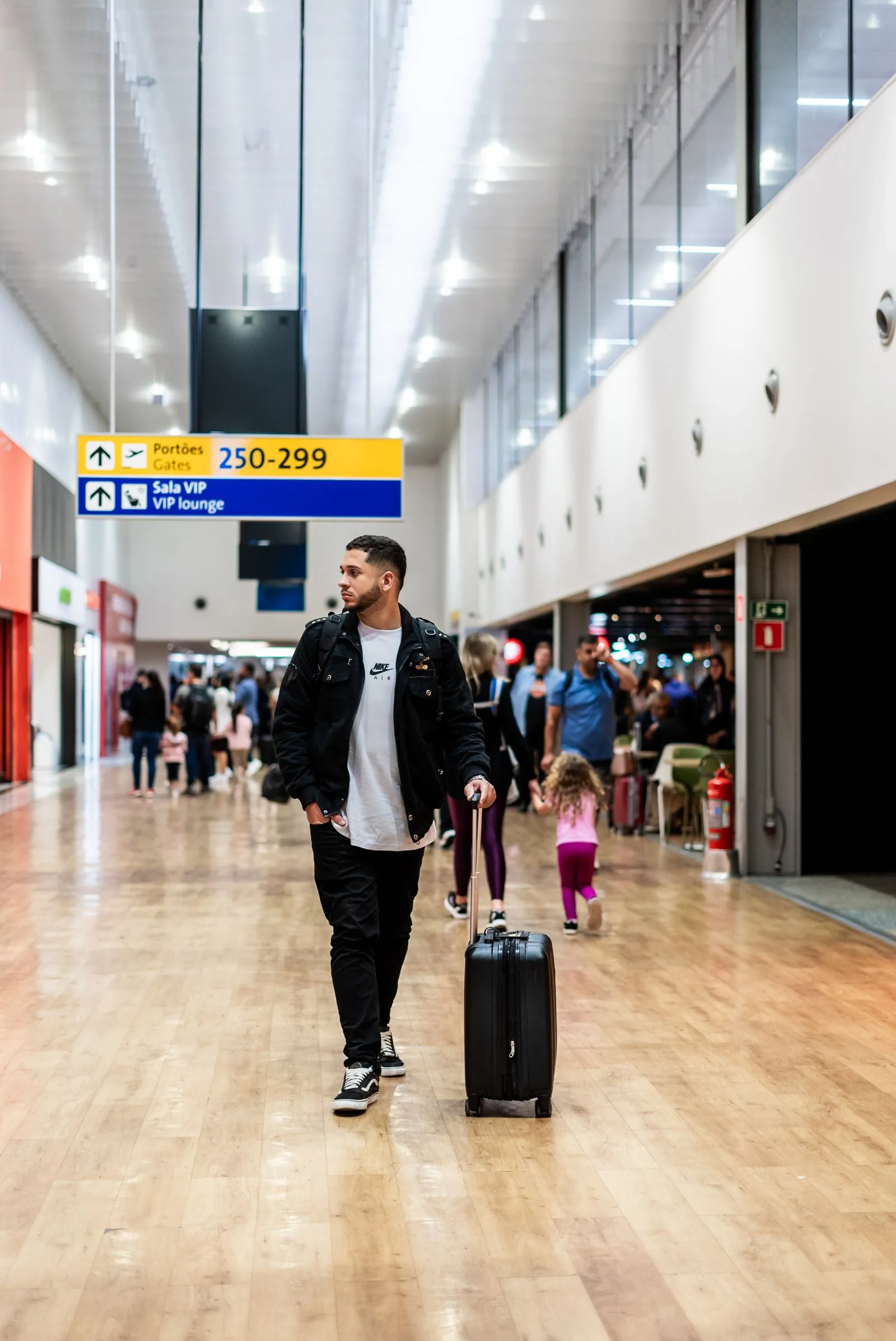
This matters because Brazil trips get harder every time the route becomes more fragmented. A package can hide that complexity instead of removing it.
How Should You Check Hotel Area, Transfers, and Daily Movement?
This is where package planning turns into real trip quality. A package can reserve a hotel room, but it cannot tell you whether the surrounding area is low-friction for tourists, whether your airport transfer arrives at a difficult hour, or whether daily movement through the city increases your exposure to theft and scams. Brazil Safe Travel is built for exactly that layer of the trip: local risk context, common scam patterns, and movement decisions that happen after the booking confirmation. A package may solve the transaction, but it does not automatically solve the street-level reality of where you stay, how you move, or how much local confidence the itinerary assumes. That gap matters most in cities where hotel area and timing change the feel of the trip dramatically.
The app's role is not to sell the package. It helps you evaluate what the package means on the ground:
- Is the hotel near areas that require extra caution?
- Does the package force daily night movement you would rather avoid?
- Are common scams in that city likely to matter on the route?
- Does the itinerary assume more local confidence than you actually have?
For Rio in particular, that question matters a lot. A package that looks attractive on a booking page can still be awkward if it pushes you into poorly timed arrivals, unnecessary night transfers, or beach movement without local context. Before you lock anything in, review our Rio safety guide.
Travelers often talk about packages as if they remove uncertainty. In practice, they often just relocate it. The uncertainty moves from "how do I book this?" to "how does this actually work once I arrive?"
When Is a Brazil Travel Package Good Value, and When Is It Not?
Google's 2025 travel guidance says the average lowest prices for international trips departing U.S. airports have been 49 or more days before departure, while Brazil projected 7.48 million international air seats for summer 2024/2025, up 19% from the prior summer, which is why package value changes quickly with seasonality and airfare pressure (Google, 2025; Ministry of Tourism, 2025 reporting on 2024/2025). A package is only good value when it removes friction you actually care about. If the operator handles complexity that you did not want to manage, the premium can make sense. If the package only looks cheaper because key items are excluded, hotel-area quality is weak, or the route forces compromises you never wanted, the apparent deal is not real value. Timing matters here because peak-season pressure can make even average packages look deceptively attractive.
Packages tend to make more sense when:
- You want a simple resort or beach stay
- You want one operator handling multiple moving parts
- You want a lower-decision first trip
- Peak-season pricing makes independent assembly more chaotic
Packages tend to make less sense when:
- You want a highly specific route
- You care more about hotel area than brand name
- You want to choose restaurants, pacing, and excursions yourself
- The package looks cheaper only because key items are missing
If you are buying around a high-pressure window, check our best time to travel to Brazil guide before you assume the package is helping.
What Should Americans Verify Before Paying a Deposit?
U.S. travelers need to verify visa timing, health prep, insurance, and route fit before paying a deposit because Brazil's visa requirement returned on April 10, 2025, the listed eVisa fee is US$80.90, and CDC yellow fever guidance still applies to many Brazil itineraries (Ministry of Foreign Affairs, 2025; CDC, 2025). A package does not neutralize any of that. It only makes it easier to assume someone else handled it. In reality, visa rules, vaccine recommendations, cancellation language, and insurance boundaries still belong to the traveler. A package can simplify booking, but it cannot remove legal entry requirements or destination-specific prep work.
Use this checklist before you pay:
- Verify the visa rules yourself. Do not trust stale sales copy.
- Check health requirements against the exact route. Brazil is not one uniform health-prep map.
- Check cancellation terms line by line. Polished branding is not protection.
- Check whether insurance is included or simply suggested. Those are different things.
- Check whether the route fits your actual comfort level. Some trips are easier to sell than to live through.
Where Brazil Safe Travel Fits In
Brazil Safe Travel is useful before and during a package trip because it covers the exact layer most package pages ignore: local risk context, scam awareness, and movement decisions. The app uses geolocation to highlight higher-risk areas, explain common scams, and help travelers avoid trouble while visiting Brazil. In other words, it supports the part of the trip that begins after the booking confirmation. That makes it complementary to a package rather than competitive with one. The package may handle rooms, flights, or transfers. The app helps you sanity-check the local reality around those decisions so you can move through the city with better context before a small mistake becomes a real problem in an unfamiliar environment. That is the practical handoff point between booking confidence and safer on-the-ground behavior.
Use the app in three moments:
- Before booking: sanity-check hotel area and route friction
- Before arrival: review scam patterns and city-specific risk context
- During the trip: use local context to make better daily movement decisions
That is the strongest connection between this article and the product. The article helps you choose more carefully. The app helps you move more carefully.
Frequently Asked Questions
Brazil travel packages often look simpler than they really are, which is why the best questions are not about the headline price alone. Brazil welcomed 6.77 million foreign visitors in 2024 and restored visa requirements for U.S. travelers in 2025, which means booking convenience still sits inside a broader layer of legal, logistical, and local-risk decisions (Ministry of Tourism, 2025 reporting on 2024; Ministry of Foreign Affairs, 2025). These are the checks most travelers should make before committing, especially when a sales page is doing more simplifying than explaining. The right FAQ is not just a cleanup section at the end of the post. It is where booking intent turns into decision criteria the traveler can actually act on.
Which Brazil travel package is best?
There is no single best package in this article because the right answer depends on the kind of trip you want. A good package for a beach-first resort stay is not automatically a good package for a multi-city first trip. The smarter move is to choose the right package type, then screen the route, hotel area, timing, and exclusions.
Are Brazil travel packages all inclusive better than tours?
Not by default. All-inclusive is stronger when your goal is low-friction resort time, while guided tours are stronger when you want multi-stop coordination. They solve different traveler problems, which is why they should not be compared as if they are the same thing.
Do packages make Brazil safer?
No. A package can simplify logistics, but it does not remove local scam exposure, poor timing, or weak hotel-area choices. That is why destination-specific context still matters even when the booking looks turnkey.
What should I check before paying for a Brazil package?
Check the route, hotel area, exclusions, visa timing, cancellation terms, and how much unsupervised movement the package still expects from you. That is usually more important than the marketing label attached to the offer.
How does the app help if I already booked a package?
The app helps after booking because it gives you risk-area context, scam awareness, and local movement guidance. That is useful even on a packaged trip, since the most important safety decisions usually happen during the trip itself, not at checkout.
Brazil travel packages are useful only when they fit the trip you actually want and the local reality you will actually face. Use package pages to compare structure, use this guide to screen the weak points, and use Brazil Safe Travel before and during the trip so route, timing, and local context work together.