Is Brazil Safe for Americans? A 2026 Traveler's Guide

Jump to section
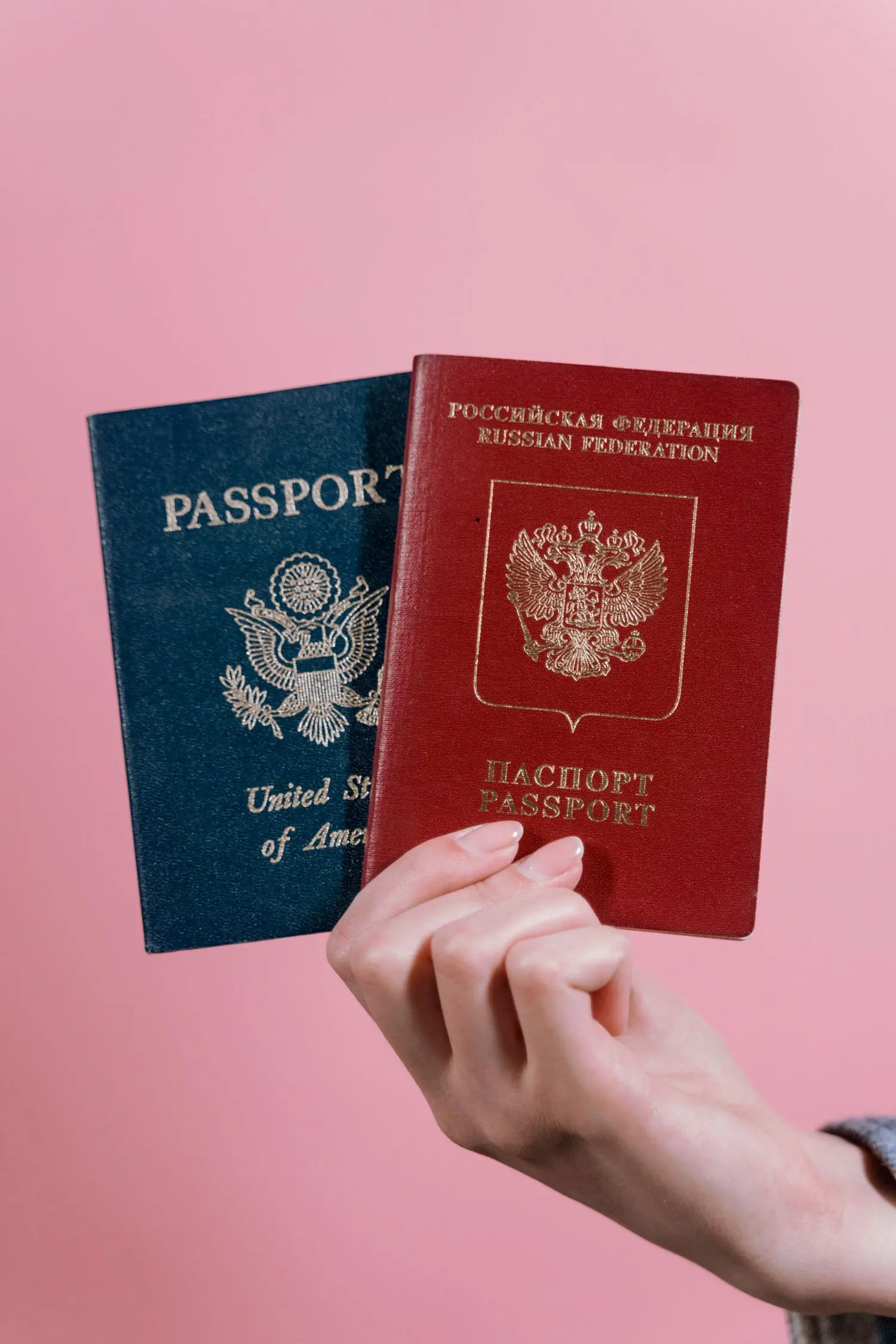
Updated April 2026: this guide reflects the current U.S. State Department advisory, CDC travel health notice, UK FCDO guidance, U.S. Embassy Brazil notices on the visa reinstatement, and 2024 crime data from Rio's public-security institute (ISP-RJ).
Americans have been returning to Brazil in record numbers. The United States sent 677,888 visitors to Brazil during the first 11 months of 2025 — up 5.8% from the same period in 2024 (Rio Times — Brazilian Ministry of Tourism data, 2025). That's hard to square with headlines that make Brazil sound off-limits. The honest answer is that Brazil is safe for American tourists in 2026 — with the same Level 2 caveats that already apply to countries Americans visit without thinking twice, like France, Italy, and Germany.
What has changed for Americans is the paperwork. Since April 10, 2025, U.S. citizens have needed a visa or eVisa to enter Brazil for tourism, business, or transit — a reciprocity move tied to U.S. visa policy toward Brazilians (U.S. Embassy and Consulates in Brazil, 2025). The safety posture itself has been stable. The eVisa is the newer story.
For the country-wide picture, start with our complete Brazil safety guide. This article focuses on what American travelers specifically need to know.
Key Takeaways
- Brazil is safe for American tourists in 2026 under a standing U.S. Level 2 advisory — the same posture applied to France, Germany, and Italy.
- 677,888 Americans visited Brazil in the first 11 months of 2025 (+5.8% YoY) per Brazil's Ministry of Tourism; there's no nationality-specific elevated risk.
- U.S. citizens need a visa or eVisa to enter Brazil as of April 10, 2025 — apply online well before the trip.
- The real tourist risk is property crime, not violent crime. Phone snatching in Rio jumped 38% in 2024 per ISP-RJ.
- Six habits handle most of it: enroll in STEP, apply for the eVisa, use Uber or 99, keep phones in front pockets, never let your card leave your sight, and use ATMs inside bank branches.
Is Brazil Safe for American Tourists in 2026?
Yes — Brazil is safe for American tourists in 2026 under the same Level 2 advisory posture Americans already travel under routinely. The U.S. State Department holds Brazil at Level 2 (Exercise Increased Caution), which is the same rating given to France, Germany, Italy, Spain, and the United Kingdom (U.S. State Department — Brazil Travel Advisory, 2026). The CDC currently sits at Level 1 for travel health (CDC Travelers' Health: Brazil, 2026).
Volume confirms the picture. American visitors to Brazil hit 677,888 through November 2025 — up 5.8% year over year — while Brazil as a whole welcomed roughly 9 million international tourists during 2025, a 40% jump over the previous record (Travel Agent Central — MTur data, 2025). That's not a market reacting to crisis.
So the honest read is: Brazil is safe for the kind of mainstream American trip most readers plan — Rio, São Paulo, a beach week, Iguaçu, a Carnival visit — as long as you plan it. For a dated current-status check, see our current Brazil safety status guide.
What Is the U.S. Travel Advisory for Brazil in 2026?
Brazil sits at Level 2 (Exercise Increased Caution) with the U.S. State Department as of April 2026, with the advisory language emphasizing crime and kidnapping risk in specific areas rather than a general country-wide alarm (U.S. State Department — Brazil Travel Advisory, 2026). The posture has been stable through multiple cycles.

The State Department flags specific regions for additional caution rather than the country as a whole. The main exclusions Americans should know about:
- Within 100 miles of Brazil's land borders with Bolivia, Colombia, Guyana, French Guiana, Paraguay, Peru, Suriname, and Venezuela.
- Informal housing developments — favelas, vilas, comunidades, and conglomerados — at any time, unless on a licensed, reputable tour.
- Brasília's "Satellite Cities" — Ceilândia, Santa Maria, São Sebastião, Paranoá — at night.
- Certain urban zones at night, including parts of Rio and Recife where tourist traffic thins out.
The CDC's Brazil page sits at Level 1 — routine travel precautions — and recommends yellow fever vaccination for travelers visiting most Brazilian states (CDC Travelers' Health: Brazil, 2026). The UK FCDO's Brazil guidance lines up with the same read, warning about scams and specific regions but not advising against travel overall (GOV.UK Brazil travel advice, 2026).
Put these together and you get a consistent signal across three major advisory systems: Brazil is open, the risk profile is routine Level 2, and the meaningful detail is where you go, not whether you go.
Do Americans Need a Visa to Travel to Brazil Now?
Yes. As of April 10, 2025, U.S. citizens must have a valid visa or electronic visa (eVisa) to enter Brazil for tourism, business, or transit (U.S. Embassy and Consulates in Brazil, 2025). This ended the unilateral visa exemption Brazil had extended to Americans since 2019. The change was driven by reciprocity — U.S. policy requires visas from Brazilian tourists, and Brazil re-aligned.
The eVisa is the practical route for most American travelers. It's issued online, typically valid for up to 10 years, allows multiple entries, and permits stays of up to 90 days per visit (extendable for another 90 days once inside Brazil). Canadians and Australians now fall under the same eVisa requirement. Applications go through the Brazilian government's authorized portal at brazil.vfsevisa.com.
A short practical checklist for Americans planning a 2026 trip:
- Apply for the eVisa well in advance. Target 3–4 weeks before departure; allow longer in peak periods like December and Carnival season.
- Passport must be valid 6+ months beyond your planned entry date.
- Keep a digital PDF and a printed copy. Airline check-in agents may ask for confirmation.
- Don't overstay. The 90-day limit is enforced, and overstays can complicate future entries.
For the deeper practical walk-through, see our Brazil visa for Americans guide.
What Crime Risks Do American Tourists Actually Face in Brazil?
Property crime — not violent crime — is what Americans traveling to Brazil actually deal with. ISP-RJ recorded 21,423 cell phone robberies in Rio in 2024, up 38% year over year, even as more than 2 million foreign tourists passed through the city the same year (Instituto de Segurança Pública RJ (ISP-RJ), 2024). The U.S. State Department's own language on Brazil echoes this pattern — assaults with sedatives ("drink spiking"), robberies targeting phones and wallets, and incidents on public buses are the recurring themes, not nationality-targeted attacks on Americans.
Five scam patterns cover the bulk of incidents Americans encounter:
- Phone snatching — grab-and-run on streets, beaches, and transit
- Card-machine swap — vendor switches POS terminals or re-enters inflated amounts
- Drink spiking ("Boa Noite, Cinderela") — drug-assisted theft in nightlife zones
- Rigged street taxis — broken meters, long routes, airport overcharges
- ATM skimming and shoulder-surfing around outdoor ATMs
Are Americans specifically targeted? Not really. The tells tourists give off — distinctive bags, phones out on the street, wedding rings, unfamiliar navigation — are universal. A French tourist with the same behavior gets targeted the same way. What's different is that American travelers tend to concentrate in a handful of well-known zones (Copacabana, Ipanema, the Paulista corridor, Pelourinho), which is where scam operators also concentrate.
For the full pattern-by-pattern playbook, see our common scams in Brazil guide.
Which Brazilian Cities Are Safer for American Tourists?
Brazil is not one risk surface. Tourist experience varies dramatically by city and neighborhood, and "safer" for Americans is really about choosing the right zones within each destination. The State Department's advisory explicitly calls out specific regions for caution rather than issuing a blanket warning (U.S. State Department — Brazil Travel Advisory, 2026).
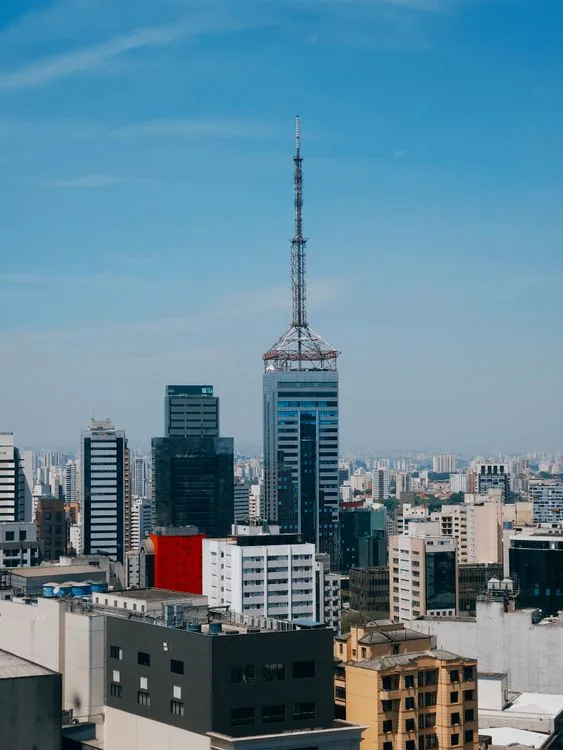
Lower-friction destinations for first-time American visitors:
- Rio de Janeiro — tourist zones (Copacabana, Ipanema, Leblon, Barra da Tijuca, Santa Teresa by day). See our Rio de Janeiro safety guide.
- São Paulo — Jardins, Pinheiros, Vila Madalena, Itaim Bibi. See our São Paulo safety guide.
- Gramado and Canela — southern mountain towns with very low street-crime rates. See our Gramado safety overview.
- Florianópolis — beach island, well-policed tourist zones.
- Foz do Iguaçu — the falls side is tourist-ready and well-patrolled.
- Curitiba — orderly, transit-friendly, low tourist-crime profile.
- Trancoso and Arraial d'Ajuda — Bahia coast, small-town rhythm.
Destinations that require more planning or local guidance:
- Salvador — the Pelourinho historic core is fine by day but requires more caution at night. See our Salvador safety guide.
- Recife and Olinda — historic center is pleasant, certain beaches have shark-attack history.
- Manaus and Amazon ecolodges — main routes are fine with a reputable operator, independent trips need homework.
Areas to approach only with specialized guidance:
- Unlicensed favela tours — use only licensed, reputable operators
- Border regions within 100 miles of Brazil's land borders
- Brasília's outer "Satellite Cities" after dark
How Does the U.S. Embassy Support Americans in Brazil?
The U.S. has a strong consular network in Brazil — the Embassy in Brasília plus Consulates in Rio de Janeiro, São Paulo, Recife, and Porto Alegre (U.S. Embassy and Consulates in Brazil, 2026). That coverage means most American tourists are within a few hours of a consular facility if something goes wrong. Enrolling in the Smart Traveler Enrollment Program (STEP) is the single highest-leverage move an American can make before a Brazil trip (step.state.gov, 2026).
STEP is free, takes about five minutes, and does three useful things:
- Puts you on the alert list for security and health notices specific to where you're traveling.
- Makes it easier for the State Department to reach you in an emergency — natural disaster, civil unrest, personal crisis.
- Gives your family a faster path to get information through the State Department if they can't reach you directly.
American Citizen Services (ACS) at each consulate handles the usual traveler incidents: lost or stolen passports, arrest notifications, support after crime victimization, and emergency contact with family back home. There is a 24/7 emergency line for U.S. citizens in distress.
Brazilian emergency numbers Americans should save before landing:
- 190 — Military police (active crime, emergencies)
- 192 — Ambulance / medical emergency
- 193 — Fire department
- 197 — Civil police (for filing reports)
- Tourist Police — dedicated units in Rio, Salvador, and a handful of other tourist cities
If you're the victim of a crime, the sequence is: get to a safe indoor location, call the U.S. Embassy ACS line, and file a Boletim de Ocorrência (police report) — in Rio and São Paulo this can be done online via Delegacia Eletrônica, which your travel insurance will require for a claim.
What Habits Make Brazil Safer for American Visitors?
Six habits handle most of the property-crime risk Americans face in Brazil. They're not exotic — they're the same basic tourist hygiene that works in any Level 2 destination, adapted to Brazilian specifics.
1. Pre-trip paperwork. Apply for the eVisa at least 3–4 weeks before departure, enroll in STEP, buy travel insurance that covers medical evacuation, and get the yellow fever vaccine if your itinerary includes affected states. Check with your bank about foreign-transaction fees and notify them of travel dates. For a deeper dive, see our travel insurance for Brazil guide.
2. Use Uber or 99 instead of curbside taxis. Both apps work everywhere in Brazil's tourist cities. From GIG (Rio) and GRU (São Paulo) airports, pre-book the ride from inside the terminal. The State Department specifically warns about unofficial "transfer" offers in arrivals halls.
3. Go contactless on payments. Brazilian restaurants and shops now accept Apple Pay, Google Pay, Visa, and Mastercard contactless almost universally. Tap-to-pay removes the card-machine swap risk entirely. If you do hand over a card, keep it in sight.
4. Treat your phone like cash. Front pocket only — not a tote, not in your hand while walking. Install Find My iPhone or Find My Device and test the remote-wipe before you land. Consider an eSIM from a Brazilian carrier or a U.S. global plan that works in Brazil.
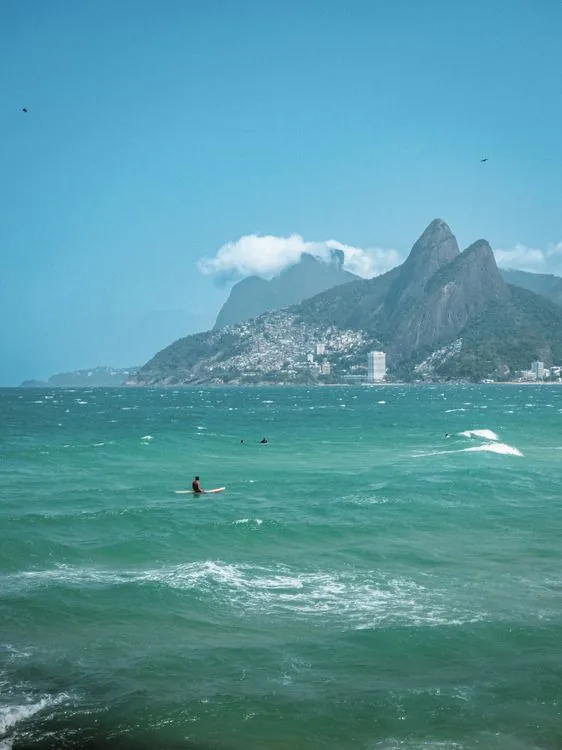
5. Beach-day minimalism. Bring only what you'd be comfortable losing: a small amount of cash, one card, a cheap phone or a waterproof pouch, a photocopy of your passport (not the original). Leave the Apple Watch, jewelry, and camera in the hotel safe.
6. Know the emergency numbers. 190 for active emergencies, 192 for medical, and the nearest U.S. consulate for consular support. Save them in your phone before you fly. The Brazil Safe Travel app packages ready-to-play Portuguese audio for emergencies, plus geolocation-based risk zones for the main tourist cities — useful if you land without any Portuguese.
How Does Brazil Compare to Other Level 2 Destinations Americans Visit?
Level 2 is the most common travel advisory posture worldwide — it's the same rating Americans already accept when traveling to France, Germany, Italy, Spain, the United Kingdom, the Netherlands, and Mexico (U.S. State Department — Travel Advisories, 2026). Calling Brazil a "Level 2 country" in isolation can sound alarming; in context, it's the working definition of a destination worth visiting carefully rather than avoiding.
The State Department's language for Level 2 is "Exercise Increased Caution" — meaning travel is reasonable, but plan specifically. What separates Brazil from a Western European Level 2 is concentration, not magnitude. Most of the risk is located in specific neighborhoods in specific cities at specific hours, not spread evenly across the country. That's actually easier to plan around than a diffuse, low-level risk across an entire destination.
For context on what "right now" looks like in Brazil specifically, see our current Brazil safety status. For traveler-profile angles — solo women, families, LGBTQ+ travelers — see our traveler-profile safety guide.
Frequently Asked Questions
Is Brazil safe for American tourists right now?
Yes, for the mainstream American trip. Brazil sits at a U.S. State Department Level 2 (Exercise Increased Caution) and CDC Level 1 as of April 2026, with no acute security or health emergency in effect (U.S. State Department — Brazil, 2026). Americans who stick to tourist zones and use standard Level 2 habits rarely run into serious trouble.
Do American citizens need a visa for Brazil?
Yes. Since April 10, 2025, U.S. citizens must have a valid visa or eVisa to enter Brazil for tourism, business, or transit (U.S. Embassy Brazil, 2025). The eVisa is valid for up to 10 years, allows multiple entries, and permits 90-day stays per visit. Apply online at brazil.vfsevisa.com several weeks before departure.
Which Brazilian cities are safest for first-time American visitors?
Rio de Janeiro's tourist zones (Copacabana, Ipanema, Leblon, Barra), São Paulo's main districts (Jardins, Pinheiros, Vila Madalena), plus Gramado, Florianópolis, Curitiba, Foz do Iguaçu, and Trancoso see very low tourist-crime rates. State Department advisory flags suggest avoiding 100-mile border zones and informal housing developments (U.S. State Department, 2026).
What should Americans do if they're victims of a crime in Brazil?
Move to a safe indoor location, call 190 for active emergencies, and contact the U.S. Embassy American Citizen Services line. File a Boletim de Ocorrência — in Rio and São Paulo this can be done via the Delegacia Eletrônica online portal. Your travel insurance will require the police report for any claim, so do it the same day if possible.
Is it safe to use credit cards as an American in Brazil?
Yes, especially contactless. Brazilian merchants now accept Apple Pay, Google Pay, and Visa/Mastercard contactless at nearly every restaurant and shop in tourist areas. Never let your card leave your sight, type your own PIN, confirm amounts on the terminal in BRL, and check statements daily. The UK FCDO Brazil page specifically flags card fraud as a recurring incident (GOV.UK Brazil travel advice, 2026).
The Takeaway
Brazil is safe for American tourists in 2026 under a stable U.S. Level 2 advisory — the same rating that covers much of Western Europe. Nearly 680,000 Americans visited in the first 11 months of 2025 and returned without incident; the real work is pre-trip (eVisa, STEP, insurance) plus a short list of on-the-ground habits that handle property-crime risk. The country isn't uniquely dangerous for Americans. It's a country where a little planning buys a lot of peace of mind.
For next steps, bookmark the complete Brazil safety guide, double-check the Brazil visa for Americans process, and download the Brazil Safe Travel app for geolocation-based risk context and ready-to-play Portuguese emergency audio once you land.