Rio de Janeiro Carnival & NYE: The Complete Guide (2026)

Jump to section
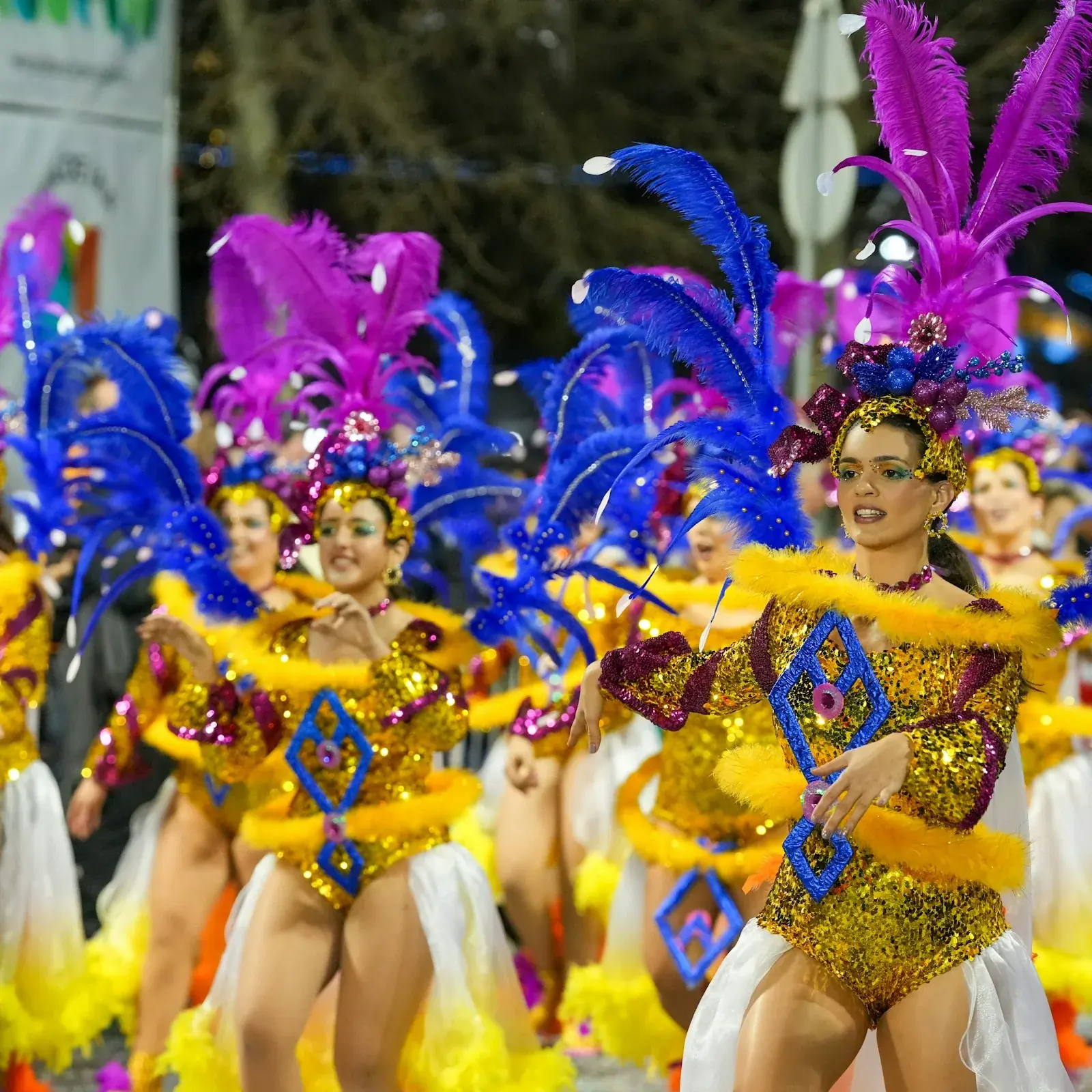
Photo: Markus Kammermann on Unsplash
Brazil's Carnival is the world's largest festival. In 2026, it drew over 65 million revelers across the country and generated an estimated R$5.9 billion for the Rio de Janeiro economy alone (Rio City Hall, 2026). Rio's New Year's Eve on Copacabana Beach holds a Guinness World Record as the planet's largest single NYE celebration — 2.5 million people on one four-kilometer strip of sand, fireworks launched from 19 offshore barges. These two events define the city's global reputation for spectacle.
If you're planning a trip around either one, you need more than a date. Sambadrome tickets for the best parade nights sell out six months early. Hotel rooms for Carnival weekend are gone before the prior year ends. The logistics matter as much as the excitement. This guide covers both events: dates, tickets, street parties, NYE fireworks, safety, and how to book before the city fills up.
Before you finalize your dates, our Brazil travel destinations guide can help you decide whether to center your itinerary on Carnival, NYE, or both.
Key Takeaways
- Rio Carnival 2026 (Feb 13–18) drew 65M+ revelers nationwide; R$5.9B economic impact for Rio (Rio City Hall, 2026)
- Sambadrome grandstand tickets start around $80–$120 USD; VIP camarotes from $350 per person
- Copacabana NYE is officially the world's largest New Year's party (Guinness World Records, 2024)
- Hotel occupancy hit 99.02% during Carnival 2026 peak — book 6–12 months in advance
- Wear all white to NYE in Rio: a century-old tradition honoring Iemanjá, the Afro-Brazilian deity of the sea
When Is Rio Carnival — and What About New Year's Eve?
Rio Carnival 2026 ran from February 13 through 18, with the most important Sambadrome events concentrated on the Sunday-to-Tuesday core. But Rio's pre-carnival street parties — the blocos — begin weeks earlier, with major parties kicking off in late January. If you're planning to attend blocos only, you don't need to be there for the official Carnival window.
New Year's Eve (Réveillon, in Portuguese) is a completely separate event: December 31, every year. The Copacabana celebration starts in the afternoon with live music across 13 official stages and peaks at midnight with a 12-minute fireworks show over the Atlantic.
Both events require forward planning. Carnival dates shift each year — they're always 46 days before Easter Sunday, covering Friday through Ash Wednesday. Easter 2027 falls on April 4, making Carnival 2027 run from approximately February 13–17. The best way to confirm exact dates each year is the official Rio Carnival website (riocarnival.net) and the City Hall calendar.
For the bigger-picture view on when to visit Rio versus the rest of Brazil — including the full seasonal climate calendar — our best time to travel to Brazil guide covers every month.
How Does the Sambadrome Parade Work?
The Sambódromo Marquês de Sapucaí holds roughly 88,000 spectators along a 700-meter-long parade runway flanked by tiered grandstands, VIP boxes, and permanent seating sections designed by Oscar Niemeyer when the structure opened in 1984. The Sambadrome doesn't host just one event — it's the venue for Rio's entire competitive carnival parade season.
The elite tier, the Special Groups (Grupo Especial), parades on the Sunday, Monday, and Tuesday nights of Carnival week. These are the 12 highest-ranked samba schools competing for the championship, and they're the parades worth traveling for. Each school brings up to 4,000 performers, up to 80 percussion musicians, and a sequence of elaborately built allegorical floats that illustrate the school's theme (enredo) for the year. A single school's parade lasts 65–90 minutes. Across the night, 6–7 schools parade back-to-back, with the full program running from approximately 9 p.m. to 6 a.m.
Ticket Types at the Sambadrome
Arquibancadas (Grandstands): Open-seating sections in sectors 9, 11, and 13. These are the most affordable tickets, typically $80–$120 USD per person for Special Groups nights. Views are unobstructed and crowd energy is high. Arrive at least 90 minutes early — the seats fill well before the first school enters.
Cadeiras Numeradas (Numbered Seats): Reserved seating in the main grandstand sections. Better sightlines than the open arquibancadas. Prices range from roughly $150–$400 USD depending on sector and night.
Camarotes (VIP Boxes): Enclosed premium boxes with open bars, catered food, air conditioning, and private security. Camarote packages start from approximately $350 per person (around R$2,000) and can exceed $2,000 USD for the most premium operators. Camarotes sell out first and deliver the most comfortable experience. That said, watching from a grandstand packed with Cariocas offers something camarotes don't: the actual energy of the crowd.
Where to Buy Tickets
The official ticketing body is Liga das Escolas de Samba (LIESA). Legitimate third-party sellers include RioCarnaval.org, DoItBrazilRight.com, and NextStopBrazil.com. Avoid street vendors and unverified resellers — counterfeit Sambadrome tickets are a documented risk, especially in the week before the parade.
Tickets for Special Groups nights typically go on sale 6–8 months before Carnival. Sunday and Monday Special Groups nights sell out first. If you're targeting those, buy as soon as tickets release — by October or November, the most popular sectors are gone.
What Are Rio's Best Street Blocos?
The Sambadrome is the global spectacle, but the blocos are where Rio actually celebrates. A bloco is a neighborhood street party led by a live band or brass ensemble, with thousands of costumed revelers following on foot through city streets. They are free to attend. Costumes are encouraged but not required. What is required: comfortable shoes, a small amount of cash, and the understanding that the biggest ones draw an almost incomprehensible number of people.
In 2026, Rio authorized 462 blocos, with approximately 6 million total street-party attendees expected across the Carnival period (Rio City Hall, 2026). Saturday and Tuesday of Carnival week pull close to 1 million revelers per day in the streets.
Here are the blocos worth knowing:
Cordão do Bola Preta (City Center, Carnival Saturday): Founded in 1918, this is the oldest bloco in Rio — and at its peak on Carnival Saturday in the center city, one of the largest street gatherings anywhere on Earth, reportedly drawing close to 2 million people. Arrive early. Bring water. Wear something you don't mind losing.
Monobloco (varies by year): A roving party with a live band covering samba, funk carioca, and Brazilian pop. Huge turnout, broad appeal. Known for its inclusive, high-energy atmosphere.
Simpatia é Quase Amor (Ipanema): The classic Zona Sul bloco. Creative costumes, manageable crowd size relative to the giants, and a short walk home to most Ipanema and Leblon hotels after it wraps.
Bloco da Preta (varies): Hosted by singer Preta Gil. Consistently delivers high-quality live music and draws diverse, welcoming crowds. One of the most socially mixed blocos in the city.
Banda de Ipanema (Ipanema, Carnival Saturday and Tuesday): One of Rio's oldest and most photographed blocos, famous for cross-dressing and drag as a core tradition since the 1960s. LGBTQ+-welcoming and visually extraordinary.
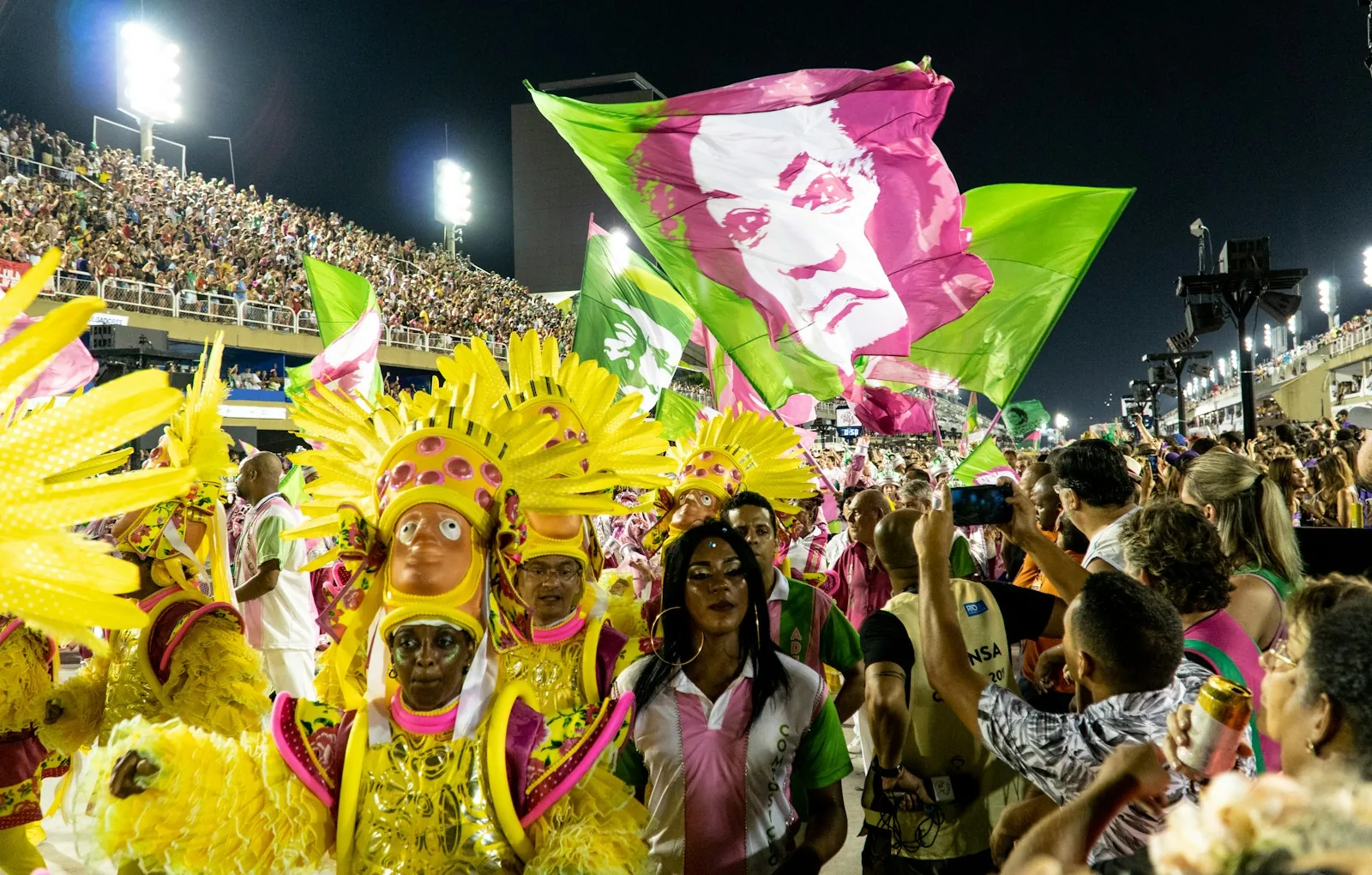
Photo: Peter Knight on Unsplash
The full official bloco schedule is published annually by Rio's city government at rioguiaoficial.com.br and through the app "Guia do Carnaval Rio." Focus your search on blocos in Ipanema, Leblon, Santa Teresa, and the city center for the highest-energy options.
How to Celebrate New Year's Eve on Copacabana Beach
Réveillon in Rio is unlike any other New Year's Eve celebration. There are no tickets to buy. Entry to Copacabana Beach is free. What you're attending is — by certified Guinness World Records measurement — the largest New Year's Eve party on the planet.
For the transition to 2025, over 2.5 million people gathered on Copacabana Beach itself, while total citywide attendance across Rio's 13 official stages exceeded 5 million people (Rio City Hall, 2025). Guinness World Records formally certified the event that year as the world's largest New Year's gathering.
The evening program follows a consistent structure. Live music across the stages begins around 7 p.m. Past headliners have included Anitta, Seu Jorge, and DJ Alok, who has headlined multiple NYE editions. At midnight, a 12-minute fireworks show launches from 19 floating platforms anchored offshore, firing 35,000 pyrotechnic shots synchronized to music. In recent years, a display of approximately 1,200 synchronized drones has accompanied the fireworks, creating programmable shapes above the Atlantic before and after the pyrotechnics.
The White Clothes Tradition
Nearly everyone on Copacabana wears all white. This is Rio's most widely observed New Year's tradition, rooted in Candomblé and Umbanda spiritual practices. White represents purity and symbolizes offerings to Iemanjá, the Afro-Brazilian deity of the sea and waterways. At midnight, many participants send offerings — flowers, candles, small hand-crafted boats — into the Atlantic. Wearing white signals cultural awareness and keeps you from standing out as a tourist in the crowd. It's also, practically speaking, cooler in the summer heat.
Where to Watch the NYE Fireworks — and Stay Safe
Copacabana Beach is the undisputed main venue. But it's worth knowing your alternatives and your exit strategy before you arrive.
Copacabana Beach (between Posto 4 and Posto 6): The heart of the celebration. Arrive by 5–6 p.m. to secure a spot with clear sightlines to the offshore barges and easy access to the stage areas. Crowd dispersal after midnight takes 60–90 minutes.
Arpoador Rock: The rocky promontory at the junction of Copacabana and Ipanema offers elevated views of the Copacabana fireworks from a less-dense vantage point. It fills up, but it's far more manageable than the beach itself.
Flamengo Park: Rio's second major NYE venue is in Flamengo, across Guanabara Bay. Significantly less crowded than Copacabana, easier to leave after midnight, and has its own live music program and fireworks display. A real option if you're staying in Botafogo or Flamengo.
Safety on NYE
Copacabana NYE is safer than many events of comparable scale, but phone theft and pickpocketing spike sharply on this specific night. The practical rules:
- Leave your phone at the hotel. Use a cheap backup device if you need one at all. Theft from the crowd is extremely common on NYE.
- Travel by metro or Uber, not on foot. Rio's metro runs extended hours on New Year's Eve. Uber surges heavily after midnight — factor $60–$120 for a post-fireworks ride from Copacabana to Ipanema.
- Don't swim. The water has offerings floating in it, visibility is poor in the dark, and the crowd density makes beach rescue nearly impossible.
- Plan your exit before midnight. Leaving at 12:30 a.m. puts you in the worst of the dispersal crush. Staying until 1:30 a.m. — after most of the crowd has cleared — is often the smarter move.
For the full breakdown of Rio's safety by neighborhood, transport, and situation, our Rio de Janeiro safety guide covers everything. For the national safety picture, read our Is Brazil safe for tourists guide.
Planning Your Trip: Hotels, Costs, and Booking Timeline
The booking window for Carnival is the most unforgiving in Brazilian tourism. Hotel occupancy in Rio hit 99.02% during the peak days of Carnival 2026. That figure is effectively a sell-out. Standard options in Zona Sul were gone in the prior autumn.
Here's the practical booking timeline:
| Event | Book Hotels By | Book Sambadrome Tickets By |
|---|---|---|
| Carnival (February) | August–September of prior year | October–November of prior year |
| NYE (December 31) | June–August of same year | No tickets needed — beach is free |
Where to stay for Carnival: Zona Sul (Ipanema, Leblon, Copacabana) puts you within walking distance of the most active blocos and keeps you close to Copacabana on NYE. It's also the most expensive area, especially at Carnival prices. Botafogo and Flamengo offer meaningfully lower rates with 15–20 minute Uber rides to the action — a reasonable trade if you book early and prioritize budget.
Carnival week budget per person (rough guide):
- Sambadrome ticket: $80–$120 (grandstand) to $350+ (camarote)
- Hotel in Zona Sul: $150–$500+ per night at high season
- Daily spending (food, transport — bloco entry is free): $60–$120
- Costume for blocos: optional, $30–$200 depending on ambition
NYE budget per person:
- No ticket cost (Copacabana is free)
- Hotel in Zona Sul on Dec 31: $200–$600+ per night
- Uber surge post-midnight: budget $60–$120
Don't forget travel insurance — Rio's health system varies significantly across public and private facilities, and medical expenses for an uninsured foreign visitor can be severe. Our travel insurance for Brazil guide covers what to look for and what policies actually cover.
For more on what Rio costs year-round, our Rio nightlife and restaurants guide breaks down what to expect for evenings outside of Carnival season.
Carnival is nightlife at maximum scale. For the rest of the year, our guide to nightlife in Brazil covers the cities, the hours and the risks worth planning around.
Frequently Asked Questions
When is Rio Carnival 2027?
Rio Carnival 2027 will run from approximately February 12–17. Carnival dates shift each year — they fall 46 days before Easter Sunday. Easter 2027 is April 4, making Ash Wednesday February 17 and the official Carnival window February 12–16. The Sambadrome Special Groups parades will be on the Sunday, Monday, and Tuesday nights of that window. Always verify exact dates on the official Rio Carnival website (riocarnival.net) as the calendar is confirmed about a year in advance.
How much do Sambadrome tickets cost in 2026?
Grandstand (arquibancada) tickets for Special Groups nights typically start at $80–$120 USD per person. Numbered reserved seats run $150–$400. VIP camarote boxes start from approximately $350 per person (R$2,000) and can exceed $2,000 for premium operators. Prices increase as Carnival approaches — buying at initial release, 6–8 months out, is almost always cheaper. The official ticket seller is LIESA; reputable resellers include RioCarnaval.org and DoItBrazilRight.com.
What should I wear to NYE in Rio?
Wear all white. This is Rio's primary New Year's tradition, rooted in Afro-Brazilian Candomblé and Umbanda spiritual practice. White represents purity and offerings to Iemanjá, the sea deity. Nearly everyone on Copacabana follows the tradition — standing out in colorful clothing marks you as a tourist unfamiliar with local culture. Beyond the tradition, white is also practical in the summer heat. Dress comfortably; you'll be standing for hours.
Is it safe to attend Rio Carnival or NYE?
Both events are generally safe for millions of visitors each year, but specific risks apply. At Carnival blocos: phone theft from the crowd is the primary risk — carry a cheap backup phone or nothing at all. At NYE Copacabana: same phone risk, amplified. Arrive by Uber or metro (not on foot through dark streets), don't swim, and plan your exit before midnight. Stick to the established crowd areas and the risk profile is manageable. For full neighborhood-by-neighborhood guidance, the Rio safety guide linked above has everything you need.
When should I book my hotel for Rio Carnival?
Book no later than September of the prior year for Carnival and no later than August for NYE. Peak occupancy for Carnival 2026 hit 99.02%, and popular Zona Sul hotels in good locations sell out 8–10 months in advance. Waiting until 3–4 months before Carnival means choosing between expensive last-minute options or staying far from the action. If you're flexible on location, Botafogo and Flamengo offer lower prices with manageable Uber distance to Zona Sul.
Conclusion
Rio de Janeiro hosts two world-record events in a single calendar year. Carnival — the world's largest festival — and Réveillon on Copacabana, the world's largest New Year's celebration. Neither requires much luck to enjoy. Both require advance planning, and one (Carnival) requires buying tickets before most people start thinking about travel.
The core advice: pick your event, book your hotel within the timeline above, buy Sambadrome tickets immediately when they go on sale if you want Special Groups nights, and read our safety guide before you arrive. Rio rewards visitors who understand the city rather than those who show up hoping for the best.
When you're ready to start planning beyond the events themselves, our Rio de Janeiro safety guide covers neighborhoods, transport, and practical day-to-day safety. The Brazil travel destinations guide can help you build the rest of your itinerary around these two anchor events.