15 Traditional Brazilian Foods to Try in 2026 (Safely)

Jump to section
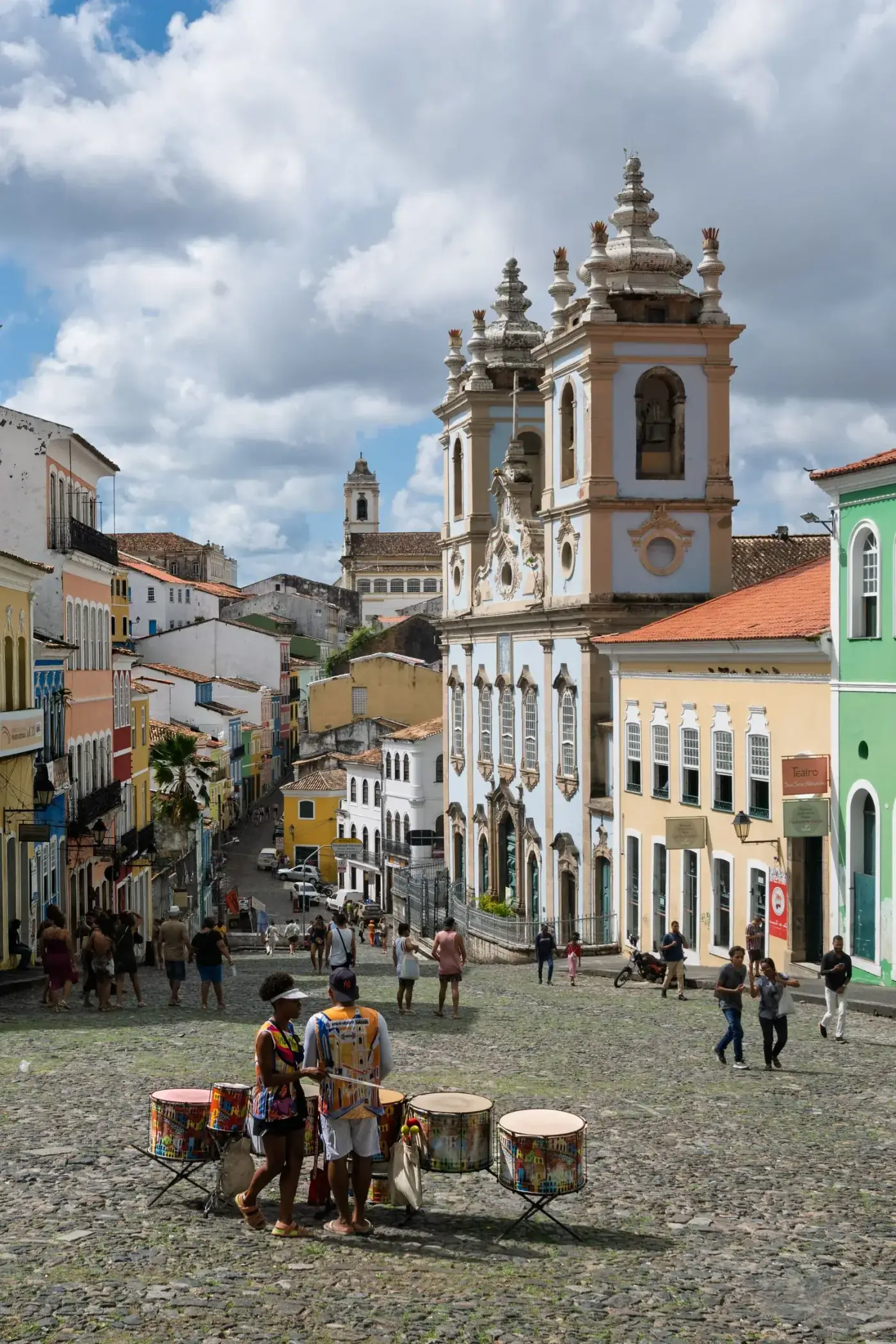
Updated July 2026: this guide pairs dish-by-dish history from food historians and TasteAtlas with current CDC food-and-water guidance for Brazil, so you know both what to eat and how to eat it without ruining a travel day.
What do Brazilians eat, and which dishes should top your list? Traditional Brazilian food is a mix of Indigenous, African, and Portuguese cooking that shifts hard from region to region, and it's one of the best reasons to visit. Food tourism here isn't a niche anymore. A 2023 Embratur study found that around 70% of foreign tourists took part in at least one food-focused activity during their stay, and culinary tourism has grown more than 40% over five years (Travel And Tour World, 2025). That's a lot of açaí bowls and churrasco plates.
The catch is that some of Brazil's best food comes from street stalls, beach vendors, and buffets, which is exactly where the CDC tells travelers to be careful. So this guide does two jobs at once: it walks you through 15 iconic dishes and drinks by region, and it shows you how to enjoy them without a case of travelers' diarrhea. If you want the wider picture first, start with our Brazil safety guide.
Key Takeaways
- Traditional Brazilian food is deeply regional: feijoada and brigadeiro in the southeast, acarajé and moqueca in Bahia, açaí in the Amazon, churrasco in the south.
- Food tourism is booming, with roughly 70% of foreign tourists joining a food activity and culinary tourism up 40% in five years (Travel And Tour World, 2025).
- Most street food is fine when you pick busy stalls, stick to hot cooked items, and drink only sealed bottled water, matching CDC food-and-water advice for Brazil.
What Is Traditional Brazilian Food, Really?
Traditional Brazilian food is a regional patchwork, not a single cuisine, built from three roots: Indigenous ingredients like cassava, African techniques and staples like dendê palm oil and black-eyed peas, and Portuguese dishes like stews and fried snacks. Feijoada, the national dish, first appears in the record in Recife in 1827 and grew out of exactly that mixing (Wikipedia: Feijoada, 2026).
So there's no such thing as one "Brazilian plate." What you eat in Salvador looks nothing like what you eat in Porto Alegre. Would you expect an Amazon river town and a southern cattle-ranch city to share a menu? The fun of eating your way across Brazil is watching the map change on your fork. Below, the dishes are grouped by the way Brazilians actually eat them, from the national Saturday lunch to street snacks, Bahian classics, barbecue, sweets, and drinks.
Here's the quick map before we dig in:
| Dish | Region | What it is |
|---|---|---|
| Feijoada | Rio / Southeast | Black bean and pork stew, Brazil's national dish |
| Farofa | Nationwide | Toasted cassava flour side, sprinkled over almost everything |
| Coxinha | São Paulo | Teardrop-shaped fried chicken croquette |
| Pastel | Nationwide (markets) | Thin, crispy deep-fried pastry with fillings |
| Tapioca | Northeast | Cassava-starch crepe, sweet or savory |
| Pão de queijo | Minas Gerais | Chewy, gluten-free cheese bread balls |
| Moqueca | Bahia / Espírito Santo | Slow-cooked seafood stew in coconut and dendê |
| Acarajé | Bahia | Deep-fried black-eyed pea fritter with shrimp |
| Vatapá | Bahia | Creamy bread, shrimp, and dendê paste |
| Churrasco / Picanha | Rio Grande do Sul | Open-fire barbecue; picanha is the prized cut |
| Brigadeiro | Southeast | Chocolate condensed-milk fudge ball |
| Beijinho | Southeast | Coconut version of the brigadeiro |
| Açaí | Pará / Amazon | Frozen açaí berry pulp, served as a bowl |
| Caipirinha | São Paulo | National cocktail of cachaça, lime, and sugar |
| Guaraná | Amazon | Sweet soda from the guaraná berry |
Brazil's National Dish: Feijoada (and Its Table)
If you try one thing, make it feijoada. This slow-cooked stew of black beans and various cuts of pork and beef is Brazil's national dish, usually eaten at Saturday lunch and served with rice, collard greens, orange slices, and farofa (Wikipedia: Feijoada, 2026). It's heavy, communal, and best attempted when you have the afternoon to recover.
The dish carries real history. The most popular story credits enslaved Africans in colonial Brazil who combined black beans with leftover pork, blending Portuguese, African, and Indigenous cooking, though some historians argue for stronger European stew roots (Tasting Table, 2023). The recipe shifts by region, too: black beans dominate in Rio and Minas Gerais, while Bahia, Sergipe, and parts of the northeast lean toward brown or red beans.
1. Feijoada — order it at lunch, not dinner, and preferably on a Saturday when restaurants make it fresh. A sit-down restaurant is the safest setting for a dish this rich, and it's the easiest way to try it without street-stall variables.
2. Farofa — toasted cassava flour, often cooked with butter, bacon, or egg, and scattered over feijoada, rice, and grilled meat. It's the crunchy background note of Brazilian eating, present at nearly every table. It's cooked and dry, which makes it one of the lower-risk items you'll encounter anywhere.
For phrases to order confidently at the table, our Brazilian Portuguese phrases guide covers the food words that matter most.
Traditional Brazilian Street Food and Snacks
Brazilian street food and bakery snacks (salgados) are where a lot of travelers fall in love with the food, and they're generally safe when the stall is busy and the item is hot. The classics below come fried or griddled to order, which is your best defense against foodborne illness. Fully cooked foods served hot are the safest choice, per CDC guidance (CDC Yellow Book: Food and Water Precautions, 2026).
3. Coxinha — a teardrop-shaped, shredded-chicken croquette that's one of Brazil's most beloved snacks, of Paulista (São Paulo) origin, likely first made in Limeira in the 19th century. The name means "little thigh," and the shape is meant to mimic a chicken drumstick (Wikipedia: Coxinha, 2026). Eat it hot and fresh from a busy padaria.
4. Pastel — a thin, crispy pastry pocket deep-fried to order, filled with cheese, ground beef, hearts of palm, or shrimp. You'll find them at open-air markets (feiras) across the country, classically washed down with sugarcane juice. Watch it come out of the fryer and you've watched your food safety handled.
5. Tapioca — a naturally gluten-free crepe made from cassava starch, cooked on a hot griddle and folded around sweet or savory fillings like cheese, coconut, or condensed milk. It's a northeastern staple you'll see everywhere from Fortaleza beach kiosks to Salvador stalls.
6. Pão de queijo — small, chewy, gluten-free cheese bread balls from Minas Gerais, made from cassava starch. The starch dates to colonial-era cooks who lacked wheat; grated hard cheese was added in the late 19th century in Brazil's dairy heartland (TasteAtlas, 2026). Bakery-fresh and baked hot, it's a near-universal breakfast.

The pattern with salgados is simple: high turnover and high heat are your friends. A stall with a line is a stall selling fresh batches, and hot oil kills most of what makes travelers sick.
Bahian and Afro-Brazilian Food You Shouldn't Miss
Bahia is the heart of Afro-Brazilian cooking, and its signature dishes lean on dendê (palm oil), coconut milk, and dried shrimp brought over through the African diaspora. These are among the most distinctive flavors in the country, and Salvador is the place to try them. If Bahia is on your route, our Brazil travel destinations guide helps you slot it in.
7. Moqueca — a slow-cooked seafood stew simmered with coconut milk, dendê, tomatoes, peppers, and cilantro, then served bubbling in a clay pot. The Bahian style emerged in the colonial 16th and 17th centuries from African culinary traditions (Grokipedia: Moqueca, 2026). Espírito Santo makes a lighter, dendê-free version, so you're really choosing between two dishes with one name.
8. Acarajé — a deep-fried black-eyed pea fritter split and stuffed with vatapá, dried shrimp, and pepper sauce, sold on Salvador street corners by the white-clad baianas. It came from the Yoruba people of West Africa, and its preparation by the baianas was recognized as a national cultural treasure by IPHAN in 2004 (Wilson Center, 2023). It's a Candomblé sacred food as much as a snack.
9. Vatapá — a rich, creamy paste of bread, dried shrimp, ground peanuts, coconut milk, and dendê, eaten on its own with rice or spooned inside acarajé. It's comfort food with deep African roots, smooth where acarajé is crunchy.
Acarajé is the one Bahian dish where street-food judgment matters most. The fritters are fried hot, which is reassuring, but the shrimp and toppings sit out, so buy from a busy, well-reviewed baiana with steady turnover rather than a quiet corner stand.
Brazilian Barbecue: Churrasco and Picanha
Head south and traditional Brazilian food becomes meat over fire. Churrasco is the gaúcho barbecue tradition of Rio Grande do Sul, born in the late 1800s among the cattle-herding gaúchos of the southern plains, who cooked skewered meat over open embers seasoned with little more than coarse salt (Texas Monthly, 2023).
10. Churrasco and picanha — picanha, the top-sirloin cap, is the crown cut, prized for its fat cap and cooked simply with sal grosso (coarse salt). In the 1940s, gaúchos took the tradition national, opening the churrascarias and the all-you-can-eat rodízio format now copied worldwide (Texas Monthly, 2023). From a safety angle, churrasco is one of the easiest wins on any menu: meat is grilled hot to order and served immediately, and a good churrascaria is a controlled, sit-down setting.
Craving something lighter after all that beef? Good, because Brazil's sweets and drinks are next.
Brazilian Sweets and the Amazon Açaí Bowl
Brazilian desserts run sweet and small, and the most famous of all was born from a lost election. These are low-risk treats for the most part, made or sealed in ways that keep them off the food-safety worry list.
11. Brigadeiro — a fudgy ball of condensed milk, cocoa, and butter rolled in chocolate sprinkles, and the star of every Brazilian birthday party. It appeared around 1945, named for Brigadier Eduardo Gomes, whose supporters sold the sweets to fund his presidential campaign. He lost, but the brigadeiro won permanently (Atlas Obscura, 2023).
12. Beijinho — the coconut sister of the brigadeiro ("little kiss"), made with condensed milk and shredded coconut, topped with a single clove. If you see a party tray in Brazil, these two are on it.
13. Açaí — frozen açaí berry pulp blended into a thick, dark, tart bowl and topped with granola and banana. It comes from the Amazon, and roughly 95% of the world's açaí is grown in the northern state of Pará, where riverside communities have eaten it for centuries (The Nature Conservancy, 2024). One street-food note: unpasteurized açaí has been linked to disease transmission in the Amazon, so favor reputable shops and busy kiosks over informal roadside pulp.

Sweets like brigadeiro and beijinho are cooked and shelf-stable, which makes them some of the safest things you can eat from a party tray or bakery counter anywhere in the country.
What Do Brazilians Drink? Caipirinha and Guaraná
You can't finish a tour of traditional Brazilian food without the two drinks that define the table, one for adults and one for everyone.
14. Caipirinha — Brazil's national cocktail, made by muddling lime and sugar and topping it with cachaça, the country's sugarcane spirit. It comes from the interior of São Paulo, with most historians dating it to around 1918; a 2003 decree formally protected both "cachaça" and "caipirinha" as Brazilian (Wikipedia: Caipirinha, 2026). The one thing to watch is the ice, which should come from a proper bar, not an unknown source.
15. Guaraná — a sweet soda made from the guaraná berry, an Amazonian fruit with a natural caffeine kick. Antarctica and Kuat are the big brands, and it's the soft drink Brazilians reach for at lunch. Because it's a sealed, factory-bottled beverage, it's also one of the safest drinks you can order anywhere in the country.
The ice question matters more than most travelers think. Ice made from tap water carries the same risks as the tap itself, so ask for drinks without ice unless you're in an established bar or restaurant. For the full picture, see our Brazil tap water safety guide.
How to Eat Brazilian Street Food Safely
Most travelers eat street food in Brazil without a problem, but travelers' diarrhea is common enough that a little judgment pays off. The CDC's core advice for Brazil is direct: fully cooked foods served hot and food you prepare yourself are safest, and consuming items from street vendors or shared buffets raises your risk (CDC Yellow Book: Brazil, 2026). None of that means skipping the good stuff. It means picking smart.
The habits that keep the food fun instead of costly:
| Habit | Why it works | Watch out for |
|---|---|---|
| Choose busy stalls | High turnover means fresher batches and hotter food | Empty stands with food sitting out |
| Eat it hot and cooked | Heat kills most pathogens; fried and grilled items are safest | Anything lukewarm or reheated |
| Drink sealed bottled water | Only bottled, factory-sealed water is reliably safe | Refilled bottles, tap water, fountains |
| Skip ice from unknown sources | Ice may be made from tap water | Beach kiosks and informal vendors |
| Be wary of raw and mayo dishes | Raw veg and mayonnaise are common culprits | Buffet salads, cold mayo-based sides |
| Peel your own fruit | You control the surface that touches the flesh | Pre-cut fruit left uncovered |
| Wash or sanitize hands | Cuts down hand-to-mouth transfer | No soap? Use 60%+ alcohol gel |
Notice the overlap: the safest orders are also some of the most famous. Grilled picanha, a fresh coxinha, a pastel straight from the fryer, and a bottled guaraná are all low-risk by design. This is also where the Brazil Safe Travel app quietly helps, with neighborhood guidance and scam alerts that flag which market and beach-vendor areas are worth trusting, so you can follow the food without walking into the wrong corner of town. For broader etiquette around markets and vendors, our Brazil dos and don'ts guide is a useful companion.
Frequently Asked Questions
These are the questions travelers ask most once "what should I eat in Brazil" narrows into a real plan for meals, markets, and street stalls.
What is the national dish of Brazil?
Feijoada, a slow-cooked stew of black beans with pork and beef, served with rice, collard greens, orange, and farofa. It's traditionally a Saturday lunch and first appears in records in Recife in 1827, blending Portuguese, African, and Indigenous cooking into one hearty plate.
Is Brazilian street food safe to eat?
Usually, yes, if you choose well. Favor busy stalls with high turnover, eat items that are hot and fully cooked, like coxinha and pastel, and skip raw sides and unknown ice. The CDC notes cooked-hot foods are safest, which happens to describe most Brazilian salgados.
What are the most famous Brazilian foods to try?
Start with feijoada, churrasco and picanha, coxinha, pão de queijo, brigadeiro, and an açaí bowl. In Bahia, add acarajé, moqueca, and vatapá. Wash it down with a caipirinha or a guaraná soda. Each ties to a specific region, so your list shifts as you travel.
Can I drink caipirinhas and açaí safely in Brazil?
Yes, with small precautions. For caipirinhas, order from established bars where the ice comes from a reliable source. For açaí, choose reputable, busy shops rather than informal roadside pulp, since unpasteurized açaí has been linked to illness in the Amazon region. Bottled guaraná is always a safe bet.
What food is Bahia known for?
Afro-Brazilian cooking built on dendê palm oil, coconut milk, and dried shrimp. The icons are acarajé (a black-eyed pea fritter), moqueca (a coconut seafood stew), and vatapá (a creamy shrimp-and-bread paste). Salvador's baianas and their acarajé were named a national cultural treasure by IPHAN in 2004.
Traditional Brazilian food is one of the great reasons to make the trip, and the best part is how much of it is easy to eat well and eat safely at the same time. Order the feijoada, chase down a fresh coxinha, try acarajé in Salvador, and finish with an açaí bowl, all while keeping to hot cooked items, sealed water, and busy stalls. For the rest of your planning, pair this with our Brazil safety guide, the tap water safety guide, and a few Brazilian Portuguese phrases to order like you've done it before.