Essential Brazilian Portuguese Phrases for Travelers (2026)

Jump to section
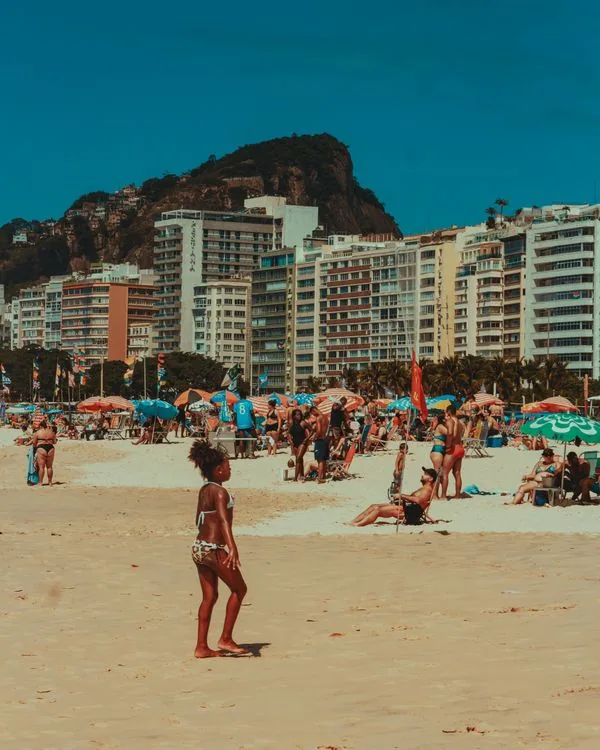
Updated July 2026: this guide uses current EF English Proficiency Index scores, Ethnologue and census language data, Brazil's official emergency-number system, and 2024 tourism figures to keep the phrase lists and safety advice accurate for travelers heading to Brazil right now.
Do you need to learn Portuguese to visit Brazil? Not fluently, no. But you need more of it than most first-timers expect, because the language gap is wider here than in almost any major tourist destination. Only about 5% of Brazilians speak any English at all, and roughly 1% speak it well, according to the EF English Proficiency Index, which ranks Brazil 81st out of 116 countries with a score of 466 (EF EPI Brazil, 2024; Rio Times Online, 2024). Portuguese, meanwhile, is spoken by about 99% of the population, roughly 211 million people (WorldAtlas / World Population Review, 2026). So the practical answer is simple: a handful of Brazilian Portuguese phrases will carry you through most of a trip, and a short list of emergency words could matter far more than that.
This is a safety guide as much as a language one. When you cannot ask for a hospital, describe a scam, or tell a bystander to call the police, an ordinary problem gets bigger fast. That is why we treat basic Portuguese for travelers as part of the same toolkit as knowing the emergency numbers or spotting a common scam. If you want the wider picture first, start with our full Brazil safety guide, and if you are traveling from the States, our guide for American visitors pairs well with this one.
Key Takeaways
- Only about 5% of Brazilians speak any English (EF EPI 2024), so Portuguese is not optional in the way it is in much of Europe, especially outside big hotels and airports.
- "Thank you" is gendered: men say obrigado, women say obrigada. Getting this right is the single easiest way to sound respectful.
- Memorize a few emergency phrases before you go, and know the numbers:
190for police,192for an ambulance,193for fire.
Do They Speak English in Brazil?
Mostly no, and that surprises people. Brazil scores in the "low proficiency" band of the EF English Proficiency Index, with only about 5% of the population able to hold an English conversation and roughly 1% considered fluent (EF EPI Brazil, 2024; Rio Times Online, 2024). You will find English at upscale hotel front desks, some airport counters, and in parts of the tourism trade, but taxi drivers, pharmacists, market vendors, and most police officers will not switch to English for you.
There is real regional variation. The southern state of Santa Catarina scores highest in the country at 535, closer to a "moderate" band, while parts of the North sit far lower (EF EPI Brazil, 2024). Rio and São Paulo have more English in tourist zones than a small interior town ever will. But the safe assumption anywhere is that the person in front of you speaks only Portuguese, and that assumption keeps you prepared instead of stranded.
Why does this matter beyond convenience? Because Brazil drew a record 6.65 million foreign tourists in 2024, many of them first-timers who arrive expecting the "just point and smile" approach to work (Rio Times Online, 2025). It works for buying a coconut on the beach. It does not work when you are trying to explain that your card was cloned or that you feel unwell. The phrases below are ranked with that reality in mind.
Essential Brazilian Portuguese Phrases: Greetings and Politeness
Start here, because tone opens doors in Brazil. Brazilians are warm and informal, and a friendly greeting before a request changes how you are treated. The one rule to memorize: obrigado and obrigada both mean "thank you," but the ending depends on who is speaking, not who you are thanking. Men always say obrigado; women always say obrigada. This is fixed by the speaker's gender and it is the mistake foreigners make most.
| English | Portuguese | Pronunciation |
|---|---|---|
| Hello / Hi | Oi | oy |
| Good morning | Bom dia | bohn JEE-ah |
| Good afternoon | Boa tarde | BOH-ah TAR-jee |
| Good evening / night | Boa noite | BOH-ah NOY-chee |
| Please | Por favor | poor fah-VOR |
| Thank you (man speaking) | Obrigado | oh-bree-GAH-doo |
| Thank you (woman speaking) | Obrigada | oh-bree-GAH-dah |
| You're welcome | De nada | jee NAH-dah |
| Yes / No | Sim / Não | seeng / nowng |
| Excuse me / Sorry | Com licença / Desculpe | kohn lee-SEN-sah / dees-COOL-pee |
| Do you speak English? | Você fala inglês? | voh-SEH FAH-lah een-GLESS |
| I don't speak Portuguese | Eu não falo português | eh-oo nowng FAH-loo por-too-GESS |
| My name is... | Meu nome é... | meh-oo NOH-mee eh |
That last pair does a lot of work. Leading with "Eu não falo português" politely resets the conversation, and asking "Você fala inglês?" signals you have tried before switching to gestures. Both are more disarming than launching straight into English, which can read as presumptuous.
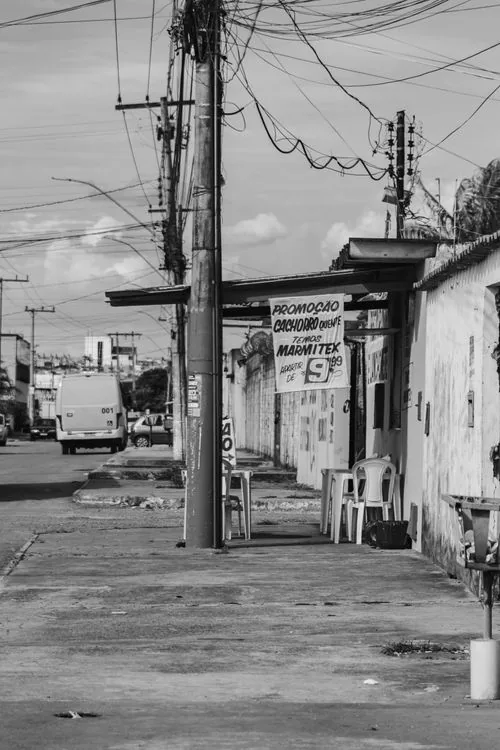
One cultural note that saves confusion: Brazilians often greet with "Tudo bem?" (too-doo BENG), literally "all well?" It works as both a greeting and a question, and the standard reply is the same words back, "Tudo bem," or "Tudo bom." You are not obligated to explain how you actually are. It is closer to "how's it going" than a real health check. For more on the social cues that shape these interactions, our Brazil dos and don'ts guide covers the etiquette side in detail.
Basic Portuguese for Travelers: Numbers, Money, and Paying
Numbers come up more than any other category, because you will hear prices, room numbers, bus lines, and change spoken aloud all day. Brazil's currency is the real (plural reais), and vendors quote prices fast. Knowing the numbers to about twenty, plus the words for the notes, keeps you from overpaying or looking lost while you count on your fingers. Card payment is widespread, but cash still rules street stalls and small towns.
| English | Portuguese | Pronunciation |
|---|---|---|
| One / Two / Three | Um / Dois / Três | oong / doyss / trayss |
| Four / Five | Quatro / Cinco | KWAH-troo / SEEN-koo |
| Six / Seven | Seis / Sete | sayss / SEH-chee |
| Eight / Nine / Ten | Oito / Nove / Dez | OY-too / NOH-vee / dess |
| Twenty / Fifty / Hundred | Vinte / Cinquenta / Cem | VEEN-chee / seen-KWEN-tah / seng |
| How much is it? | Quanto custa? | KWAN-too COOS-tah |
| Too expensive | Muito caro | MWEE-too KAH-roo |
| Can I pay by card? | Posso pagar com cartão? | POH-soo pah-GAR kohn kar-TOWNG |
| Cash | Dinheiro | jee-NYAY-roo |
| The bill, please | A conta, por favor | ah KOHN-tah poor fah-VOR |
| Do you have change? | Tem troco? | teng TROH-koo |
| Where is an ATM? | Onde tem um caixa eletrônico? | OHN-jee teng oong KAI-shah eh-leh-TROH-nee-koo |
A quick warning that ties language to safety: card skimming and cloning are real issues at some ATMs and in handheld card machines. If a vendor's machine looks tampered with, "Posso pagar em dinheiro?" (can I pay in cash?) is a useful exit. For the full breakdown of how money works on the ground, including tipping and safe withdrawals, read our guide to paying in Brazil, and keep our common scams in Brazil guide handy for the card tricks worth knowing.
Ordering Food and Drinks in Portuguese
Eating out is where a little Portuguese pays off immediately, and it is low-stakes practice. Menus outside tourist strips are rarely translated, and servers appreciate the effort. Brazil runs on por quilo (by weight) buffets at lunch, churrascarias for grilled meat, and countless lanchonetes for snacks. You do not need fluency, just enough to order, flag a restriction, and ask for the check without waving frantically.
| English | Portuguese | Pronunciation |
|---|---|---|
| A table for two | Uma mesa para dois | OO-mah MEH-zah PAH-rah doyss |
| The menu, please | O cardápio, por favor | oo kar-DAH-pee-oo poor fah-VOR |
| Water (still / sparkling) | Água (sem gás / com gás) | AH-gwah (seng gahss / kohn gahss) |
| A beer | Uma cerveja | OO-mah ser-VEH-zhah |
| Coffee | Um café | oong kah-FEH |
| I would like... | Eu queria... | eh-oo keh-REE-ah |
| Without meat / I'm vegetarian | Sem carne / Sou vegetariano(a) | seng KAR-nee / soh veh-zheh-tah-ree-AH-noo |
| I'm allergic to... | Sou alérgico(a) a... | soh ah-LEHR-zhee-koo ah |
| Delicious | Delicioso | deh-lee-see-OH-zoo |
| The check, please | A conta, por favor | ah KOHN-tah poor fah-VOR |
Note the gendered ending again: a man says vegetariano and alérgico, a woman says vegetariana and alérgica. If you have a serious food allergy, do not rely on a spoken phrase alone. Write it down, or have it ready on your phone, because a missed word here is a medical problem, not a menu preference. That is exactly the kind of moment where a translation tool with clear audio is worth more than your best guess.
Transport, Directions, and Asking for Help
Getting around is the category most likely to leave you genuinely stuck, so these phrases carry weight. Ride apps like Uber and 99 dominate cities and reduce how much you need to speak, which is a safety win on its own. But you will still ask directions, confirm a destination with a driver, or need to tell someone you are lost. Two out of every three international tourists arrive by air and then rely on local transport, so this is universal ground (Rio Times Online, 2025).
| English | Portuguese | Pronunciation |
|---|---|---|
| Where is...? | Onde fica...? | OHN-jee FEE-kah |
| The airport | O aeroporto | oo ah-eh-roo-POR-too |
| The bus station | A rodoviária | ah hoh-doh-vee-AH-ree-ah |
| The bathroom | O banheiro | oo bah-NYAY-roo |
| I'm lost | Estou perdido(a) | ess-TOH per-JEE-doo |
| Left / Right / Straight | Esquerda / Direita / Reto | ess-KEHR-dah / jee-RAY-tah / HEH-too |
| Stop here, please | Pare aqui, por favor | PAH-ree ah-KEE poor fah-VOR |
| How do I get to...? | Como chego a...? | KOH-moo SHEH-goo ah |
| Can you help me? | Você pode me ajudar? | voh-SEH POH-jee mee ah-zhoo-DAR |
| I need help | Preciso de ajuda | preh-SEE-zoo jee ah-ZHOO-dah |
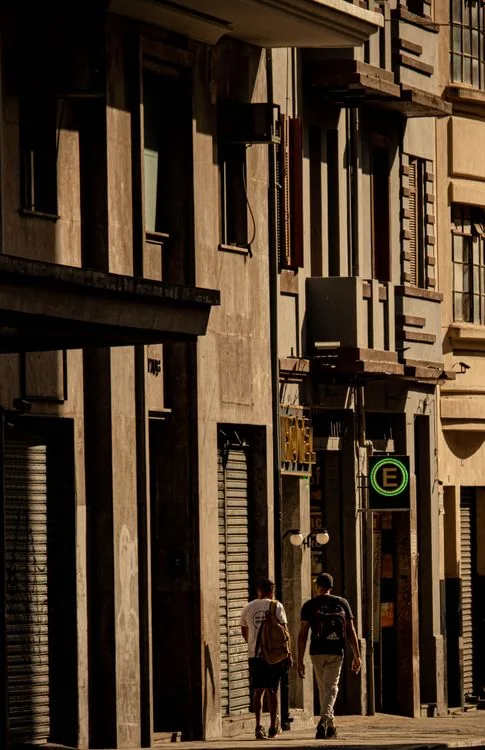
"Você pode me ajudar?" and "Preciso de ajuda" bridge the gap between a normal request and an emergency. They are worth drilling until they are automatic, because you want them available under stress, not buried in a phrasebook. If you plan to lean on ride apps and buses, our Brazil dos and don'ts guide covers the habits that keep transport smooth and low-risk.
Emergency Brazilian Portuguese Phrases That Could Save Your Trip
This is the section to actually memorize. In a real emergency, English will rarely reach the person who can help, and seconds matter. Brazil uses separate numbers for each service, and calls are free from any phone: 190 for police, 192 for an ambulance (SAMU), and 193 for the fire brigade (Global Emergency Numbers, 2026). Since 2013, dialing 911 or 112 also routes to the same system, which helps if panic makes you default to the number from home.
| English | Portuguese | Pronunciation |
|---|---|---|
| Help! | Socorro! | soh-KOH-hoo |
| Call the police! | Chame a polícia! | SHAH-mee ah poh-LEE-see-ah |
| Call an ambulance! | Chame uma ambulância! | SHAH-mee OO-mah am-boo-LAN-see-ah |
| I need a doctor | Preciso de um médico | preh-SEE-zoo jee oong MEH-jee-koo |
| Where is the hospital? | Onde fica o hospital? | OHN-jee FEE-kah oo oss-pee-TAHL |
| Where is the pharmacy? | Onde fica a farmácia? | OHN-jee FEE-kah ah far-MAH-see-ah |
| I'm hurt / sick | Estou ferido(a) / doente | ess-TOH feh-REE-doo / doh-EN-chee |
| I was robbed | Fui roubado(a) | fooey hoh-BAH-doo |
| I don't speak Portuguese | Eu não falo português | eh-oo nowng FAH-loo por-too-GESS |
| It's an emergency | É uma emergência | eh OO-mah eh-mer-ZHEN-see-ah |
| Leave me alone! | Me deixe em paz! | mee DAY-shee eng pahz |
A few of these carry the gendered ending under pressure: a man says ferido and roubado, a woman says ferida and roubada. Do not overthink it in the moment. Even the wrong ending communicates the emergency perfectly. What matters is that "Socorro" and "Chame a polícia" come out fast and clear.
This is where the Brazil Safe Travel app is built to help. Its emergency Portuguese audio can play a clear, correctly pronounced "Chame a polícia" or "Chame uma ambulância" out loud to a bystander or shop clerk, so you are not depending on your own accent at the worst possible moment. When you cannot get the words out, handing your problem to a voice that Brazilians will understand instantly is the difference between being ignored and getting help.

Pronunciation Tips for Brazilian Portuguese
You do not need a perfect accent, but a few sound rules make you understandable instead of baffling. Portuguese is one of the world's most spoken languages, with roughly 267 million speakers, and Brazil accounts for about 80% of them, so Brazilian pronunciation is the version you want (Wikipedia, citing Ethnologue, 2026). The written word often looks nothing like how it sounds, which is why the phonetic column above matters more than spelling.
A few patterns cover most of it:
- The letter "R" at the start of a word sounds like an English "H." Rio is "HEE-oo," roubado is "hoh-BAH-doo." A double "rr" does the same.
- "D" and "T" before an "e" or "i" turn soft, into a "j" and "ch" sound. De becomes "jee," noite becomes "NOY-chee." This is the most Brazilian feature of all.
- "Ã" and "ão" are nasal. Não ("no") is roughly "nowng," said through the nose. There is no exact English equivalent, so approximate it and move on.
- "S" between vowels sounds like "Z," and a final "s" in Rio often softens toward "sh."
- Stress usually lands on the second-to-last syllable unless an accent mark tells you otherwise.
Would native speakers grade you harshly? Not at all. Brazilians are famously encouraging with foreigners who try, and effort is met with patience rather than correction. The goal is intelligibility, not eloquence. Get the emergency phrases clear, be recognizable on the everyday ones, and let goodwill cover the rest. For everything else about traveling smart in the country, our Brazil safety guide ties the language piece into the bigger picture.
Frequently Asked Questions
These are the questions travelers ask most once the trip narrows from "is Brazil safe" to the practical matter of actually communicating on the ground.
Do many people speak English in Brazil?
No. Only about 5% of Brazilians speak any English and roughly 1% are fluent, per the EF English Proficiency Index, which ranks Brazil 81st of 116 countries. You will find some English in top hotels and airports, but assume Portuguese-only everywhere else, including with police and pharmacists.
What is the most important Portuguese phrase to learn?
"Eu não falo português" ("I don't speak Portuguese") is the most useful opener, closely followed by "Você pode me ajudar?" ("Can you help me?"). With around 99% of Brazil's 211 million people speaking Portuguese, these two phrases reset almost any interaction politely before you resort to gestures or an app.
Is it obrigado or obrigada?
It depends on your gender, not the listener's. Men say obrigado, women say obrigada, in every situation. This is the most common slip foreigners make, and getting it right instantly signals respect. The same gendered ending applies to words like alérgico/alérgica and perdido/perdida.
What are the emergency numbers in Brazil?
Dial 190 for police, 192 for an ambulance (SAMU), and 193 for the fire brigade, all free from any phone. Since a 2013 law, 911 and 112 also route into the same system, so a familiar number from home will still connect you to Brazilian emergency services.
Can I get by with Spanish in Brazil?
Not really. Although Portuguese and Spanish overlap in writing, spoken Brazilian Portuguese has nasal vowels and softened consonants that make the two hard to understand aloud. Portuguese is spoken by roughly 267 million people worldwide and Brazilians use it exclusively, so a few correct Portuguese words beat fluent Spanish.
The language barrier in Brazil is real, but it is also small enough to manage with the lists above. Learn the greetings, respect the gendered obrigado/obrigada, and above all lock in the emergency phrases and the numbers 190, 192, and 193 before you land. When your own pronunciation fails you in a tense moment, the Brazil Safe Travel app can speak a clear "call the police" or "call an ambulance" in Portuguese for you, so a stranger understands instantly. Pair this guide with our full Brazil safety guide, our common scams in Brazil breakdown, and our Brazil dos and don'ts etiquette guide, and you will move through the country with far more confidence than your Portuguese alone would suggest.