Is Florianópolis Safe? 2026 Beaches & Tourist Tips

Jump to section
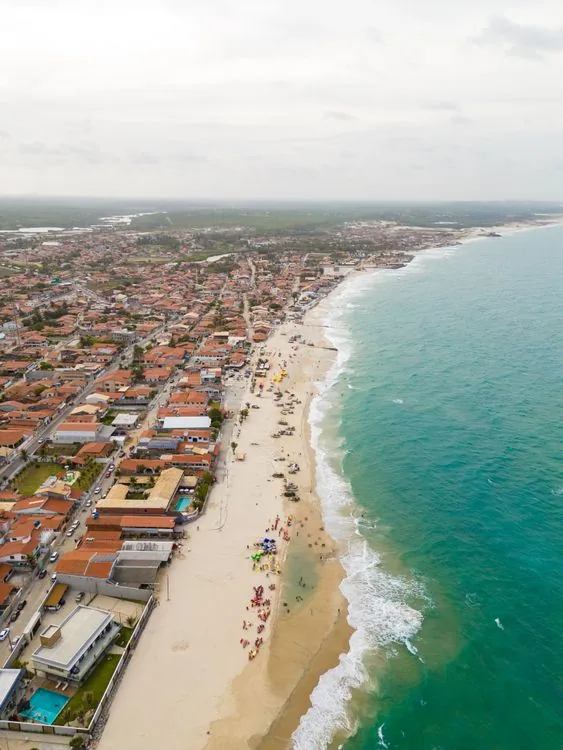
Updated July 2026: this guide uses current U.S. guidance, the latest Atlas da Violência capital rankings, Santa Catarina beach-water bulletins, and CDC traveler-health recommendations relevant to Florianópolis right now.
Is Florianópolis safe? For most tourists, yes, and the data backs a genuinely reassuring answer rather than a cautious one. Florianópolis is the safest state capital in Brazil according to the Atlas da Violência 2026, with a homicide rate of 9.7 per 100,000 residents in 2024, well below the national average of 20.1 (Rio Times Online, 2026). That makes the island city one of the softer entry points into Brazil for first-time visitors who want beach access without Rio's risk profile. Even so, "safest capital" does not mean frictionless. The trip works best when the beach base is well chosen, the nightlife strip around Lagoa da Conceição is treated with a little discipline, and the outer mainland neighborhoods are kept off the after-dark itinerary.
The official framing supports that balanced read. The U.S. Embassy and Consulates in Brazil currently display Travel Advisory Level 2: Exercise Increased Caution for Brazil as a whole and recommend STEP enrollment for travelers who want alerts and consular contact support (U.S. Embassy and Consulates in Brazil, 2026; STEP, 2026). That country-level caution sits alongside a city that consistently outperforms the rest of Brazil on the numbers that matter most to visitors.
If you still want the country-level answer first, start with our full Brazil safety guide. If you are weighing Florianópolis against another beach city, our Fortaleza safety guide shows how a different Northeast coastal trip compares.
Key Takeaways
- Florianópolis is Brazil's safest state capital (9.7 homicides per 100,000 in 2024 vs a 20.1 national average), which makes it an easy first Brazil trip for beach-focused travelers.
- The main tourist risks are petty theft on crowded beaches and bus terminals plus drink-spiking reports around Lagoa da Conceição nightlife, not broad violent crime.
- The strongest setup is an island beach base (Jurerê, Lagoa, or the east-side beaches), a pre-planned airport transfer, and short, app-based night returns.
Is Florianópolis Safe for Tourists in 2026?
For most travelers, yes, and Florianópolis is one of the few Brazilian capitals where the safety answer leans clearly positive. The city recorded 9.7 homicides per 100,000 residents in 2024, keeping its position as the safest capital in the country, while the U.S. Embassy still applies Travel Advisory Level 2: Exercise Increased Caution to Brazil overall (Rio Times Online, 2026; U.S. Embassy and Consulates in Brazil, 2026). The practical meaning for a visitor is simple: the island side of Florianópolis behaves much more like a relaxed beach destination than a high-alert megacity, and the risks that remain are mostly opportunistic rather than structural.
Florianópolis has a different tourist risk profile from São Paulo and Rio. It is less about dense transit saturation or event-heavy beachfront spectacle and more about a small set of repeat decisions: where you base yourself, how you handle the summer nightlife strips, and whether you carry casual beach habits into crowded or peripheral areas. In that sense the city rewards ordinary caution rather than constant vigilance. Most travelers who keep phones out of sight on the sand, use app-based rides at night, and stay on the island's tourist corridors find the trip noticeably easier than Brazil's national reputation implies.
Why Is Florianópolis Considered Brazil's Safest Capital?
Because the long-term data, not just a single year, keeps pointing the same direction. Florianópolis showed a 33% decline in homicides over ten years, falling from 14.5 per 100,000 in 2014 to 9.7 in 2024, while Santa Catarina state as a whole records roughly 8.4 homicides per 100,000, among the lowest in Brazil (Rio Times Online, 2026; Informe Floripa, 2026). That combination of a low absolute rate and a downward trend is what separates Florianópolis from capitals that look calm in a good year but swing sharply in a bad one.
The comparative gap is what makes the number feel real. Florianópolis sits far ahead of the most violent capital, Salvador, which recorded around 52.7 homicides per 100,000 in 2024, a roughly five-fold difference (Rio Times Online, 2026). For a tourist, this matters less as a statistic and more as a baseline: the environment you are moving through is genuinely calmer than most of the country, which is why so much Florianópolis advice can focus on beach logistics and petty theft rather than on avoiding violent crime.
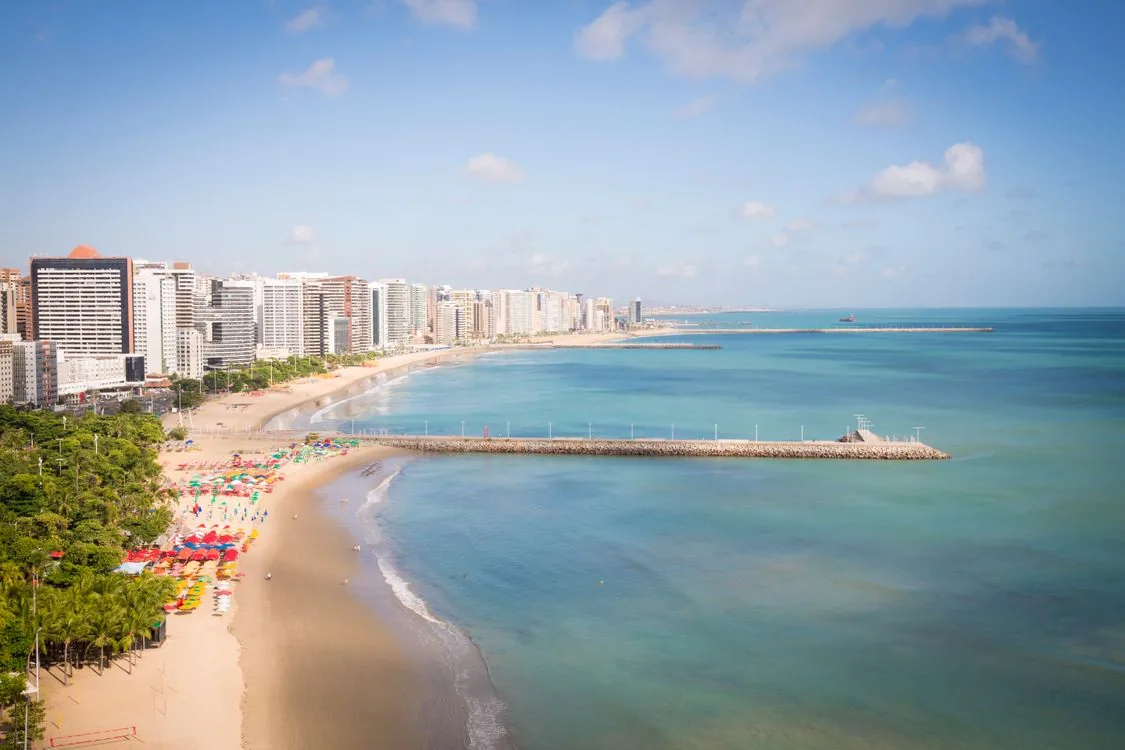
None of this makes the city risk-free, and locals will tell you the mainland districts and outer residential zones do not share the island's tourist-corridor calm. But the honest headline is that Florianópolis earns its reputation. The safest-capital label is backed by a decade of improvement, not a marketing line, and that is the strongest reason a first-time Brazil visitor can plan the trip with relatively low background anxiety.
Which Florianópolis Neighborhoods Are Safest for Tourists?
Tourists do best where beach access, hotel density, and a visible tourist infrastructure line up, which in Florianópolis means the island's established beach corridors rather than the mainland. Jurerê Internacional is the most obvious example: an upscale beach district known for resorts, higher-end homes, and a noticeable security presence, which is why it consistently appears in "safest neighborhood" discussions for the city (travelsafe-abroad, 2026). It is not the only strong base, but it sets the pattern: the areas that work best are the ones where the daily rhythm of hotel, beach, and dinner stays compact and legible.
The cleanest base logic usually looks like this:
| Base area | Best for | Why it works | Tradeoff |
|---|---|---|---|
| Jurerê Internacional | Couples, families, first-timers | Upscale, visible security, easy beach days | Higher nightly cost |
| Lagoa da Conceição | Nightlife plus beaches | Central, lively, close to east-side beaches | Requires more care after dark in summer |
| Santa Mônica / Córrego Grande | Longer stays, quieter base | Residential calm near city services | Less beachfront immediacy |
| Mainland (continente) | Budget-first stays | Lower cost, more transport options | More friction, weaker after-dark logic |
Lagoa da Conceição deserves a specific note because it is both a favorite base and the area where most nightlife-related caution applies. It is central and well connected to the east-side beaches, which makes it convenient, but the same density that makes it fun in summer is what raises the need for basic drink and phone discipline late at night. If you want a quieter footing, Santa Mônica and Córrego Grande offer residential calm closer to the city's services, while the mainland is best treated as a budget or transit choice rather than a scenic base.
For a sense of how neighborhood-first planning changes in a very different Brazilian city, our Rio de Janeiro safety guide shows how much more the base choice matters there.
What Should Tourists Avoid in Florianópolis?
The risks worth planning around are mostly opportunistic: pickpocketing in crowds and a specific drink-spiking pattern in summer nightlife, not random violent crime. Petty theft is the most common issue travelers report, concentrated at crowded beaches, nightlife areas, and bus terminals (isitsafetovisit, 2026). The single most important city-specific warning is around the bar and restaurant strip in Lagoa da Conceição, where tourists have reported drinks spiked with sedatives and then being robbed of phones, cash, and cards, with incidents rising sharply during Carnival and the December to February peak (Before You Go, 2026).
The most avoidable mistakes are usually these:
- leaving drinks unattended or accepting drinks from strangers in Lagoa da Conceição nightlife
- exposing phones and bags on crowded summer beaches like Jurerê and the busier east-side sands
- carrying large amounts of cash instead of paying by card
- walking into peripheral mainland neighborhoods after dark
- treating bus terminals and packed transit points as low-risk just because the city is calm overall
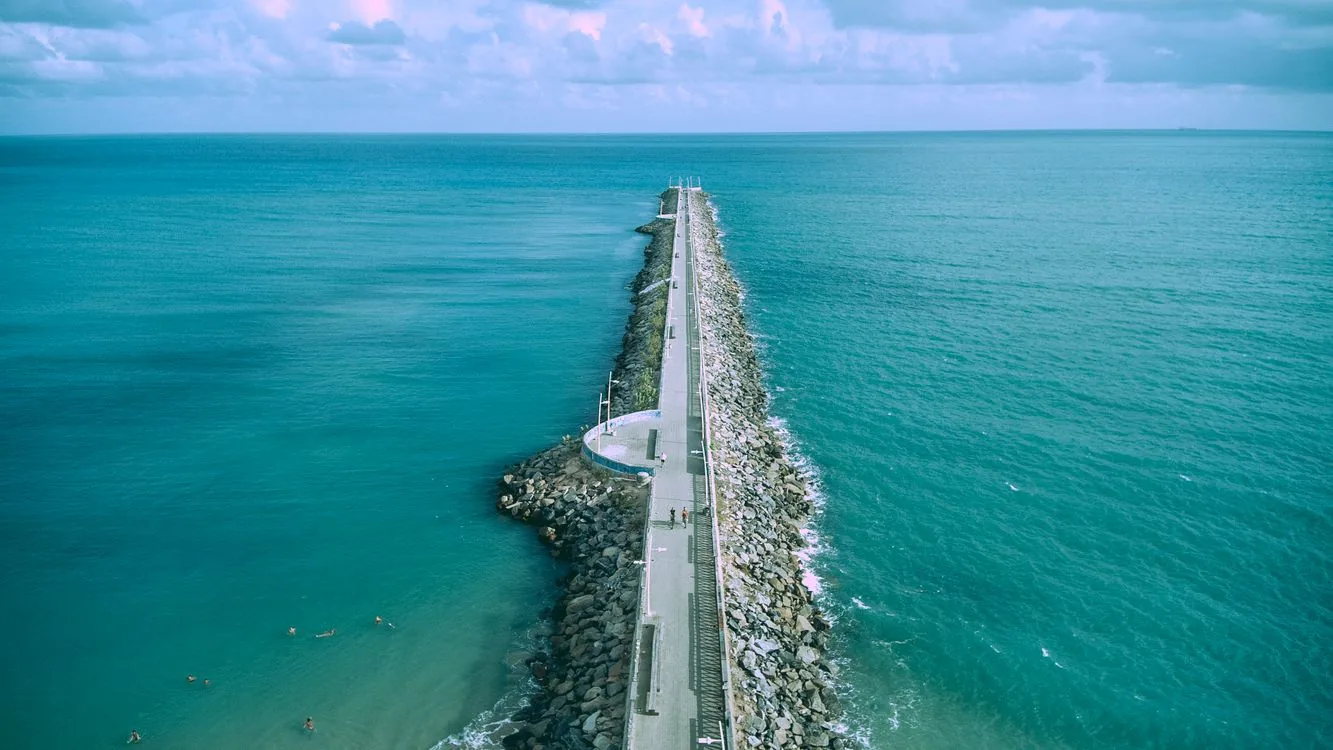
What to avoid in Florianópolis is better answered by understanding where tourists become predictable than by a blacklist of streets. On the beach, predictability means an unattended phone or bag. At night, it means an open drink or a walk into a quieter block because the city felt safe all day. This is exactly where the Brazil Safe Travel app helps: its scam and incident alerts flag the drink-spiking pattern around Lagoa, and its GPS risk-zone layer marks the peripheral mainland areas that do not share the island's calm, so a relaxed beach day does not turn into a poorly judged late-night detour. For the wider national picture on these tactics, keep this paired with our guide to common scams in Brazil.
Are Florianópolis Beaches Safe?
Generally yes, but "beach safe" in Florianópolis means two separate things: water quality and ocean conditions. On water quality, Santa Catarina's environmental institute (IMA) publishes weekly bathing bulletins in summer, and in its late-January 2026 report about 69.32% of monitored points in Florianópolis were suitable for bathing, with 61 of 88 points rated adequate (IMA, 2026). The share moves week to week, which is precisely why checking the current bulletin beats relying on a beach's general reputation.
The main practical driver is rainfall. Water is classed on E. coli levels, and conditions typically worsen after heavy rain when runoff pushes contamination near drainage outlets, so the standard advice is to avoid the sea shortly after storms and to favor points away from stormwater channels (IMA, 2026). Poor water conditions raise the risk of skin irritation, conjunctivitis, and gastrointestinal upset rather than anything dramatic, but they are easy to sidestep with a quick check.
The island's beaches are usually easy; the two things worth a two-minute check are water quality and surf.
Ocean conditions are the second half of beach safety. The island's east-facing beaches, such as Joaquina and Praia Mole, get real Atlantic surf and rip currents that catch out casual swimmers, while the calmer northern bays like Jurerê and Canasvieiras tend to suit families and weaker swimmers. Matching the beach to your comfort in the water matters more here than any crime concern.
Is Florianópolis Airport Transfer and Transport Safe?
Usually yes, especially when the airport-to-hotel move is decided before you reach the curb. Florianópolis International Airport sits relatively close to the southern part of the island, and the safest arrival is the one with the fewest open decisions once your luggage is in hand: a pre-booked transfer or an app-based ride beats improvising a street taxi while checking maps with bags visible. This is the same logic that applies across Brazil, but it is easy to get right in Florianópolis because the tourist corridors are well defined and the city is calmer to begin with (U.S. Embassy and Consulates in Brazil, 2026).
For local movement, the simplest hierarchy is still the strongest:
Airport arrival
- know your hotel address and pickup method before landing
- prefer a pre-booked transfer or app-based transport over curbside taxis
- do not wait outside with luggage and a lit phone while deciding
Local movement
- use app-based rides for night returns, especially from Lagoa da Conceição
- keep daytime beach-to-dinner movement simple and within tourist corridors
- treat crowded bus terminals as pickpocket-prone and keep valuables secured
Distances on the island are longer than first-timers expect, so many travelers rent a car or lean on ride apps to move between the north-side and east-side beaches. Either works; the safety point is consistency. Improvised late-night walks and unstructured transfers are where an otherwise calm city stops doing you favors. If arrival planning is still part of your wider prep, keep this paired with our Brazil visa guide for Americans.
What Health Risks Matter in Florianópolis?
Florianópolis health prep is light but not zero: routine vaccines, mosquito awareness, and beach-water checks cover most of it. The CDC's Brazil traveler page advises visitors to be current on routine vaccines and COVID-19 and to consider Hepatitis A and Typhoid depending on the trip, alongside standard mosquito precautions for dengue (CDC Travelers' Health: Brazil, 2026). Dengue is the most relevant everyday concern in a warm coastal city, and the CDC's guidance is practical: use repellent, favor screened or air-conditioned lodging, and cover up when useful, since mosquitoes bite day and night (CDC Dengue Prevention, 2025).
The Florianópolis-specific health layer is the beach-water bulletin covered above. Checking IMA's weekly balneabilidade report before a swim is the single most useful local habit, because it turns a general "are the beaches clean" question into a same-week answer for the exact stretch of sand you plan to use (IMA, 2026). Beyond that, the city's health profile is closer to a temperate coastal resort than to Amazon travel, so the prep should be proportionate rather than dramatic.
For travelers building a broader route, decisions about yellow fever and other vaccines depend on where else you go in Brazil, so it is worth reading vaccine guidance against your full itinerary rather than Florianópolis alone. Our vaccines for Brazil travel guide covers how those choices change by region.
What Should You Do If Something Goes Wrong in Florianópolis?
The strongest response is procedural and fast, and Florianópolis makes recovery easier because the baseline environment is calmer and tourist infrastructure is solid. If a phone or wallet disappears, the sequence matters more than panic: get into a controlled indoor space, lock your cards and accounts immediately, and then move into formal reporting rather than improvising on the street. Because petty theft is the dominant risk rather than violent crime, most incidents are recoverable when handled quickly and calmly (isitsafetovisit, 2026).
If something goes wrong:
- move into a hotel, restaurant, shop, or other controlled indoor space
- lock cards, phone access, and key accounts right away
- call
190for police if there is an active threat, or192for medical emergencies - file a police report (including through Santa Catarina's online police channels where available) so you have documentation for insurance
- contact your consulate and review STEP messages if documents or safety conditions escalate
This is also where the Brazil Safe Travel app earns its place for travelers who do not speak Portuguese. Its emergency Portuguese audio can play a clear request for police or medical help to bystanders or staff, which removes the language friction that turns a small incident into a stressful one, while its scam alerts keep the drink-spiking pattern around Lagoa da Conceição top of mind before a night out rather than after. The goal in Florianópolis is not heavy defense; it is a quick, structured response so a rare bad moment does not derail an otherwise easy trip.
Florianópolis and Curitiba are the two southern cities that consistently top Brazil's safety rankings, and they pair well on one trip — one coastal, one urban and planned.
Frequently Asked Questions
These are the questions travelers ask most once the broad Brazil safety question narrows to one calm island city and a practical summer itinerary.
Is Florianópolis safe for tourists?
Yes, for most travelers. Florianópolis is Brazil's safest state capital, with 9.7 homicides per 100,000 residents in 2024 against a 20.1 national average, and the main risks are petty theft and summer nightlife caution rather than violent crime.
What areas should tourists avoid in Florianópolis?
Stick to the island's beach corridors and be cautious with peripheral mainland neighborhoods after dark. In nightlife, the Lagoa da Conceição strip is where drink-spiking reports concentrate during the summer peak.
Are the beaches in Florianópolis safe to swim?
Water quality is generally good but varies weekly, so check the IMA bathing bulletin, which rated about 69% of monitored points suitable in late January 2026. Also match the beach to your swimming ability, since east-side beaches have real surf and rip currents.
Is Florianópolis safe at night?
The island's tourist areas are calm by Brazilian standards, but late-night care still applies. Use app-based rides instead of long walks, never leave drinks unattended in Lagoa da Conceição, and avoid quiet peripheral blocks after dark.
Is Florianópolis a good first trip to Brazil?
Often yes. Its safest-capital status, strong beaches, and legible tourist corridors make it one of the easier Brazilian cities for first-time visitors who want beach access without a high-alert big-city risk profile.
Do I need a yellow fever vaccine for Florianópolis?
It depends on your full itinerary rather than Florianópolis alone, so check current CDC guidance against everywhere you plan to go in Brazil. For the city itself, routine vaccines and dengue precautions are the everyday priorities.
Florianópolis is one of the rare Brazilian cities where the safety answer is genuinely encouraging: the safest-capital ranking is backed by a decade of falling homicides, and most of what remains is ordinary beach-city caution. The strongest version of the trip is still the simple one, with a well-chosen island base, a pre-planned airport transfer, weekly beach-water checks, and a little extra discipline around summer nightlife. If you want the wider country view, go back to the full Brazil safety guide. If you are comparing island calm with a different coastal trip, use our Fortaleza safety guide, and for timing keep this paired with our best time to travel to Brazil.