Is Trancoso, Brazil Safe for Tourists? Honest 2026 Guide

Jump to section
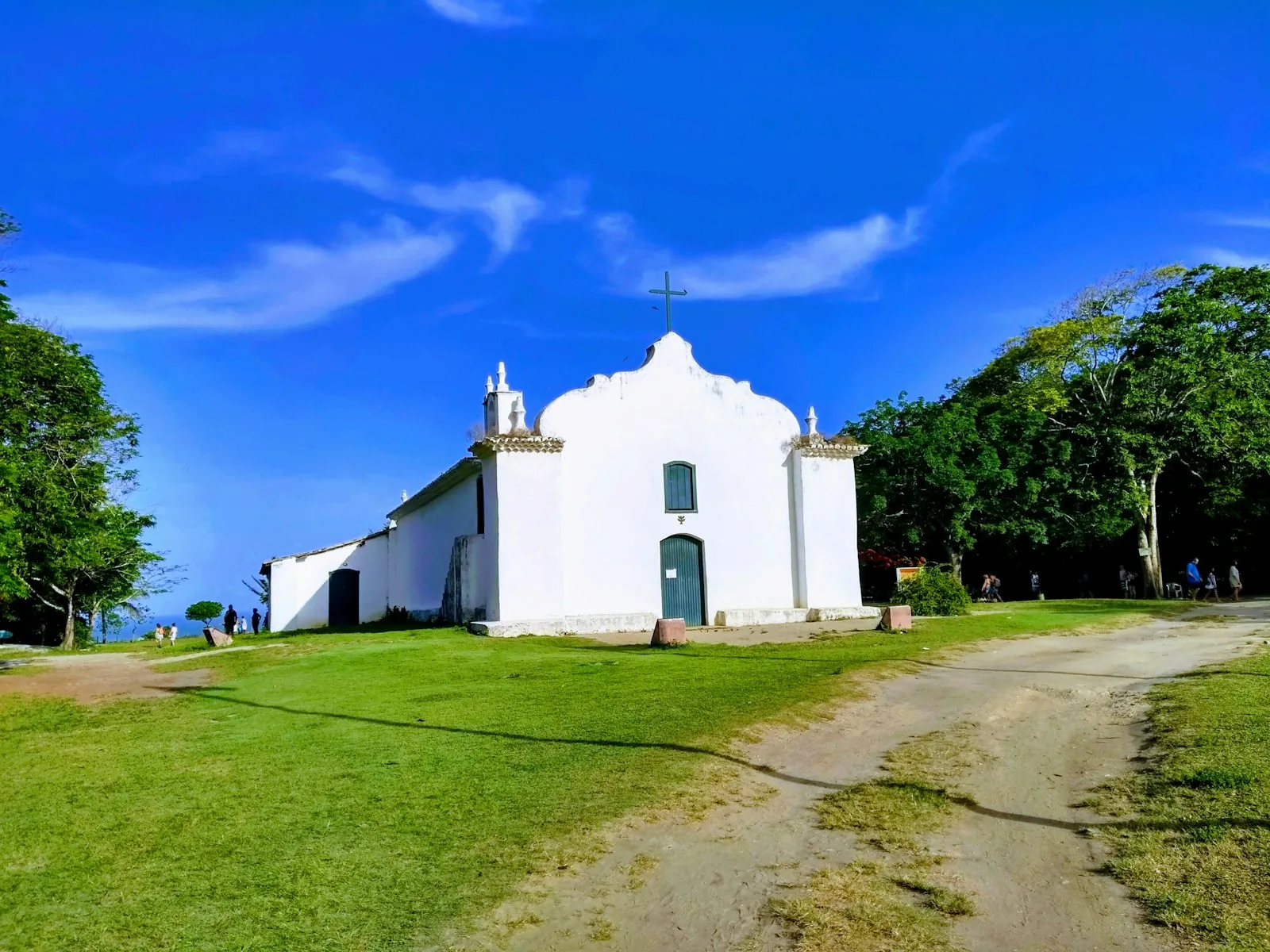
Photo: Caio Rodrigues on Unsplash
Updated April 2026: this guide draws on U.S. Embassy travel advisories, data from the Fórum Brasileiro de Segurança Pública (FBSP) Anuário 2025, Atlas da Violência research from Ipea, and verified traveler safety accounts for Trancoso.
Is Trancoso safe? That question doesn't have the same answer for Trancoso that it has for most of Bahia — and that difference matters. Bahia state recorded 4,480 murders in 2024, the highest absolute count of any state in Brazil (FBSP Anuário Brasileiro de Segurança Pública, 2025). Those numbers are real, and anyone honest about Brazil has to say so. But those numbers describe Salvador, the state capital of 2.4 million people, and the dozens of interior municipalities where gang disputes drive the toll. They don't describe a small fishing-village-turned-luxury-resort sitting on a clifftop above the Bahian coast, 75 km south of Porto Seguro.
Trancoso is that second kind of place. The village is built around its Quadrado — a wide grassy square lined with colorful colonial houses, boutique hotels, and small restaurants, with a simple white church at one end. Its beaches, Praia dos Nativos and Praia do Espelho, are consistently ranked among Brazil's most beautiful. Its economy runs almost entirely on tourism, which creates a structural incentive to keep the experience welcoming rather than threatening.
If you want the full national picture first, read our Brazil safety guide. If you've already done that research and want a specific answer about Trancoso, keep reading.
Key Takeaways
- Trancoso is much safer than Bahia's headline crime statistics suggest — violent crime is concentrated in Salvador and the urban periphery, not resort towns.
- Petty theft (phone snatching, pickpocketing) is the primary tourist risk, particularly in crowded high-season periods.
- The Quadrado area and main beach neighborhoods are well-lit, active with tourists, and manageable with standard precautions.
- Brazil's violent death rate fell 5% in 2024, the lowest since 2012 (FBSP, 2025), and Bahia's own numbers improved 8.4% in the same period.
- The U.S. Embassy Level 2 advisory covers Brazil as a whole — it was not written about Trancoso specifically.
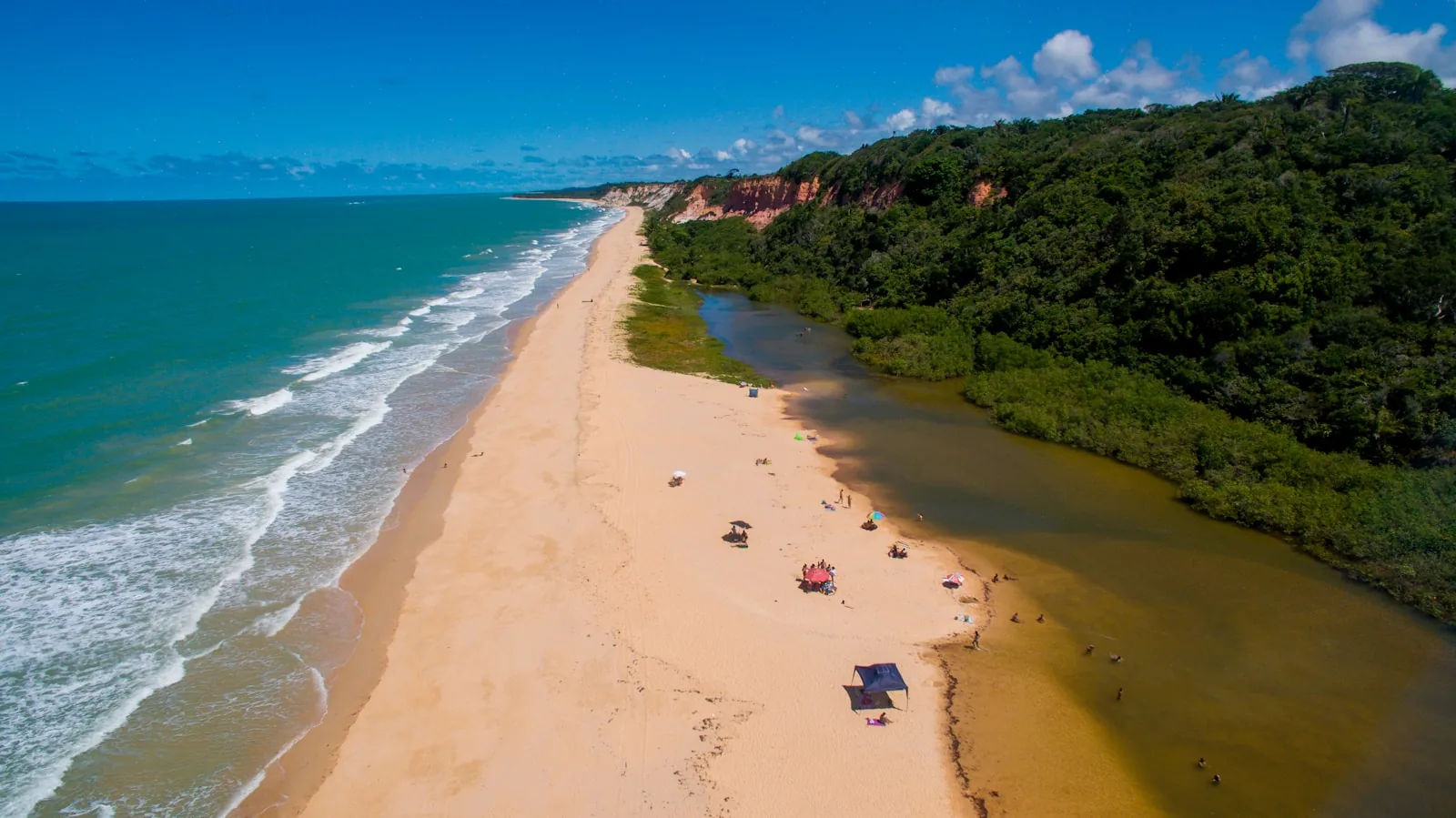
Photo: Caico Gontijo on Unsplash
Is Trancoso, Brazil Safe for Tourists in 2026?
For most visitors, yes — Trancoso is a low-risk destination by Brazilian standards. Brazil's violent death rate fell to 18.21 homicides per 100,000 inhabitants in 2024, the lowest figure recorded since 2012, according to the FBSP Anuário Brasileiro de Segurança Pública (FBSP, 2025). Bahia specifically saw intentional violent deaths drop 8.4% in 2024, with a further 15.3% decline recorded in January 2025. The country is trending in the right direction, and Trancoso sits in one of the least exposed corners of an improving national picture.
The U.S. Embassy and Consulates in Brazil currently maintain a Travel Advisory Level 2: Exercise Increased Caution for Brazil as a whole (U.S. Embassy Brazil, 2026). That same Level 2 status applies to Portugal, France, and dozens of other countries with active tourist industries. For Trancoso, the relevant advisory interpretation is: standard awareness, not avoidance. The conditions driving Brazil's higher-risk ratings — gang activity, armed robbery in major city centers, unsafe peripheral neighborhoods — are not the conditions you encounter in a 40,000-square-meter village with one main road.
When locals in Trancoso are asked directly about crime, the consistent report is that violent crime is rare — and that the practical risk for visitors is the same opportunistic petty theft that any tourist should watch for in any crowded destination (Brazil for Travelers, 2016/ongoing). That's a low base rate to manage, and it's manageable.
How Does Trancoso's Safety Compare to the Rest of Bahia?
Understanding Bahia's crime picture requires separating the state's headline numbers from the geographic reality of where violence actually occurs. Bahia recorded 4,480 murders in 2024, the highest count of any state in Brazil (FBSP Anuário Brasileiro de Segurança Pública, 2025). The driving force behind that number is Salvador, the state capital, where the homicide rate reached 52.7 per 100,000 inhabitants — more than twice the Brazilian national rate of 19.1 per 100,000, and the highest rate of any Brazilian state capital (Atlas da Violência / Ipea + FBSP, 2022).
Salvador's rate reflects concentrated gang-related violence in its vast peripheral neighborhoods, not conditions across Bahia's 417 municipalities. The Bahia coast south of Salvador — the Descobrimento Coast that includes Porto Seguro, Arraial d'Ajuda, and Trancoso — operates under a fundamentally different risk profile. These are established international resort destinations where tourism infrastructure, international visitors, and local economic dependence create a different environment from the state capital's urban periphery.
For context, our Salvador safety guide details why even Salvador's high headline numbers don't describe conditions in its tourist corridors. The same logic applies even more strongly to Trancoso, which has no major urban periphery at all — it's a village.
What Are the Real Safety Risks in Trancoso?
The honest answer is that Trancoso's tourist risk profile is narrow. Petty theft — phone snatching, pickpocketing, and occasional opportunistic theft from bags or vehicles — is the primary concern, not violent crime. That's a meaningfully different safety picture from the one Brazil's national headlines might suggest.
The specific behaviors that reduce petty theft risk in Trancoso follow the same logic as any popular tourist destination:
Phones and electronics: Don't use your phone while walking down the street, especially in crowded market or festival areas. Use it indoors or at your table. Carry cameras in a closed bag rather than around your neck in public. This is practical advice, not an indication that theft is constant — it's the same guidance you'd get in Lisbon or Barcelona.
Money and valuables: Keep your wallet in a front pocket rather than a back pocket or an open bag. Avoid displaying expensive jewelry or watches when you're walking around or doing outdoor activities. On the beach, leave valuables at your accommodation rather than unattended on the sand.
Vehicle security: Don't leave laptops or electronics visible inside a parked car. This applies anywhere in Brazil and is standard advice for any rental-car trip.
Time and location: Avoid isolated beach paths after dark. The main Quadrado area and the beaches closest to it are active enough at night to be manageable, but unpopulated stretches of beach path after midnight present unnecessary risk. Stay where there's movement of people.
Peak-season periods — Carnival (February), New Year's, and July's school holiday — bring larger crowds to Trancoso, which slightly increases petty theft opportunity. The same awareness that applies year-round is more important during those windows.
Where Should You Stay in Trancoso?
Trancoso is small enough that the "where to stay" question is simpler than in most Brazilian cities — there are really only a handful of distinct zones.
The Quadrado area is the heart of village life and the most practical base for first-time visitors. It's the most walkable, best-lit, and densest concentration of restaurants, boutique pousadas, and evening activity. Staying here means you're rarely more than a five-minute walk from whatever you need. The informal social life of the village — outdoor dining, the evening promenade around the square, the church as a landmark — keeps the area active at reasonable hours.
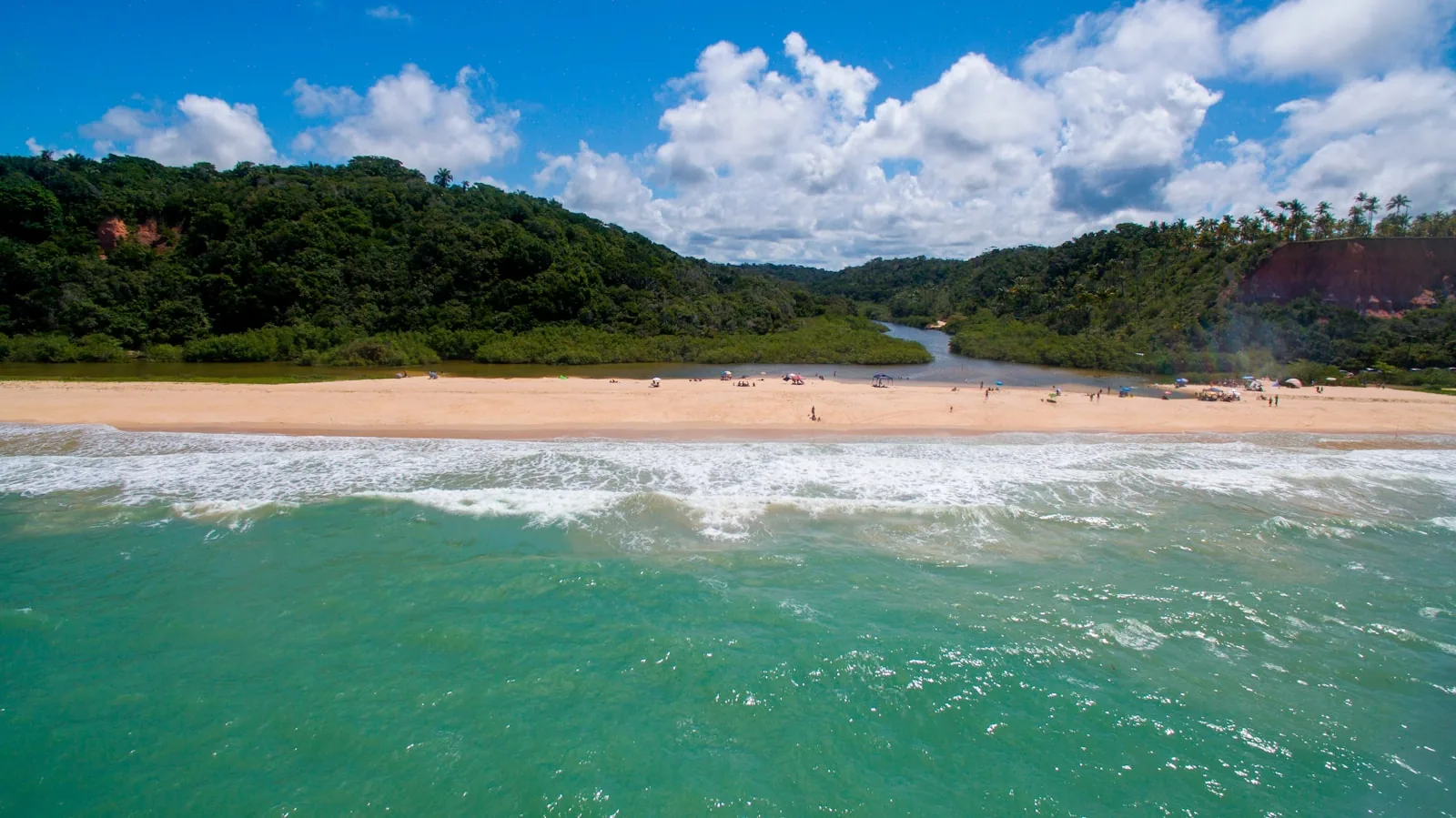
Photo: Caico Gontijo on Unsplash
Praia dos Nativos is the beach neighborhood a 20-minute walk from the Quadrado. It has its own restaurant strip and is popular with visitors who want to be closer to the water. The trade-off is that it's more spread out and feels quieter at night, which is appealing for some travelers and less so for others.
Praia do Rio da Barra is a short walk or drive from the Quadrado toward the north and suits travelers who want a quieter, more local-feeling base while staying within easy reach of the village center.
Itapororoca is slightly further out, attracting visitors who want a more residential, peaceful experience. It's fine for families with a rental car but not ideal if you plan to walk to village activities.
The general rule for Trancoso: stay within the core tourist zone, use app-based transport (Uber coverage is reasonable in the area for longer trips) for anything that takes you outside it, and avoid isolated beach paths after dark. That combination removes most of the practical risk.
Is Trancoso Safe at Night?
For the Quadrado area and its immediate surroundings, yes — the village's evening culture is oriented around outdoor dining and socializing, which keeps the main square and surrounding streets active and reasonably lit through the dinner hours. Trancoso doesn't have the late-night club scene of a city like Florianópolis, which means the risk profile at 11 pm is quite different from what you'd encounter in a major urban nightlife district.
The practical cautions at night are:
- Use an app-based transport service (Uber or local taxi) for any movement that takes you along dark or rural roads — not because crime is constant, but because isolated road movement anywhere is unnecessary risk.
- Avoid isolated beach paths after dark. The stretch between the Quadrado and Praia dos Nativos is walkable during the day, but walking it alone at night is not the common practice.
- Keep the same phone and valuables awareness that applies during the day — even a relaxed village environment has opportunistic theft in busy areas.
The Quadrado itself is small enough that most visitors who stay near it find the nighttime environment low-stress and comfortable. It's a dinner-and-wine evening rather than a nightclub town, and that profile happens to be a relatively low-risk one.
Practical Safety Tips for Visiting Trancoso
Getting these basics right before you arrive removes most of the minor risk that remains in Trancoso.
Enroll in STEP before you fly. The U.S. State Department's Smart Traveler Enrollment Program (STEP, 2026) takes five minutes to set up online and gives the U.S. Embassy a contact record for you in a genuine emergency. It also delivers current advisories to your inbox. There's no downside to doing it.
Get travel insurance that covers Brazil. Trancoso is safe, but medical coverage abroad is non-negotiable regardless of the destination. If you need a medical evacuation from a remote Bahian coastal village, the cost without insurance is substantial. See our travel insurance for Brazil guide for what to look for in a policy.
Know how to get cash safely. Use ATMs inside bank branches or large supermarkets rather than standalone machines on the street. Carry only the cash you need for the day.
Use app-based transport. Uber works in the Porto Seguro / Trancoso area for longer trips. For movement within the village, walking is the norm. Avoid unmarked taxis that approach you at the airport.
Emergency numbers to save: 190 (Polícia Militar), 192 (SAMU — emergency medical services), 193 (Corpo de Bombeiros — fire and rescue).
For travelers who want broader context on Brazil safety by traveler profile, our guide to Brazil for solo female travelers, families, and LGBTQ+ visitors covers the nuances that general safety guides miss.
What to Do If Something Goes Wrong
If you experience theft or any incident in Trancoso, the process is straightforward by Brazilian standards.
For petty theft, follow these steps to report the incident and support an insurance claim:
- Go to the local Delegacia de Polícia — Trancoso has police coverage for the resort zone; the nearest larger delegacia is in Porto Seguro (~75 km away).
- Show your passport and use a translator app on your phone if needed. Portuguese fluency is not required.
- Request a Boletim de Ocorrência (the official police report). This document is required for any travel insurance claim.
- Contact your travel insurer with the police report, your policy number, and a list of stolen items and their approximate values.
- If a credit card was stolen, call your bank's emergency line immediately to freeze the card — most U.S. banks have 24/7 international service numbers on the back of replacement cards.
For U.S. citizens requiring consular assistance, the nearest U.S. Consulate is in São Paulo (U.S. Embassy and Consulates in Brazil, 2026). If you're STEP-enrolled, your contact details are already in their system, which speeds up any consular response.
For medical emergencies, the nearest significant hospital infrastructure is in Porto Seguro. Serious conditions may require transfer to Salvador or São Paulo. Travel insurance with medical evacuation coverage makes this a logistics problem rather than a financial crisis — which is exactly why it's worth having before you leave home.
Frequently Asked Questions
Is Trancoso safe at night?
The Quadrado area stays active through evening and dinner hours, making it comfortable for most visitors. The main caution at night is avoiding isolated beach paths — stick to lit areas and use app-based transport for any movement outside the core village zone. Violent crime is not a documented tourist pattern in Trancoso; opportunistic petty theft is the risk to manage.
Is Trancoso safe for solo female travelers?
Trancoso is generally considered a comfortable destination for solo female travelers. Its village size, active tourist community, and informal social culture in the Quadrado make it more accessible than Brazil's major urban centers. Standard solo-travel precautions apply: share your itinerary with someone at home, use reputable accommodation, and trust your instincts. For broader Brazil context on safety by traveler profile, see the dedicated solo female traveler and LGBTQ+ guide linked in the Practical Safety Tips section above.
How does Trancoso compare to Salvador for safety?
They are not comparable in a meaningful way. Salvador is Brazil's third-largest city with a homicide rate of 52.7 per 100,000 — the highest of any Brazilian capital (Atlas da Violência / Ipea, 2022). Trancoso is a small resort village with no urban periphery, where violent crime against tourists is not a documented pattern. If you're choosing between them, the safety gap is substantial. If you're doing both, read our separate Salvador safety guide before the Salvador portion of your trip.
When is Trancoso most crowded — and does that affect safety?
Trancoso's busiest periods are Carnival (February), New Year's, and July's school holiday. Higher tourist volumes bring more petty theft opportunity, so the standard precautions — phone in pocket, wallet in front pocket, valuables at accommodation — matter more during those windows. The overall risk level remains low by Brazilian standards; the crowding just removes the margin for inattention that exists during quieter periods.
Do I need a visa to visit Trancoso?
U.S. citizens traveling to Brazil no longer need a tourist visa for stays up to 90 days, following Brazil's 2023 e-visa reinstatement and subsequent bilateral arrangements. For current visa requirements and any recent changes, see our Brazil visa guide for American citizens.
The Bottom Line
Trancoso is not a zero-risk destination — no travel destination is. But the risks it actually presents to tourists are narrow, well-understood, and manageable with standard precautions. Petty theft during crowded periods is the realistic concern; violent crime against tourists is not a documented pattern here.
The broader Bahia statistics that make some travelers nervous don't apply to a small, tourism-dependent resort village on the Descobrimento Coast. The structural incentives that keep Trancoso safe — economic dependence on visitors, small physical scale, active tourist community — are the same ones that make similarly structured destinations in Brazil and elsewhere perform well on safety metrics regardless of their broader regional context.
If you're planning a Bahia trip, Trancoso's safety profile is not a reason to hesitate. It's a reason to manage your expectations accurately — which means preparing for a relaxed, low-key village destination rather than a high-alert urban environment.
For timing your visit to get the best weather and avoid peak-season crowds at the same time, our best time to travel to Brazil guide covers Bahia's seasonal patterns in detail.