Is Belém, Brazil Safe for Tourists? (2026 Guide)

Jump to section
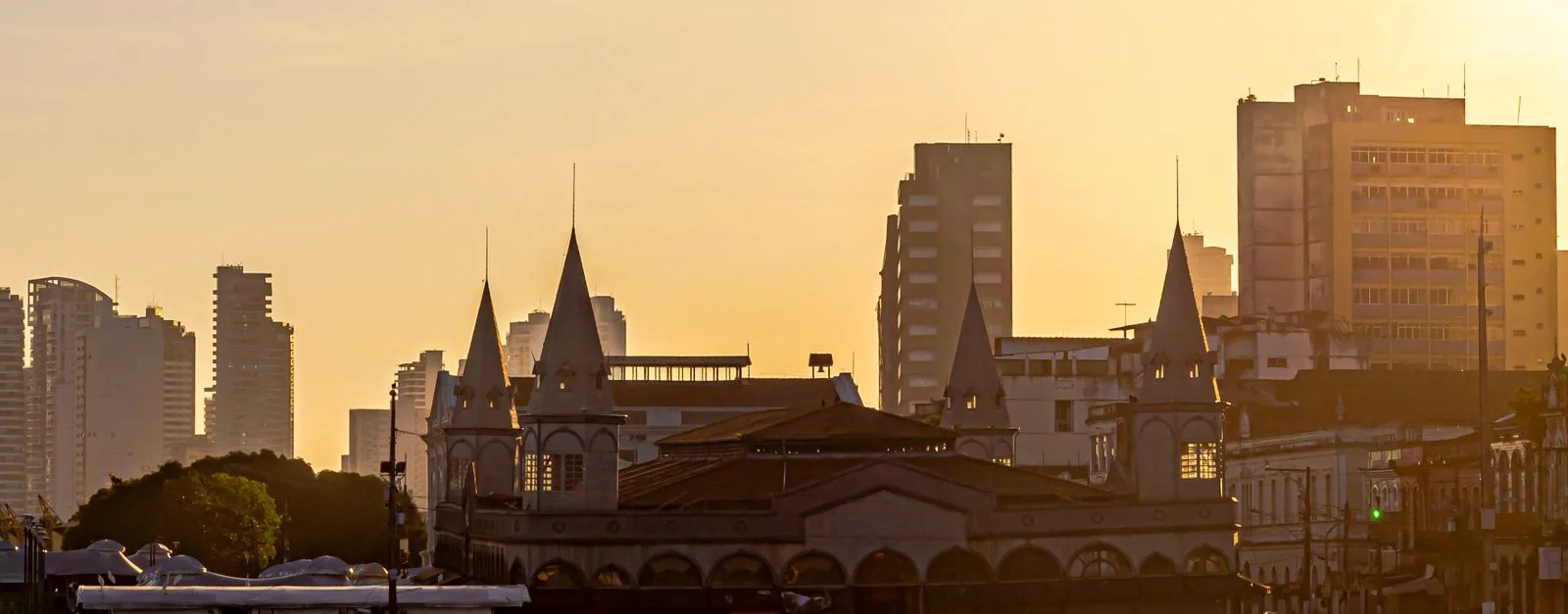
Updated September 2026: this guide uses current U.S. State Department guidance, CDC traveler-health recommendations, and updated information on Belém's tourist infrastructure following the city's COP30 hosting in November 2025.
Is Belém safe? The short answer is yes for most tourist itineraries — but with one important difference from every other major Brazilian city: health preparation, specifically the Yellow Fever vaccine, is recommended for most visitors before they arrive. Beyond that, Belém is more manageable than its reputation suggests when travelers stay within the compact historic core, use app-based transport, and treat the city as the Amazon gateway it actually is rather than a generic unsafe Brazilian destination.
Belém sits at the mouth of the Amazon River in the state of Pará. It isn't in Brazil's Northeast — it's in the North, separated from Recife and Fortaleza by 1,600 kilometers and a completely different geography. That distinction matters for planning. The city's tourist logic is built around the Ver-o-Peso waterfront market, the colonial Cidade Velha district, the restored Estação das Docas, and day trips to Ilha do Marajó — not beach resorts or coastal orlas. Understanding that context makes the trip feel much more predictable.
If you want the country-level picture first, start with our full Brazil safety guide. For city comparisons, the Fortaleza safety guide covers the Northeast's most popular beach-and-city route.
Key Takeaways
- Belém can work well for tourists when the trip is built around the Cidade Velha historic core, Ver-o-Peso waterfront, and app-based transport after dark.
- Brazil holds a U.S. Level 2 Travel Advisory (Exercise Increased Caution), and CDC recommends Yellow Fever vaccine for most Belém visitors due to the Amazonian region context.
- The city's practical risks center on opportunistic theft in crowded market areas, weak night movement outside the tourist core, and health gaps — especially yellow fever, dengue, and malaria preparation for river or jungle side trips.
Is Belém, Brazil Safe for Tourists in 2026?
For most itineraries, yes — but Belém requires more intentional health preparation than any coastal Brazilian destination. The U.S. Embassy and Consulates in Brazil currently display Travel Advisory Level 2: Exercise Increased Caution for Brazil as a whole, with specific guidance recommering STEP enrollment for travelers who want updates and consular support (U.S. Embassy and Consulates in Brazil, 2026). On the health side, CDC's Brazil traveler page recommends Yellow Fever vaccine for most travelers to Pará, the state where Belém sits, due to potential exposure to the Amazonian transmission zone (CDC Travelers' Health: Brazil, 2026). That is different from Fortaleza or Recife, where the recommendation is weaker.
Belém also hosted COP30 in November 2025, which prompted meaningful infrastructure investment in the city's tourist-facing corridors — better lighting, improved signage, and expanded riverfront access around Estação das Docas and the Hangar convention complex. That context doesn't transform Belém into a low-effort destination, but it does mean the city's tourist core is in better shape than most guides from 2023 or earlier would suggest.
The crime data cuts the other way, and it is worth stating plainly. The Atlas da Violência 2026 (Ipea/FBSP) records Belém's homicide rate rising 20.3% between 2023 and 2024, against a national decline — one of the few capitals moving in the wrong direction, while neighbouring Manaus fell 21.8% (O Tempo, Atlas da Violência 2026, 2026). That is a city-wide figure driven by the peripheral districts, not the Cidade Velha or Estação das Docas, but it is the reason the advice below about staying inside the tourist core and using app transport after dark is firmer for Belém than for most cities on this site.
The practical implication: tourists who stay close to the established waterfront and historic district during the day, use Uber or 99 for transport, and avoid improvised night walks tend to find Belém much easier than its global reputation predicts.
Which Areas of Belém Work Best for Tourists?
The strongest tourist corridor in Belém is compact and clearly defined: Cidade Velha (the historic district), Ver-o-Peso (the waterfront market), Estação das Docas (the restored port complex), and the Mangal das Garças nature park all sit within roughly 2 kilometers of each other. Tourists who orient the trip around that core have a clean, walkable daily rhythm during daylight hours.
Ver-o-Peso is the most visited single site — a sprawling open-air market where boats unload açaí, river fish, and medicinal herbs directly onto the dock. It's best visited in the morning, before heat peaks and crowds thin. The market gets more opportunistic at the edges, especially toward the fish stalls near the open waterfront, so keeping bags close and phones inside a pocket matters more here than it would in a hotel lobby.
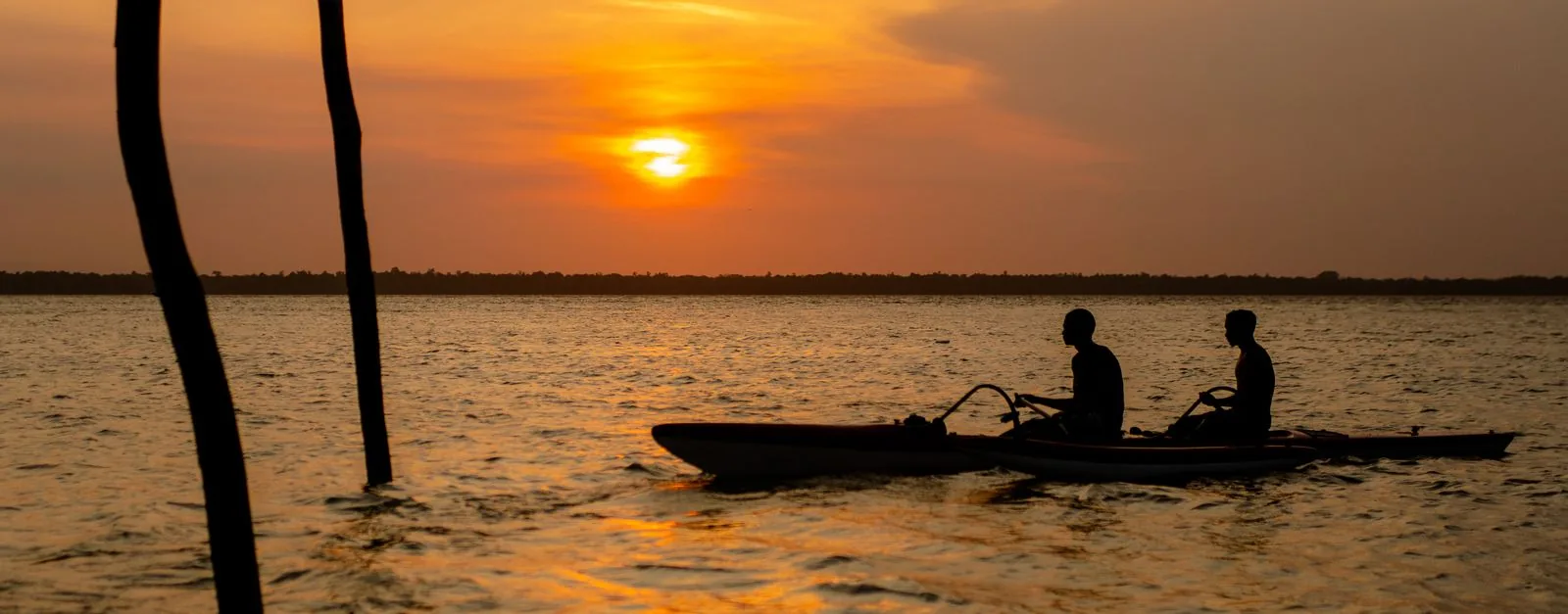
Estação das Docas is the easiest evening option: a restored 19th-century iron warehouse complex facing the river, with restaurants, craft beer, and a breeze. It stays active until late and provides a clean anchor for after-dark dining without requiring much transport risk.
The city's tourist core is compact — a roughly 2 km corridor from Cidade Velha to Estação das Docas.
For comparison with a very different Brazil city trip style, our São Paulo safety guide shows how megacity transit logic changes the entire planning equation.
What Should Tourists Avoid in Belém?
The risks that actually affect tourists in Belém are narrower than a generic "dangerous city" framing would suggest. Most incidents reported by international visitors cluster around three patterns: phone or bag theft in crowded market areas (especially Ver-o-Peso), solo walking in unfamiliar peripheral neighborhoods after dark, and informal transport improvised at curbside rather than booked through an app.
Visible phones and cameras at the Ver-o-Peso market edges deserve specific attention. The market is genuinely worth visiting — but snapping photos while walking and holding your phone casually draws more attention here than in most tourist markets in Brazil. A good habit: take photos from a fixed position with your back to a wall or structure, then pocket the phone before moving.
Ilha do Marajó day trips are best booked through a recognized operator rather than improvised at the dock on the day. Boats run regularly, but the logistics of getting to the right dock, choosing a vessel, and organizing the return are genuinely easier with a guide or structured booking — especially for first-time visitors.
Is Transport in Belém Safe for Tourists?
App-based transport is the standard and the safest choice. Uber and 99 both operate in Belém with consistent coverage across the tourist areas, airport, and hotel zones. Street taxis flagged at curbside work on short daytime trips but introduce more friction at night and at the airport. Arranging a hotel pickup or pre-booking an airport transfer removes the most common friction point for new arrivals.
Belém/Val-de-Cans International Airport (BEL) is about 11 kilometers from the city center. The ride via Uber takes roughly 20-30 minutes and costs BRL 30-60 depending on traffic. That's the simplest arrival option for most tourists. Avoid unofficial "transfer" offers inside the arrivals hall.
Boats to Ilha do Marajó depart from the Ver-o-Peso waterfront area. The journey takes 2-3 hours depending on destination. Organized tours typically include dock logistics and return timing, which makes the experience significantly less stressful than showing up independently. For multi-day Amazon lodge trips departing from Belém, the lodge operator always handles transfer logistics — that's standard practice in the region.
Night transport inside the city is safest when you call the Uber from inside your restaurant or hotel rather than stepping outside to hail. That small habit — staying inside until the car is confirmed and minutes away — removes the most common late-night risk pattern in Brazilian cities.
What Health Precautions Do Tourists Need for Belém?
Belém requires more specific health preparation than any coastal Brazilian city, and that difference centers on Yellow Fever. CDC recommends Yellow Fever vaccination for most travelers going to Pará state, where Belém is located, because of the state's exposure to the Amazonian yellow fever transmission zone (CDC Travelers' Health: Brazil, 2026). This is different from Fortaleza or Recife, where Yellow Fever is typically not recommended for city-only visits.
This matters practically: Yellow Fever vaccine should be given at least 10 days before arrival, and some countries require a certificate of vaccination if you've recently visited a yellow fever risk area. Check with your doctor 4-6 weeks before travel.
Beyond Yellow Fever, CDC's health guidance for Brazil recommends these preparations before a Belém visit:
- Dengue prevention: repellent (DEET or picaridin), long sleeves in the evening, and screened or air-conditioned lodging. CDC lists dengue, Zika and chikungunya among the insect-borne diseases present in Brazil, and notes that malaria transmission in Pará is limited and rare in Belém itself — so repellent, not chemoprophylaxis, is the Belém rule (CDC Travelers' Health: Brazil, 2026).
- Malaria: CDC notes malaria risk for travelers to rural areas and river or jungle excursions in Pará. If your itinerary includes Amazon lodge stays or extended river travel outside Belém city limits, discuss malaria prophylaxis with your doctor before departure.
- Hepatitis A and Typhoid: recommended for most Brazil travelers due to food and water exposure. Ver-o-Peso market is a highlight of any Belém visit — but street food and fresh river fish are better enjoyed when you're vaccinated.
- Tap water: don't drink tap water in Belém. Bottled water is widely available and inexpensive.
Belém needs one extra preparation step that no coastal Brazilian city requires.
What to Do If Something Goes Wrong in Belém
Start inside. If anything goes wrong — theft, lost document, medical issue — the first move is to get to a safe indoor location (your hotel, a restaurant, the Estação das Docas complex) before doing anything else. Trying to manage a problem on a street corner, especially at night, adds risk.
Emergency contacts for Belém:
- 190 — Polícia Militar (Police)
- 192 — SAMU (Medical emergency)
- 193 — Bombeiros (Fire / rescue)
For non-emergency reporting (theft, lost passport), the Polícia Civil do Pará provides an online police report system, the Delegacia Virtual (delegaciavirtual.pa.gov.br), which covers theft or loss of documents and phones and issues a report with a digital authentication number valid for insurance purposes, so you can file without visiting a physical station. This is the practical tool most tourists need after a phone or wallet theft.
Enroll in STEP (Smart Traveler Enrollment Program) before you leave the U.S. at step.state.gov. It's free, takes 5 minutes, and ensures you receive security alerts and that the U.S. Embassy can reach you in a serious emergency.
There is no U.S. consulate or consular agency in Belém. The nearest posts are the Consular Agency in Manaus (mornings only) and the Consulate General in Recife, whose 24-hour emergency line is (81) 3416-3050; the Embassy in Brasília answers after hours on (61) 3312-7400 (U.S. Embassy and Consulates in Brazil, contact page, 2026). Saving those two numbers before departure is worth the 30 seconds it takes.
Is Belém Worth Visiting? What Makes It Different
Belém is one of the most genuinely interesting cities on a Brazil itinerary that most international tourists skip. The food alone — açaí in its original savory form, tacacá (a hot yellow soup with dried shrimp and jambu leaves that numbs your mouth), maniçoba, fresh river fish at Ver-o-Peso — is unlike anything else in Brazil. The city has a specific, Amazonian identity that Rio, São Paulo, Fortaleza, and Salvador don't share.
The COP30 effect has been real: Belém invested in its tourist infrastructure during 2024-2025 in preparation for hosting the global climate conference, and the riverfront in particular is more visitor-friendly than it was in previous years. That trend is likely to continue as the city's international profile rises.
Ilha do Marajó, reachable by boat in 2-3 hours from the Ver-o-Peso dock, adds a genuinely different day trip: water buffalo herds, river beaches, artisan ceramics, and a pace that feels nothing like a capital city. It's one of the strongest day-trip options of any Brazilian city.
For the right traveler — someone curious about Amazonian culture, food, and ecology — Belém rewards the extra health-prep investment with an experience you can't replicate anywhere else in Brazil. For a broader picture of how to build your trip, see our Brazil travel destinations guide and best time to travel to Brazil for timing and planning context.
Travel insurance that covers medical evacuation is especially worth having for Belém visits, given the Amazonian health context. Our travel insurance for Brazil guide covers what to look for in a policy.
Frequently Asked Questions
Is Belém, Brazil safe for tourists?
Belém is safe for most tourist itineraries when travelers stay within the compact historic core (Cidade Velha, Ver-o-Peso, Estação das Docas), use app-based transport, and complete health preparation before arrival. Brazil holds a U.S. Level 2 Advisory (Exercise Increased Caution). The city is more manageable than its reputation suggests, but requires more deliberate health prep than any coastal Brazilian destination (U.S. Embassy and Consulates in Brazil, 2026).
Do tourists need a Yellow Fever vaccine for Belém?
Yes, in most cases. CDC recommends Yellow Fever vaccination for most travelers going to Pará state, which includes Belém, due to the region's proximity to the Amazonian yellow fever transmission zone (CDC Travelers' Health: Brazil, 2026). The vaccine should be given at least 10 days before arrival. Consult a travel medicine clinic 4-6 weeks before your trip.
What areas should tourists avoid in Belém?
Tourists rarely need to visit peripheral neighborhoods like Guamá, Terra Firme, or outer industrial port districts. The practical advice is simpler: stay in established hotel zones (Batista Campos, Umarizal, or Cidade Velha), use Uber throughout, and avoid isolated stretches of the waterfront after dark. The tourist core is compact enough that staying inside it requires very little effort.
Is it safe to visit Ilha do Marajó from Belém?
Yes, Ilha do Marajó is a popular and manageable day trip for tourists. The safest approach is to book through a recognized tour operator who handles boat logistics and return timing rather than improvising at the dock. The trip takes 2-3 hours each way and adds a genuinely different Amazonian experience to any Belém itinerary.
What is the safest way to get from Belém airport to a hotel?
Use Uber or 99 from the designated app-based pickup area at Belém/Val-de-Cans Airport (BEL). The ride to the city center takes 20-30 minutes and costs roughly BRL 30-60. Arranging a hotel pickup in advance is also a good option. Avoid unofficial transfer offers in the arrivals hall.
The Bottom Line on Belém Safety
Belém is a city where preparation changes the experience more than it does in most Brazilian destinations. The tourist core is genuinely compact and manageable, the food and cultural draw are exceptional, and the COP30 infrastructure investments have made the riverfront more visitor-friendly than it was a few years ago.
The two things that set Belém apart from a planning perspective are health prep (Yellow Fever vaccine, dengue prevention, malaria discussion for jungle side trips) and the narrowness of the tourist zone (the Cidade Velha corridor is the trip — don't improvise well outside it, especially at night).
Get those two things right, and Belém tends to reward visitors with one of the most distinctive urban experiences in South America.
For visa requirements before you leave, our Brazil visa guide for Americans covers the current rules.