Brazil Travel Itinerary: 7, 10 & 14-Day Routes

Jump to section
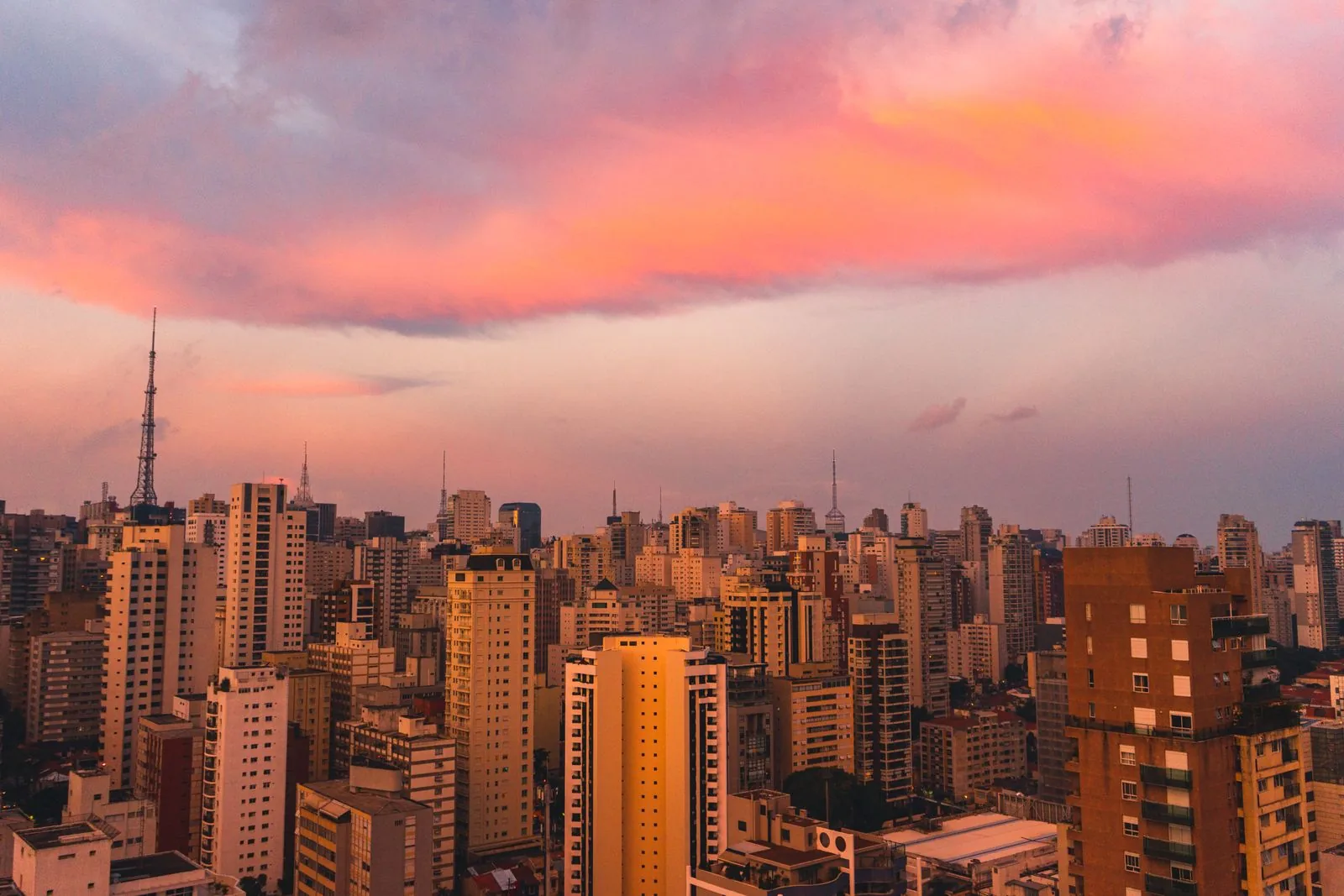
Updated July 2026: this itinerary guide uses current 2024–2026 tourism, visa, and safety sources to help first-time visitors sequence a realistic Brazil trip.
Brazil closed 2025 with 9,287,196 international arrivals, up 37.1% versus 2024 (Federal Government / Secom, 2026). More people are visiting than ever. Yet most of them still get the hardest part wrong: the route.
Brazil is roughly the size of the continental United States. You can't "see it" in one trip, and trying to usually ruins the trip you actually have. The skill isn't picking famous places. It's sequencing a small number of them so the days flow, the flights make sense, and the budget survives.
This guide gives you three ready-to-adapt routes — 7, 10, and 14 days — built around one gateway city plus high-payoff extensions. Each stop includes pacing, transport logic, and a short safety note, because on a multi-city route your risk picture changes every time you move.
If you're still deciding where to go before you sequence when, start with our guide to Brazil travel destinations.
Key Takeaways
- Brazil welcomed a record 9.29 million international visitors in 2025, but first-timers still do best with a focused route, not a bucket-list sprint (Secom, 2026).
- Seven days fits Rio plus Iguazu; 10 days adds Salvador; 14 days opens Sao Paulo, the Amazon, or a beach leg.
- Domestic flights, peak-season dates (December–March), and the restored US eVisa are the three things that most change your itinerary's cost and timing.
How Many Days Do You Need in Brazil?
Seven to 10 days is enough for a strong first Brazil trip if the route stays focused around one gateway city and one major extension, while 14 days lets you add a second region comfortably. Brazil's two main gateways in 2024 were Sao Paulo with 2,274,932 international arrivals and Rio de Janeiro with 1,528,133, which is why nearly every good itinerary starts in one of them (Ministry of Tourism, 2024).
Here's the honest math. Rio alone deserves three to four days. Iguazu Falls needs two. Salvador wants at least two. Add a domestic flight between each, plus your international arrival and departure days, and a "quick" three-city trip already fills 10 days.
So the length question is really a discipline question. How many transfers are you willing to absorb?
| Trip length | Realistic scope | Best for |
|---|---|---|
| 5–6 days | One city, done well (Rio or Sao Paulo) | Short first taste, layover extensions |
| 7 days | Rio + Iguazu | The classic first-timer combo |
| 10 days | Rio + Iguazu + Salvador | Icons plus culture without rushing |
| 14 days | Add Sao Paulo, Amazon, or a beach leg | A fuller, second-region trip |
One planning reality frames everything below: as of April 10, 2025, US citizens again need a visa for Brazil. The eVisa costs US$80.90 and can take up to 10 business days to process (Ministry of Foreign Affairs / VFS Global, 2025). That means your itinerary starts weeks before departure, not at the airport.
For the full requirements, read our guide on whether American citizens need a visa to travel to Brazil.
The 7-Day Brazil Itinerary: Rio + Iguazu
The strongest 7-day Brazil itinerary pairs Rio de Janeiro with Iguazu Falls, because it combines the country's most iconic city with its most reliable natural showstopper in a single domestic flight. This route works precisely because it resists the urge to add a third stop that would turn a relaxed week into an airport marathon.

Here's the day-by-day shape:
- Day 1 — Arrive Rio. Settle in Ipanema or Leblon. Sunset at the beach, early night after the flight.
- Day 2 — Rio icons. Christ the Redeemer early, Sugarloaf cable car late afternoon for the light.
- Day 3 — Rio neighborhoods. Santa Teresa, the Selarón Steps, a guided city or favela experience, and beach time.
- Day 4 — Fly to Foz do Iguaçu. Afternoon flight; ease in with the riverside town.
- Day 5 — Iguazu (Brazil side). The panoramic walkways and the Devil's Throat overlook.
- Day 6 — Iguazu (Argentine side) or bird park + return to Rio. More trails, or a slower morning before flying back.
- Day 7 — Depart Rio. Buffer day for the international flight home.
The most common 7-day mistake isn't picking the wrong cities — it's stacking Christ the Redeemer and Sugarloaf on the same afternoon and burning your one guaranteed-clear-weather window. Split the two big Rio viewpoints across two days so one cloudy morning doesn't cost you both.
Safety note: Rio state's 2024 murder rate was 20.35 per 100,000, but the tourist core in Zona Sul operates far below that, and risk shifts block by block (ISP-RJ, 2024). Stick to Ipanema, Leblon, Copacabana, and Botafogo; use Uber or 99 after dark instead of walking unfamiliar streets. Foz do Iguaçu is a calm tourist town by comparison, but treat the tri-border area with the same street sense you'd use anywhere.
Before you lock this route, read our full Rio de Janeiro safety guide — neighborhood choice matters more here than almost any other decision.
The 10-Day Brazil Itinerary: Rio + Iguazu + Salvador
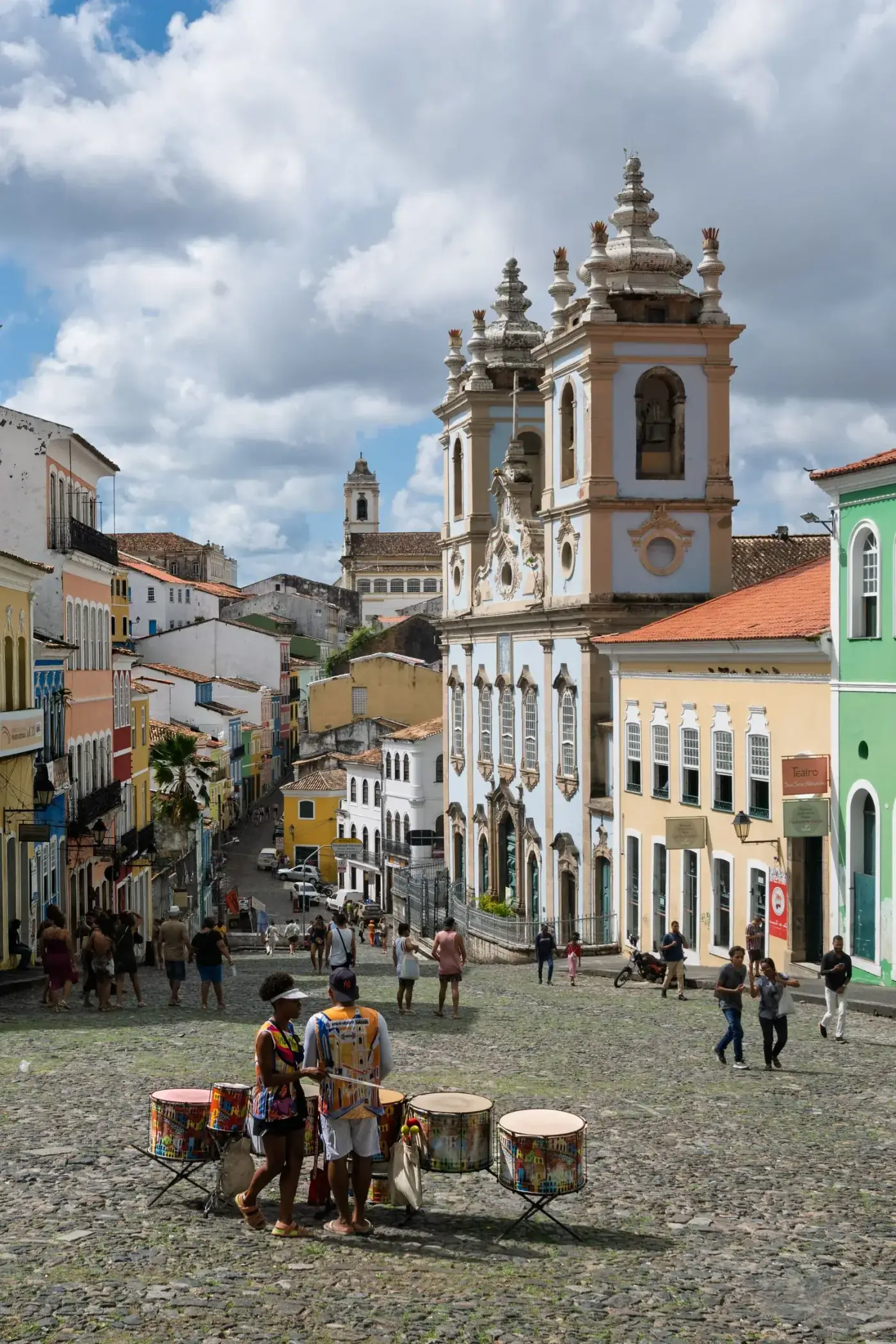
A 10-day Brazil itinerary earns its extra days by adding Salvador, the cultural counterweight to Rio's beaches and Iguazu's nature. Salvador anchored Brazil's Afro-Brazilian heritage and receives strong international interest, and it gives your trip a completely different rhythm without demanding a second visit.
Take the 7-day skeleton above and reshape days 4 through 10:
- Days 1–3 — Rio, as above.
- Day 4 — Fly to Foz do Iguaçu.
- Day 5 — Iguazu Falls (Brazil side).
- Day 6 — Fly to Salvador (usually via a Rio or Sao Paulo connection).
- Day 7 — Salvador's Pelourinho. Colonial center, São Francisco Church, live music at night.
- Day 8 — Bahia coast or Ilha de Itaparica. A slower beach or island day.
- Day 9 — Salvador food and culture. Mercado Modelo, a capoeira roda, an early dinner of moqueca.
- Day 10 — Depart from Salvador or connect back through a hub.
Why this works: you've now touched three different Brazils — the postcard city, the natural wonder, and the cultural heartland — with only two internal flights beyond the Rio–Iguazu hop. That restraint is what keeps 10 days from feeling like 10 airports.
According to Lonely Planet's 2026 guidance, Brazil's broad peak season runs December to March, with a cooler low season from May to September, so shoulder-season dates often deliver the best balance of weather, price, and crowds for a multi-city route like this one (Lonely Planet, 2026). For a month-by-month view, see our guide to the best time to travel to Brazil.
Safety note: Salvador rewards the same core habits as Rio — stay in and around the well-trafficked Pelourinho and Barra during the day, avoid quiet side streets after dark, and keep phones out of sight in crowded market areas. Pre-booked app rides beat improvised curbside taxis every time.
The 14-Day Brazil Itinerary: Add a Second Region
Two weeks in Brazil is where you can responsibly add a fourth stop — Sao Paulo for food and gateway logic, the Amazon for wildlife, or a longer Bahia beach stretch for slow travel. Foreign visitor spending in Brazil reached US$7.341 billion in 2024, the highest in the official series since 1995, and a 14-day route is where that spend concentrates because it usually means one extra domestic flight and a few more nights (Ministry of Tourism, 2024).
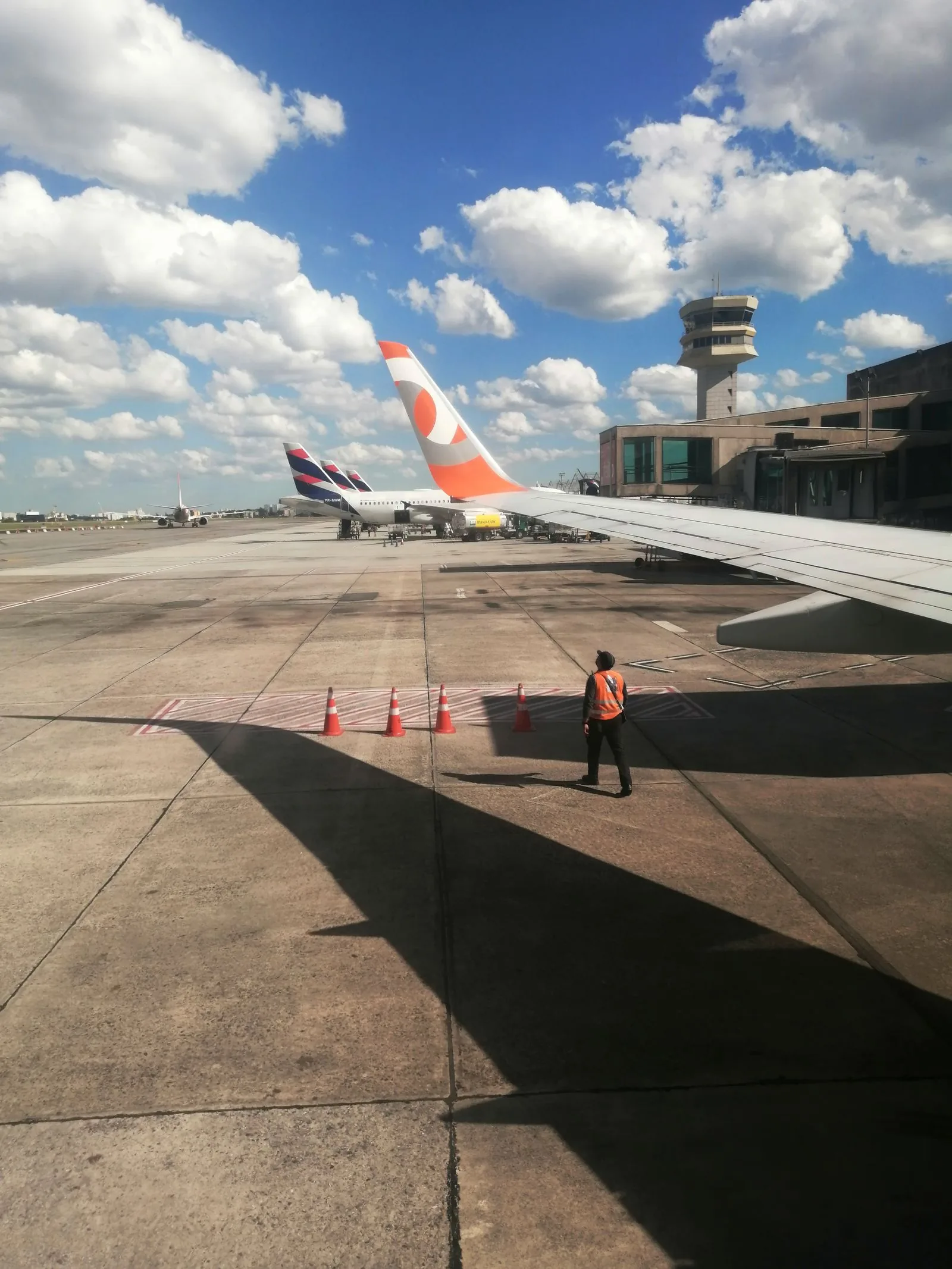
Pick one of three add-ons for days 11–14:
- Option A — Sao Paulo (food + culture). The best domestic-flight hub, an extraordinary restaurant scene, and museums like MASP and Pinacoteca. A strong bookend before flying home. See our Sao Paulo safety guide for neighborhood picks.
- Option B — The Amazon (Manaus). Fly into Manaus for a jungle lodge stay on the Rio Negro. This is a trip-defining add-on, best when you build two to three full days around it rather than squeezing it in.
- Option C — Bahia beaches. Extend from Salvador down the coast to Morro de São Paulo or Praia do Forte for pure decompression.
Safety note: Sao Paulo is a huge city where risk is highly neighborhood-dependent; base yourself in Jardins, Pinheiros, or Vila Madalena and use app rides. In the Amazon, the real prep shifts to health and logistics — mosquito protection, a reputable lodge operator, and insurance that covers river and jungle activities. Our travel insurance for Brazil guide covers the medical-evacuation clauses that matter most for remote add-ons.
How Much Does a Brazil Itinerary Cost?
Brazil itinerary costs are driven less by a fixed daily average and more by route shape — specifically the number of domestic flights, your travel dates, and how many regions you connect. A focused Rio-plus-Iguazu week is almost always cheaper per day than a four-region sprint, because each internal flight and each peak-season night compounds the total.
Three levers move the price more than anything else:
- Domestic flights. Each extra region usually means another one- to three-hour flight. A 7-day route needs one internal flight; a 14-day, four-stop route can need three or four.
- Season. December to March peak dates lift airfare and hotels across the board (Lonely Planet, 2026). Shoulder season softens both.
- The eVisa. Budget US$80.90 per US traveler plus processing time (Ministry of Foreign Affairs / VFS Global, 2025). It's small money but non-negotiable planning.
For a fuller cost breakdown by trip style, our Brazil travel destinations guide compares how route choices change the budget.
The takeaway isn't "Brazil is cheap" or "Brazil is expensive." It's that the shape of your itinerary — how many times you fly — is the single biggest cost dial you control.
How to Travel Safely Between Stops
The safest way to run a multi-city Brazil itinerary is to treat every transfer as its own mini-plan: pre-booked rides, indoor-to-indoor movement, and a fresh read on each new neighborhood before you explore it. Because Rio state's 2024 murder rate of 20.35 per 100,000 hides enormous block-by-block variation, the district you're standing in matters more than the city on your ticket (ISP-RJ, 2024).
A few habits carry across every stop on these routes:
- Airport transfers: use official app-pickup zones or pre-booked transfers, not curbside touts, especially arriving tired on an international flight.
- After dark: move by Uber or 99 between venues instead of walking unfamiliar streets.
- Valuables: keep phones and jewelry out of sight in crowded markets and on beaches.
- New neighborhood, new read: the "safe zone" in each city is specific. What's fine in Ipanema, Pelourinho, or Jardins doesn't automatically extend two streets over.
That last point is exactly where a live tool helps on a route that changes cities every few days. The Brazil Safe Travel app maps real-time GPS risk zones across Rio, Salvador, Sao Paulo, and other stops — surfacing active traveler alerts before you turn down a quieter block — and includes scam warnings and Portuguese emergency audio for moments when you can't stop to translate. On a multi-stop itinerary, that per-neighborhood awareness replaces the local knowledge you don't yet have.
For the country-level risk picture that underpins all of this, start with our Is Brazil safe? pillar guide, and review the most common scams in Brazil before you go.
Frequently Asked Questions
Because Brazil's peak season, multiple gateways, restored eVisa, and long internal distances all interact, first-time travelers usually need help sequencing a route rather than just naming cities (Lonely Planet, 2026; Ministry of Foreign Affairs, 2025). These are the questions people ask most before booking.
How many days do you need for a Brazil itinerary?
Seven to 10 days suits a focused first trip built around one gateway city and one major extension, like Rio plus Iguazu. Fourteen days lets you add a second region — Sao Paulo, the Amazon, or a Bahia beach leg — without rushing. Fewer than seven days is best spent deep in a single city.
What's the best first-timer route in Brazil?
The classic combo is Rio de Janeiro plus Iguazu Falls over seven days: the country's most iconic city and its most reliable natural wonder, linked by one domestic flight. Add Salvador for a 10-day trip to bring in Afro-Brazilian culture, which gives the itinerary three distinct experiences without a second visit.
Is it safe to travel between Brazilian cities?
Yes, domestic flights between Brazil's main cities are routine and widely used, with Sao Paulo and Rio handling millions of arrivals in 2024 (Ministry of Tourism, 2024). The safety work is local, not in transit: use official airport app-pickup zones, pre-book transfers, and get a fresh read on each new neighborhood before exploring it on foot.
When is the best time to do a Brazil itinerary?
For most first-timers, shoulder season works best because it avoids the biggest price and crowd spikes of the December-to-March peak (Lonely Planet, 2026). The exception is if your route is built around a specific event — Carnival, New Year's Eve, or Amazon and Pantanal wildlife timing — which sets its own dates.
Do Americans need a visa for a Brazil trip?
Yes. Brazil restored visa requirements for US citizens on April 10, 2025. The eVisa costs US$80.90 and can take up to 10 business days to process (Ministry of Foreign Affairs / VFS Global, 2025). Apply weeks before departure, because visa timing is now part of building the itinerary, not a last-minute step.
The Bottom Line
Brazil closed 2025 with a record 9,287,196 international arrivals, but the trip still rewards a focused route over a checklist sprint (Secom, 2026). Anchor your Brazil travel itinerary in Rio or Sao Paulo, add Iguazu and Salvador as your days allow, save the Amazon or beaches for a fuller two weeks — and plan the eVisa early. Then browse more Brazil travel guides to lock the details before you book.