Is Uber Safe in Brazil? An Honest Tourist Guide (2026)

Jump to section
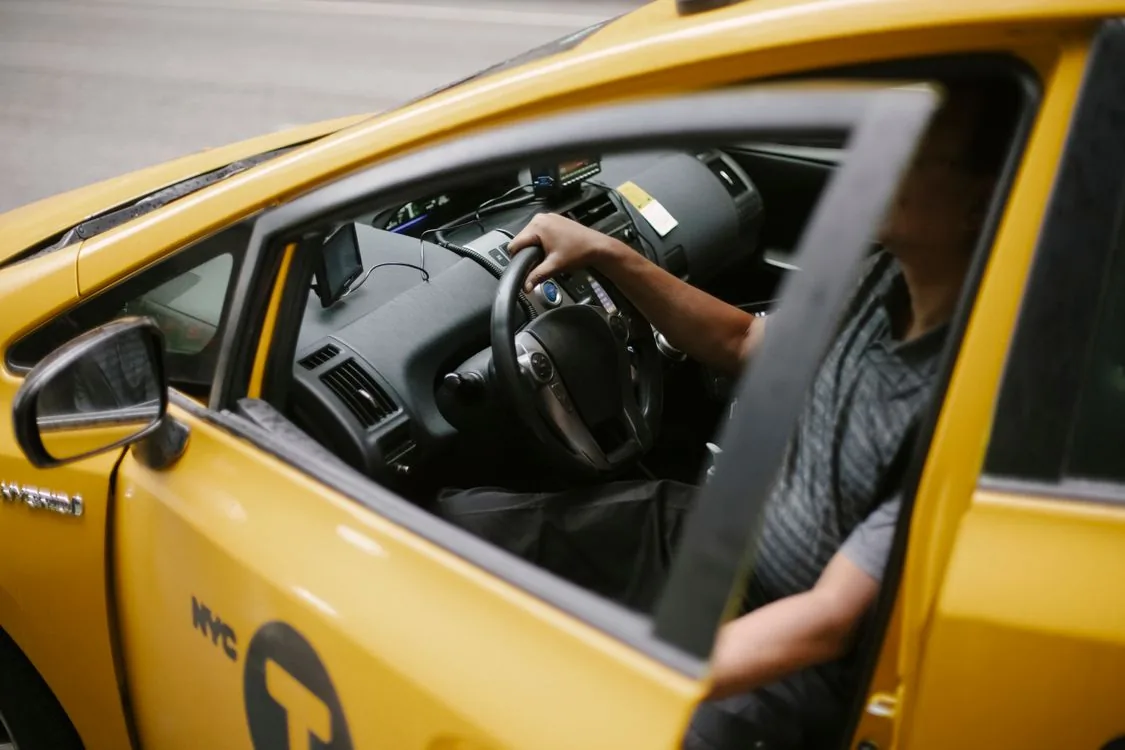
Updated July 2026: this guide reflects current 2025 US advisory guidance, 2024 crime data, and the safety features live in the Uber and 99 apps in Brazil right now.
If you're planning a trip and searching is uber safe in brazil, here's the short version: yes — Uber is not only safe, it's the transport method that almost every experienced Brazil traveler and safety guide recommends you default to. The reason isn't that Uber is risk-free. It's that the alternative — hailing an unmetered street taxi or walking through unfamiliar areas after dark — is measurably worse.
Brazil's biggest everyday tourist risk is property crime, especially phone theft. The Instituto de Segurança Pública recorded 21,423 cell-phone robberies in Rio de Janeiro alone in 2024, up 38% year over year (ISP-RJ, 2024). A tracked, app-based ride keeps you out of exactly the situations where that happens: standing on a corner negotiating a fare, or walking late at night with your phone in your hand.
If you want the country-wide safety picture first, start with our Is Brazil safe? guide, then come back here to get the transport specifics right.
Key Takeaways
- Uber is safe for tourists in Brazil and safer than street taxis — every trip is GPS-tracked, priced upfront, and tied to a rated driver (Uber Newsroom)
- Switching to Uber or 99 after dark removes the majority of tourist crime exposure, since phone theft (21,423 cases in Rio in 2024, ISP-RJ) mostly happens to people on foot
- 99, Brazil's home-grown app, is an equally safe backup — often with more available cars and slightly lower fares
- The real risks are procedural: always match the license plate, prefer card-in-app over cash, and don't wait on the street with your phone visible
Is Uber Safe in Brazil?
Yes — Uber is safe for tourists in Brazil and is consistently the recommended way to get around its cities. Uber operates in more than 100 Brazilian cities and Brazil is one of its largest markets worldwide (Uber Newsroom, 2025). Every ride is GPS-tracked, the price is fixed before you accept it, and the driver is identified by name, photo, plate, and rating.
That combination directly addresses Brazil's main tourist risk. The US State Department rates Brazil Level 2, "Exercise Increased Caution," and explicitly advises visitors to use app-based rides rather than street taxis, especially at night (US State Department, 2025). Uber isn't a loophole around Brazil's crime; it's the tool that lowers your exposure to it.
What this means for you: treat Uber (or 99) as your default for essentially all urban travel, and the biggest single decision in your day-to-day safety is already made.
Why Is Uber Safer Than a Street Taxi in Brazil?
Uber is safer than a street taxi in Brazil primarily because of accountability and pricing. A street taxi with no meter lets the driver invent a fare and choose the route; an Uber trip is priced upfront, mapped in real time, and permanently logged to a named driver. Fake-taxi overcharging and unlicensed drivers are among the scams the US State Department flags for Brazil (US State Department, 2025).
The everyday scam pattern is simple: an unlicensed or "arranged" taxi picks up an obvious tourist — often near airports, bus terminals, or nightlife districts — and either massively overcharges or takes a longer route. With Uber, the fare can't change after you accept, and the route is on your screen the whole time. For a broader look at how these setups work, see our guide to common scams in Brazil.

What Uber gives you that a street taxi doesn't:
- Upfront pricing — the fare is locked before you get in; no meter games, no "the machine is broken."
- A tracked route — you and your contacts can watch the car's path live.
- A rated, identifiable driver — name, photo, plate, car model, and star rating, all before pickup.
- A permanent record — every trip is logged, which creates accountability that street taxis simply don't have.
- Cashless payment — pay by card in the app so you're not handling cash in the open.
Uber vs 99: Which Ride App Should Tourists Use?
Both are safe — use whichever quotes the shorter wait and better price. 99 (owned by China's DiDi) is Brazil's home-grown ride app and often has more available cars, particularly outside the biggest cities, while Uber has the more familiar interface for foreign visitors (Uber Newsroom; 99 press materials, 2025). The smart move is to install both and compare before every ride.
Locals routinely keep both apps and open whichever is cheaper or faster in the moment. The safety fundamentals — tracked route, upfront price, rated driver, in-app payment — are essentially identical across the two, so this is a convenience and cost decision, not a safety one.
| Feature | Uber | 99 |
|---|---|---|
| Coverage | 100+ cities, strong in big metros | Very broad, often more cars in smaller cities |
| Interface for tourists | Familiar, English available | Portuguese-first, still easy to use |
| Price | Competitive | Frequently slightly cheaper |
| Cash option | Available in some cities | Widely available |
| Safety features | Share trip, PIN, emergency button, RideCheck | Share trip, emergency button, trip monitoring |
| Card payment | Yes (recommended) | Yes (recommended) |
If you'd rather avoid handing over cash entirely, set a card as your default payment in both apps before you land — it's one less thing to manage curbside.
Is Uber Safe at Night in Brazil?
Yes, and it's specifically at night that rideshare matters most. The US State Department's 2025 advisory warns that risk in Brazilian cities rises after dark and recommends app-based transport over walking or street taxis in the evening (US State Department, 2025). In Rio de Janeiro, most of the 21,423 phone robberies recorded in 2024 happened to people on foot, not people inside a tracked car (ISP-RJ, 2024).
The single most repeated piece of advice in Brazilian city-safety guidance is to stop walking after dark and call an Uber or 99 instead — even for short distances. A ride that costs a few dollars removes you from the highest-risk scenario there is: walking an unfamiliar street late with a visible phone. Our Rio de Janeiro safety guide makes the same point in detail for that city.
Night-ride habits that keep you safe:
- Wait for your Uber inside — a lobby, restaurant, or shop — not on the open street.
- Confirm the license plate and driver photo match the app before opening the door.
- Sit in the back seat and share your trip with a contact at home.
- Keep your phone low and out of sight while you wait; don't stand scanning it on a corner.
- If a driver asks you to cancel and pay cash off-app, decline and rebook.
Can You Use Uber From Brazilian Airports?
Yes — Uber and 99 operate at all of Brazil's major airports, and using them is one of the best ways to avoid the classic airport taxi overcharge. At large airports like Rio's Galeão (GIG), São Paulo's Guarulhos (GRU), and Brasília (BSB), rideshare pickup happens at signed designated zones, usually on the departures level or a marked ground-transport area rather than right outside arrivals.
Airports and bus terminals are where unlicensed-taxi and overcharging scams cluster, because drivers know arriving tourists are tired, disoriented, and carrying luggage. Booking an Uber with a fixed, upfront price sidesteps the negotiation entirely. For Rio specifically, our Rio de Janeiro airport guide walks through the exact pickup points and the safe transfer route into the Zona Sul tourist zone.

Airport rideshare tips:
- Follow the airport's signs to the app pickup zone; don't accept a "taxi?" offer from someone approaching you inside the terminal.
- Get a local eSIM or connect to airport Wi-Fi first so you can book before you leave the building.
- Match the plate and driver, then confirm your destination is correct in the app.
- Keep luggage with you in the back, not in a trunk you can't see, if that makes you more comfortable.
Is Uber Safe in Rio de Janeiro and São Paulo?
Yes — and in Brazil's two biggest cities, rideshare is close to essential rather than optional. Both cities have large tourist zones that are fine by day but where walking after dark raises your risk, so app-based transport becomes the connective tissue of a safe trip. In Rio, phone robbery is the dominant tourist-facing crime, with 21,423 cases in 2024 (ISP-RJ, 2024); in São Paulo, the risk is more spread across transit and districts.
In Rio, the standard advice is to base yourself in Zona Sul (Ipanema, Leblon, Copacabana) and take Uber or 99 for anything beyond a short daytime walk on a busy street. In São Paulo, distances are large and neighborhoods change character block to block, so rideshare is how tourists move between areas without guessing wrong. Our São Paulo safety guide breaks down how that city's risk profile differs from Rio's beach-driven one.
The Brazil Safe Travel app complements rideshare in both cities by mapping real-time GPS risk zones — so you can see which areas warrant a ride even for a distance that looks short on a map.
Which Uber Safety Features Should Tourists Use?
Uber's in-app safety tools are built for exactly this kind of trip, and most tourists never turn them on. The most valuable are trip-sharing, plate verification, and the emergency button — all free and available in the Brazilian app (Uber Newsroom, 2025). Turning them on takes under a minute and meaningfully raises your accountability if anything goes wrong.
Use these before and during every ride:
- Verify the car — check the license plate, car model, and driver photo against the app before you get in. This is the single most important step.
- Share your trip — send your live route to a contact at home so someone can watch it in real time.
- Set a card as default — pay in-app so you never handle cash curbside.
- Use the emergency button — the app's safety menu connects to local emergency services and shares your live location.
- Check the driver rating — consistently rated drivers are the norm; a very low rating is a reason to cancel and rebook.
- Sit in the back and keep the door unlocked — standard advice that keeps your options open.
Pair these with the basics that apply to any Brazil trip — travel insurance, offline copies of your documents, and knowing the local emergency number (190 for police) — and you've covered the overwhelming majority of realistic transport risk.
Frequently Asked Questions
These are the questions tourists ask most about using Uber in Brazil. Each answer is written to stand on its own.
Is Uber safe in Brazil for solo female travelers?
Yes, with the standard precautions. Uber is widely used by women across Brazil and is safer than street taxis because the driver is identified and the trip is tracked. Solo travelers should share every trip with a contact, sit in the back, confirm the plate before entering, and prefer app-based rides over walking after dark. Both Uber and 99 let you send your live route to someone at home — use it every time.
Is Uber cheaper than a taxi in Brazil?
Usually, yes. Uber and 99 are typically cheaper than metered taxis and far cheaper than unmetered street taxis that overcharge tourists. Because the price is fixed before you accept the ride, you also avoid the "long route" trick. Comparing Uber and 99 side by side before each trip often saves a little more, since one frequently undercuts the other.
Should I pay cash or card in Uber in Brazil?
Card, whenever possible. Paying by card in the app means you never handle cash curbside, which lowers your exposure, and it keeps a clean payment record. Cash is available in many Brazilian cities, but it reintroduces the need to carry and display money. Set a card as your default payment before you arrive.
Is 99 safer than Uber in Brazil?
Neither is meaningfully safer — both offer tracked routes, upfront pricing, rated drivers, and emergency features. 99 is Brazil's home-grown app and often has more available cars and slightly lower fares, especially outside the largest cities. The best practice is to install both and choose whichever gives the shorter wait and better price for a given ride.
Can tourists use Uber from the airport in Brazil?
Yes. Uber and 99 operate at all major Brazilian airports, with pickups at signed designated zones. Booking a ride with an upfront price is the reliable way to avoid the airport-taxi overcharge scam. Connect to Wi-Fi or a local eSIM first, book inside the terminal, and follow the airport's rideshare signs to the pickup point rather than accepting a driver who approaches you.
The Honest Bottom Line
Is Uber safe in Brazil? Yes — and more than that, it's the transport choice that quietly resolves most of the safety questions tourists worry about. A tracked route, a fixed price, a rated driver, and cashless payment turn urban travel from an improvised negotiation into a predictable, accountable trip. Against the real alternatives in Brazil — unmetered street taxis, unlicensed drivers, and walking after dark — rideshare wins every time.
The remaining risks are procedural and easy to control: match the plate before you get in, share your trip, prefer card over cash, don't wait on the street with your phone out, and install both Uber and 99 so you're never stuck waiting. Do those, default to a ride after dark, and you've handled the single biggest lever on your day-to-day safety in Brazil.
Download Brazil Safe Travel to see real-time GPS risk zones — so you know exactly when a short walk is better spent as a two-dollar Uber ride.