Is It Safe to Drive in Brazil? An Honest Tourist Guide (2026)

Jump to section
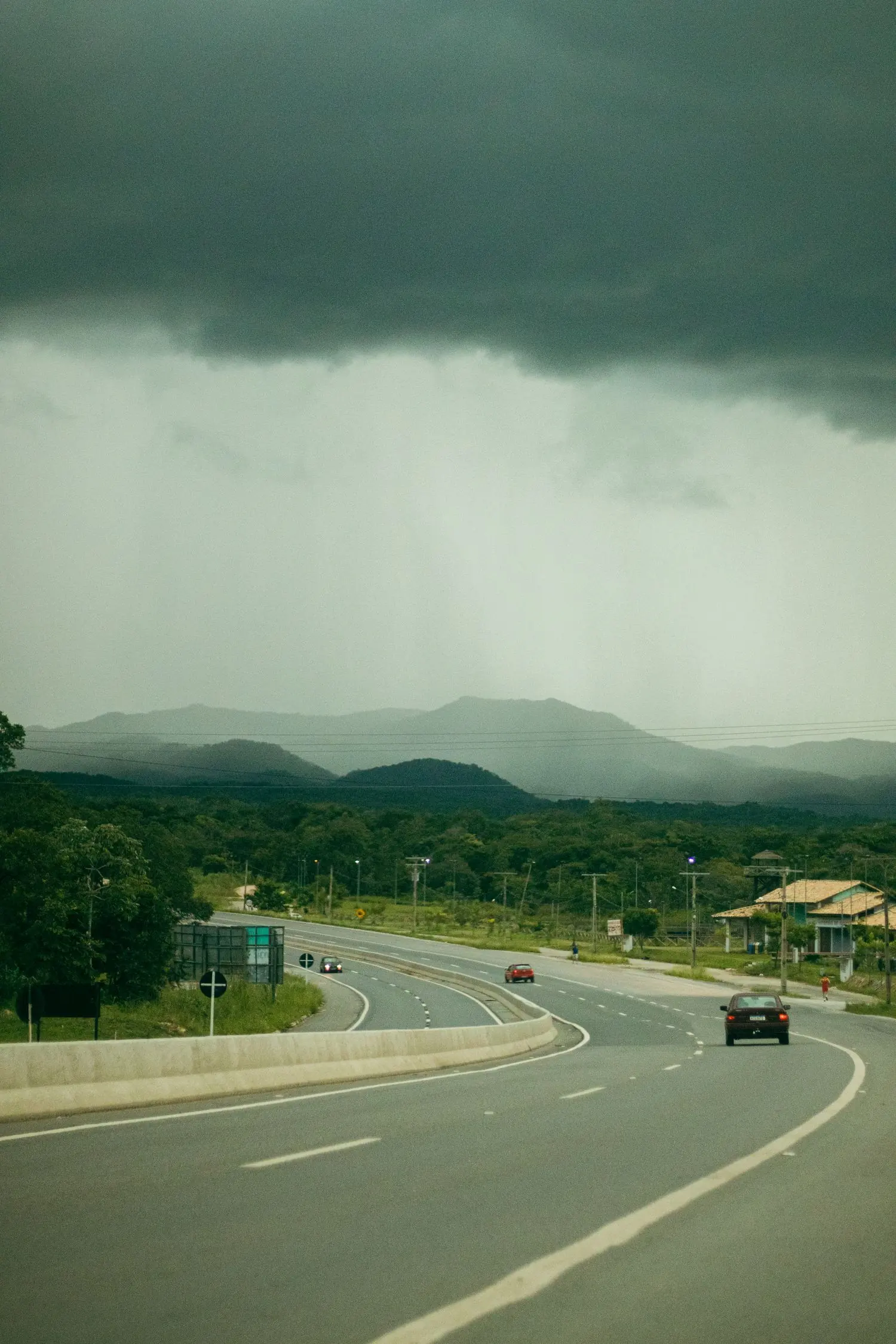
Updated July 2026: this guide reflects current 2025 US advisory guidance, 2023 road-safety data, and the permit and rental rules that apply to US visitors driving in Brazil right now.
If you're planning a trip and searching is it safe to drive in brazil, here's the honest short version: it's legal and it can be done, but it is not the low-stress default it is back home. Brazil has some of the world's most dangerous roads, and for most tourists — especially in big cities — renting a car is the harder, riskier choice compared to rideshare or domestic flights. Driving earns its place mainly on short, scenic, daytime routes, not as your way of getting around Rio or São Paulo.
The numbers set the stage. Brazil recorded more than 34,000 traffic deaths in 2023, most of them motorcyclists, and it ranks among the top countries in the world for absolute road fatalities (WHO / Global Road Safety Facility, 2023). Road crashes cost the country an estimated US$61.3 billion a year, about 3.8% of GDP (World Bank / GRSF, 2023). Those are not tourist-specific figures, but they tell you what kind of driving culture you're stepping into.
If you want the country-wide safety picture first, start with our Is Brazil safe? guide, then come back here to make the transport call.
Key Takeaways
- Driving in Brazil is legal for tourists but riskier than in the US — Brazil logged 34,000+ traffic deaths in 2023 and ranks among the world's worst for road fatalities (WHO/GRSF, 2023).
- For cities, Uber and 99 are safer and simpler than a rental; for long distances, domestic flights usually beat driving.
- You need an Inter-American Driving Permit plus your US license, obtained before you leave the US — Brazil does not issue permits to visitors (US State Department, 2025).
- The biggest driving-specific risks are night driving, carjacking at stops, and red lights after dark — all manageable if you drive by day and stay out of high-risk areas.
- A rental makes the most sense for short daytime scenic routes (coast, mountains), not for navigating Rio or São Paulo.
Is It Safe to Drive in Brazil?
Driving in Brazil is legal and manageable for tourists, but it carries clearly higher risk than driving in the US, so it should be a deliberate choice rather than a default. The US State Department, which rates Brazil Level 2 ("Exercise Increased Caution"), warns that poor road maintenance, high-density traffic, and aggressive local driving make road travel more hazardous than in the United States (US State Department, 2025). That's the official version of what most visitors quickly feel on the ground.
The risk is real but not evenly spread. It's highest for two profiles: people renting a car to drive around big cities they don't know, and people driving at night on unfamiliar roads. It's lowest for travelers doing short, planned, daytime routes between well-touristed places. In other words, the safety answer depends far more on when and where you drive than on whether Brazil is "safe to drive" as a blanket statement.
What this means for you: don't rent a car reflexively the way you might in the US. Decide route by route. For most first trips centered on Rio, São Paulo, and one nature add-on, you may not need to drive at all.
What Are the Real Risks of Driving in Brazil?
The core risk in Brazil is the road environment itself — aggressive driving, vulnerable motorcyclists, and uneven infrastructure — layered with urban crime risks that don't exist the same way at home. Brazil's more than 34,000 road deaths in 2023 were dominated by motorcycle riders, who weave between lanes constantly in Brazilian traffic and are easy to miss as a foreign driver (WHO / GRSF, 2023). The road-injury death rate sits around 15 per 100,000 people, well above the level US drivers are used to (WHO, 2023).
On top of the crash risk, there are crime risks specific to being in a car: theft from vehicles stopped in traffic, and — in certain areas and at certain times — carjacking. This is why locals in some cities treat red lights differently after dark (more on that below). None of this makes driving impossible; it makes situational awareness non-optional.

The driving-specific risks worth planning around:
- Motorcycles everywhere — riders filter between lanes at speed; check mirrors constantly and never open a door without looking.
- Aggressive pace and improvised lane use — expect tailgating, sudden lane changes, and horn-first communication.
- Theft at stops — bags on the passenger seat, phones on the dash, and open windows in stopped traffic are targets.
- Carjacking risk in specific zones — concentrated in some urban peripheries and at night, not in typical daytime tourist areas.
- Road and weather conditions — potholes, poor lighting, unmarked hazards, and seasonal flooding, especially on rural and Amazon routes.
Do Tourists Need an International Driving Permit in Brazil?
Yes — to drive legally in Brazil as a US visitor, you need an Inter-American Driving Permit (IDP) carried together with your valid US driver's license. The US State Department advises obtaining the permit before you leave the United States, because Brazil does not issue IDPs to foreign visitors (US State Department, 2025). In practice, you get it from AAA or the American Automobile Touring Alliance (AATA) before your trip; it's inexpensive and takes minutes with a passport photo.
Rental companies reinforce this. The major chains operating in Brazil — including Localiza, Hertz, and Avis — typically require the IDP alongside your home license, passport, and a credit card in the driver's name. Skipping the IDP can leave you technically unlicensed to drive and exposed if you're stopped or involved in a crash. Treat it as a required document, not an optional add-on.
To rent and drive legally, bring:
- Your valid US driver's license — the underlying license the IDP translates.
- An Inter-American Driving Permit (IDP) — from AAA/AATA, obtained in the US before departure.
- Your passport — for identity at pickup.
- A credit card in the driver's name — for the rental and the security hold.
- Proof of insurance / the rental's coverage — confirm what's included and consider full coverage given local road risk.
Is It Safe to Drive in Rio de Janeiro and São Paulo?
For Rio de Janeiro and São Paulo specifically, most visitors are better off not driving at all — rideshare is safer, cheaper on stress, and removes the two hardest parts of city driving: navigation and parking. Both cities are large, congested, and layered with neighborhoods that change character block to block, which is exactly the situation where a foreign driver can wander somewhere they shouldn't. The US State Department's advice to favor app-based transport in Brazilian cities applies with full force here (US State Department, 2025).
There's also a specific local habit worth understanding: in some parts of Rio and São Paulo, drivers treat red lights as optional after dark, slowing and proceeding rather than fully stopping, precisely to reduce the risk of a stopped-car robbery or carjacking. As a visiting driver, you're caught between two bad options — follow the local practice you don't fully understand, or stop and become a stationary target. Sidestepping that dilemma entirely by taking an Uber is the simpler, safer move.
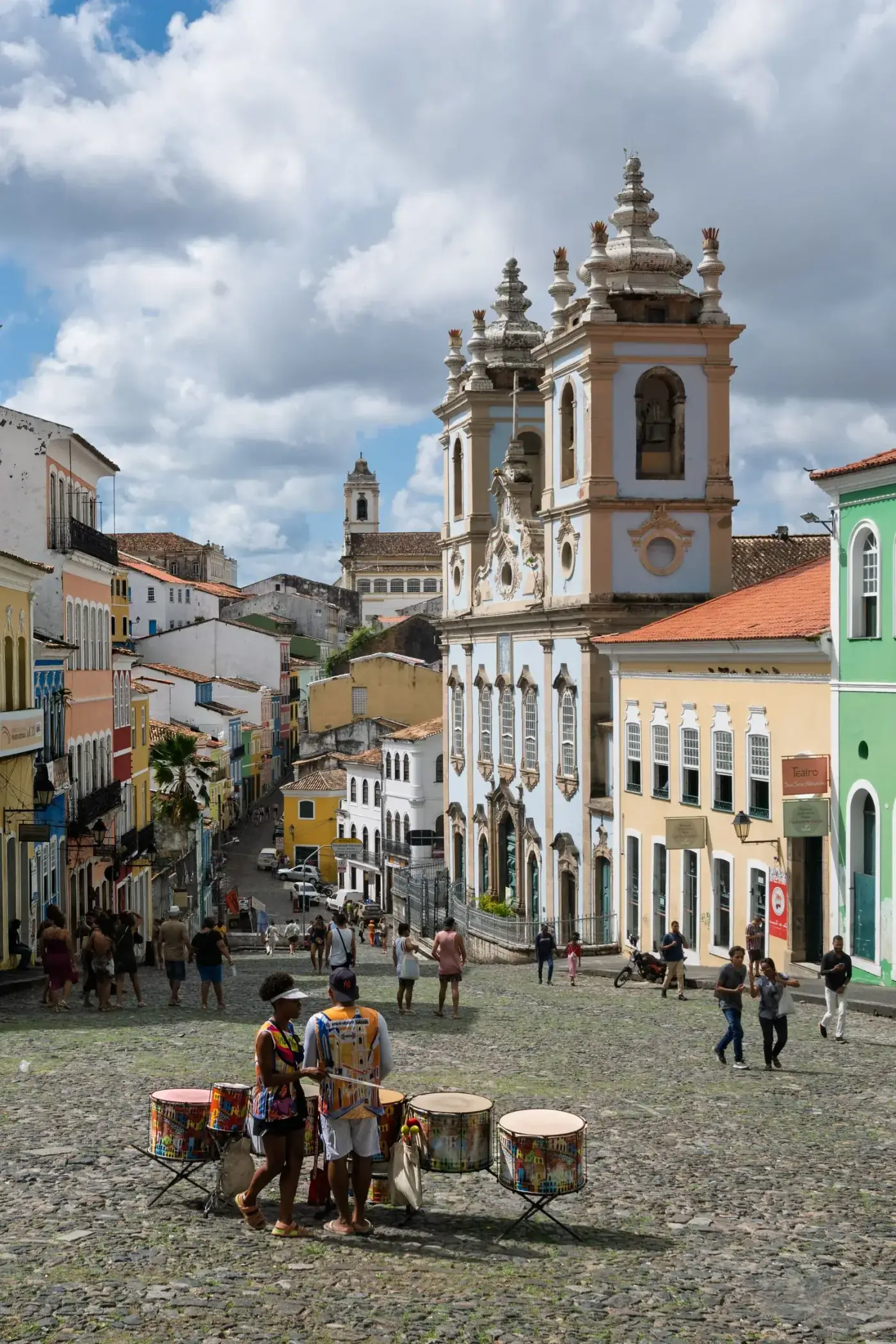
If you're weighing rideshare for city travel — which we strongly recommend over a rental in Rio and São Paulo — our guide to whether Uber is safe in Brazil covers the app choice, night-ride habits, and airport pickups in detail. For city-specific risk maps, see our Rio de Janeiro safety guide and São Paulo safety guide.
What Are Brazilian Highways and Road Conditions Like?
Brazilian highways range from excellent tolled expressways to poorly maintained, poorly lit rural roads — and the difference matters enormously for safety. Major intercity corridors, especially privatized toll roads in the wealthier south and southeast, can be modern and well-signed. But road maintenance is inadequate across much of the country, and in the Amazon region seasonal flooding makes some roads impassable for months (US State Department, 2025).
A few practical realities shape any road trip. Tolls (pedágios) are common on good highways and are usually payable by cash, card, or an electronic tag on rentals — keep some cash handy. Fuel stations thin out on remote stretches, so top up in towns. And the single biggest rule that separates a good drive from a dangerous one is time of day: driving after dark multiplies every hazard — unlit obstacles, animals, potholes, fatigue, and crime risk — which is why experienced travelers plan to be off the road by nightfall.
Highway and road-condition tips:
- Plan daylight arrivals — aim to reach your destination before dark on every leg.
- Prefer major tolled corridors — they're generally the best-maintained and best-lit routes.
- Carry some cash for tolls and small-town fuel stops.
- Check seasonal conditions — rainy-season flooding affects rural and Amazon routes; ask locally before committing.
- Download offline maps — signal drops on remote stretches, so don't rely on live data alone.
Our Brazil travel destinations guide can help you pick regions where a scenic drive actually adds value versus where flying makes more sense.
When Should You Drive vs. Take Uber, Buses, or Flights?
The clean rule of thumb: use rideshare in cities, fly between distant regions, take premium buses for mid-range trips, and rent a car only for short, scenic, daytime routes where a car unlocks places transit can't reach. Brazil is continental in scale, so many "drives" that look reasonable on a map are actually multi-day hauls better handled by a one- to three-hour flight. The classic example is São Paulo to Rio: doable by road, but most visitors are better served flying or taking a comfortable long-distance bus, as our São Paulo to Rio de Janeiro guide explains.
Where a rental genuinely shines is regional exploration: the Serra Gaúcha and its mountain towns, the coastline of Santa Catarina, the beaches east of Rio toward Búzios, or the road to Iguazu's surrounding area. On those routes, a daytime rental gives you flexibility that buses and rideshare can't match, and the roads involved are often among the country's better-maintained. The decision isn't "car or no car" — it's matching each leg of your trip to the mode that's safest and easiest for it.
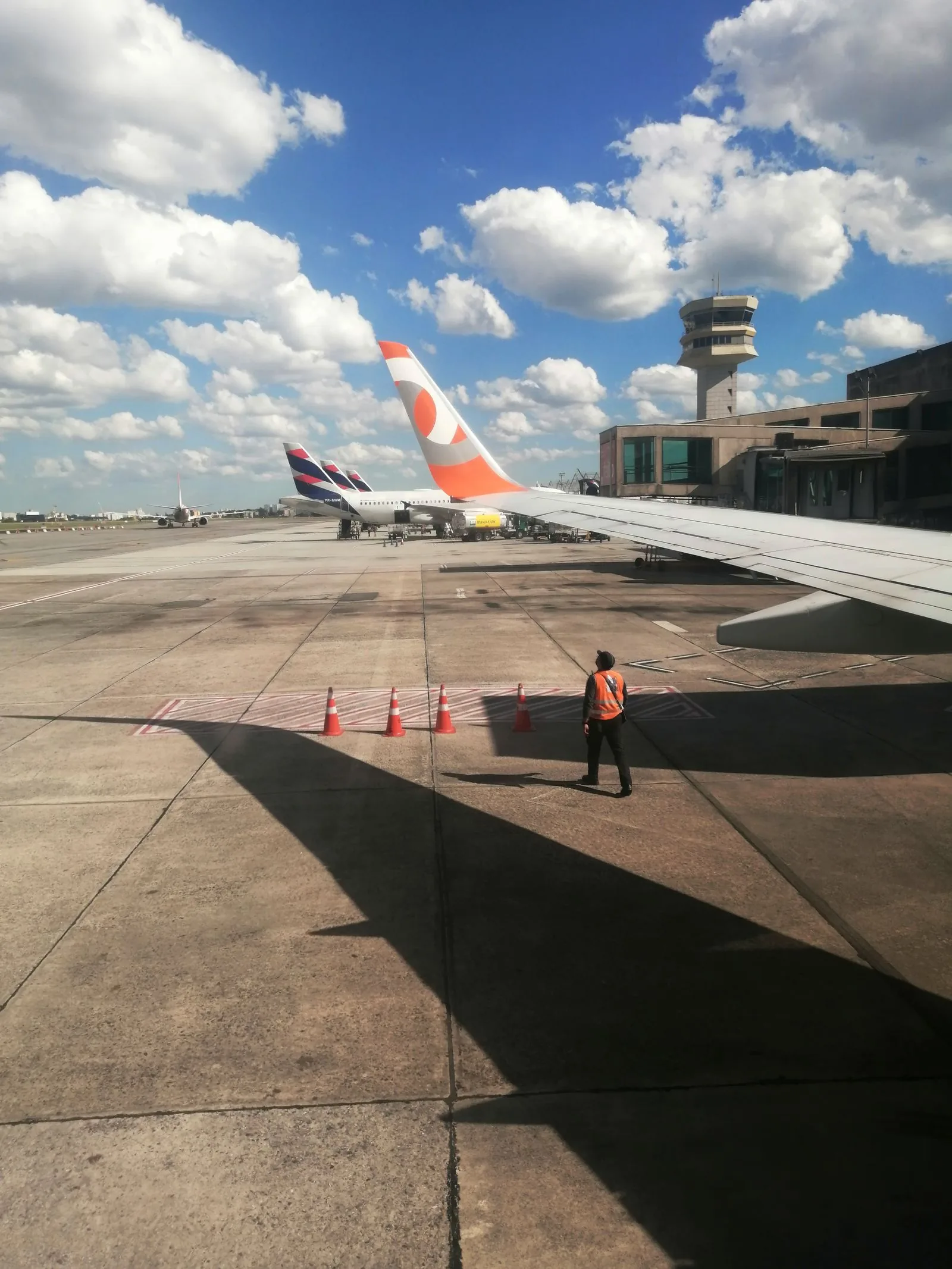
A simple decision framework:
- Getting around a city (Rio, São Paulo, Salvador) → Uber or 99, not a rental.
- Long distance between regions → domestic flight (often cheap and fast).
- Mid-range intercity (a few hundred km) → premium leito bus or a short flight.
- Short scenic regional loop, daytime → rental car is the sweet spot.
- Night travel of any kind → avoid self-driving; use a booked transfer or fly.
Safety Rules If You Do Drive in Brazil
If you decide a rental fits your route, a short set of habits handles most of the added risk. The overarching principle is simple: drive in daylight, keep the car "closed" (windows up, doors locked, valuables out of sight), and stay out of areas you don't understand. Combined with the rideshare-for-cities approach above, these rules cover the overwhelming majority of realistic driving risk.
Drive-in-Brazil safety checklist:
- Drive only in daylight — plan every leg to finish before dark; night driving multiplies crash and crime risk.
- Keep it closed and clean — windows up in traffic, doors locked, phones and bags off the seats and out of view.
- Don't fully rely on stopping in risky spots at night — if you must drive after dark in a city, keep moving where locals do and lock everything; better yet, don't.
- Avoid unknown neighborhoods — never let GPS route you through an unfamiliar low-income periphery, especially near hillside communities; check risk zones first.
- Park in guarded, paid lots — use estacionamentos with attendants rather than street parking, particularly overnight.
- Carry your documents — IDP, US license, passport copy, and rental papers, but keep originals secure.
- Take full insurance — given local road risk, the extra coverage is usually worth it.
- Know the emergency numbers — 190 for police, 192 for ambulance; see our Brazil emergency numbers guide.
The Brazil Safe Travel app supports drivers directly: it maps real-time GPS risk zones so you can see which neighborhoods to route around, flags common scam patterns, and includes emergency audio in Portuguese for the moments when you need to communicate fast. For a self-driving traveler, knowing which streets to avoid before you turn onto them is exactly the information that's hardest to get any other way.
Frequently Asked Questions
These are the questions tourists ask most about driving in Brazil. Each answer is written to stand on its own.
Is it safe to drive in Brazil as a tourist?
It's legal and doable, but riskier than driving in the US, so it should be a deliberate choice. Brazil recorded more than 34,000 traffic deaths in 2023 and ranks among the world's worst for road fatalities. Driving is safest on short, daytime, scenic routes between well-touristed areas, and least advisable for getting around big cities or driving at night. For city travel, rideshare is the safer, easier option.
Do I need an international driver's license to drive in Brazil?
Yes. US visitors need an Inter-American Driving Permit (IDP) carried with a valid US driver's license. You must get the IDP in the US before you leave — from AAA or AATA — because Brazil doesn't issue permits to foreign visitors. Rental companies typically require the IDP plus your passport and a credit card in the driver's name.
Is it safe to drive in Rio de Janeiro?
For most visitors, no — renting a car in Rio adds risk and hassle without much benefit. The city is congested, neighborhoods change quickly, and some drivers treat red lights as optional after dark to avoid stopped-car robberies. Uber and 99 are safer and remove the navigation and parking problems. Save any driving for daytime trips out of the city, like the coastal route toward Búzios.
Can I drive between Brazilian cities?
You can, but distances are often continental. Many intercity "drives" are multi-day hauls better handled by a one-to-three-hour domestic flight or a comfortable long-distance bus. Driving between regions makes the most sense for short, scenic legs in daylight — not for covering São Paulo to Rio or reaching the Northeast. Match each leg to the safest mode rather than driving everything.
What should I do if I'm carjacked in Brazil?
Do not resist. The universal local advice is to comply immediately, hand over the vehicle and valuables, avoid sudden movements, and prioritize your safety over property — everything can be replaced. Report the incident to police (190) and your rental company afterward. The best protection is prevention: drive in daylight, avoid high-risk areas, keep the car locked, and don't display valuables at stops.
The Honest Bottom Line
Is it safe to drive in Brazil? It's legal and manageable, but it's the higher-effort, higher-risk transport choice — and for most of a typical trip, you don't need it. In Rio and São Paulo, Uber and 99 are safer and simpler than a rental; across long distances, domestic flights beat a multi-day drive; and a car earns its keep mainly on short, scenic, daytime routes where it unlocks places transit can't reach.
If you do drive, the rules are straightforward: get your Inter-American Driving Permit before you leave the US, drive in daylight, keep the car locked and valuables hidden, park in guarded lots, avoid areas you don't understand, and don't try to out-guess local red-light behavior after dark. Do that, match each leg of your trip to the right mode, and you'll get the freedom of the open road where it's actually worth having — without inheriting the risks that make driving Brazil's default a bad idea.
Download Brazil Safe Travel to see real-time GPS risk zones — so you know which neighborhoods to route around before you ever turn onto the street.