What to Wear in Brazil: 2026 Packing by Season & City

Jump to section
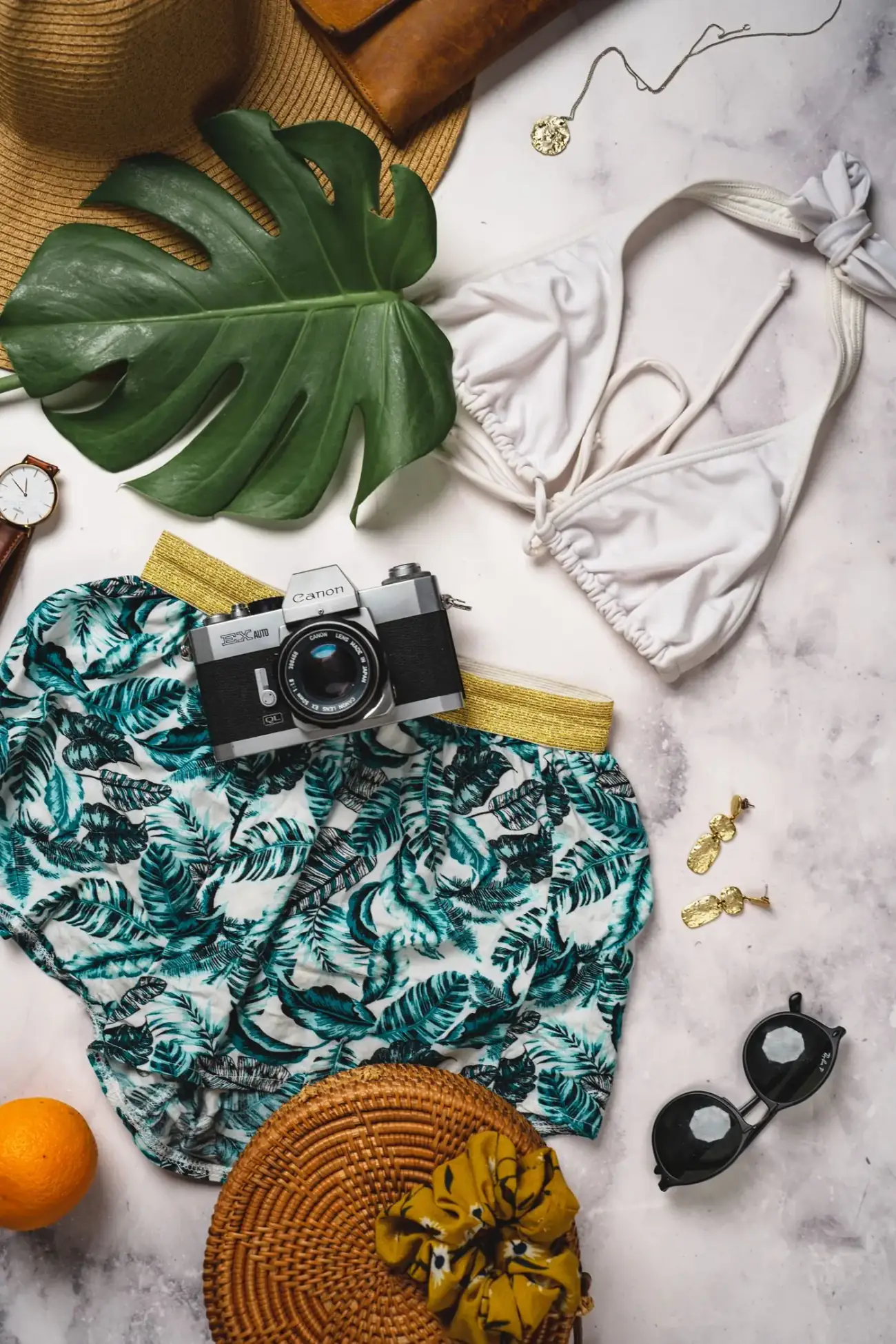
Updated July 2026: this guide uses current regional climate data, CDC traveler-health guidance on sun and mosquito protection, Brazilian dermatology consensus on UV exposure, and up-to-date safety advice on dressing low-key to reduce theft risk.
What to wear in Brazil is really several questions in one, because the country spans the equator to a genuinely cold south, and a single suitcase has to cover beach heat, mountain chill, jungle humidity, and city dress codes. The short version: pack light, breathable clothes as your base, add real layers if you're heading to the highlands or traveling in winter, and keep it low-key so you don't advertise valuables. Brazilians dress well but casually, and looking put-together matters more than looking expensive.
The climate does most of the deciding for you. Rio de Janeiro sits in a tropical zone where summer highs reach around 30°C (86°F) and winter rarely drops below 21°C (70°F) (SmarterTravel, 2026), while Gramado in the far south averages 8-18°C (46-64°F) in July and occasionally sees snow (Weather Atlas, 2026). Those are two different packing lists for the same country.
If you're still mapping out timing and want the seasonal picture first, start with our best time to travel to Brazil guide, then pair this with our full Brazil packing list for the complete kit.
Key Takeaways
- Brazil's UV index commonly hits 10-13 from October through March, especially in the south and northeast, so sun protection is a daily requirement rather than an optional extra (Western Rise, 2026).
- Dressing down and leaving expensive watches and jewelry at the hotel is described as the single most effective safety measure for tourists, because most crime against visitors is opportunistic.
- One suitcase rarely covers all of Brazil: beachwear for Rio and the Northeast, warm layers for Gramado's winter, and covered skin for the Amazon.
What Should You Wear in Brazil? The Quick Answer
For most trips, the default is light, breathable, casual clothing: shorts, t-shirts, breezy dresses, and flip-flops for the beach cities, with one smart-casual outfit for dinner. Brazilians favor a relaxed but stylish look, so leave heavy fabrics and formalwear at home unless your itinerary demands them (Do in Brazil, 2026). Cotton and linen beat synthetics in the humidity.
The complication is range. A trip that pairs Rio's beaches with a stop in Gramado or a river cruise in the Amazon needs three wardrobes in one bag: warm-weather basics for the coast, a fleece and rain shell for the mountains, and long, light layers plus repellent-treated clothing for the jungle. Most travelers underpack the layers because they picture Brazil as uniformly hot, then get caught cold in the south. Build a breathable base wardrobe and add targeted pieces for the regions you'll actually visit.
How Does Brazil's Climate Change What You Wear by Region?
A lot, because Brazil crosses several climate zones. The Southeast and Northeast coasts stay warm year-round and call for beachwear and light layers, the far south has a real winter with temperatures that can dip near freezing in the highlands, and the Amazon is hot and humid but demands covered skin for insect protection (Do in Brazil, 2026). Matching your wardrobe to your route matters more than any single style rule.
Here's the practical breakdown by region and what it means for your bag:
| Region | Typical conditions | What to wear | Watch out for |
|---|---|---|---|
| Rio & Southeast coast | Warm year-round, 21-30°C, humid summers | Shorts, dresses, tees, swimwear, flip-flops | Strong sun, sudden rain showers |
| Northeast (Salvador, Fortaleza) | Hot, sunny, breezy beaches | Light, colorful, loose clothing | High UV, dehydration |
| São Paulo | Cooler, cosmopolitan, changeable | Smart casual, neutral tones, a light jacket | Temperature swings, business dress norms |
| Southern highlands (Gramado) | Cold winters, 8-18°C in July | Layers, fleece, jacket, closed shoes | Genuinely cold nights, damp chill |
| Amazon | Hot, humid, buggy | Long light sleeves, quick-dry pants, treated fabric | Mosquitoes, rain, humidity |
The through-line is layering. Even Rio has cooler evenings, São Paulo swings between day and night, and a light jacket or wrap earns its place almost everywhere. Pack a compact umbrella or packable rain jacket too, since sunny-then-stormy is the standard summer pattern on the coast (Do in Brazil, 2026). If you're routing between very different climates, our Brazil travel destinations guide shows how far apart these zones really sit.
What to Wear in Rio de Janeiro and Brazil's Beach Cities
Rio is casual with a stylish edge: urban beachwear is the everyday norm, meaning shorts, breezy dresses, t-shirts, swimwear, and Havaianas flip-flops (Do in Brazil, 2026). The one rule locals hold firmly is that a bikini or swim trunks belong on the sand, not at a restaurant or shop, so carry a light cover-up, a loose tee, or a sundress to throw on when you leave the beach (Rio Cultural Secrets, 2026).
For nightlife, Cariocas keep it relaxed rather than formal. Jeans or a skirt with a nice top, or a simple summer dress with a few accessories, reads exactly right for bars and casual dinners (Rio Cultural Secrets, 2026). Overdressing tends to mark you as an out-of-towner faster than underdressing does. If you're wondering what to wear in Rio de Janeiro specifically, the honest answer is that comfort and a little polish beat anything fussy, and closed shoes only really come into play for upscale venues or business.
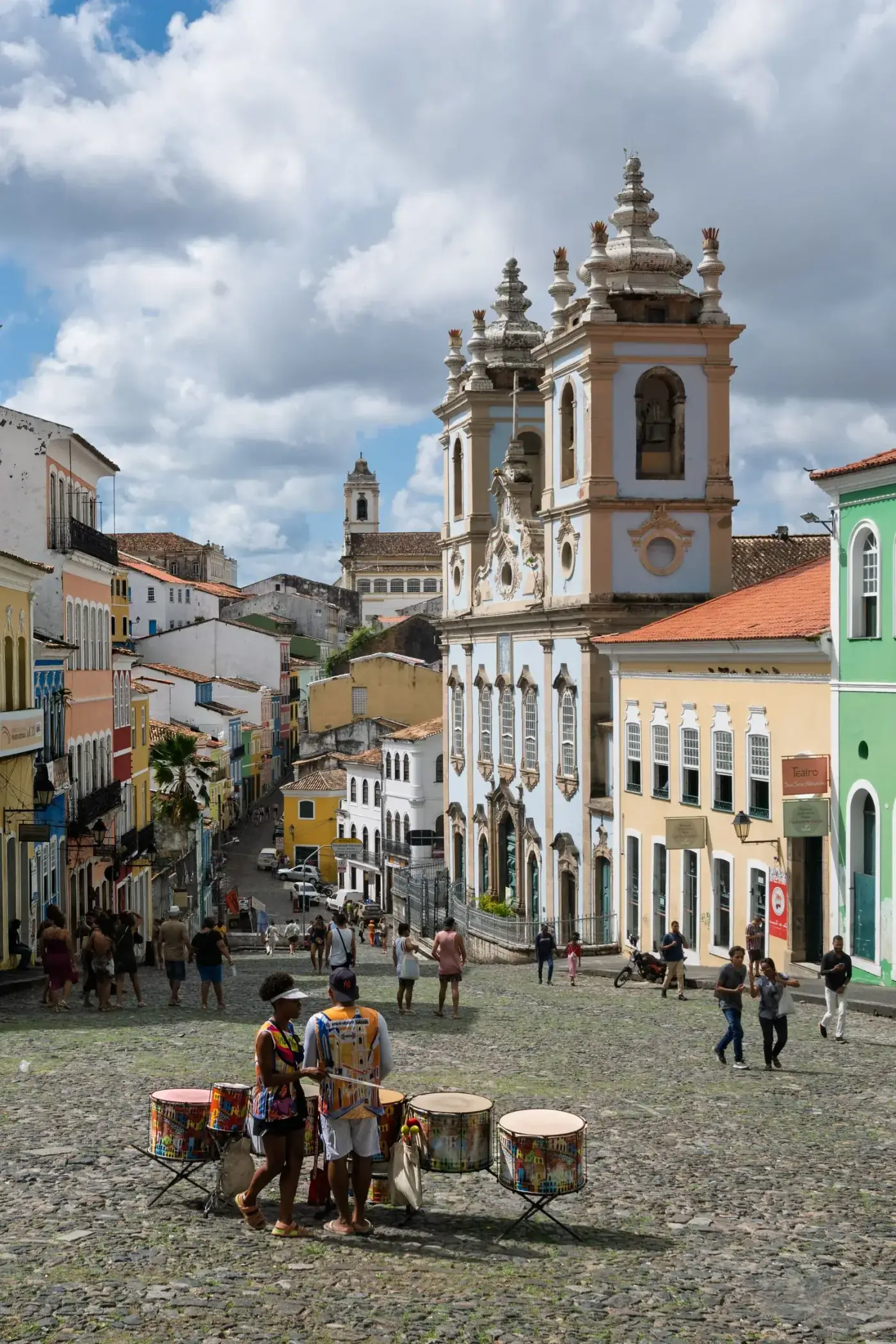
The Northeast coast (Salvador, Fortaleza, Recife) follows the same logic but leans even more casual and colorful, with locals opting for light, breathable, brightly colored clothing to match the heat and the white-sand beach scene (Do in Brazil, 2026). São Paulo is the outlier among the big cities: cooler, more urban, and more style-conscious, where neutral tones, sleeker pieces, and a light jacket fit better than full beach mode.
What Not to Wear in Brazil for Safety
The clearest safety rule for Brazil clothing is to dress down and leave expensive watches, jewelry, and flashy accessories at the hotel, which safety guides describe as one of the single most effective things a tourist can do. Most crime against visitors is opportunistic, and thieves look for easy targets, so the goal is simply to avoid signaling wealth (Welcome to Brazil, 2026; Caroline Rose Travel, 2026).
In practice, that means a few consistent habits:
- Skip visible gold chains, statement necklaces, bracelets, and high-end watches in public; small studs or hoops are generally fine.
- Keep the latest phone out of sight when you're not using it rather than holding it out on a busy street.
- Leave professional camera gear off your neck in crowded squares and tourist hotspots.
- Choose plain, unbranded clothing over conspicuous luxury logos.
- Carry a low-key day bag rather than a designer purse, and keep valuables minimal.
The principle behind all of it is to blend in rather than stand out. Simple clothing and discreet accessories cut the attention you draw, and looking like a resident going about their day is far safer than looking like a tourist carrying everything of value they own (Welcome to Brazil, 2026). This is exactly where the Brazil Safe Travel app fits in: dressing low-profile pairs naturally with its scam and incident alerts and GPS risk-zone guidance, so you're reading the room before you head out rather than reacting after something goes wrong. For the wider tactical picture, keep this paired with our guides to common scams in Brazil and whether Brazil is safe overall.
What to Wear in Southern Brazil and the Highlands
Pack real winter clothes, because the far south genuinely gets cold. In Gramado and the Serra Gaúcha, July averages run 8-18°C (46-64°F), nights can drop to around 8°C, and the region occasionally sees light snow, which is part of why it markets itself as Brazil's European-style winter escape (Weather Atlas, 2026; Brasil ATM, 2026). Travelers who pack only for Rio arrive badly underdressed.
Layering is the whole strategy here. The days can be mild and the nights cold and damp, so a base layer, a fleece or sweater, and a warm jacket that you can add and shed through the day beats one heavy coat (Kimkim, 2026). Bring closed, comfortable walking shoes rather than flip-flops, a scarf, and a rain shell, since winter in the highlands is often wet as well as cold. This applies to more than Gramado: São Joaquim, Campos do Jordão, and other elevated southern towns share the same chill, and even São Paulo winters can call for a proper jacket.
If your trip lands in the June-to-August window, this is the region where timing and packing collide most. Our best time to travel to Brazil guide breaks down which months suit the coast versus the highlands, so you can pack for the season you're actually walking into.
What to Wear in the Amazon
Cover up. The counterintuitive rule for the hot, humid Amazon is long sleeves and long pants rather than shorts and a tank top, because covered skin is your first line of defense against mosquitoes that can carry dengue and other illnesses. Loose, lightweight, thicker-weave fabrics make it harder for mosquitoes to bite through, and long trousers with socks and sturdy shoes protect your ankles and feet (Rainforest Cruises, 2026).
Clothing is only half of it. The CDC recommends pairing covered skin with an EPA-registered repellent containing DEET, picaridin, or oil of lemon eucalyptus, and treating clothing with permethrin, which keeps repelling mosquitoes through multiple washes (CDC, 2025). Neutral colors, a wide-brim hat, and a light rain layer round out the kit, since jungle downpours are frequent and quick-dry fabric beats soaked cotton. The dengue mosquito bites hardest in early morning and late afternoon, so that's when covered clothing matters most.

Most Amazon eco-lodges provide bed nets, so plan to use them and pack accordingly. The health prep and the packing list overlap heavily here, so it's worth reading this alongside our Brazil packing list to make sure repellent, permethrin, and long layers all make it into the bag.
What to Wear to Iguazu Falls (and Why July Is Different)
Iguazu is the one destination in Brazil where the month matters less than the water. The walkways at the Devil's Throat and along the lower circuit put you inside the spray, and you will get wet whatever the forecast says. Dress for that first, and for the season second.
July, specifically: it is winter in Foz do Iguaçu. Afternoons average 23–24 °C, mornings around 14 °C, and cold fronts can push the minimum down to 5 °C (Climatempo climatology for Foz do Iguaçu, 2026). June to August are also the three driest months, each under 150 mm of rain — so you are unlikely to be rained on, but the spray does not care about the dry season.
What that means for the bag:
- A light waterproof shell over a quick-dry layer. Cotton stays wet and cold on a 14 °C morning. Synthetic or merino under a packable rain jacket dries between the walkways.
- Closed shoes with grip. The metal grating and wet stone are slippery, and sandals are the most common cause of a twisted ankle on the Brazilian side. Trail runners are ideal; leave the flip-flops for the hotel pool.
- A dry bag or zip pouch for your phone. The spray is fine enough to get into pockets. This is also where phones get dropped through the grating — a wrist strap is cheap insurance.
- Sun protection, even in winter. The falls face open sky and the UV index at Foz stays high year-round. A cap and sunscreen matter more than a scarf.
- Nothing that smells of food in an open pocket. Coatis — the raccoon-like animals on the trails — are practised at opening bags. They bite when cornered, and a coati bite means a rabies consultation.
Summer (December–February) flips the temperature problem — afternoons above 30 °C and the wettest months of the year — but the shoe, dry-bag and coati advice is identical. If you are crossing to the Argentine side, budget for more walking: its circuits are longer and more exposed.
What to Wear to Carnival in Brazil
Comfort first, spectacle second. Carnival blocos (street parties) involve hours of walking and dancing in dense crowds and brutal February heat, so the winning formula is lightweight, colorful, sparkly clothing paired with comfortable sneakers you can move in all day (Next Stop Brazil, 2026). Bloco outfits lean funny and DIY rather than polished, so this is the one time flashy is welcome, as long as it's cheap and fun rather than valuable.
The practical notes matter more than the costume. Rio in February is extremely hot, and blocos cover long distances on foot, so a hat, sunscreen, and water are essential, and sturdy closed shoes protect your feet in the crush (GetYourGuide, 2026). If you're watching the parades at the Sambadrome instead, you'll be seated or standing for eight-plus hours, so comfortable clothes and shoes beat anything glamorous. And Carnival is peak pickpocket season, so carry only what you can afford to lose and keep the low-profile rule firmly in place even while dressed up.
Dressing for Churches, Business, and Fine Dining
Different settings, different rules, but all easy to plan for. Catholic churches and religious sites generally expect covered shoulders and knees, hats off indoors, and no beachwear, so a light scarf or wrap that you can slip on at the entrance solves it instantly (4stogo, 2026). Evangelical services tend to expect more modest, conservative dress, so err toward covered when you're unsure (The T&D, 2026).
Business Brazil is more formal than the beaches suggest. In São Paulo, Rio, and Brasília, meetings call for conservative dark suits and ties for men and elegant, tailored suits or dresses for women, with polished shoes treated as part of the package (CIBTvisas, 2026). Brazilians weigh a groomed appearance heavily, so business travelers should not pack down. Upscale restaurants run smart-casual to formal depending on the venue, so one polished outfit with closed shoes covers most fine-dining nights.
Sun Protection: What to Pack for Brazil's UV
Treat sun protection as everyday gear, not a beach afterthought. Brazil sits mostly between the equator and the Tropic of Capricorn, and its UV index commonly reaches 10-13 from October through March, particularly in the south and northeast, which puts it among the highest-exposure countries in the world (Western Rise, 2026). The CDC advises sun protection whenever the UV index hits 3 or higher, so Brazilian summer is well past the threshold every single day (CDC, 2025).
Your kit should cover the gaps clothing leaves. Pack a broad-spectrum SPF 30 or higher, wrap-around UVA/UVB sunglasses, and a wide-brim hat, and remember that Brazilian dermatologists flag a rising incidence of skin cancer partly driven by high sun exposure and low protection habits (Brazilian Consensus on Photoprotection, 2025). Lightweight long sleeves and UPF-rated fabrics do double duty, keeping the sun off without adding heat. The same covered-skin habit that helps in the Amazon quietly protects you on the beach too.
Frequently Asked Questions
These are the questions travelers ask most once "what should I pack" narrows down to specific cities, seasons, and settings across Brazil.
What should I wear in Rio de Janeiro?
Casual and breathable: shorts, breezy dresses, t-shirts, swimwear, and flip-flops for daytime, with a light cover-up for leaving the beach. For nightlife, jeans or a skirt with a nice top, or a summer dress with accessories, fits perfectly. Save swimwear strictly for the sand.
Do I need warm clothes for Brazil?
Yes, if you're heading south or traveling in winter. Gramado and the Serra Gaúcha average 8-18°C in July and can drop near freezing at night, so pack layers, a fleece, a jacket, and closed shoes. The coast stays warm year-round, but southern highlands genuinely get cold.
What should I wear in the Amazon?
Cover up despite the heat. Long, loose, lightweight sleeves and pants protect against mosquitoes that can carry dengue, ideally in fabric treated with permethrin. Add DEET or picaridin repellent, neutral colors, closed shoes, a hat, and a light rain layer for frequent downpours.
Is it safe to wear jewelry in Brazil?
Keep it minimal. Leaving expensive watches, jewelry, and flashy accessories at the hotel is described as one of the most effective safety measures, since most tourist crime is opportunistic. Small studs are fine, but skip visible gold chains, statement pieces, and high-end watches in public spaces.
What do I wear to Carnival in Brazil?
Lightweight, colorful, comfortable clothing and sneakers you can dance in all day. Blocos involve long distances on foot in February heat, so prioritize comfort, sun protection, and water over glamour. Carry only what you can afford to lose, because Carnival is peak season for pickpockets.
Brazil doesn't have one dress code; it has several, and the smart move is to pack a light, breathable base wardrobe, then add the specific pieces your route demands: layers for the highlands, covered skin for the Amazon, and one polished outfit for business or fine dining. The single rule that holds everywhere is to keep it low-key, because dressing down and leaving valuables behind is the easiest way to travel comfortably and safely. For the full kit, use our Brazil packing list, line it up with the best time to travel to Brazil, and read it alongside our Brazil safety guide before you go.