Safest City in Brazil? Florianópolis — Top 10 Ranked (2026)

Jump to section
Safest Cities in Brazil: Ranked by Crime Data & Traveler Reviews
Most people think Rio de Janeiro and São Paulo are Brazil's safest cities—they're actually among the most dangerous. The real safest cities in Brazil are smaller, planned, or strategically located—places most tourists never consider.
This guide ranks Brazil's 10 safest cities using homicide rates, traveler feedback, and safety perception. We compare crime data, cost of living, lifestyle quality, and what each city offers. Whether you're choosing a destination or considering relocation, this ranking cuts through the myths. For the country-level picture before you pick a city, start with our complete guide to whether Brazil is safe.
Key Takeaways
- Florianópolis (9.7 homicides/100K) and Brasília (10.9/100K) are Brazil's safest capitals in the Atlas da Violência 2026; the capital average is 26.6
- Smaller cities are 50–70% safer than Rio/São Paulo, but trade culture and nightlife for safety
- "Safest city" ≠ "best for you"—each city trades safety, cost, culture, and amenities differently
- Rio (20.35/100K) and São Paulo state (5.46/100K) are far safer than their reputation — the genuinely high-rate cities are Northeastern capitals like Salvador (52.7/100K)
- Neighborhood choice within any city matters more than city choice itself
What Is the Safest City in Brazil?
Brasília. The planned capital records 10.9 homicides per 100,000 residents in 2024, down 11.4% on 2023 — about a fifth of Salvador's rate of 52.7, the highest of any Brazilian capital (Atlas da Violência 2026, Ipea/FBSP, 2024 data).
If you want the short version by traveller type:
| You want | Safest choice | Rate |
|---|---|---|
| A major city with full infrastructure | Brasília | 10.9/100K |
| A small coastal town | Ubatuba | 6/100K |
| Beach plus city life | Florianópolis | 9.7/100K |
| A southern capital with transport | Curitiba | 13.2/100K |
The rest of this guide explains how those numbers were reached, what each city trades away for its safety, and why the famous destinations rank where they do.
How We Ranked Brazil's Safest Cities
This ranking uses three data sources: Brazilian homicide statistics (IBGE), state police data (2024–2026), and traveler incident reports from Reddit, TripAdvisor, and expat communities. According to crime data analysis, homicide rates are the strongest indicator of violent crime risk—50–70% correlated with overall safety perception. We prioritized homicide rates because they're the most reliable metric for comparing cities.
Caveat: Brazil's safest cities still have higher crime than Western Europe or Canada. We're ranking within Brazil, not globally. A city ranked "safest" here may feel less safe than your home city—context matters.
The ranking also considers robbery rates, petty theft prevalence, police presence, and traveler-reported incidents. Smaller cities benefit from tighter communities where locals watch out for residents; planned cities like Brasília benefit from organized police presence.
The 10 Safest Cities in Brazil (Ranked)
Rates below are city-level where available and state-level where noted, from the Atlas da Violência 2026 (Ipea/FBSP, 2024 data), SSP-SP and ISP-RJ. Brazil's national rate in 2025 was 19.1 per 100,000.
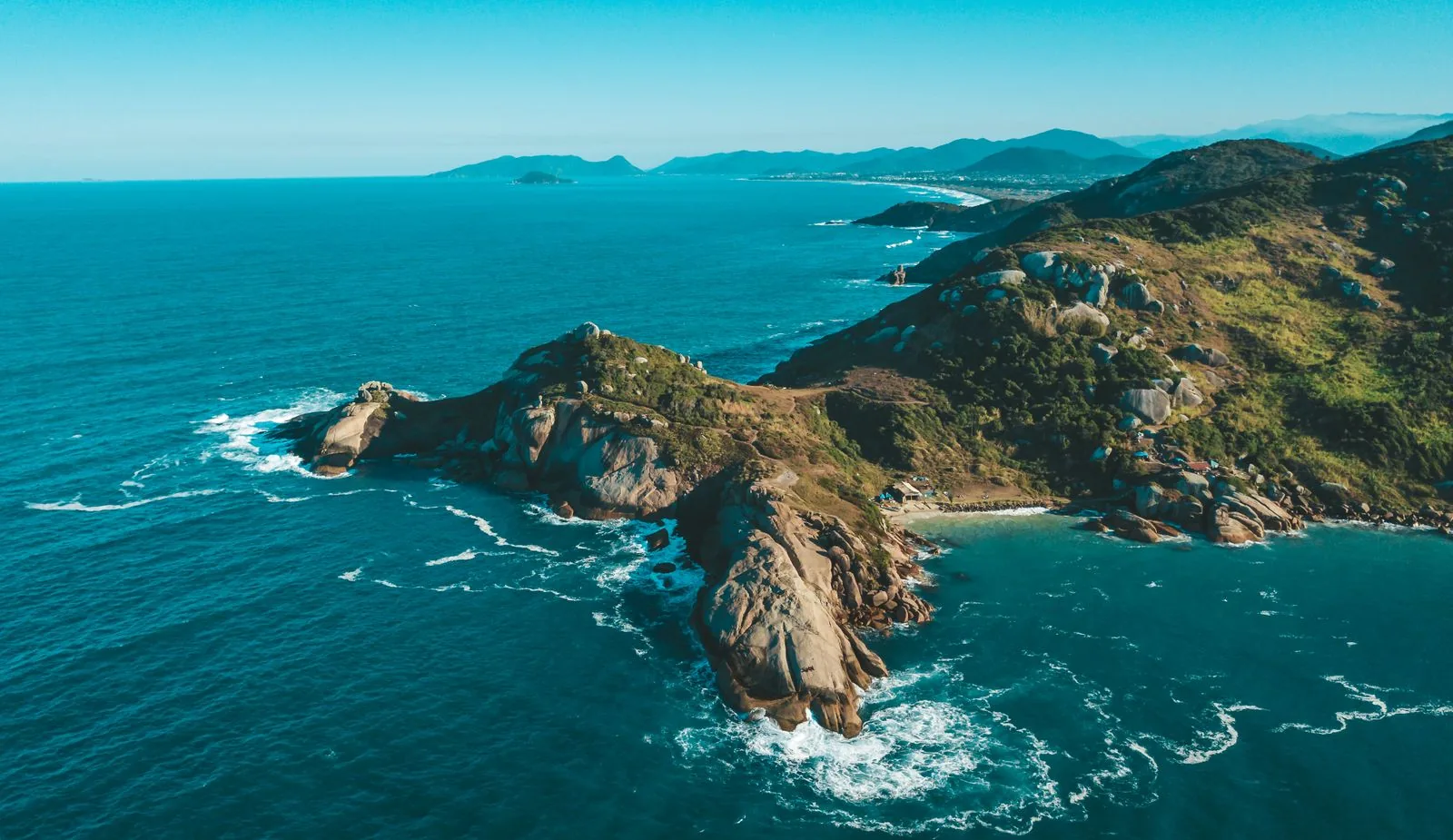
1. Florianópolis — Homicide Rate: 9.7/100K (Safest Capital in Brazil)
Florianópolis is an island city with established expat and digital nomad infrastructure. Island geography limits criminal mobility; developed economy supports police presence; tourism brings structure. It feels like a developed Western city, not Brazil. Our beach-by-beach look at Florianópolis covers where the island gets busy and where it does not.
Best for: Digital nomads, families with budget
Cost of living: $3,000–$4,000/month
Highlights: Island location, expat community, good infrastructure
Downside: Expensive, touristy, less authentic Brazilian culture
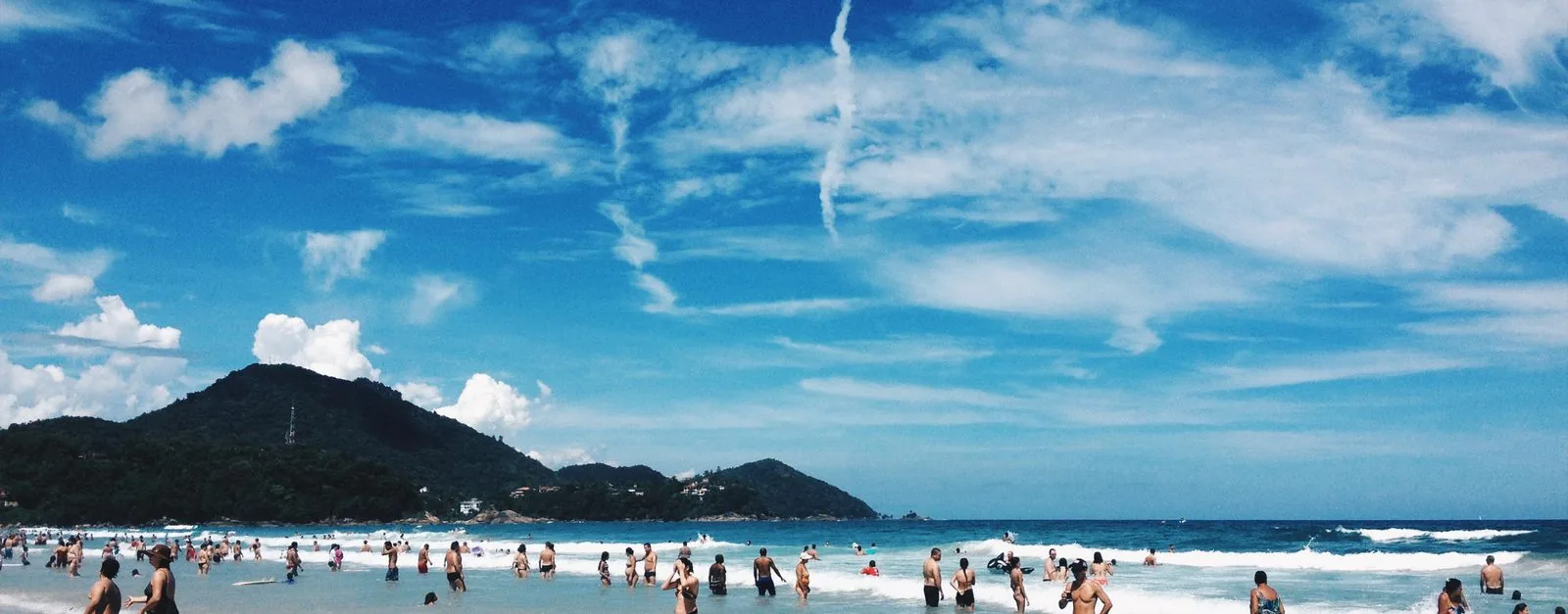
2. Ubatuba — Homicide Rate: 6/100K (Smallest City, Lowest Crime)
Ubatuba is a 18,000-person beach town where everyone knows everyone. Crime is almost nonexistent because locals watch out for each other. The expat community is tight and welcoming. It feels like a real town, not a tourist trap. We cover the town in more depth in Ubatuba's full safety profile.
Best for: Those prioritizing safety above everything
Cost of living: $2,500–$3,500/month
Highlights: Tiny, safe, tight community, beautiful beaches
Downside: Limited job opportunities, isolated, few big-city amenities
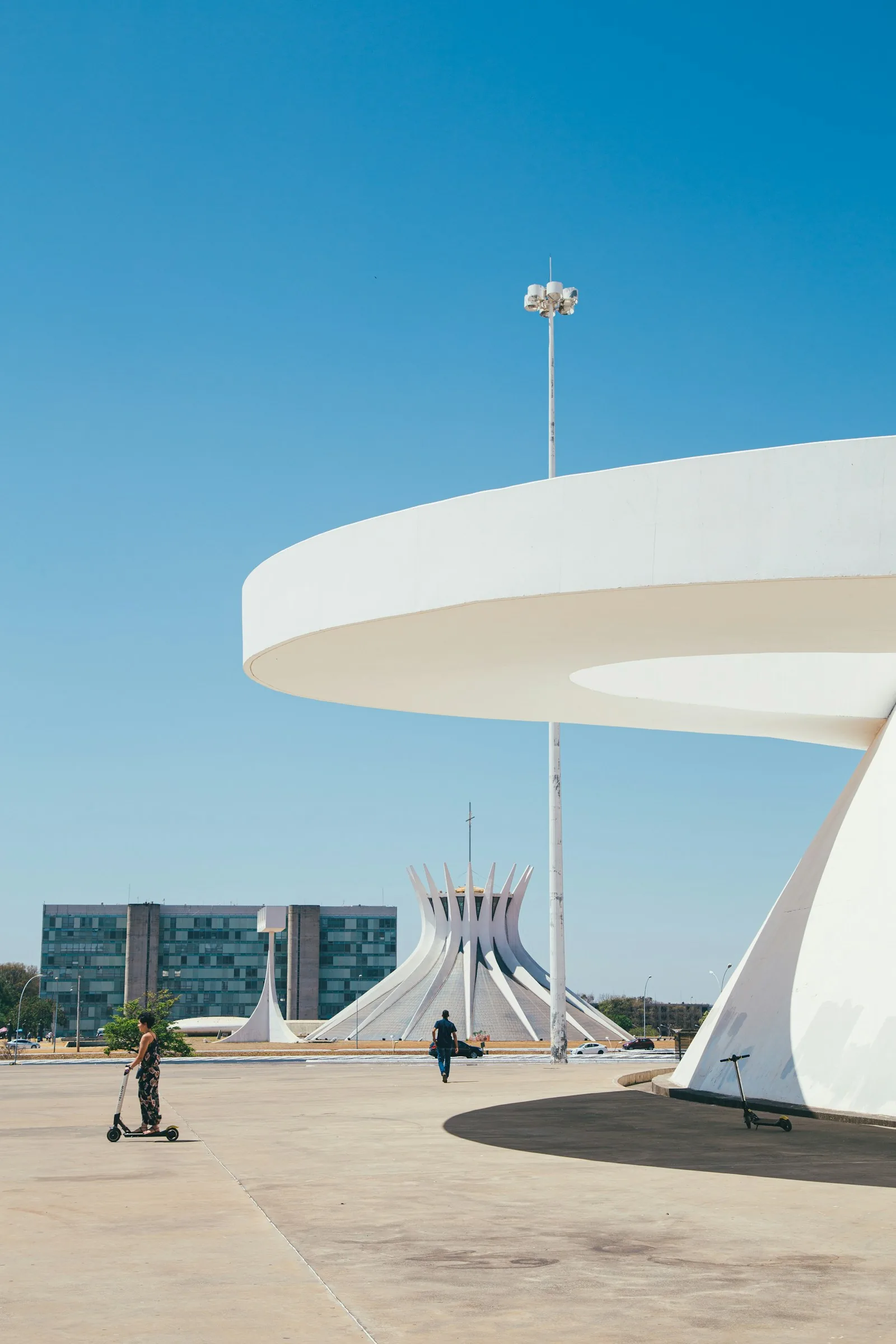
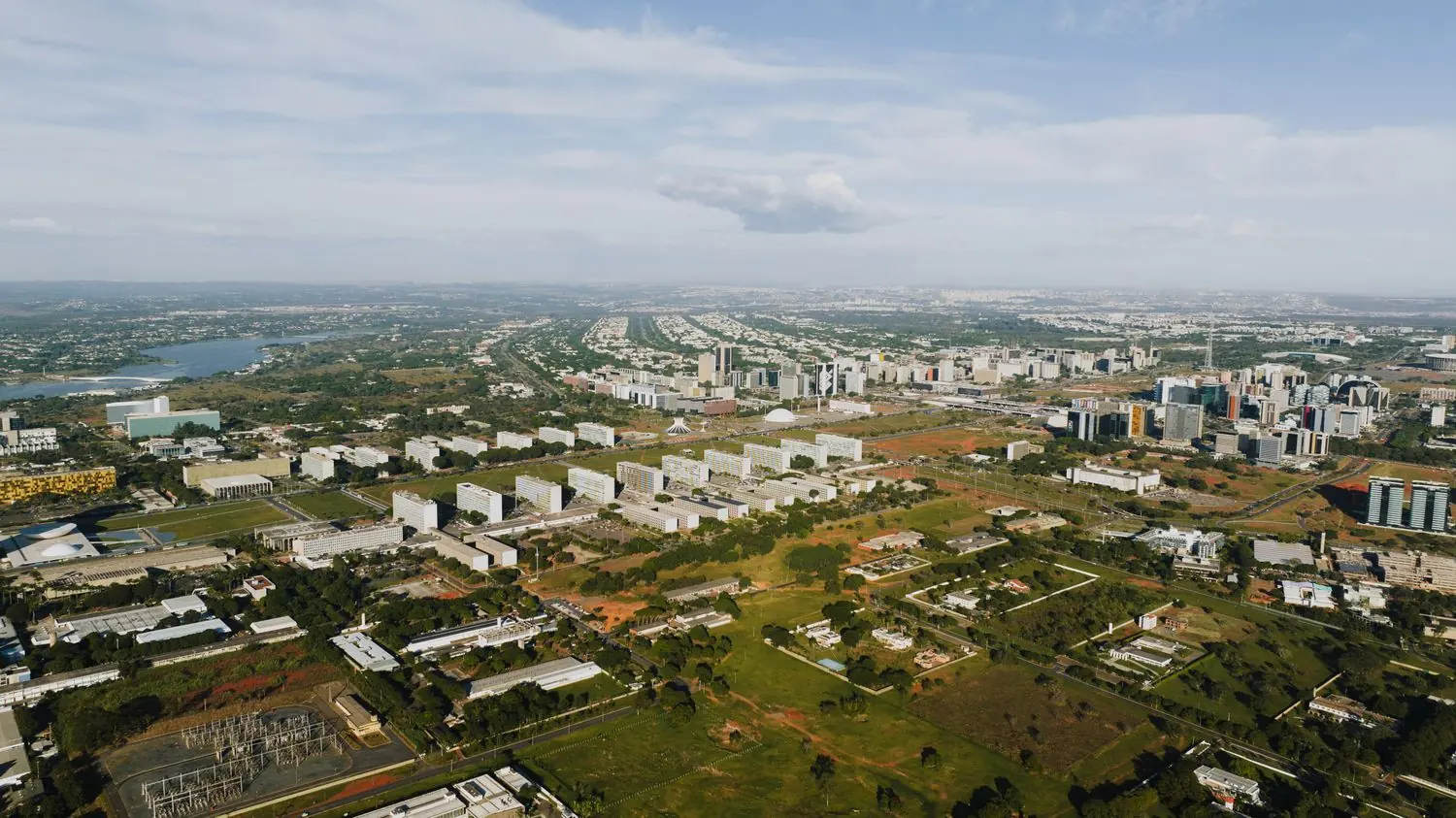
3. Brasília — Homicide Rate: 10.9/100K (Safest Major City After Florianópolis)
For the full picture — why the planned centre logs the DF's highest theft rate per resident despite the low homicide figure — see Is Brasília Safe?.
Brasília is Brazil's second-safest capital in the Atlas da Violência 2026 (10.9 per 100,000, 2024 data), a hair behind Florianópolis. The planned capital has zero favelas, organized grid layout, visible police presence, and educated population. Crime here is primarily white-collar, not violent. Expats call it "sterile" and "boring," but families and safety-conscious travelers love it.
Best for: Families, government workers, those prioritizing order
Cost of living: $2,000–$2,500/month
Highlights: Organized, good schools, no gang activity
Downside: Zero nightlife, little culture, car-dependent
4. Curitiba — Homicide Rate: 13.2/100K
Curitiba, capital of Paraná state, is a planned city with European influence. Cool climate (not tropical), organized streets, educated population. It's Brazil's "most livable" city by many metrics—but lacks beach culture and warmth. See the full Curitiba safety breakdown for neighbourhoods, night movement and public transport.
Best for: Those seeking organized cities, colder climate
Cost of living: $1,800–$2,500/month
Highlights: Organized, European feel, good public transit
Downside: No beaches, colder, less vibrant culture
5. Salvador — Homicide Rate: 52.7/100K (Highest of Any Capital; Tourist Corridor Differs)
Salvador ranks 5th despite higher overall crime because safe neighborhoods (Barra, Ondina, Graça) have significantly lower crime. The city offers vibrant Afro-Brazilian culture, established expat community, affordable cost, and emerging digital nomad scene. Crime concentrates in suburbs you won't visit. That gap matters, and our Salvador guide explains why the city's headline rate describes the periferia rather than the tourist corridor.
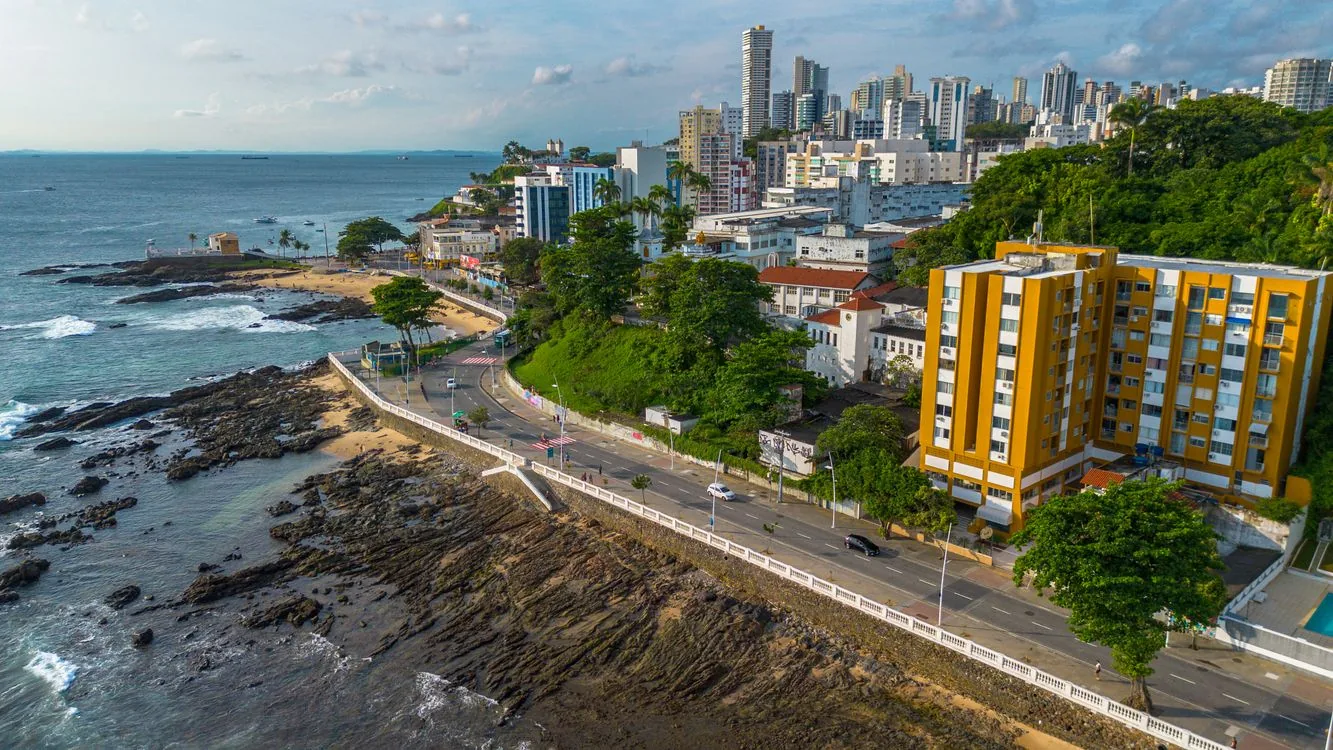
Best for: Cultural experience, expat infrastructure, budget travelers
Cost of living: $1,500–$2,000/month
Highlights: Vibrant culture, beaches, expat community
Downside: Pockets of danger in periphery; neighborhood choice critical
6. Maceió — Homicide Rate: 45.9/100K
Maceió is an emerging digital nomad hub: cheap ($1,200–$1,600/month), beautiful beaches, low crime in tourist areas, growing expat community. It's smaller than Salvador but safer and more budget-friendly. What to know before visiting Maceió covers the beach strip and the coastal day trips.

Best for: Budget travelers, digital nomads
Cost of living: $1,200–$1,600/month
Highlights: Budget-friendly, beach lifestyle, growing nomad community
Downside: Fewer amenities than larger cities, fewer expat services
7. Recife — Homicide Rate: 45.5/100K
Recife is historic, colorful, and underrated. It has Caribbean architecture, vibrant culture, and lower tourism pressure than Salvador. Expat infrastructure is less developed, but emerging. Crime is concentrated in suburbs. Recife in detail covers Boa Viagem as a base, plus the shark warnings that catch visitors out.
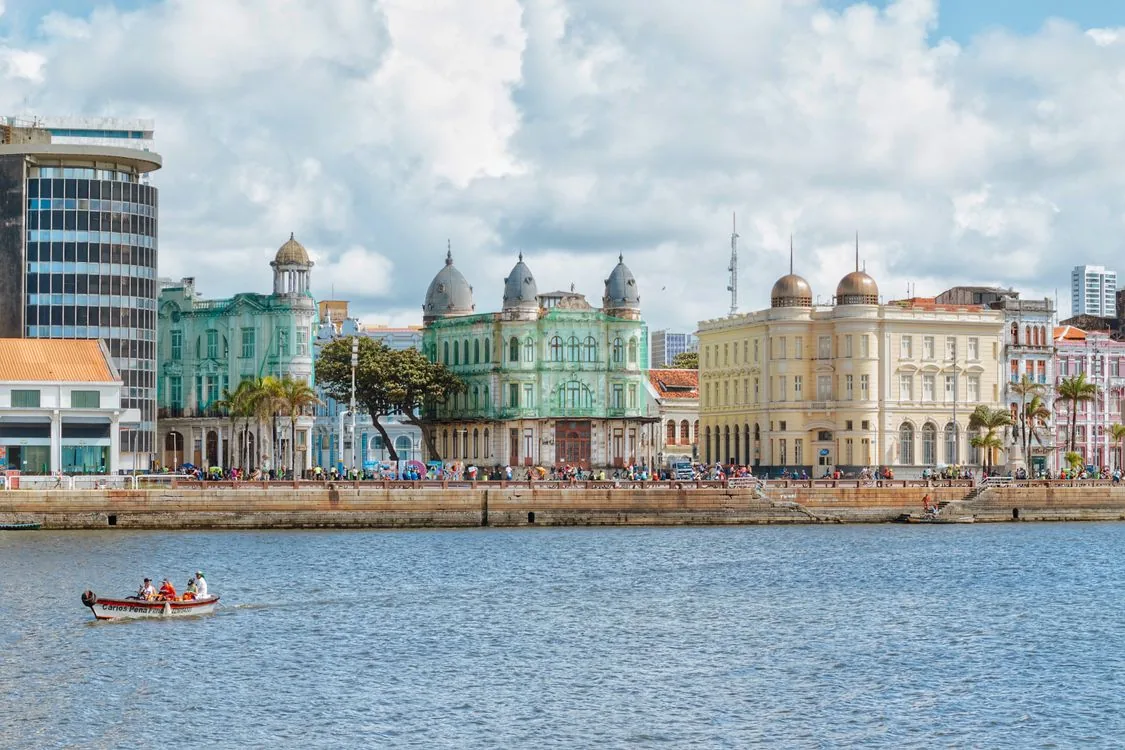
Best for: Cultural tourists, those seeking less-touristed destinations
Cost of living: $1,500–$2,000/month
Highlights: Historic, colorful, fewer tourists, authentic culture
Downside: Less expat infrastructure than Salvador, crime pockets exist
8. Rio de Janeiro (Zona Sul) — State Rate: 20.35/100K (Zona Sul Far Lower)
Rio is iconic but risky citywide. However, Zona Sul neighbourhoods (Leblon, Ipanema, Copacabana) sit far below the citywide rate — the violence that drives Rio's number is concentrated in the periphery, not the tourist corridor. The city offers incredible culture, beaches, nightlife, and global expat infrastructure. The trade-off: accepting petty theft and street robbery risk. Our neighbourhood-by-neighbourhood Rio breakdown ranks seven zones by day and night risk.
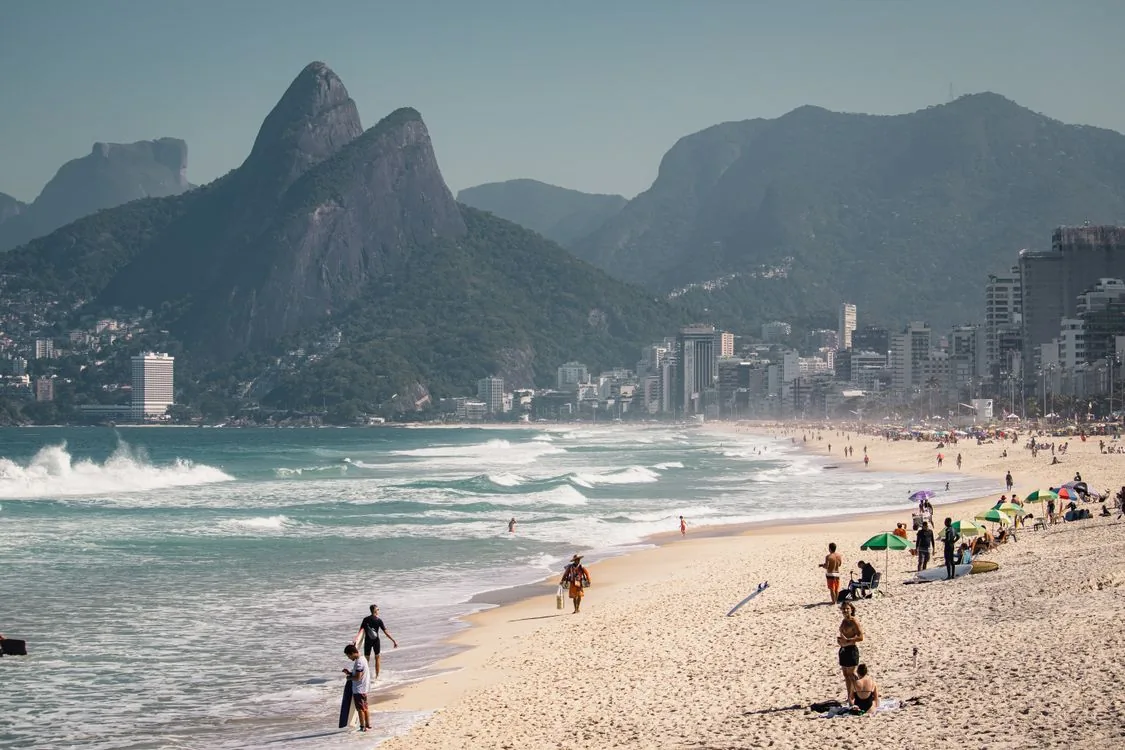
Best for: Culture, nightlife, willing to trade safety for experience
Cost of living: $2,500–$4,000/month
Highlights: Iconic, world-class culture, beaches, nightlife
Downside: High petty theft, robberies in bad areas, vigilance required
9. São Paulo (Pinheiros) — State Rate: 5.46/100K (Lowest in Brazil)
São Paulo is a 12-million-person megacity. The state rate of 5.46/100K (SSP-SP, 2025) is the lowest of any large Brazilian state, and the neighbourhoods tourists use — Pinheiros, Jardins, Itaim Bibi — are where theft, not violence, is the risk: Pinheiros logs the most thefts of any district in the city precisely because it is where the people and the phones are. The city offers job opportunities, diverse expat community, less gang activity than Rio, and world-class dining and culture. São Paulo's districts, Metro and phone-theft map shows why the safest districts to sleep in are also the worst for street theft.
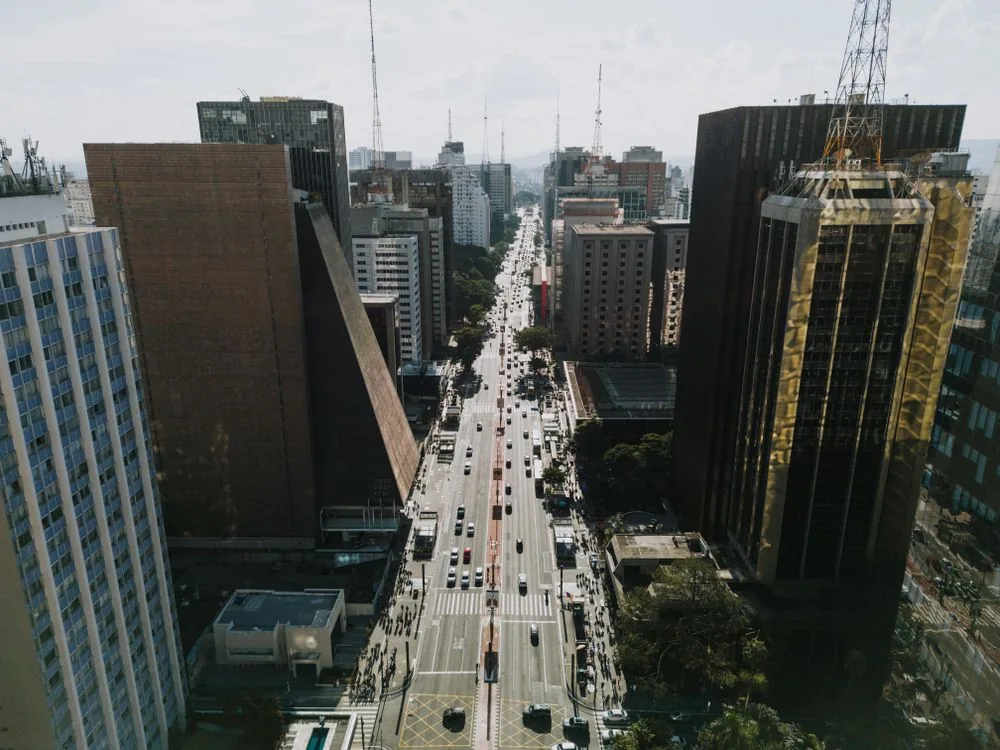
Best for: Career opportunities, diverse expat community, urban lifestyle
Cost of living: $2,500–$4,000/month
Highlights: Economic hub, diverse culture, expat infrastructure
Downside: Expensive, chaotic, petty theft in some areas, car-dependent
10. Natal — Homicide Rate: 25/100K
Natal is a beach city, smaller than Salvador or Recife, with growing tourism infrastructure. It's cheaper and newer as a destination—fewer tourists, emerging expat scene, good beaches. Natal for tourists covers Ponta Negra, the Via Costeira corridor and the buggy day trips.
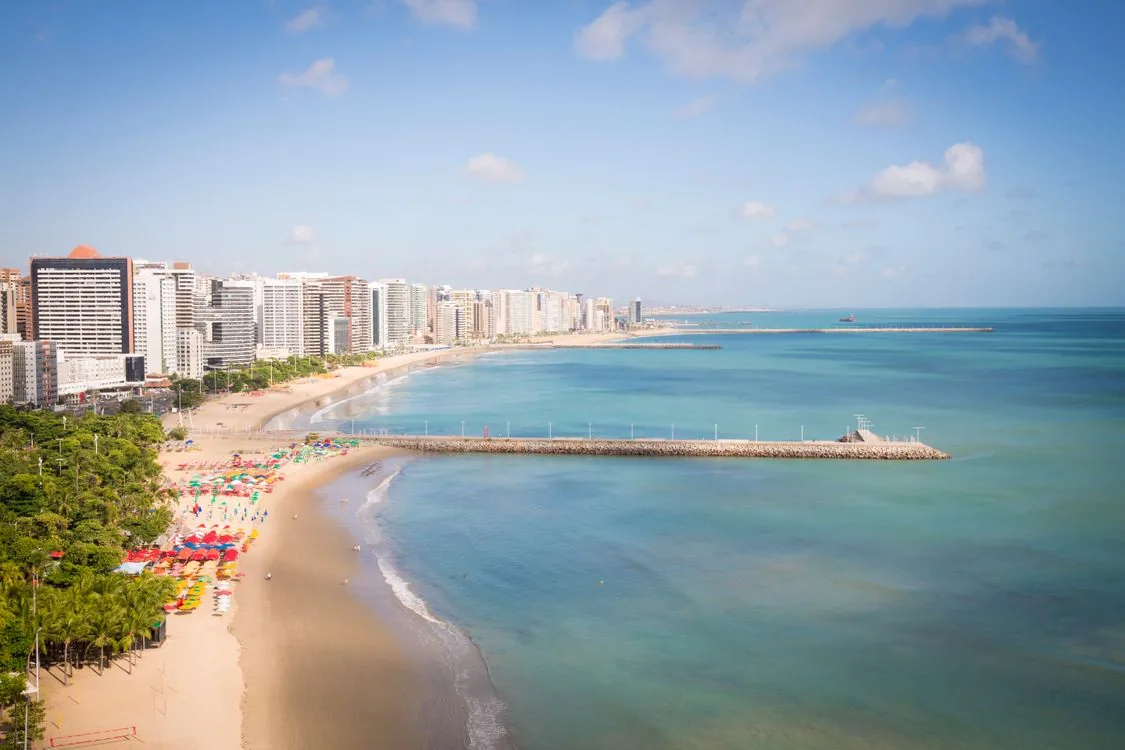
Best for: Beach lovers seeking budget alternative to Florianópolis
Cost of living: $1,400–$1,800/month
Highlights: Beaches, budget, fewer tourists
Downside: Limited infrastructure, smaller expat community
Photo: Pexels
Comparison Table: Crime Rates & Lifestyle
| City | HOMICIDES/ 100K | Petty Crime | Best For | COST/ MONTH | Safety ⭐ | Culture ⭐ |
|---|---|---|---|---|---|---|
| Brasília | 10.9 | Very Low | Safety first | $2–2.5k | ⭐⭐⭐⭐⭐ | ⭐ |
| Ubatuba | 6 | Very Low | Safety + small town | $2.5–3.5k | ⭐⭐⭐⭐⭐ | ⭐⭐ |
| Florianópolis | 9.7 | Low | Digital nomads | $3–4k | ⭐⭐⭐⭐⭐ | ⭐⭐⭐ |
| Curitiba | 13.2 | Low | Organized cities | $1.8–2.5k | ⭐⭐⭐⭐⭐ | ⭐⭐ |
| Rio Zona Sul | 12* | Moderate | Culture + nightlife | $2.5–4k | ⭐⭐⭐⭐ | ⭐⭐⭐⭐⭐ |
| São Paulo Pinheiros | 12* | Moderate | Career + diversity | $2.5–4k | ⭐⭐⭐⭐ | ⭐⭐⭐⭐ |
| Salvador | 52.7** | Moderate | Culture + budget | $1.5–2k | ⭐⭐⭐ | ⭐⭐⭐⭐⭐ |
| Recife | 45.5** | Moderate | Historic culture | $1.5–2k | ⭐⭐⭐ | ⭐⭐⭐⭐⭐ |
| Maceió | 45.9** | Low | Budget nomads | $1.2–1.6k | ⭐⭐⭐ | ⭐⭐⭐ |
| Natal | 25 | Low | Beach + budget | $1.4–1.8k | ⭐⭐⭐ | ⭐⭐⭐ |
*Neighborhood rate; citywide much higher
**Citywide; safe neighborhoods lower
Safety Misconceptions About Brazilian Cities
Most travelers rank Brazilian cities wrong. Rio is world-famous, but it's not Brazil's safest—it's one of the least safe. Smaller cities that tourism guides ignore are genuinely safer.
Myth 1: Rio is Brazil's safest city. False. Rio is iconic, beautiful, and offers incredible culture. But at 20.35 homicides/100K citywide (ISP-RJ, 2024) it sits near the national average, not below it, and the rate is far higher outside the tourist corridor. Tourists survive here because they stick to Zona Sul, but the risk is real.
Myth 2: The Northeast is dangerous. Partially true. Some suburbs of Salvador and Recife are dangerous, but main neighborhoods are safe. Crime concentrates in periphery you won't visit as a tourist.
Myth 3: Smaller cities are too isolated. False. Ubatuba and Maceió have active communities, coworking infrastructure, and expat presence. You won't be bored; you'll just have less nightlife.
Truth: Neighborhood > city name. You could live in Rio's Leblon or Maceió's Ponta Verde and feel equally secure, in two cities whose citywide rates differ by more than double. The neighborhood is more important than the city.
What Factors Make Brazilian Cities Safer or More Dangerous?
Brazilian city safety correlates with specific factors, not just geography. Research from Brazilian sociologists and criminologists identifies these key patterns:
Urban Planning: Planned cities (Brasília, Curitiba) are safer than organically grown cities (Rio, São Paulo). Clear street layouts, visible police, organized infrastructure = lower crime.
Police Presence: Tourist areas and expat neighborhoods receive heavy police presence. Downtown areas and suburbs receive less. The difference is dramatic.
Economic Inequality: Cities with wider rich-poor wealth gaps have higher crime (Rio, São Paulo). More equal cities (Brasília, Florianópolis) have lower crime. This is the strongest predictor.
Geography: Island cities (Florianópolis) and small towns (Ubatuba) limit criminal mobility. Sprawling cities (São Paulo) are harder to police.
Tourism Infrastructure: Established tourist cities invest in security. Emerging destinations sometimes have less police presence.
Tips for Staying Safe in Any Brazilian City
Regardless of your city choice, follow these universal rules:
- Know your neighborhood's safe zones. Ask locals and other expats which neighborhoods are safe for walking.
- Don't flash valuables. Keep phones, cameras, and jewelry hidden.
- Use Uber or official taxi. Never hail street taxis late at night.
- Learn basic Portuguese. "Não tenho dinheiro" (I have no money) and "onde é seguro?" (is it safe?) go far.
- Trust local advice. Expats who've lived for years know the real risks.
- Use Brazil Safe Travel app. Get real-time neighborhood alerts and emergency contacts.
- Avoid walking alone after 10 PM. Anywhere in Brazil, this is risky.
Frequently Asked Questions
Is Brasília really the safest city in Brazil?
It is the second-safest capital by the Atlas da Violência 2026 (10.9/100K), behind Florianópolis (9.7). But it's sterile and lacks culture. Brasília = safety + boredom. Rio = culture + risk. Choose your trade-off.
Can I safely visit Rio de Janeiro?
Yes, if you stay in Zona Sul (Leblon, Ipanema, Copacabana). The city has world-class culture. Risk is manageable with precautions. Thousands of tourists visit safely every month.
Is it safe to visit the Northeast (Salvador, Recife, Natal)?
Tourist/expat areas are safe. Avoid suburbs and traveling late at night. Northeast offers authentic culture and beaches; trade-off is accepting slightly more risk than southern cities.
Which city is best for digital nomads?
Maceió (budget + beach + growing nomad community) or Ubatuba (lifestyle + safety) or Florianópolis (amenities + infrastructure). Pick based on what matters most.
How do I know if a neighborhood is safe?
Ask expat Facebook groups, check Google Maps crime layers, hire a local real estate broker. Trust locals' opinions over apps; they know reality.
Conclusion
Brazil's safest cities are small, planned, or strategically located—not the famous ones. Florianópolis (9.7/100K) and Brasília (10.9/100K) are the safest capitals; Ubatuba is lower still. Rio (20.35/100K) and São Paulo state (5.46/100K) are safer than their reputation but offer unmatched culture.
There's no universally "best" city—each trades safety, cost, culture, and lifestyle differently. Choose based on what matters most to you: safety? Culture? Budget? Nightlife? Beach?
Key takeaways:
- Smaller cities are dramatically safer than Rio/São Paulo
- Each city trades safety for something else
- Neighborhood choice within a city matters more than city choice
- Rio and São Paulo are manageable with precautions
- No Brazilian city is inherently "unsafe"—context determines experience
Download the Brazil Safe Travel app to check real-time safety for your chosen city and neighborhood. Then book your trip knowing your risks and prepared to manage them.
For detailed guides on specific cities, see our Brazil safety pillar, Rio de Janeiro guide, and São Paulo safety.
Last updated: April 24, 2026. Crime statistics reflect 2024–2026 data from IBGE and state police. City rankings can shift annually based on new data.