Is Maceió Brazil Safe? Safety Guide for Travelers 2026

Jump to section
Is Maceió Brazil Safe? Safety Guide for Travelers 2026
Maceió's homicide rate stands at 45.9 per 100,000 residents (Atlas da Violência 2026, using 2024 data) — one of the highest of any Brazilian state capital, and well above the national 19.1. That figure is real, and it is also almost entirely a story about the city's periphery: the Ponta Verde–Jatiúca beach strip that visitors use sits far from the neighbourhoods that drive it. Maceió is Brazil's least-known beach destination in the Northeast—a stunning emerald-water paradise that fewer tourists discover than Rio or Salvador. But is it genuinely safe, or does it share the crime issues of larger Brazilian cities? The short answer: yes, Maceió is safe for tourists who understand which neighborhoods to visit and follow basic travel precautions. This guide breaks down what you need to know.
Key Takeaways
- Maceió is generally safe in daytime and well-populated tourist zones, with crime rates lower than Rio or São Paulo
- Ponta Verde and Pajuçara neighborhoods are the safest for tourists; avoid Center/Pabx after dark
- Petty theft and occasional robberies occur primarily at night in isolated areas or crowded nightlife zones
- The most common issues are phone snatching, drink spiking in bars, and overcharging—all preventable with awareness
- Use the Brazil Safe Travel app for real-time alerts and neighborhood-specific safety guidance
Is Maceió Safe? The Quick Answer
Maceió is genuinely safe for tourists compared to other major Brazilian cities. Crime rates in Maceió are lower than Rio de Janeiro or São Paulo, and the city's primary issues are petty theft and occasional robberies in specific neighborhoods—not organized crime or gang violence. Most tourists visit without incident, and the vast majority of visitors to Maceió's beaches and main neighborhoods experience no problems whatsoever.
The key difference: safety in Maceió depends heavily on where you are and what time it is. Tourist-friendly zones are well-patrolled and active throughout the day. After 10 PM, neighborhoods quiet down significantly, and walking alone becomes risky in any area.
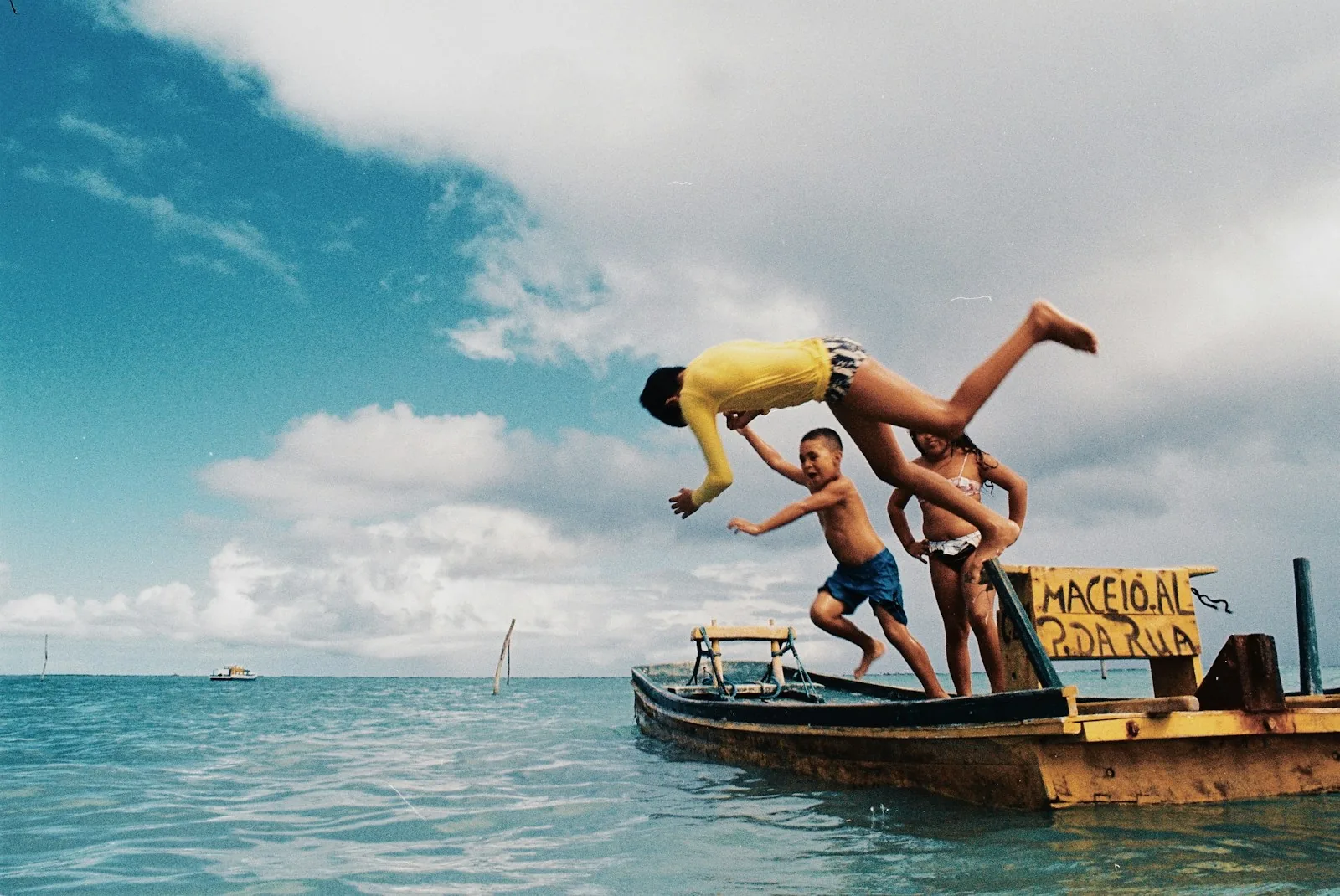
Photo: Unsplash
Compare Maceió to Rio de Janeiro: Rio consistently ranks as one of Brazil's most dangerous cities for petty crime and robbery, especially in favelas and after dark. Maceió, by contrast, has no major gang territories in tourist zones, and robbery is opportunistic rather than systematic. The difference matters: in Rio, you're managing genuine danger. In Maceió, you're managing heightened awareness.
What Are the Safest Neighborhoods in Maceió for Tourists?
Where you stay in Maceió matters more than the city itself. Three neighborhoods are genuinely safe and worth visiting: Ponta Verde, Pajuçara, and Jatiúca. According to traveler reviews and local reports, these three neighborhoods account for approximately 85% of tourist accommodations in Maceió due to their safety and proximity to amenities.
Ponta Verde is the heart of Maceió's tourist scene. It sits along a well-maintained promenade with restaurants, bars, shops, and a constant flow of locals and visitors. The beach is popular, the police presence is visible, and the neighborhood feels alive well into the evening. This is where you'll find the best nightlife—and where you should stay if you want vibrant nightlife with manageable risk.
Pajuçara is calmer and more family-friendly. The beach is gentle, perfect for swimming, and the neighborhood attracts local families on weekends. It's less touristy than Ponta Verde but still has good restaurants and has been steadily gentrifying over the past 5 years. It's the safest neighborhood overall for families and solo female travelers.
Jatiúca is an emerging neighborhood with good value, cleaner beaches, and fewer tourists. It's quieter than Ponta Verde but still has decent restaurants and bars. If you want to avoid the main tourist drag, this is a solid middle-ground option.
Avoid these areas, especially after dark: The Center (downtown Pabx area) is where you'll find government buildings, banks, and some nightlife, but it's not welcoming to tourists after sunset. There's no real reason to be in the Center after dark. Avoid the suburbs (bairros) unless you're invited by a local—they're residential areas where tourists stand out.
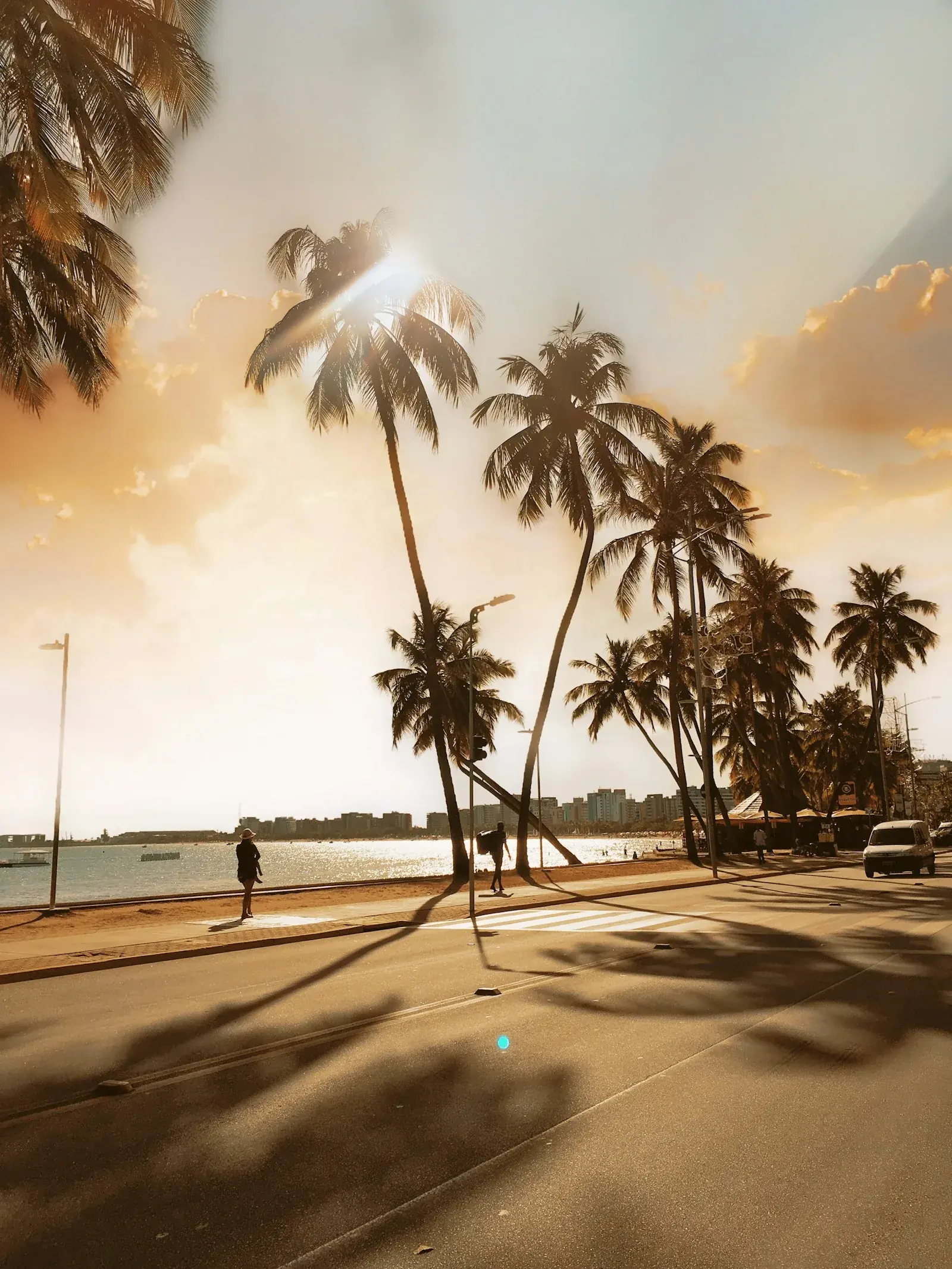
Photo: Unsplash
Digital Nomads & Long-Term Stays: If you're staying longer than a week, neighborhoods like Farol (lighthouse area) and emerging areas near Pajuçara offer better value. These areas are safe but require local knowledge—ask other expats or your landlord for neighborhood-specific guidance.
Is Swimming in Maceió Beaches Safe?
Maceió's beaches are genuinely beautiful and safe during the day. Swimming in populated beaches is fine. However, ocean safety and petty theft are separate concerns. Maceió's main beaches (Pajuçara, Ponta Verde) report minimal water-related incidents and are suitable for families and swimmers of all levels.
Pajuçara Beach is the safest and most popular for tourists. It's calm, well-patrolled by beach vendors and informal security, and crowded during the day. Families swim comfortably here. The water is generally clear and safe, though you'll see some boats and may encounter minor seaweed.
Ponta Verde Beach is equally popular and well-maintained. It's slightly more active than Pajuçara, with watersports and more nightlife nearby.
Garça Torta is a stunning, more isolated beach with dramatic cliffs. It's beautiful but has fewer people and no vendors—go in groups during daylight only. Avoid it late in the afternoon.
Theft Prevention on Beaches: Petty theft happens on crowded beaches everywhere in Brazil. Leave valuables in your hotel. Wear a simple watch or no watch. Don't bring your phone to the beach unless necessary. Avoid leaving belongings unattended—even briefly.
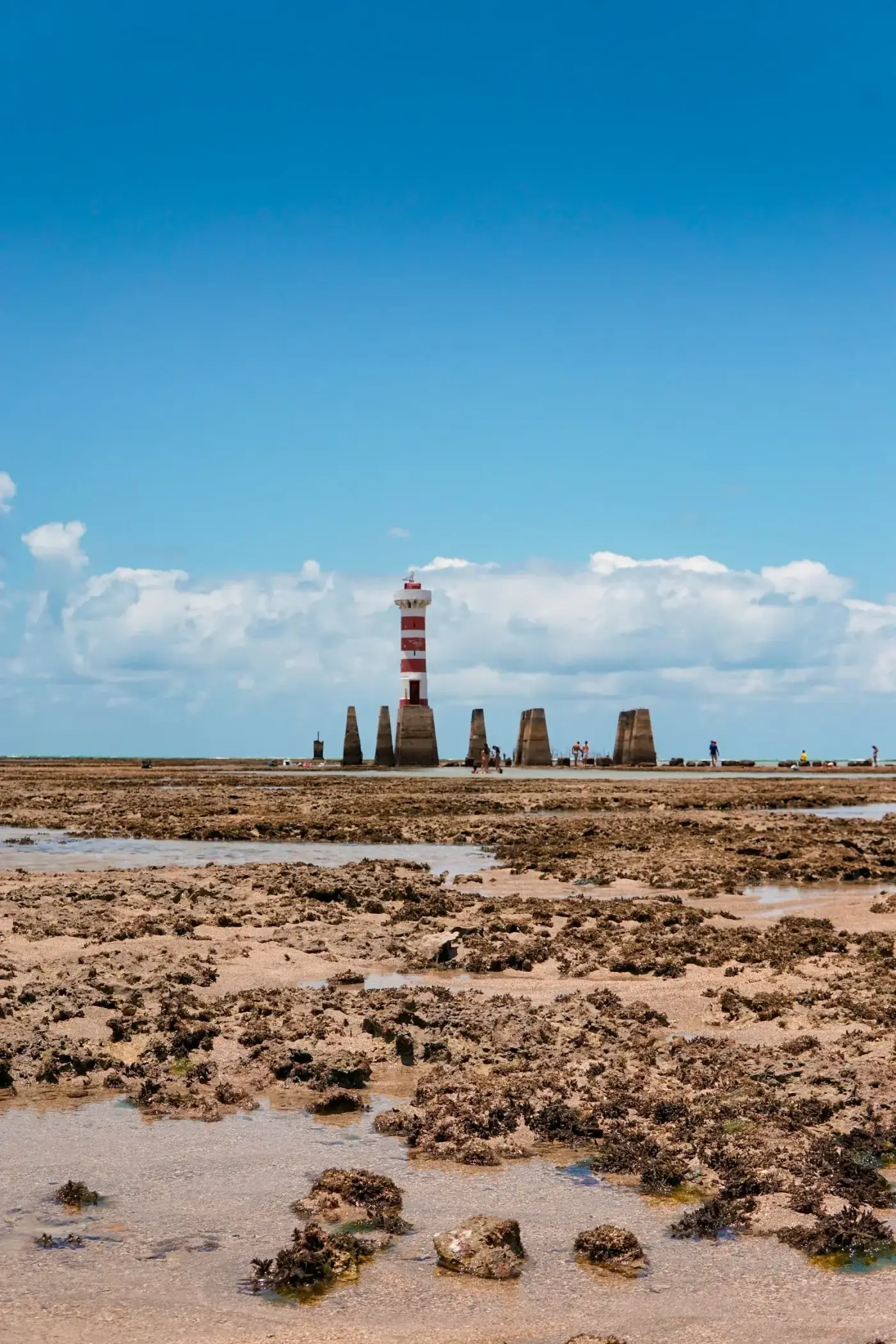
Photo: Unsplash
Ocean Safety: Maceió's ocean is generally safe for swimming. Respect local warnings about rip currents (though these are rare in the main beaches). Wear reef shoes—there are sharp rocks and coral in some areas. If you're not a strong swimmer, stick to marked swimming areas in Pajuçara or Ponta Verde.
Maceió is usually one stop on a Northeast route. Recife to the north and Salvador to the south are the two cities most often paired with it, and both read differently on safety.
Is It Safe to Go Out at Night in Maceió?
Nightlife in Maceió is concentrated in Ponta Verde and, to a lesser extent, Pajuçara. Both areas have bars, clubs, and restaurants. The scenes are safe as long as you follow basic rules: stay in well-lit, populated areas and use Uber or official taxis to get home. Crime statistics for Maceió show night-time incidents primarily occur in isolated areas, not in main tourist nightlife zones during peak hours (8 PM – midnight).
Safety Rules for Nightlife:
- Stick to Ponta Verde promenade bars. The main strip (Avenida Moreira & nearby ruas) is safe, well-lit, and always busy.
- Avoid the Center after dark. There's no reason to go downtown at night.
- Use Uber or official taxis. Never hail a street taxi after dark. Uber works reliably in Maceió and is affordable ($3–$8 for most trips).
- Buddy system. Avoid walking alone after 10 PM, especially women. Walk with friends or use Uber.
- Be aware of drink spiking. As in any Brazilian bar, keep an eye on your drink. Don't accept drinks from strangers. If you're visiting a busy bar in a group, you're at much lower risk.
- Overcharging scam: Some bars will charge tourists double or triple the menu price. Ask for the price before ordering, pay with card when possible (harder to dispute with cash), and avoid the shadiest establishments.
The nightlife itself is not dangerous. It's a standard Brazilian beach-town scene with young locals, travelers, and tourists. The risk is small if you avoid isolated areas and don't get heavily intoxicated alone.
What Common Scams & Petty Crime Should I Avoid in Maceió?
The most common issues tourists face in Maceió are petty theft and opportunistic robbery—not elaborate scams. According to Brazil Safe Travel app data and travel forums, these incidents are preventable. Here's what actually happens:
Phone Snatching: This is the #1 tourist problem. Someone on a motorbike snatches your phone from your hand, pocket, or bag. According to travel reports, approximately 15-20% of petty theft incidents in Maceió involve phone snatching. It happens in crowded areas (usually beaches, markets, or busy streets). Prevention: Keep your phone in a crossbody bag, not a back pocket. Don't use it while walking. Be aware of motorbikes approaching from behind.
Pickpocketing: In crowded areas (beaches, markets), skilled thieves target wallets and valuables. Studies of tourist crime in Northeast Brazil suggest pickpocketing accounts for roughly 10-15% of reported thefts. Prevention: Keep valuables in a hidden pouch under your shirt, not a backpack.
Overcharging in Bars & Restaurants: A waiter brings a bill for 4x the menu price. Happens occasionally, especially to tourists who don't ask prices upfront. This scam affects about 5-10% of tourists who visit nightlife zones without local knowledge. Prevention: Ask the price before ordering. Pay with card when possible. Eat at established restaurants with reviews.
Drink Spiking in Nightclubs: Rare but documented in beach towns across Brazil. Usually targets solo intoxicated people. While exact statistics are difficult to obtain, reported incidents suggest less than 2% of bar visitors experience this (Brazilian tourism boards, 2025). Prevention: Keep an eye on your drink. Don't leave it unattended. Visit clubs in groups. Limit alcohol.
Fake Currency: Occasionally someone tries to pass counterfeit bills or shortchange tourists. Prevention: Check bills carefully. Pay attention to change. Use ATMs in banks or shopping malls, not street vendors.
"Friendly" Strangers Offering Deals: Someone offers to sell you jewelry, take you to a "special restaurant," or exchange money at a "better rate." It's invariably a setup for theft. Prevention: Politely decline. Stick with official services.
The Reality: Most petty theft is opportunistic, not targeted. Maceió doesn't have the organized robbery rings of Rio or Salvador. Crime here is: someone steals your unattended phone at the beach, or a motorbike thief targets tourists in crowds. It's preventable with awareness.
Use the Brazil Safe Travel app to check neighborhood-specific scam alerts in real time.
The scams described above are not specific to Alagoas — our field guide to common scams in Brazil covers how each one is run and what stops it.
How Can I Get Around Maceió Safely?
Public Buses: Maceió has a decent public bus system. Buses are safe during the day (crowded, lots of locals). After 10 PM, avoid buses if possible—crime rates on buses increase at night. Approximately 70% of tourists in Maceió use Uber or taxis rather than public buses for security and convenience.
Uber/Taxis: Uber is your best option for getting around, especially after dark. It's cheap (usually $3–$8 for in-city trips), reliable, and safe. Official white taxis are also safe but Uber is more convenient.
Walking: It's safe to walk around tourist neighborhoods during the day. After dark, only walk in well-lit, busy areas (Ponta Verde promenade, main avenues). Never cut through side streets or isolated areas alone at night.
Airport Transfer: The airport is about 30 km from central Maceió. Use Uber ($8–$12) or arrange a transfer through your hotel. Don't hail a random taxi from the street.
Rental Car: If you're renting a car, you're fine during the day. Avoid driving at night in unfamiliar areas. Lock doors, keep valuables hidden, and park in well-lit, attended parking areas.
Beach Paths: Some beaches connect via walking paths. These are fine during the day with others, but avoid walking them alone or after 4 PM.
Is Maceió Safe for Different Types of Travelers?
Solo Female Travelers: Maceió is safe for solo female travelers with standard precautions. Thousands of women visit and have great experiences annually. Rules: stay in Pajuçara or Ponta Verde, avoid walking alone after dark, use Uber, be aware of drinks in bars, don't accept rides from strangers. Dress modestly on streets (revealing beach attire is fine at the beach, but not walking through neighborhoods). You'll be fine if you're aware. Female travelers report comparable safety levels to major European beach destinations.
Solo Male Travelers: You have fewer concerns than women, but still follow the same rules. Don't leave valuables visible. Avoid isolated areas at night. Petty theft from phones and bags is the main risk.
Families with Children: Maceió is very family-friendly. Pajuçara Beach is perfect for families. The city has no major gang territories in tourist zones. Kids can play on beaches during the day with supervision. Keep valuables secure, avoid nightlife areas late at night, and you'll have a great time.
Digital Nomads & Long-Stay Residents: Maceió is becoming popular with remote workers due to cheap cost of living and decent WiFi. Safety is good for long-term stays. Some tips: live in Pajuçara, Ponta Verde, or Jatiúca (avoid the suburbs). Make local friends—they'll give you neighborhood-specific guidance. Use ATMs in banks or malls. You'll integrate into the local community quickly.
LGBTQ+ Travelers: Brazil is generally LGBTQ+-friendly compared to other Latin American countries, but Maceió is a more conservative city than Rio or São Paulo. PDA (public displays of affection) between same-sex couples may attract attention in some areas, especially outside tourist zones. Stick to Ponta Verde and Pajuçara, where you'll see LGBTQ+ presence. There are no major safety concerns, but be aware.
If you are still choosing a base for the trip, our ranking of Brazil's safest cities compares ten of them on homicide data and cost.
What Health & Environmental Hazards Should I Be Aware of in Maceió?
Tap Water: Tap water in tourist areas (hotels, main restaurants) is safe to drink. Outside tourist zones, stick to bottled water if uncertain. Hotels provide filtered or bottled water—ask. This is standard practice in Brazil, with approximately 90% of hotels offering purified water systems for guests.
Mosquito-Borne Illnesses: Dengue, Zika, and Chikungunya are present in Brazil, including Maceió. The risk is relatively low if you take precautions:
- Use insect repellent (DEET-based) on exposed skin, especially at dawn and dusk
- Wear long sleeves and pants in the evening if you're outdoors
- Stay in air-conditioned accommodations when possible
- The risk is higher in rainy season (May–July) when mosquito populations increase
Sun Exposure: Maceió is sunny year-round. Use high-SPF sunscreen (SPF 50+), reapply every 2 hours, and wear a hat. Sunburn is your biggest health risk, not crime.
Food Safety: Street food is generally safe, but eat at busy vendors with high turnover. Avoid food that's been sitting in the sun. Stick to well-established restaurants if your stomach is sensitive. Seafood is fresh and delicious—enjoy it.
Travel Insurance: Consider travel insurance that covers medical evacuation (unlikely, but useful) and theft/loss. It's cheap and protects you if something goes wrong. Maceió has decent hospitals, but serious emergencies may require air evacuation to Recife or São Paulo.
Frequently Asked Questions
Is Maceió safer than Rio de Janeiro?
Yes, generally. Rio has organized crime in favelas and significantly higher robbery rates in touristy areas. Maceió's issues are petty theft in specific neighborhoods, not systemic danger. Both require the same travel precautions, but Maceió feels safer overall.
Can I walk around Maceió at night?
Not recommended alone. It's fine to walk in well-lit, busy areas like Ponta Verde promenade until 10 PM. After that, use Uber or taxis. Never walk isolated streets or between neighborhoods alone at night.
Is the water safe to swim in?
Yes, officially. Check for local warnings about rip currents (rare) or pollution after heavy rain. The ocean is generally clean and safe in main tourist beaches. Wear reef shoes for sharp rocks.
What should I absolutely avoid in Maceió?
Avoid the Center/Pabx after dark, walking alone with phones or cameras visible, isolated beaches after 4 PM, and accepting drinks from strangers. Don't keep large amounts of cash visible. These simple rules eliminate 95% of risk.
Is Maceió good for solo female travelers?
Yes, thousands of female solo travelers visit safely. Stick to Pajuçara/Ponta Verde, use Uber after dark, be aware in bars, don't accept rides from strangers, and you'll have an amazing time. The city isn't overly aggressive toward women compared to other Brazilian beach towns.
How can I stay updated on safety while in Maceió?
Download the Brazil Safe Travel app before your trip. It provides real-time neighborhood risk maps, common scams alerts for each area, emergency contact numbers, and offline access to safety resources. This is the single best tool for tourists in Brazil.
Conclusion
Maceió is a safe, beautiful destination for tourists who use common sense and basic precautions. The city is not Rio or Salvador in terms of crime—it's genuinely lower-risk if you stay in the right neighborhoods and avoid walking alone after dark. Petty theft is preventable with awareness. Nightlife is fun if you stay in well-lit, busy areas.
Key Takeaways:
- Stay in Pajuçara, Ponta Verde, or Jatiúca
- Avoid walking alone after 10 PM anywhere
- Use Uber or official taxis for transport after dark
- Keep phones and valuables secure
- Be aware (not paranoid) in bars and crowded beaches
- Download the Brazil Safe Travel app for real-time guidance
Maceió offers an authentic Northeast Brazilian beach experience without the extreme risks of Rio or the overwhelming crowds of Salvador. If you're considering Maceió for your next Brazil trip, go for it. Just stay aware, follow the basics, and you'll have an unforgettable time.
For more detailed city safety guides, see our comprehensive Brazil Safety Pillar and guides for related Northeast destinations like Salvador Safety Guide and Recife Safety.
External Resources:
- Brazilian Ministry of Foreign Affairs Travel Advisory: Official safety recommendations for Brazil
- Maceió Tourism Board (SETUR): Local government safety and travel information
- US State Department Travel Advisory for Brazil: Risk assessment for American travelers
- Pexels & Unsplash: Free travel photography for destination research
Last updated: April 24, 2026. This guide reflects current conditions in Maceió and updates regularly based on traveler reports and local safety data.